

Fashion
Heritage-rich Indian carpets poised to tap EU luxury interiors: CEPC

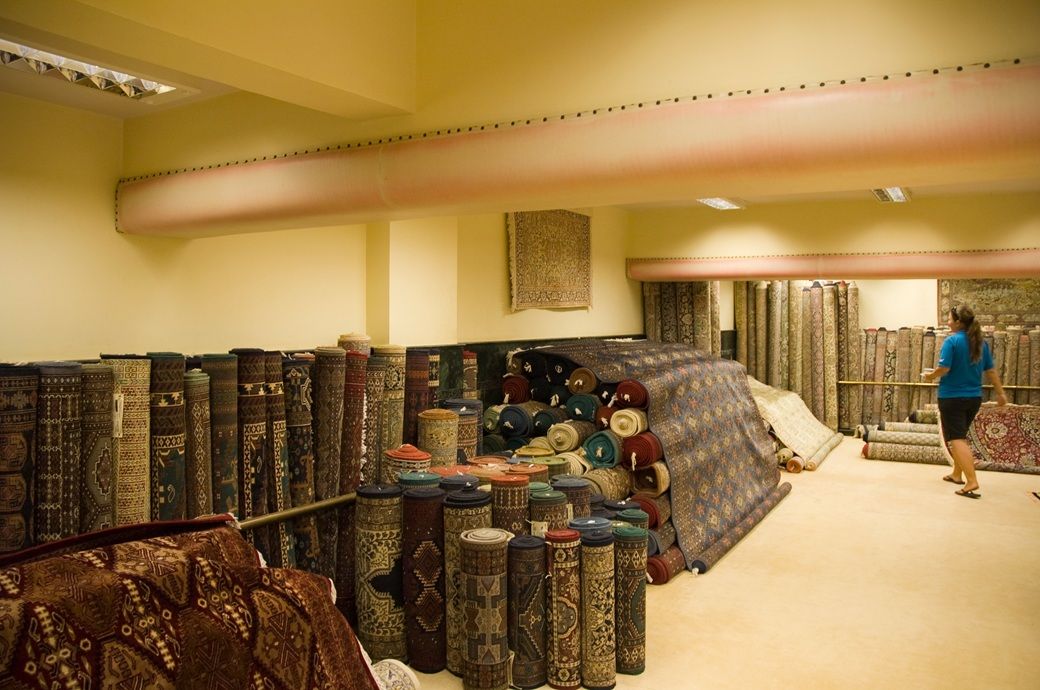
The agreement places strong emphasis on labour-intensive sectors, including handmade carpets, rugs, handicrafts and textile products. For the carpet industry, the removal of tariff barriers is expected to significantly enhance competitiveness in Europe, a market where duties earlier constrained export growth and price positioning.
The India-EU FTA is set to transform India’s handmade carpet industry, with CEPC highlighting tariff elimination as a key enabler for access to premium European markets.
Preferential access is expected to boost price competitiveness, support MSMEs and artisan livelihoods, and reinforce India’s positioning in luxury home décor and sustainable, heritage-led sourcing, CEPC said.
India’s handmade carpet sector, rooted in long-established clusters such as Bhadohi, Mirzapur and Varanasi in Uttar Pradesh, Panipat in Haryana, Jaipur and Bikaner in Rajasthan, and Srinagar in Jammu & Kashmir, has shown resilience despite prolonged global headwinds. With carpets now covered under preferential access, exporters anticipate improved market penetration and renewed momentum across these regions.
CEPC noted that the benefits of the FTA will extend beyond large exporters to MSMEs and rural artisan units engaged in weaving and finishing activities. Easier access to the EU market is expected to boost price competitiveness, strengthen integration with European supply chains and support employment generation, particularly for women and youth in traditional carpet-making clusters. The council also highlighted that Indian carpets with their strong heritage value and design appeal are well positioned to cater to premium home décor and luxury interiors segments in Europe.
Captain Mukesh Kumar Gombar, Chairman, CEPC, said, “The India-EU FTA represents a transformational milestone for our handmade carpet sector. Eliminating tariffs will unlock expanded access to Europe’s large and sophisticated markets, allowing Indian carpets to compete more effectively on value, quality and sustainability. This benefit will be felt across carpet clusters in Bhadohi, Mirzapur, Varanasi and Srinagar, empowering artisans and micro and small exporters to scale new heights of global demand.”
Aslam Mahboob, Vice Chairman, CEPC, added, “With preferential market access under the India-EU FTA, the handmade carpet industry can now look forward to enhanced export prospects, improved price realisation, and deeper engagement with European buyers. This will reinforce India’s position as a trusted supplier of high-quality, handcrafted rugs and carpets and as a partner of choice for sustainable and ethical sourcing.”
CEPC reaffirmed its commitment to working closely with the government and industry stakeholders to ensure effective implementation of the agreement and to maximise its benefits for the handmade carpet sector. The council also noted that the FTA aligns with India’s broader India@2047 vision of building a resilient, competitive and inclusive economy, while creating sustainable growth opportunities for traditional and labour-intensive industries such as handmade carpets and rugs.
Fibre2Fashion News Desk (CG)
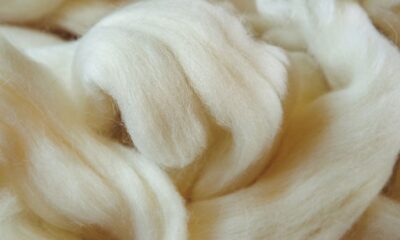










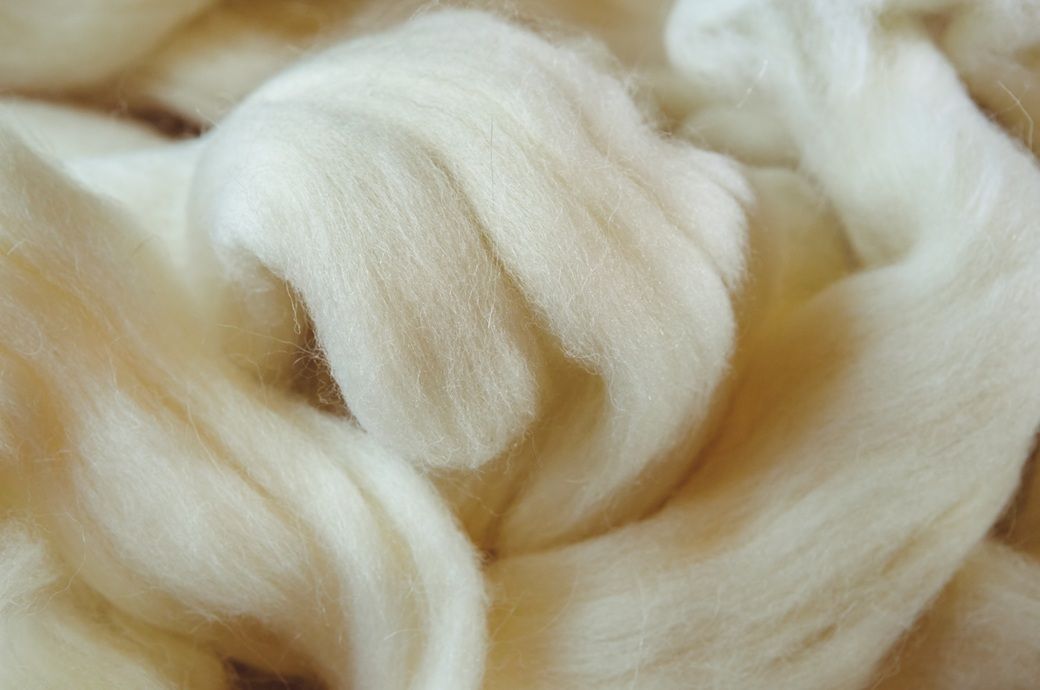
“The price weakness was most evident in the 18.5–21 micron Merino fleece range, particularly in Southern and Western regions, where declines of 40–60 cents were recorded. Crossbred wool prices also eased, while the Northern market showed some firmness in 20–21 microns,” said Australian Wool Innovation (AWI) in its week 39 commentary.
Australian wool prices declined this week, with the Eastern Market Indicator (EMI) falling 27 cents to 1,724 c/kg amid buyer caution and rising logistics costs.
Weakness was led by Merino fleece, while crossbreds also eased.
Strong auction volumes and increased supply reduced competition, signalling a pause after sustained price gains.
Market sentiment was impacted by increased supply, with offerings nearing 40,000 bales. Pass-in rates stood at 9 per cent nationally and over 13 per cent in the West, signalling growing seller resistance. Despite lower annual production, supply levels remain elevated, partly supported by broker and farm-held stocks, the AWI commentary noted.
Rising freight costs linked to Middle East tensions and sustained supply are expected to test market stability. Around 37,815 bales are scheduled for sale next week, the AWI commentary added.
Fibre2Fashion News Desk (CG)
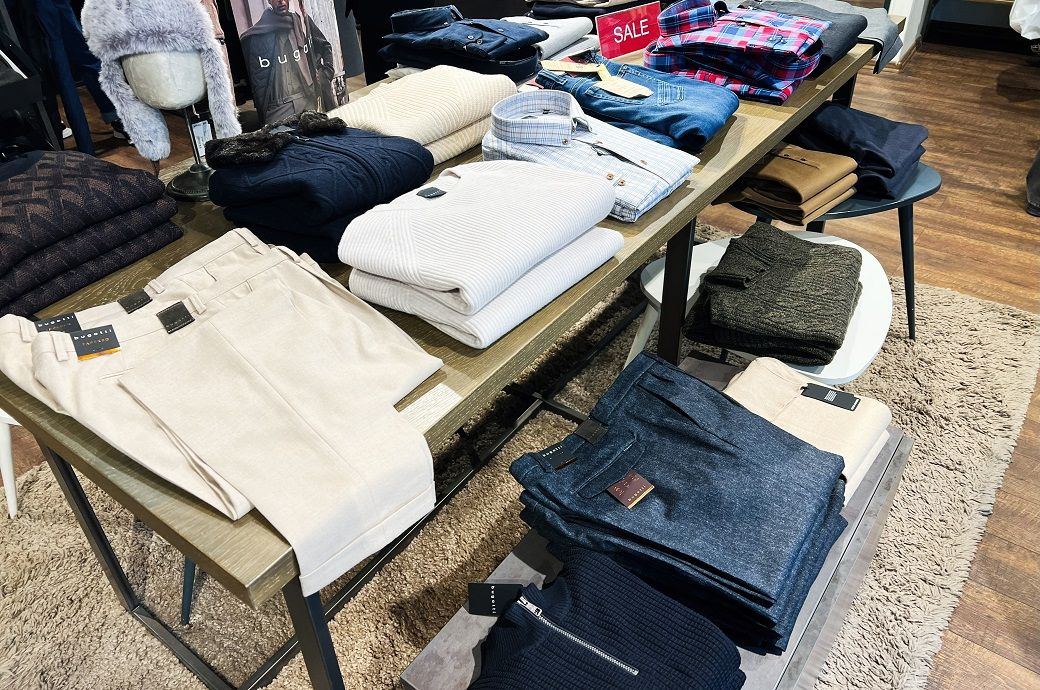
Ukraine’s apparel imports increased from $***.*** million in **** and $***.*** million in ****, reflecting a steady recovery in demand. However, Turkiye’s exports dropped to $***.*** million in ****, reducing its share to **.** per cent from **.** per cent in **** and a dominant **.** per cent in ****, when it was the leading supplier, according to *fashion.com/market-intelligence/texpro-textile-and-apparel/” target=”_blank”>sourcing intelligence tool TexPro.
China emerged as the top supplier in ****, with shipments valued at $***.*** million, accounting for **.** per cent of total imports, only marginally higher than **.** per cent in ****. Bangladesh continued its strong growth trajectory, supplying $***.*** million and capturing a **.** per cent share, up significantly from **.** per cent in ****.



How Trump’s Plot to Grab Iran’s Nuclear Fuel Would Actually Work

MLB faces a historic shift as potential lockout, media rights and other league changes loom

Tom Felton exhibits shock over fans reaction to ‘Potter’ pronunciation

-
 Fashion1 week ago
Sales at US apparel, clothing accessories stores up 4% YoY in Jan 2026
-

 Tech1 week ago
Justice Department Says Anthropic Can’t Be Trusted With Warfighting Systems
-
 Fashion1 week ago
Spain’s Inditex FY25 sales rise 3.2% to $46.28 bn amid strong demand
-

 Sports1 week ago
March Madness 2026 – How to watch in SA, start time, schedule, TV channel for NCAA championship basketball tournament
-

 Politics1 week ago
Iran strikes Tel Aviv with cluster-warhead missiles in retaliation of Larijani’s martyrdom
-

 Entertainment1 week ago
With few new leads 45 days after Nancy Guthrie’s disappearance, investigation “becomes much harder,” expert says
-

 Entertainment1 week ago
Val Kilmer revived 1 year after death through AI
-
 Business1 week ago
Brits cashing in jewellery as gold price hits record high