

Business
Hitting The ‘High Notes’ In Ties: Nepal Set To Lift Ban On Indian Bills Above ₹100

Last Updated:
The move is expected to provide an immediate and substantial boost to Nepal’s economy, particularly its tourism and hospitality sectors, which rely heavily on Indian visitors

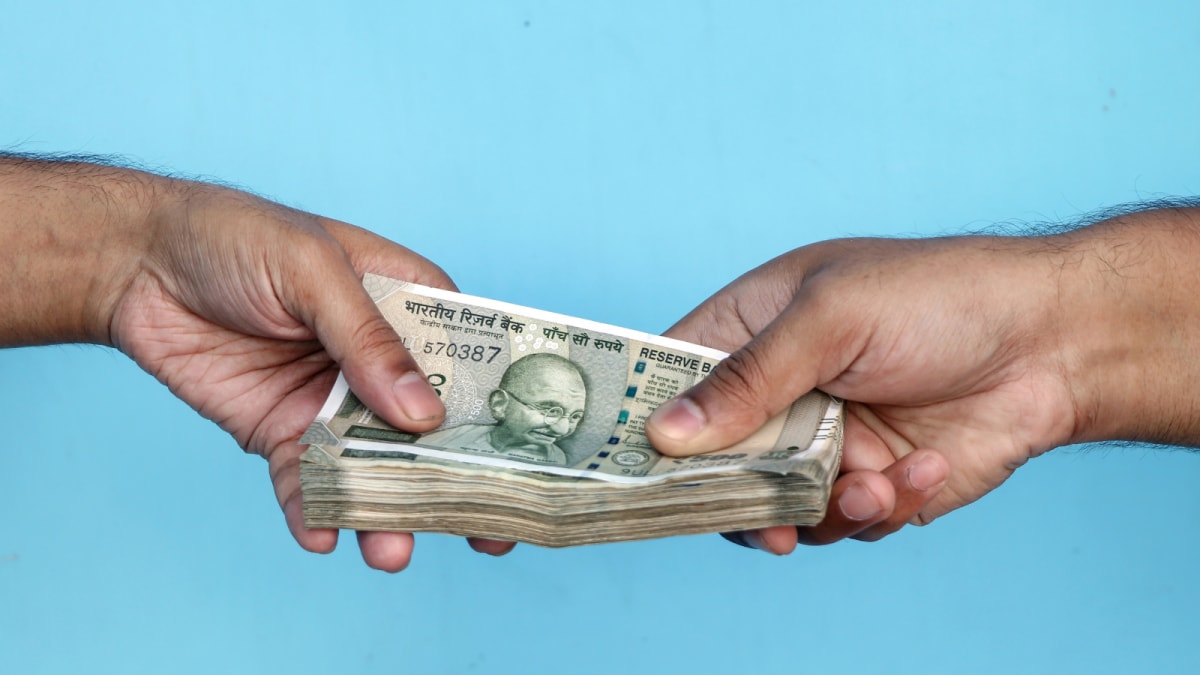
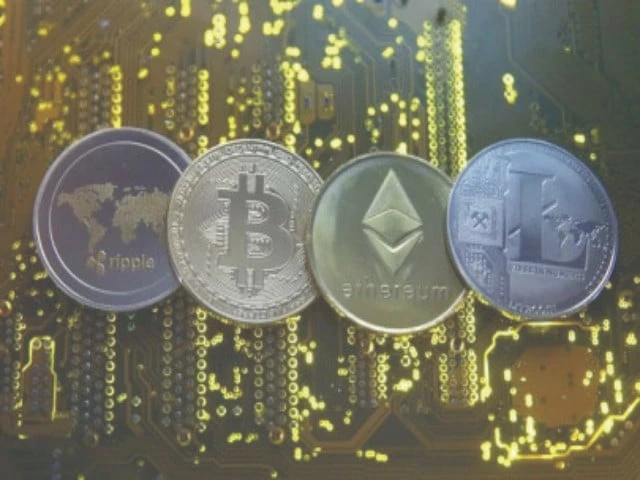
The original restrictions on high-value Indian currency were severely tightened in Nepal following the 2016 demonetisation in India, which withdrew old ₹500 and ₹1,000 notes. Representational image
Nepal is preparing to officially permit the circulation of Indian currency notes above the ₹100 denomination, marking the end of a nearly decade-long ban that has significantly complicated cross-border travel, trade, and remittances between the two countries. The move, currently in its final stages with the Nepal Rastra Bank (NRB) preparing to publish the official notice, follows a crucial regulatory shift by India’s central bank.
The original restrictions on high-value Indian currency were severely tightened in Nepal following the 2016 demonetisation in India, which withdrew old ₹500 and ₹1,000 notes. Even after new notes were introduced, Nepal maintained the ban on all denominations above ₹100 due to concerns over the smuggling of counterfeit currency and security risks. This policy forced Indian tourists and Nepali migrant workers to carry large wads of low-denomination notes, leading to financial hardship, confusion, and frequent incidents of travellers being detained or fined for inadvertent violations.
India’s Regulatory Green Light
The pivotal change that has allowed Nepal to reverse course came from the Reserve Bank of India (RBI). In late November 2025, the RBI amended its Foreign Exchange Management Regulations, formally allowing individuals to transport higher-denomination Indian rupee notes across the border.
The new rule specifies that individuals can carry Indian currency notes of any amount in denominations up to ₹100. Crucially, they are now permitted to carry notes above ₹100 up to a total value of ₹25,000 in either direction—both into Nepal and back into India. This amendment effectively removed the main legal constraint that previously limited the practical utility of higher-value notes for travellers.
Boosting Tourism and Easing Remittances
The lifting of the ban is expected to provide an immediate and substantial boost to Nepal’s economy, particularly its tourism and hospitality sectors, which rely heavily on Indian visitors. Businesses in border towns, casinos, and pilgrimage routes that cater to Indian tourists have been vocal in lobbying for this change, as the previous restrictions limited spending power.
Furthermore, the decision is a massive relief for the estimated two million Nepali migrant workers in India, who previously faced major security risks when bringing home their earnings in small denominations. The Nepal Rastra Bank (NRB) spokesperson, Guru Prasad Poudel, confirmed that the process is nearing completion, stating they are preparing to publish the notice in the Nepal Gazette before issuing circulars to banks and financial institutions, ushering in a new era of smoother financial integration between the two neighbours.
 Click here to add News18 as your preferred news source on Google.
 December 14, 2025, 01:21 IST
Read More



Last Updated:
Piyush Goyal termed the Budget “economically and fundamentally very strong”, and stated that it “reflects the aspirations of the youth of the country”.


Minister of Commerce and Industry Piyush Goyal. (File photo)
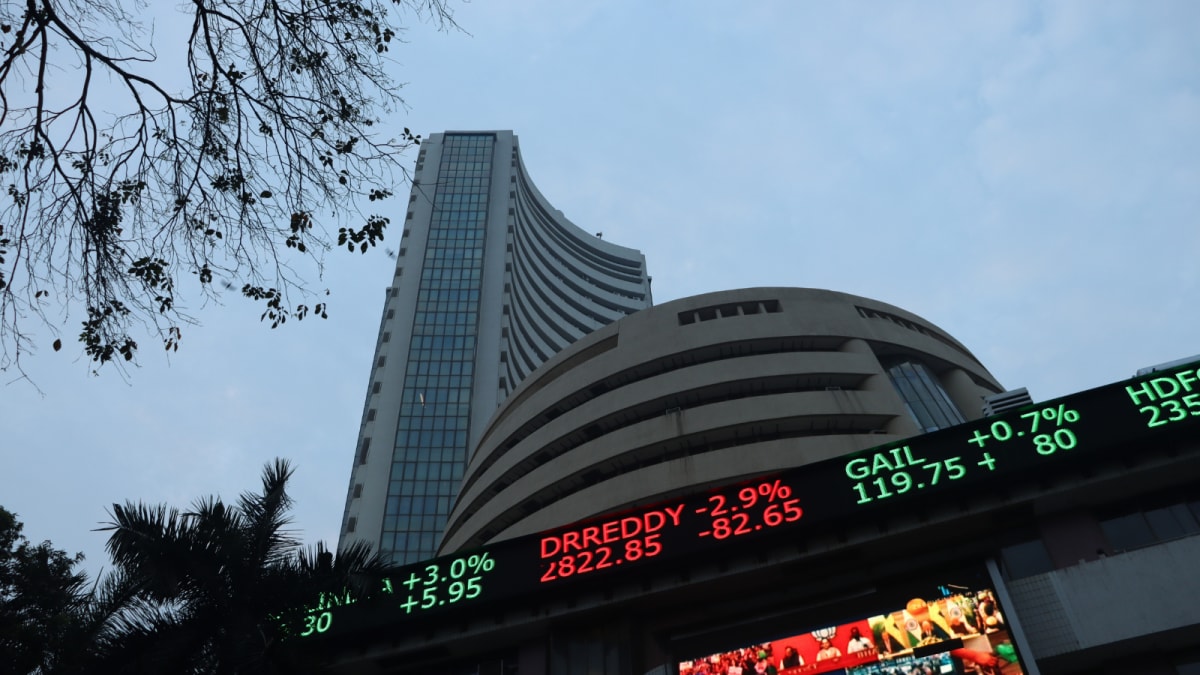
Union Minister Piyush Goyal on Sunday termed Budget 2026 “futuristic and holistic”, and stated that it “reflects the aspirations of the youth of the country and is forward-looking”.
Speaking exclusively to CNN-News18 on Budget 2026, presented by Finance Minister Nirmala Sitharaman, Goyal said, “This is a fabulous budget and it is very futuristic. The Budget 2026 has covered all sectors including technology, infrastructure, etc.”
“The technology sector has been given a thrust. The budget focuses on infrastructure. It is a holistic and forward-looking budget refecting future ready Bharat,” he said, adding, “The budget meets the aspirations of the youth and new India.”
Stating that the Budget is economically and fundamentally very strong, the Union Minister said, “Farmers, animal husbandry and labour-intensive sectors get a major push as this Budget focuses on investment, value addition and jobs.”
#Exclusive | “The Budget is economically and fundamentally very strong,”Preparing India for Viksit Bharat. Farmers, animal husbandry and labour-intensive sectors get a major push as the Budget focuses on investment, value addition and jobs.@Parikshitl in an exclusive… pic.twitter.com/tJr2SItcaW
— News18 (@CNNnews18) February 1, 2026
‘Budget 2026 Is Human-Centric’: PM Modi
Prime Minister Narendra Modi on Sunday said that the Union Budget 2026 is “human-centric and strengthens India’s foundation with path-breaking reforms.” The Prime Minister also described it as historic and a catalyst for accelerating the country’s reform trajectory and long-term growth.
Following the presentation of the Budget in Parliament, PM Modi said the proposals would energise the economy, empower citizens and give India’s youth fresh opportunities to scale new heights.
“This budget brings the dreams of the present to life and strengthens the foundation of India’s bright future. This budget is a strong foundation for our high-flying aspirations of a developed India by 2047,” he said.
Calling the government’s reform agenda a “Reform Express”, the Prime Minister added, “The reform express that India is riding today will gain new energy and new momentum from this budget.”
February 01, 2026, 19:01 IST
Read More

Interest rates are widely expected to remain at 3.75% as Bank of England policymakers prioritise curbing above-target inflation while also monitoring economic growth, according to expert analysis.
The Bank’s Monetary Policy Committee (MPC) is anticipated to leave borrowing costs unchanged when it announces its latest decision on Thursday, marking its first interest rate setting meeting of the year.
This follows a rate cut delivered before Christmas, which was the fourth such reduction.
At the time, Governor Andrew Bailey noted that the UK had “passed the recent peak in inflation and it has continued to fall”, enabling the MPC to ease borrowing costs. However, he cautioned that any further cuts would be a “closer call”.
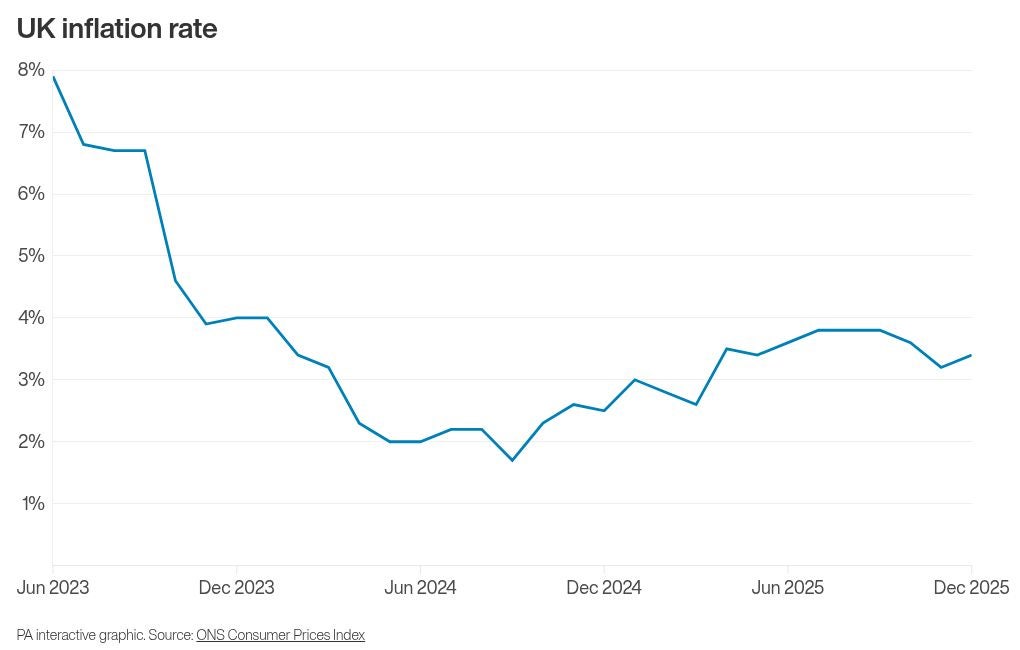
Since that decision, official data has revealed that inflation unexpectedly rebounded in December, rising for the first time in five months.
The Consumer Prices Index (CPI) inflation rate reached 3.4% for the month, an increase from 3.2% in November, with factors such as tobacco duties and airfares contributing to the upward pressure on prices.
Economists suggest this inflation uptick is likely to reinforce the MPC’s inclination to keep rates steady this month.
Philip Shaw, an analyst for Investec, stated: “The principal reason to hold off from easing again is that at 3.4% in December, inflation remains well above the 2% target.”
He added: “But with the stance of policy less restrictive than previously, there are greater risks that further easing is unwarranted.”
Shaw also highlighted other data points the MPC would consider, including gross domestic product (GDP), which saw a return to growth of 0.3% in November – a potentially encouraging sign for policymakers.
Matt Swannell, chief economic advisor to the EY ITEM Club, affirmed: “Keeping bank rate unchanged at 3.75% at next week’s meeting looks a near-certainty.”
He noted that while some MPC members who favoured a cut in December still have concerns about persistent wage growth and inflation, recent data has not been compelling enough to prompt back-to-back reductions.
Edward Allenby, senior economic advisor at Oxford Economics, forecasts the next rate cut to occur in April.
He explained: “The MPC will continue to face a delicate balancing act between supporting growth and preventing inflation from becoming entrenched, with forthcoming data on pay settlements likely to play a decisive role in shaping the next policy move.”
The Bank’s policymakers have consistently voiced concerns regarding the pace of wage increases in the UK, which can fuel overall inflation.
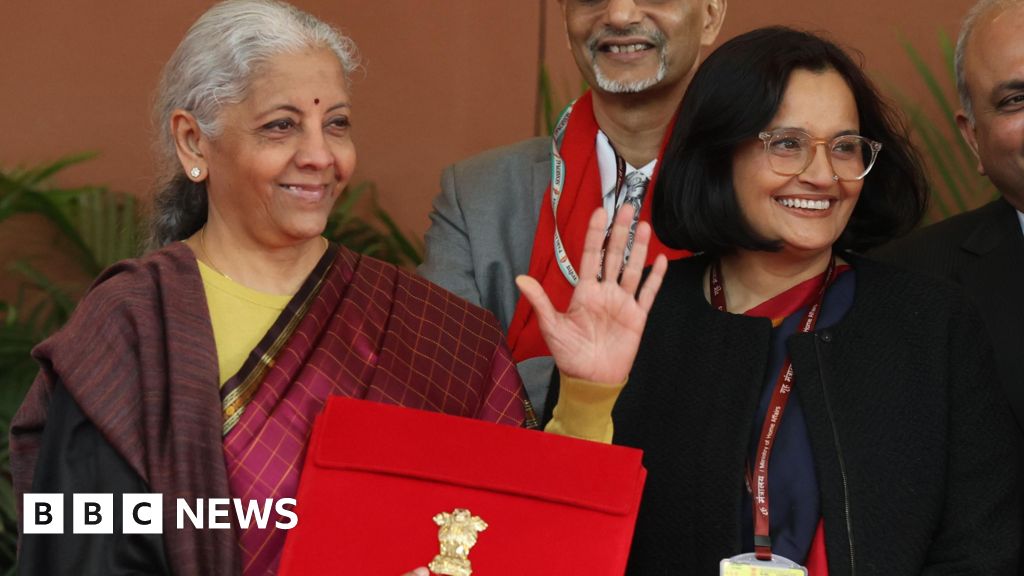
India’s budget focuses on infrastructure and defence spending and tax breaks for data-centre investments.
Source link


The best- and worst-case trade scenarios for Giannis Antetokounmpo’s fantasy value
‘Holistic And Forward-Looking’: Piyush Goyal Says Budget 2026 Reflects Future-Ready India

Netflix’s exciting February line up revealed

-

 Sports5 days ago
PSL 11: Local players’ category renewals unveiled ahead of auction
-

 Tech1 week ago
Strap One of Our Favorite Action Cameras to Your Helmet or a Floaty
-

 Sports1 week ago
Wanted Olympian-turned-fugitive Ryan Wedding in custody, sources say
-

 Entertainment1 week ago
Three dead after suicide blast targets peace committee leader’s home in DI Khan
-

 Tech1 week ago
This Mega Snowstorm Will Be a Test for the US Supply Chain
-

 Fashion1 week ago
Spain’s apparel imports up 7.10% in Jan-Oct as sourcing realigns
-

 Entertainment5 days ago
Claire Danes reveals how she reacted to pregnancy at 44
-

 Entertainment1 week ago
Prince Harry’s female admirers are many but no wedding rings