Business
If Your Salary Never Lasts Till Month-End, These 5 Mistakes Might Be Why

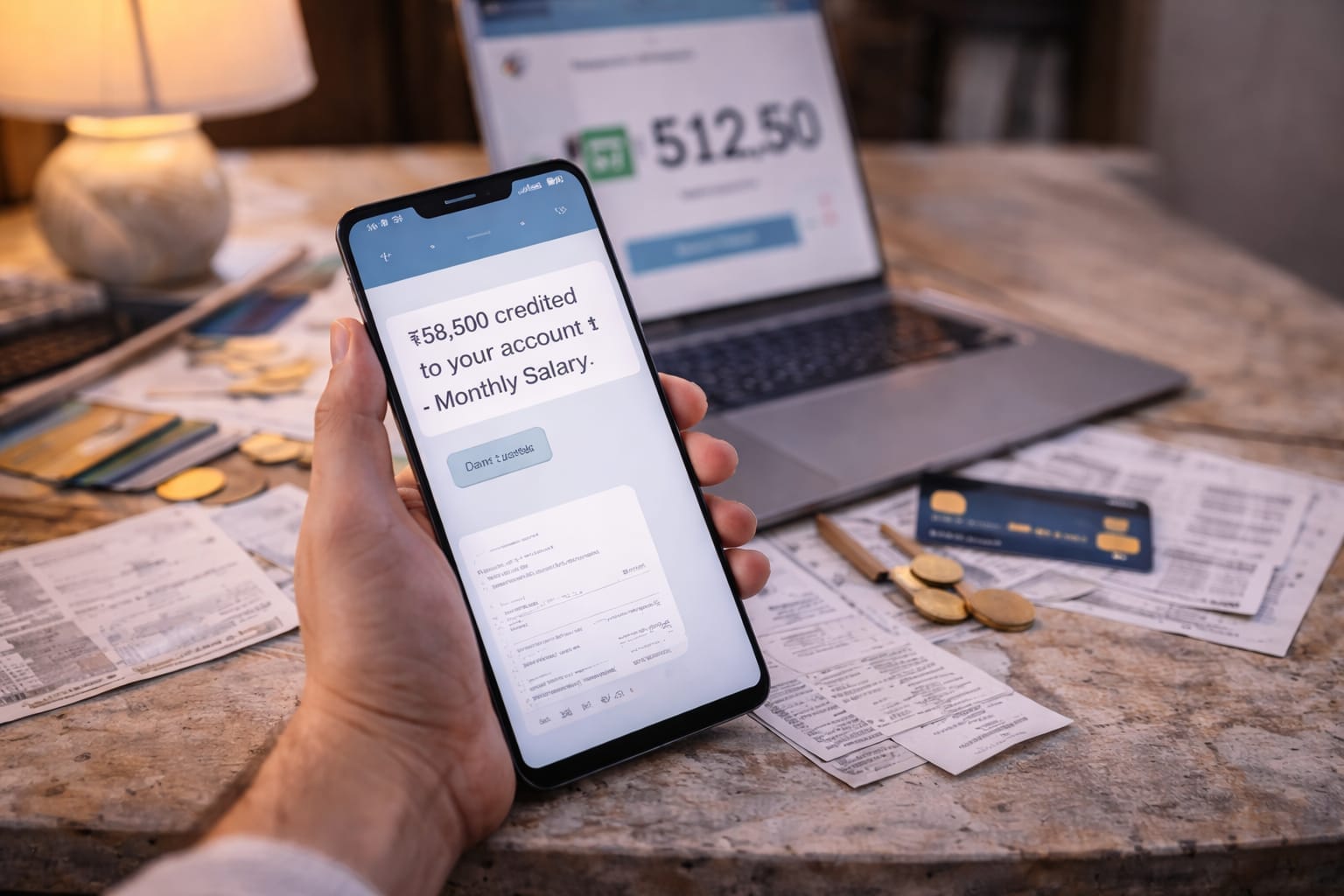
The arrival of a salary credit message at the beginning of the month often brings a sense of relief and optimism, with many planning to save money or make long-delayed purchases. However, for a large number of salaried individuals, that confidence fades quickly as expenses begin to pile up. Rent, electricity bills, EMIs, online purchases, dining out and everyday spending gradually reduce bank balances, leaving many struggling by the third week of the month. (News18 Hindi)


Financial experts say that recurring cash shortages are often not caused by insufficient income but by poor money habits. Small and unnoticed mistakes in managing personal finances can gradually weaken long-term financial stability. The good news, experts note, is that these habits can be corrected with simple changes and better planning. (News18 Hindi)


1. One of the most common mistakes is the absence of a proper budget. Many people begin spending as soon as their salary is credited without deciding in advance how the money will be used. Without a clear spending plan, expenses tend to rise uncontrollably. Experts recommend allocating money for essential needs such as rent, groceries, utility bills and savings immediately after receiving a salary. Preparing a simple budget by listing fixed monthly expenses in a notebook or mobile app can help maintain financial discipline. (News18 Hindi)

2. Frequent small online purchases also contribute significantly to unnecessary spending. With doorstep deliveries and frequent discounts, cashback offers and flash sales, consumers often buy items that are not essential. While individual purchases may seem minor, repeated spending of a few hundred or thousand rupees can add up to a substantial amount by the end of the month. Financial planners advise clearly distinguishing between needs and wants before making purchases. (News18 Hindi)
3. Another major mistake is the absence of an emergency fund. Unexpected expenses such as medical bills, urgent travel or home repairs can disrupt monthly budgets. Without savings set aside for emergencies, many individuals rely on credit cards or loans, which can lead to debt and reduce the following month’s disposable income. Experts suggest building an emergency fund gradually, ideally covering at least three months of essential expenses. (News18 Hindi)

4. Saving only what remains at the end of the month is another common but ineffective approach. In most cases, little or no money is left after regular spending. Financial advisers recommend setting aside savings as soon as the salary is credited, a strategy often referred to as the “pay yourself first” principle. This method helps create a consistent saving habit. (News18 Hindi)

5. Spending to maintain a certain lifestyle is also a growing concern, particularly in the age of social media. The desire to match others’ lifestyles often leads to purchases such as expensive gadgets, branded clothing or frequent dining out, even when these expenses exceed one’s income. Experts warn that such spending patterns can increase financial stress and recommend aligning lifestyle choices with income and financial priorities. (News18 Hindi)

To improve financial discipline, experts advise reviewing expenses from the previous three months to understand spending patterns. Based on this assessment, individuals can create a simple plan that divides income into spending, saving and investing. Automated savings options such as Systematic Investment Plans (SIPs) or recurring deposits can help ensure consistent saving. Even small financial changes, experts say, can lead to significant long-term benefits. (News18 Hindi)