

Business
India-EU FTA finalised: Top 15 frequently asked questions on trade deal answered – The Times of India

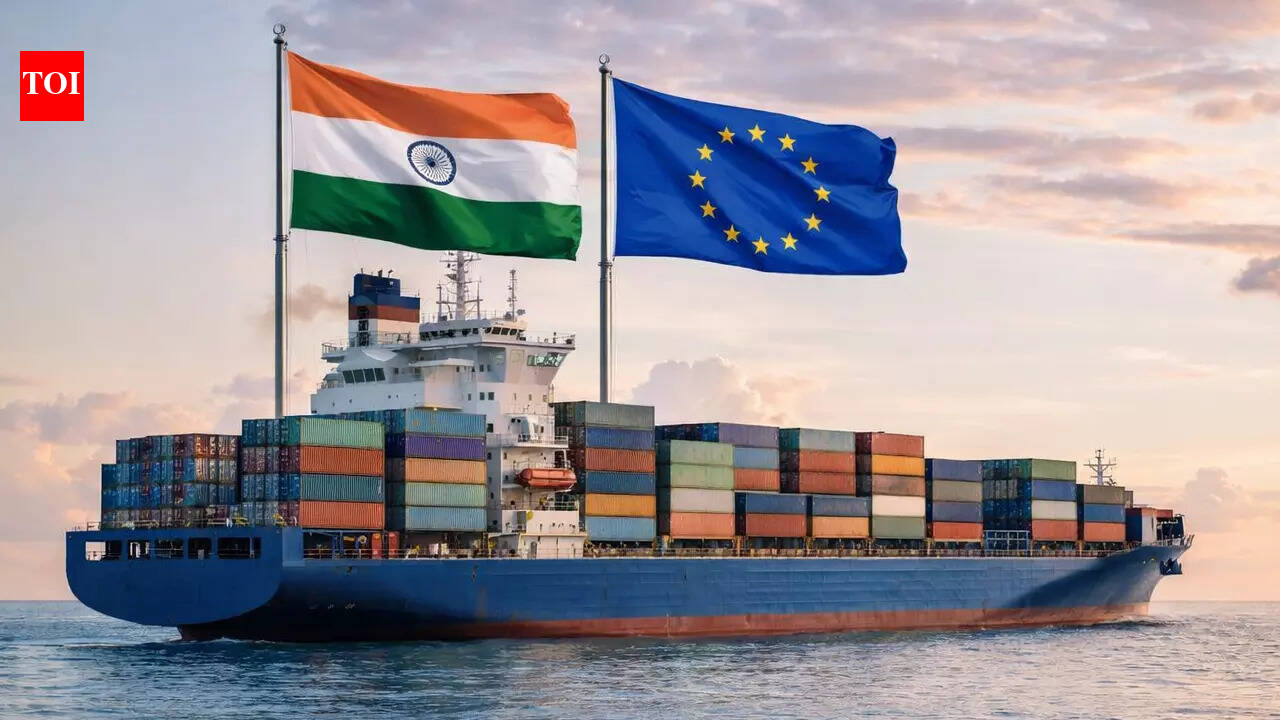
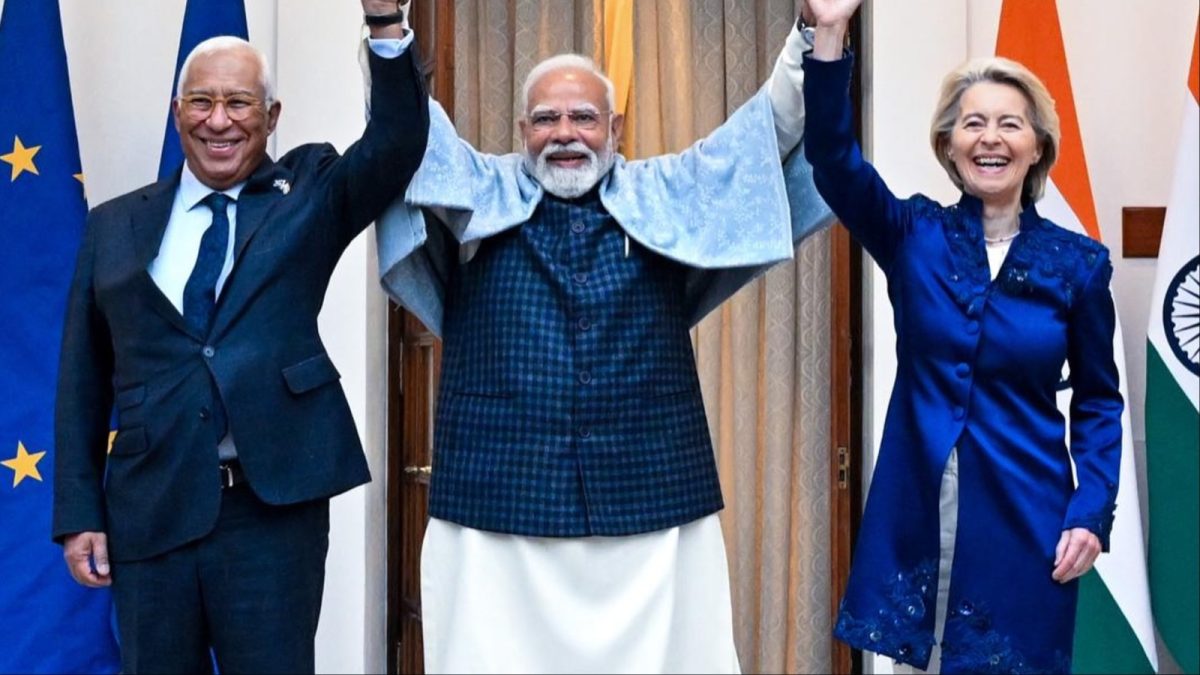
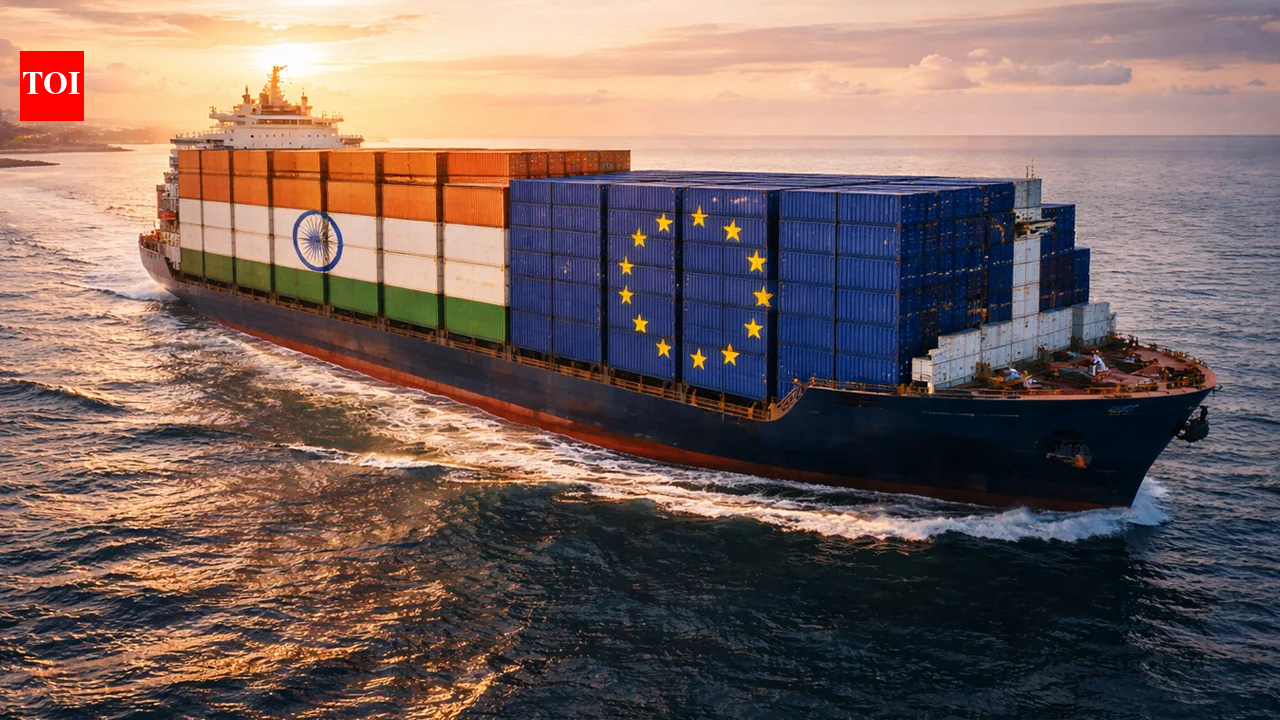
India-EU FTA sealed: India and the European Union on Tuesday announced the conclusion of a free trade agreement that is widely being described as the “mother of all deals”. The deal comes at a time of heightened global uncertainty and trade disruptions driven largely by Donald Trump’s tariff policies. Calling it the largest FTA India has ever signed, Prime Minister Narendra Modi said the landmark pact was finalised following summit-level discussions with European Commission President Ursula von der Leyen and European Council President Antonio Costa, who represent the 27-member bloc.“This is not just a trade agreement. This is a new blueprint for shared prosperity,” Modi said in a media statement, underlining the broader strategic significance of the accord. Alongside the trade pact, the two sides also formalised a strategic defence partnership and concluded a mobility agreement, reinforcing cooperation beyond commerce.Costa said the agreement marked the start of a “new chapter” in India–EU relations, spanning trade, security and people-to-people engagement. Emphasising its scale, he noted that trade agreements strengthen a rules-based economic system and foster shared growth, adding that the pact ranks among the most ambitious ever signed. Von der Leyen echoed the sentiment, saying, “We delivered the mother of all deals.”
India-EU FTA: FAQs Answered
What does the India-EU FTA mean for the two economic blocks? Here are the top FAQs answered:1. Why has the EU negotiated a Free Trade Agreement (FTA) with India?The deal will strengthen economic and political ties between the world’s two largest democracies at a time of rising geopolitical tensions and global economic challenges.India is the world’s fourth-largest economy with the world’s largest population. Despite this, EU exports there are relatively low compared to our exports elsewhere. This is due to very high tariffs amongst others.The deal will reduce tariffs and administrative burdens, making trading easier, cheaper and faster. This will help EU companies and farmers export more. EU exports to India already support 800,000 European jobs and the export growth can contribute to even more.2. How is the agreement going to affect EU exports? The agreement is expected to double EU exports to India. Additionally, enhanced access to the Indian services market, particularly in financial services, maritime services, and other key sectors, will open new business opportunities and foster job creation.3. What are the key benefits for EU exporters under this agreement?
- Tariffs on over 90% of EU goods exports will be eliminated or reduced.
- Saving up to €4 billion per year in duties on European products.
- Competitive advantage for EU exporters, with biggest trade opening India has given to any trade partner.
- Privileged access to India for EU service providers in key areas financial services and maritime services.
- Simplification of customs procedures to make exports quicker and easier.
- Protection of EU intellectual property such as trademarks.
- A dedicated chapter for small EU businesses.
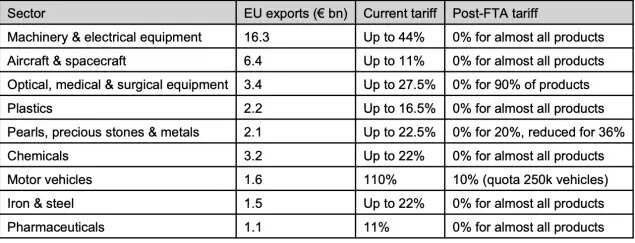
4. How does the agreement benefit EU industry? India will grant the EU tariff reductions that none of its other trading partners have received, dramatically improving market access for EU exports. For example, tariffs on cars will gradually go down from 110% to 10% with a quota of 250,000 vehicles a year. High tariffs of up to 44% on machinery, 22% on chemicals and 11% on pharmaceuticals will be mostly eliminated.Examples for EU industrial sectors that will benefit:
5. How does the agreement benefits EU farmers?The agreement removes or reduces often prohibitive tariffs (over 36% on average) on EU exports of agri-food products, opening a massive market to European farmers. Sensitive European agricultural sectors such as beef, sugar or rice will not be liberalised at all.Examples of EU agri-food sectors that will benefit:
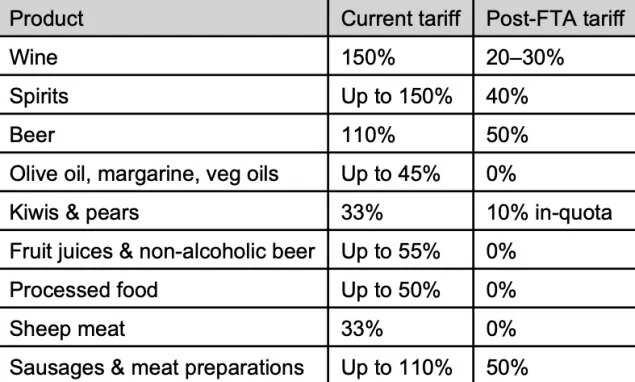
The EU and India are currently negotiating a separate agreement on Geographical Indications (GIs), which will help traditional EU farming products sell more in India, by removing unfair competition in the form of imitations.6. How will the agreement help EU service providers? The agreement will grant EU companies privileged access to the Indian services market, including key sectors such as financial services and maritime services. It has the most ambitious commitments on financial services by India in any trade agreement, going beyond what they have given to other partners.7. How will the agreement help small businesses? The deal has a dedicated chapter to help small businesses. They will be able to easily access all information on doing and setting up business in the EU and India. SME contact points will work on making trading easier for small companies. The tariff reductions, removal of regulatory barriers, transparency, stable and predictable rules will help companies import-export in a cheaper, simpler and more effective way.8. How will the agreement promote sustainable trade? Dedicated sustainability provisions will enhance environment and climate protection, promote the protection of workers’ rights and support women’s empowerment, strengthen dialogue and cooperation, ensure effective implementation mechanism.9. How will the agreement protect workers’ rights and women’s empowerment? The agreement requires respect for the core International Labour Organisation principles and includes legally binding commitments on issues such as decent working conditions, labour inspection, and responsible business conduct. It contains provisions on UN and ILO conventions advancing women’s economic empowerment and gender equality.10. How will the agreement support the green transition?Both the EU and India commit to work together on climate change issues and the sustainable management of natural resources and to work towards implementing agreements such as the Paris Agreement, the Convention on Biological Diversity and the Convention on International Trade in Endangered Species of Wild Fauna and Flora.11. How will the sustainability commitments in the agreement be enforced?Many of the commitments on Trade and Sustainable Development are legally binding and enforceable through a dedicated consultation mechanism. The mechanism will provide an avenue to address labour, environmental and gender equality issues in a sustainable and inclusive matter, so that improvement is achieved on the ground, and not just on paper.12. How will the deal avoid that products of non-Indian origin are imported into the EU through India just to benefit from the tariffs?The EU and India have agreed rules of origin that ensure that only products that have been significantly processed in one of the parties can benefit from the tariff preferences of the agreement. This will help avoid, that other countries simply export to India and reexport to the EU benefit of the tariffs.13. What does the FTA do to cut red tape?The EU and India agreed simplified procedures, to maintain a transparent and predictable regulatory environment and ensure quicker release of goods at customs. These will all make actual exporting/importing easier, quicker and cheaper. We also agreed with India to deepen cooperation on supply chain security and to strengthen risk management and controls at the EU border.14. How does the deal protect EU health and safety?All imports from India to the EU will continue to be subject to the EU’s strict health and product safety rules, with no exception. The EU is ensuring compliance through controls. Furthermore, the deal creates a framework to cooperate on strengthening policies and defining programs that contribute to the development of sustainable, inclusive, healthy and resilient food systems and to jointly engage in the transition towards sustainable food systems.15. How does the agreement promote digital trade?The chapter on digital trade contributes to a predictable, secure, and fair digital trade environment. It provides rules that build consumer trust and ensure legal certainty for business and support innovation while maintaining the right to regulate for public policy, privacy, and security and deepening EU-India cooperation in the digital economy.16. How does the agreement ensure the protection of intellectual property?The agreement provides a high level of protection and enforcement of intellectual property rights, including with respect to copyright, trademarks, designs, protection of trade secrets and undisclosed information, plant varieties. It also requires measures, procedures and remedies to ensure the enforcement of intellectual property rights.17. How does the deal help address disagreements on trade?The so-called “dispute settlement” mechanism will help avoid or settle efficiently any disagreement concerning the agreement. Independent panels will decide on the disputes. A pre-established list of experts will ensure that panels can start working quickly. Panel reports will be binding and can be enforced through suspension of concessions. All procedures and hearing will be fully transparent. Mediation is also possible, making the process even quicker.18. What needs to happen for the deal to start working?Here are the steps the EU still needs to take:
- Publish negotiated draft texts
- Legal revision and translation into all official EU languages
- Propose the agreement to the Council for the signature and conclusion
- Adoption by the Council
- Signing of the agreement between the EU and India
- European Parliament’s agreement to the deal
- The Council’s decision on concluding the deal
Once India also ratifies the Agreement, it can enter into force.


When you think of an investor, what kind of person comes to mind? What are their interests, their job? Are they an older man wearing a pin-striped suit and a bowler hat?
It might surprise you that the average investor age in the UK is 49 years old – down from 55 years old over the last five years.
And with more than 13 million DIY investor accounts in the UK, it’s likely that the average investor looks more like one of your mates than someone out of The Wolf of Wall Street.
The UK is historically quite wary of investing, and it’s been something that the financial industry and governments have been trying to tackle for years.
We’re starting to see the fruits of these efforts trickle through; latest Boring Money data reveals that DIY investing accounts grew over 19 per cent in the last year. Roughly one-third of the population now invests, up from about a quarter in 2020, and it’s becoming more mainstream by the day.
Start small, stay consistent – let the market do the work
It’s a common misconception that you need to have a lot of money to be an investor. The median amount invested by DIY investors is around £15,000, but you can start with as little as £1.
Neither does it have to be done in one big hit. Lots of providers allow you to set up regular investing – often £25 a month minimum, but a few let you regularly invest less.
Setting up these direct debits can also be a good idea – you drip feed into markets and average out the price which you buy at, so smoothing out any ups and downs along the way.
And you don’t have to be a maths genius or obsessively checking the markets – there are plenty of tools and account types that can do this for you.
Get a free fractional share worth up to £100.
Capital at risk.
Terms and conditions apply.
ADVERTISEMENT

Get a free fractional share worth up to £100.
Capital at risk.
Terms and conditions apply.
ADVERTISEMENT

Robo-advisors are automated, algorithm-driven financial planning and investment services requiring little to no human supervision. A typical robo-advisor asks questions about your financial situation and future goals when you set up the account, then will match you to one of their ready-made portfolios and automatically invest for you.
Find your investment “playlist”
If you don’t want to go down the robo-route, but aren’t sure which to pick, you can take a look at some of last year’s best-selling funds for inspiration. These four funds below appeared on multiple investment platforms’ best-selling lists every month in 2025.
They are all low-cost global collections of shares which are well diversified. Think of them like an investment playlist curated for you to serve up a bundle of shares in one easy-to-buy package.
The idea is that you can buy one product which is very broadly spread around lots of different companies which minimises the risk of any one thing going horribly wrong.
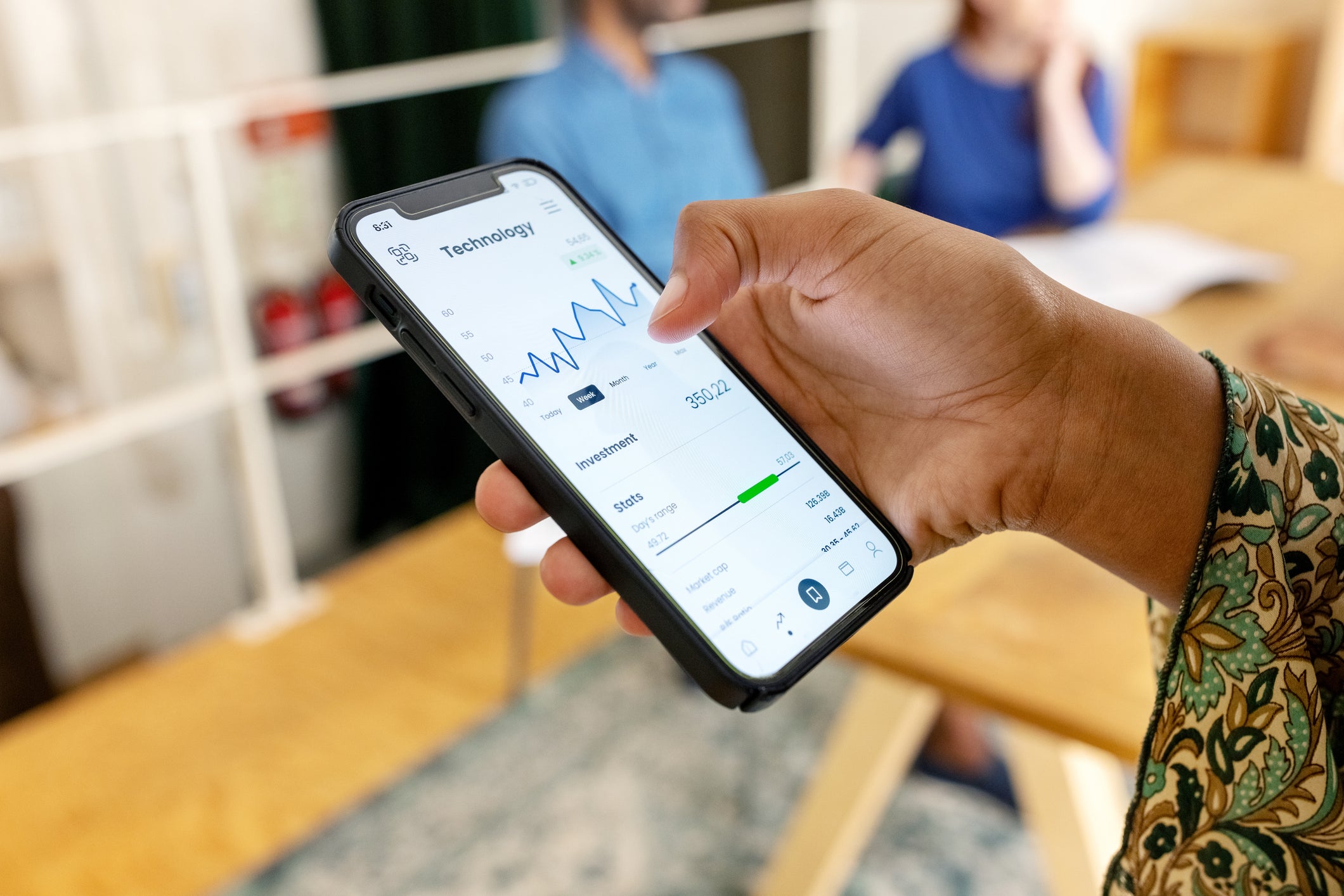
Fidelity Index World: a very cheap way to buy about 1,300 of the world’s largest companies in one go, pre-wrapped into one single investment product which costs about £1.20 a year for every £1,000 invested here.
HSBC FTSE All-World Index: a similar global option with over 3,000 companies and emerging markets too, so you get exposure to India, China and Brazil too, for example. Good if you don’t want too much exposure to the US.
Vanguard FTSE Global All Cap Index: a very diversified option. It has shares in about 7,000–8,000 companies with a small proportion in smaller companies, about 10 per cent in emerging markets, and slightly less in the US than some peers – a bit pricier than some trackers but still really good value – about £2.30 a year for every £1,000 invested here.
Vanguard LifeStrategy 100% Equity: one with a heavier British weighting – about 20 to 25 per cent invested in the UK.
Starting from scratch
If you’re a total beginner and want one of these global options to get started, you could compare platforms which will let you buy funds and won’t cost a lot for a small amount. Hargreaves Lansdown and AJ Bell are good options if you have small balances and want to buy a fund like the above. Or you can open an ISA with Vanguard and pop one of their ready-made ‘LifeStrategy’ funds into it.
If you prefer to buy and sell shares or exchange traded funds then Trading 212 and Freetrade are good low-cost ISA providers for smaller balances.
Investing has never been easier.
The average investor age is dropping, the amount you need to invest is low, and people are investing less, but more regularly. There are plenty of different platforms, things to invest in and ways to invest.
People talk about “time in the market, not timing the market” – that means if you’re in it for the long-haul, and can afford to invest small amounts regularly, you’ll be in a great place further down the line. The most important thing is to just get started and build up over time.
When investing, your capital is at risk and you may get back less than invested. Past performance doesn’t guarantee future results.
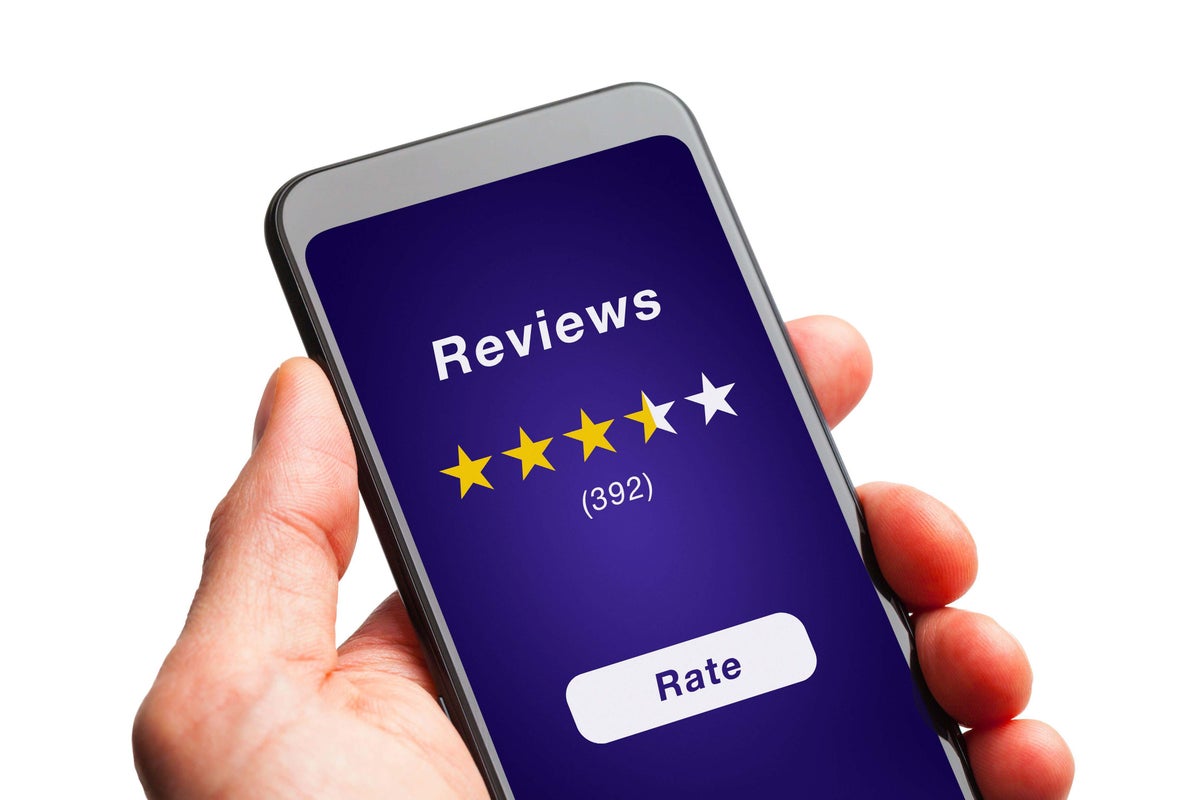
Britain’s competition watchdog has vowed to tackle fake and misleading online reviews “head on” as it launched investigations into firms including Just Eat and Autotrader.
The Competition and Markets Authority (CMA) said reviews are used by 90% of consumers when they buy over the internet and play a large part in the UK’s over £200 billion online retail sector.
But up to 50% of online reviews are fake, according to recent research by tech firm Truth Engine.
The CMA said its latest action against firms comes as part of a clampdown on fake and misleading reviews as shoppers increasingly rely on customer feedback when shopping online.
Emma Cochrane, executive director for consumer protection at the CMA, told the Press Association: “It’s so important that consumers can have trust in those reviews because we know that nine in 10 of us rely on them when we’re shopping, and that retail shopping in the UK is billions of pounds worth a year.
“It’s so important that consumers can have trust and confidence when they’re shopping online.”
Here are the CMA’s tips for spotting and avoiding fake reviews:
– Read the reviews
Shoppers often get taken in by five-star ratings without actually reading what people have to say about a product or service.
“You’ll be surprised at how many reviews sound dubious, overly vague or even totally unrelated to the item they’re supposedly endorsing,” the CMA said.
– Be alert to AI-generated reviews
Artificial intelligence (AI) can be used to make fake reviews sound fluent, polished and highly convincing.
“If a review feels a bit too slick, reads like it’s been perfectly crafted, or uses very similar wording to others, it may not reflect a real customer’s experience,” the CMA warned.
– Take a look at the other ratings
Look beyond the five-star ratings.
Three or four-star reviews are less likely to be fake, and they can be more useful to give a genuine, overall assessment.
– Check out multiple sites
Looking across several sites can help shoppers see patterns and provide a more consistent picture.
“Check a few different review sites. If you’re seeing the same kind of reviews coming up again and again, it’s more likely to be fake,” said Ms Cochrane.
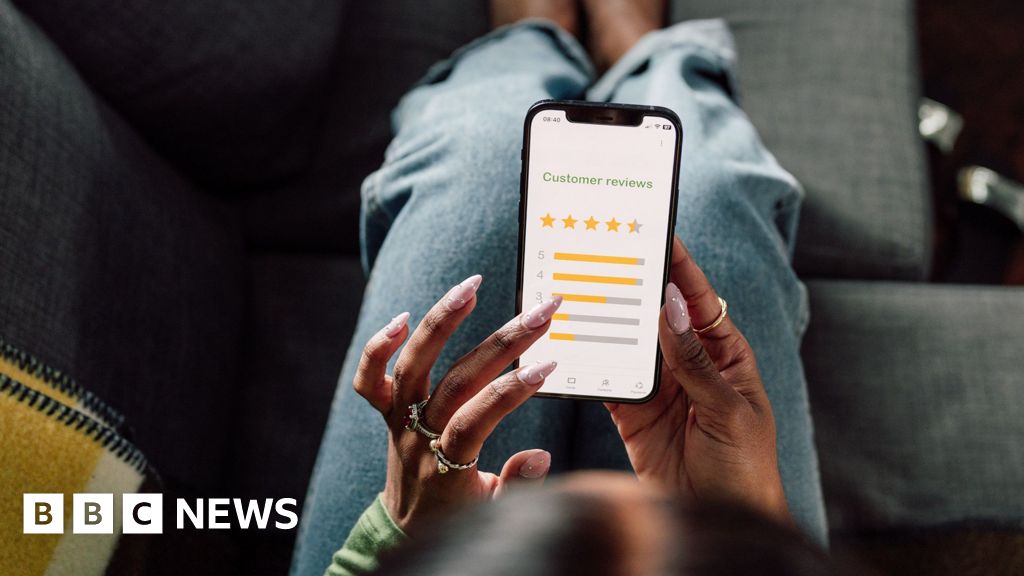
The UK’s competition watchdog says it is looking at five firms in its investigation into misleading online reviews.
Source link

It has never been easier to start investing. As more take advantage, should you?

Skip the TSA Line: Where to Find Travel by Bus, Train, and Boat

Illinois defense gets tough, ousts Houston to reach Elite Eight

-

 Entertainment1 week ago
Val Kilmer revived 1 year after death through AI
-

 Fashion6 days ago
China’s textile & apparel exports surge 17% to $50 bn in Jan-Feb 2026
-
 Business7 days ago
Flipkart group CFO to leave co amid IPO plans – The Times of India
-
 Business1 week ago
Video: The Effects of High Oil Prices
-

 Sports7 days ago
Rating Adidas’ 2026 World Cup away shirts: Argentina, Spain, Mexico and more
-
Tech1 week ago
The Corsair 4000D RS PC Case Keeps Your System Cool
-

 Sports7 days ago
American Conference Commissioner Tim Pernetti thanks Trump for Army-Navy game executive order
-

 Tech1 week ago
‘Uncanny Valley’: Nvidia’s ‘Super Bowl of AI,’ Tesla Disappoints, and Meta’s VR Metaverse ‘Shutdown’