

Business
‘India won’t sign any trade deal with a gun to head’: Piyush Goyal’s clear message amid talks with US, EU; ‘will reject restrictive conditions’ – The Times of India


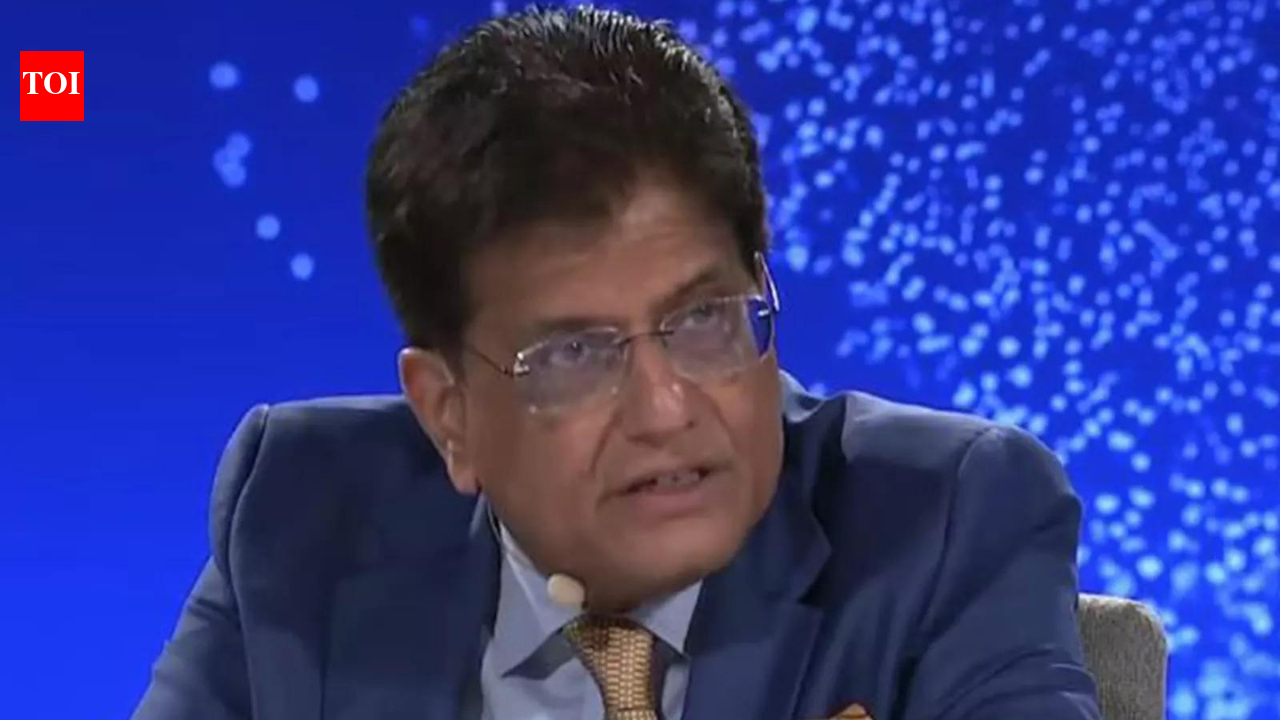
At a time when India is engaged with the US and European Union for trade talks, Commerce Minister Piyush Goyal has made it clear that no trade deal will be signed in a hurry. “We are in active dialogue with the EU. We are talking to the US, but we do not do deals in a hurry and we do not do deals with deadlines or with a gun to our head,” Goyal said at the Berlin Global Dialogue according to a Reuters report. Goyal said that India will not rush into any trade deals. He also said that any conditions that may be set by partner countries that restrict India’s trading options will be rejected.
The EU-India free trade agreement discussions continue, but there are unresolved matters concerning market accessibility, environmental protocols, and origin regulations. These negotiations have been ongoing for an extended period.Also Read | Trump’s sanctions on Russian oil: How Reliance, Nayara Energy earnings will be hit – explainedAlongside these talks, India is also actively pursuing trade deal discussions with several countries, including the United StatesGoyal’s comments come at a time when India is facing pressure from the Donald Trump administration and the European Union for its continued purchases of Russian crude oil. The US has imposed 50% tariffs on Indian exports to America, 25% of which are penal duties for India’s crude oil trade with Russia.The European Union, United Kingdom and United States are urging New Delhi to reduce its imports of Russian crude at discounted rates, which Western countries allege supports Moscow’s military operations in Ukraine.India has shown openness to procure US energy and diversify its crude basket, but has been firm on its right to decide the source of crude oil purchases based on the interests of Indian consumers.US President Donald Trump has claimed that PM Narendra Modi has committed to reducing Russian crude oil trade, but no official word on the same has come from India’s side. Meanwhile, Trump has this week imposed sanctions on two major Russian crude suppliers – Rosneft and Lukoil – a move that may eventually force China and India to reduce their procurement of Russian oil.Also Read | No oil from Russia soon? Trump sanctions to hit India’s crude imports; ‘all but impossible for flows to continue’



A key survey indicates growing doubt among shoppers over prospects for the UK economy in the next year.
Source link

Food delivery giant Just Eat, funeral firm Dignity and motor platform Autotrader are among five firms under investigation by the UK’s competition watchdog as part of its crackdown on fake and misleading online reviews.
The Competition and Markets Authority (CMA) said it had launched probes against the companies – also including customer review and feedback firm Feefo and Pasta Evangelists – to see whether consumer laws have been broken.
Since April last year, companies have been banned from certain tactics around online reviews under law, such as fake posts, paid-for reviews that are not clearly marked as incentivised, as well as for hiding negative feedback.
Sarah Cardell, chief executive of the CMA, said: “Fake reviews strike at the heart of consumer trust – with many of us worrying about misleading content when looking at reviews online.
“With household budgets under pressure, people need to know they’re getting genuine information – not reviews or star ratings that have been manipulated to push them towards the wrong choice.
“We’ve given businesses the time to get things right. Now we’re deploying our new powers to tackle some of the most harmful practices head on.”
The CMA said it was looking into whether Just Eat’s ratings system had inflated some restaurant and grocer star ratings, giving a misleading picture of quality.
For Autotrader and Feefo, the CMA is investigating whether a number of one-star reviews – moderated by Feefo, which handles reviews for the new and used car site – were hidden on the platform and did not count towards the star ratings.
Dignity is under investigation by the CMA into whether it asked staff to write positive reviews about the firm’s crematoria services.
And artisan fresh pasta chain Pasta Evangelists is being probed over allegations it offered customers discounts for leaving five-star reviews on delivery apps without this being disclosed.
If the CMA finds the firms have broken the law, it can order them to change their practices and fine them up to 10% of their annual global sales.
An Autotrader spokesperson said: “We endeavour always to operate as a responsible and compliant business and will co-operate fully with the CMA’s investigation.”
It comes after the CMA recently secured commitments from Google and Amazon to beef up their systems to identify and remove fake reviews.
Amazon last June agreed to put in place “robust processes” to quickly detect and remove fake reviews alongside sanctions for rogue sellers and businesses after an investigation by the CMA to curb the customer hazard.
The tech giant said it would sanction businesses that boost their star ratings via bogus reviews or catalogue abuse, including bans from selling on the website, while users could also be banned for posting fake reviews.
Consumer group Which? welcomed the investigations and said the CMA must “get tough” on firms found to be breaking the law with reviews.
Sue Davies, head of consumer rights policy at Which?, said: “Investigations are a welcome first step, but enforcement will be key – the regulator must be prepared to get tough, use its powers and issue serious fines if these companies aren’t playing by the rules.”
The CMA said it swept more than 100 review publishers as part of the clampdown and sent advisory letters to 54 firms to improve their compliance with the law, with 90% having made changes in response and 75% telling the watchdog they better understood the rules.
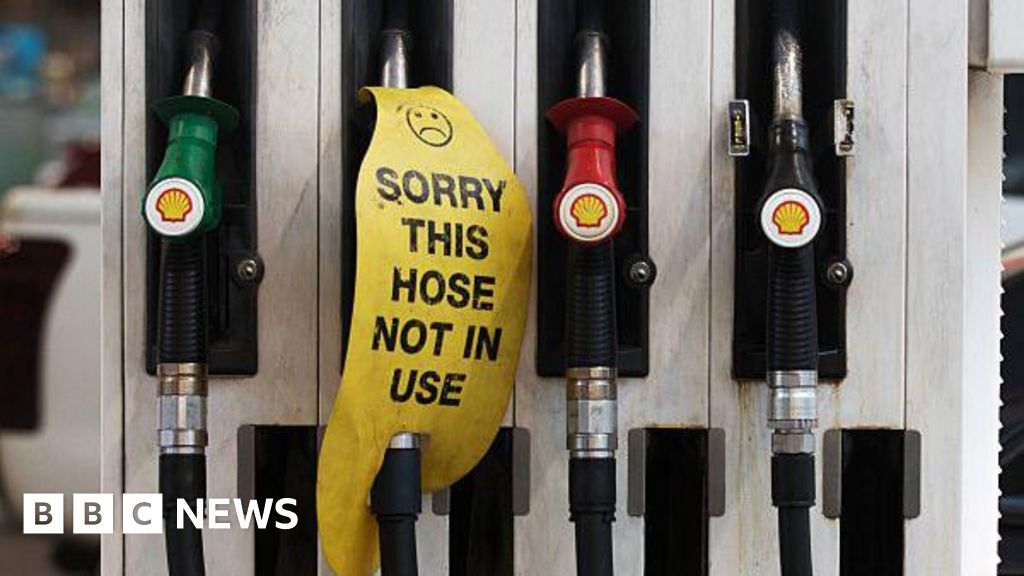
Anthony Albanese says nation’s supply remains “secure” amid reports of panic buying and shortages.
Source link

Consumer confidence hit by ‘ripple of fear’ over Iran war

Transfer rumors, news: Could Foden leave Man City this summer?

Germany’s ifo index drops to 86.4 in March as uncertainty weighs on

-

 Fashion1 week ago
Sales at US apparel, clothing accessories stores up 4% YoY in Jan 2026
-

 Entertainment1 week ago
Val Kilmer revived 1 year after death through AI
-
 Fashion1 week ago
US’ G-III Apparel’s FY26 sales fall 7% to $2.96 bn
-
 Business1 week ago
Brits cashing in jewellery as gold price hits record high
-

 Sports1 week ago
March Madness 2026 – How to watch in SA, start time, schedule, TV channel for NCAA championship basketball tournament
-

 Fashion6 days ago
China’s textile & apparel exports surge 17% to $50 bn in Jan-Feb 2026
-
 Business1 week ago
Video: The Effects of High Oil Prices
-
 Business6 days ago
Flipkart group CFO to leave co amid IPO plans – The Times of India