

Fashion
India’s GDP to grow 6.5% in FY26 driven by consumption & tax cuts: S&P

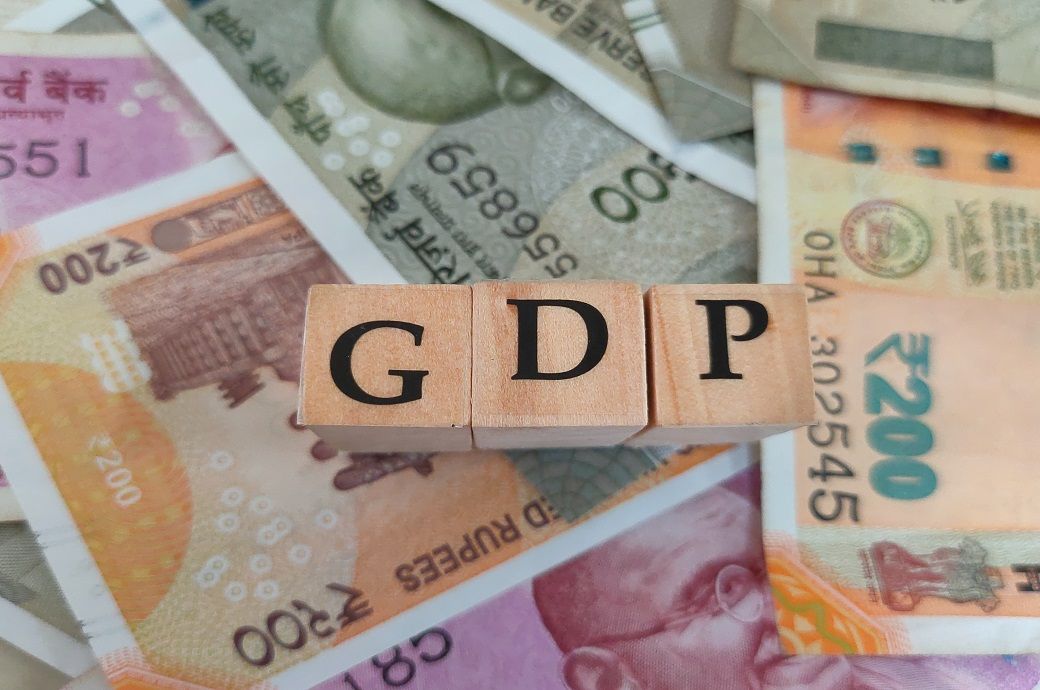
Recent reductions in goods and services tax (GST) rates, combined with income tax cuts and interest rate reductions this year, will strengthen middle-class consumption and support household spending. This shift toward consumption-led growth comes as India navigates capital outflows and currency weakness triggered by unexpectedly high US tariffs and delays in a formal trade deal.
Uncertainty is likely to ease once the US trade pact favourable to India comes into force, boosting confidence and aiding labour-intensive export sectors.
India’s GDP to grow 6.5 per cent in FY26 driven by resilient consumption boosted by GST cuts, lower taxes and reduced interest rates, according to S&P.
Asia-Pacific growth remains steady, with China’s exports outperforming and regional demand supported by tech shipments, policy easing and lower oil prices.
Currencies are expected to firm slightly by 2026.
Asia-Pacific
S&P’s report also presented a broader picture of Asia-Pacific growth dynamics. China’s GDP grew 4.8 per cent year-on-year in the third quarter of this year, surpassing expectations and nearing its 2025 growth target of about 5 per cent. The upside surprise came from strong export performance as Chinese firms redirected shipments to other markets amid sharply reduced exports to the US. However, domestic demand weakened, with investment slowing due to prolonged real estate stress, overcapacity in manufacturing, and tighter local government spending. S&P has revised China’s 2026 GDP forecast up to 4.4 per cent from 4 per cent following tariff reductions by the US.
Across the rest of Asia-Pacific, both exports and domestic demand held firm through the third quarter. Strong global demand for tech products such as semiconductors supported shipments, while emerging markets benefitted from resilient labour markets, lower oil prices and policy support, including interest rate cuts and fiscal easing in some economies.
GDP growth for Asia-Pacific for 2026 excluding China is expected to rise 0.2 percentage points to 4.2 per cent, with consumer inflation remaining low due to moderate energy prices and export diversification away from the US.
Monetary policy and inflation trends
In Japan, the new government is expected to continue fiscal easing aimed at reducing household living costs, especially for low-income households. This will help moderate inflation and strengthen real incomes in 2026.
The Bank of Japan is set to maintain its gradual tightening approach, with one more 25-basis-point rate hike expected in December and only one increase projected for 2026.
Australia is seeing a steady recovery in household spending supported by lower interest rates and rising housing prices, with consumption forecast to grow solidly next year.
Indonesia and the Philippines have experienced currency weakness driven by protests, lower interest rates and reduced capital inflows.
Meanwhile, South Korea, Taiwan and Japan have seen depreciation due to portfolio outflows and expectations of large US-linked investments under new trade pacts.
Japan’s currency is also influenced by Prime Minister Sanae Takaichi’s preference for looser monetary policy. In contrast, the Malaysian ringgit and Thai baht have stabilised, supported by investment inflows into sectors such as data centres and initiatives to repatriate export earnings.
S&P forecasts a mild appreciation of Asia-Pacific currencies against the US dollar by end-2026 as trade flows realign and external volatility eases.
Fibre2Fashion News Desk (CG)












The package establishes a modern framework for both sides, enabling frictionless access to a market of 460 million consumers in key sectors, delivering economic benefits to both parties.
European Commission President Ursula von der Leyen and Swiss President Guy Parmelin yesterday signed a broad package of agreements aimed at deepening and expanding EU-Switzerland ties.
By aligning standards and rules in closely integrated areas, it will provide legal certainty, simplify trade in goods like medical devices and food products, and ease cross-border supply for businesses on both sides.
By aligning standards and rules in closely integrated areas, it will provide legal certainty, simplify trade in goods like medical devices and food products, and ease cross-border supply for businesses on both sides of the border.
Additionally, it will ensure more consistent rules for individuals who live, work or study across the EU-Swiss border. Switzerland will contribute to the development of legislation in the areas covered by the package and will have the opportunity to influence these rules as they are being designed.
“By modernising and deepening our ties across key sectors, from trade and transport to health and energy—we are strengthening legal certainty, fostering innovation and creating new opportunities for our citizens and businesses,” von der Leyen said in a release from the Commission.
The package includes updates to four already existing agreements, which already give Switzerland access to the EU internal market, regarding air transport, land transport, the free movement of persons and mutual recognition of conformity assessment.
New agreements on food safety, electricity, health and Switzerland’s participation in the EU Agency for the Space Programme were signed. A new agreement introduced a permanent and fair financial contribution by Switzerland to economic and social cohesion within the EU.
Apart from a protocol on parliamentary cooperation, the package includes also a joint declaration on the establishment of a high-level dialogue on the broad bilateral package.
Fibre2Fashion News Desk (DS)

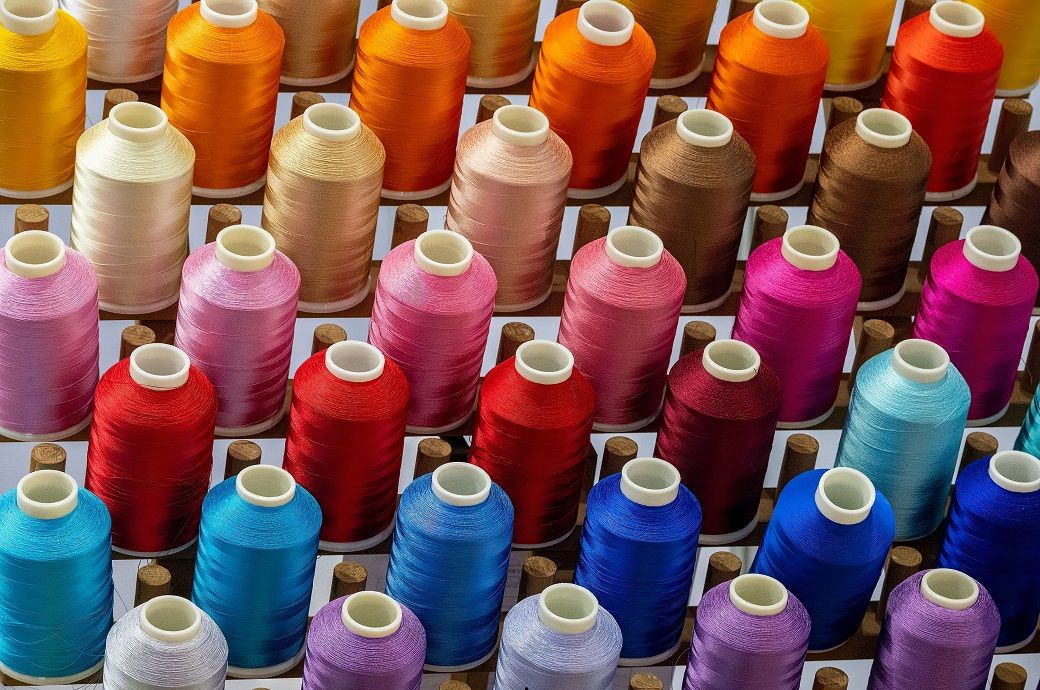
Following earlier increases in purified terephthalic acid (PTA), melt and PSF, Indian producers have now raised PFY prices. POY, FDY and PTY prices have been increased by ****;* per kg across all deniers and lustres with effect from March *, reflecting rapid cost pass-through amid heightened volatility in crude-linked value chains, according to the market sources.
In the previous weekly revision effective February **, ****, PTA was increased by ****;*.** per kg to ****;**.** per kg, while monoethylene glycol (MEG) was retained at ****;**.** per kg. Polyester melt prices were raised by ****;*.** per kg to ****;**.** per kg. Downstream PSF prices were also revised upward by ****;*.** per kg from March *.


These $500 Windows Laptops Show That the MacBook Neo Has Serious Competition

US Senate rejects bid to limit Trump’s Iran war powers

Sydney Leroux teases comeback after missing 2025 NWSL season

India Us Trade Deal: Fresh look at India-US trade deal? May be ‘rebalanced’ if circumstances change, says Piyush Goyal – The Times of India

What are Iran’s ballistic missile capabilities?

US arrests ex-Air Force pilot for ‘training’ Chinese military

-
Business6 days ago
India Us Trade Deal: Fresh look at India-US trade deal? May be ‘rebalanced’ if circumstances change, says Piyush Goyal – The Times of India
-
 Politics7 days ago
What are Iran’s ballistic missile capabilities?
-
 Politics7 days ago
US arrests ex-Air Force pilot for ‘training’ Chinese military
-
 Business1 week ago
Households set for lower energy bills amid price cap shake-up
-
 Business6 days ago
Attock Cement’s acquisition approved | The Express Tribune
-
 Fashion1 week ago
OECD GDP growth slows to 0.3% in Q4 amid mixed trends
-

 Fashion6 days ago
Policy easing drives Argentina’s garment import surge in 2025
-

 Sports1 week ago
Top 50 USMNT players of 2026, ranked by club form: USMNT Player Performance Index returns