

Politics
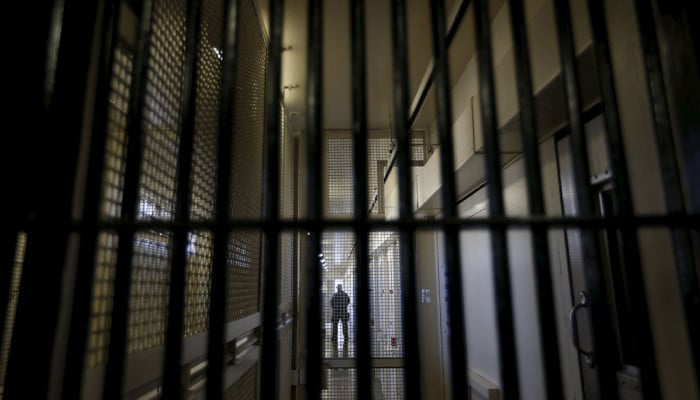
Indonesian women face jail over blasphemy charges

- Incident occurred after theft accusation at salon.
- Blasphemy law carries up to five years imprisonment.
- Police confirm both suspects admitted actions.
Indonesian police said Sunday they had arrested two women on blasphemy charges after a video showing one of them stepping on a Quran went viral on social media in the Muslim-majority country.
The two women, whose names and ages were not disclosed, were nabbed by police in Banten province this week and risk five years in prison if found guilty under Indonesia’s blasphemy law.
The law forbids anyone from making statements offending one of the country’s six official religions or trying to prevent someone from adhering to one of those religions.
The incident happened on Wednesday when a salon owner in Lebak, Banten, some 140 kilometres (87 miles) from the capital Jakarta, accused a guest of stealing her belongings.
When the woman denied it, the salon owner insisted she swear an oath while stepping on a Quran, and took a video.
“The person who stepped on the Quran, and the person who asked her to swear an oath, have both admitted what they did. Police have summoned them, and they have now been named as suspects,” Banten police spokesman Maruli Ahiles Hutapea told AFP.
The video of the incident spread like wildfire on social media, sparking public anger.
Rights groups have long campaigned against the blasphemy laws, which they say are frequently misused to target religious minorities.
Jakarta’s ex-governor Basuki Tjahaja Purnama, better known as Ahok, was jailed for nearly two years on blasphemy charges in 2017.
In 2024, a court sentenced a stand-up comedian to six months in prison after he made a blasphemous joke.
Indonesia is the country with the largest Muslim population in the world, with more than 240 million adherents.
- No trust in US due to experiences of previous wars: Ghalibaf.
- Says Iranian delegation “raised forward-looking” initiatives.
- US has to decide whether it can earn Iran’s trust in talks: Ghalibaf.
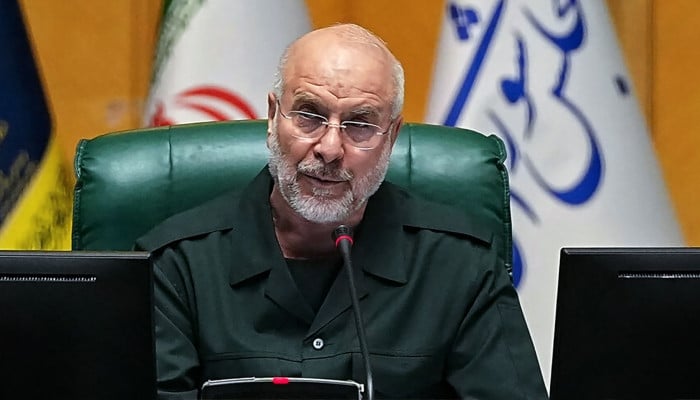
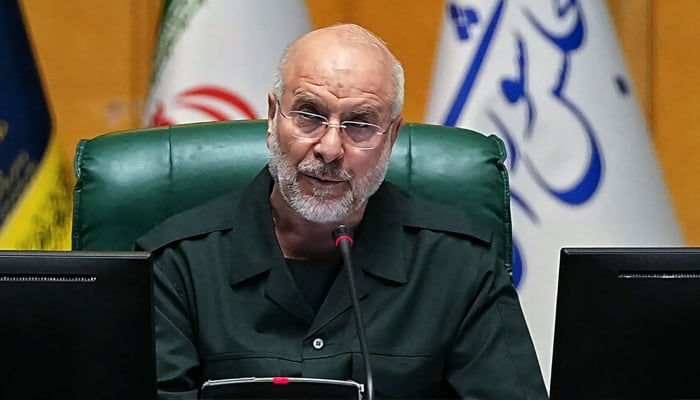
Iran’s Parliament Speaker Mohammad Bagher Ghalibaf, who was part of peace talks with the United States this weekend, on Sunday said that Washington was “unable” to win Tehran’s trust during the discussions.
“My colleagues in the Iranian delegation… put forward constructive initiatives but ultimately the other side was unable to gain the trust of the Iranian delegation in this round of negotiations,” Ghalibaf said in a post on X.
Delegations from the US and Iran held more than 20 hours of high-stakes talks in Islamabad starting Saturday, with Pakistan mediating after brokering a two-week ceasefire.
The talks ended without a deal, with US Vice President JD Vance stating that Tehran rejected Washington’s terms, which Iranian state media labelled “unreasonable”.
Addressing a press conference following the talks, Vance said negotiations with Iran covered a range of critical issues.
“The bad news is that we have not reached an agreement, and I think that’s bad news for Iran much more than it’s bad news for the United States of America,” Vance said.
“So we go back to the United States having not come to an agreement. We’ve made very clear what our red lines are,” he added.
Iran’s foreign ministry spokesman Esmail Baghaei later said that no one had expected Tehran and Washington to reach an agreement in a single meeting.
Meanwhile, Ghalibaf said that Iran had no trust in the “opposing side” before entering the negotiations due to the experiences of the previous two wars.
Ghalibaf maintained that Washington now faces a decisive moment. “America has understood our logic and principles, and now it’s time for it to decide whether it can earn our trust or not.”
He vowed that the Iranian delegation “will not for a moment cease” its efforts to consolidate Iran’s achievements during the six-week war.
Ghalibaf also acknowledged Pakistan’s crucial role in facilitating the talks and extended his regards to the Pakistani public.
He concluded his statement by praising both the Iranian public and negotiating team, citing public support and the intensity of the discussions.
“To my colleagues in these intense 21-hour negotiations, I say: well done… Long live and enduring be our dear Iran,” he said.
The conflict, which began on February 28 following joint US-Israeli strikes targeting Iran’s leadership and infrastructure, has resulted in more than 2,000 deaths and widespread regional instability.
Tehran responded with retaliatory operations, including the disruption of shipping through the Strait of Hormuz and attacks on Israeli and US bases in the region.
A ceasefire was announced on April 8, with Pakistan playing a central role in mediation between the two sides.
Washington then proposed a 15-point framework focusing on nuclear and missile issues, sanctions relief and reopening of the Strait of Hormuz, while Tehran has presented a 10-point plan seeking greater control over the Strait of Hormuz, transit fees, and comprehensive sanctions removal.
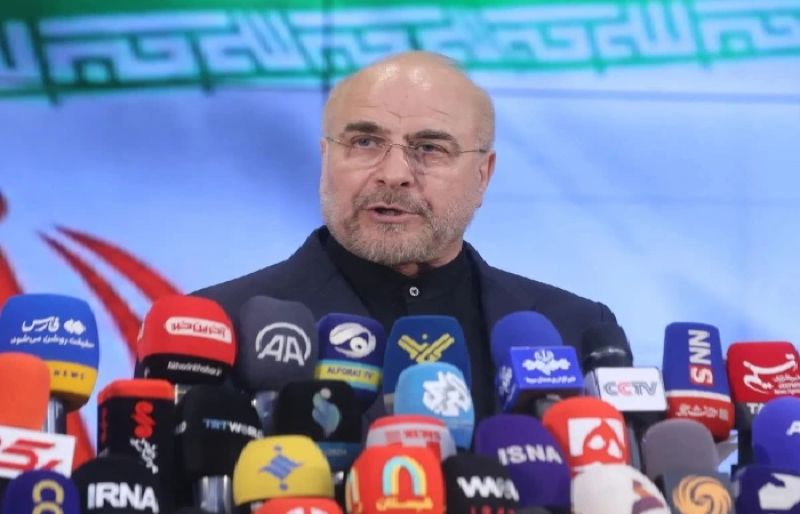
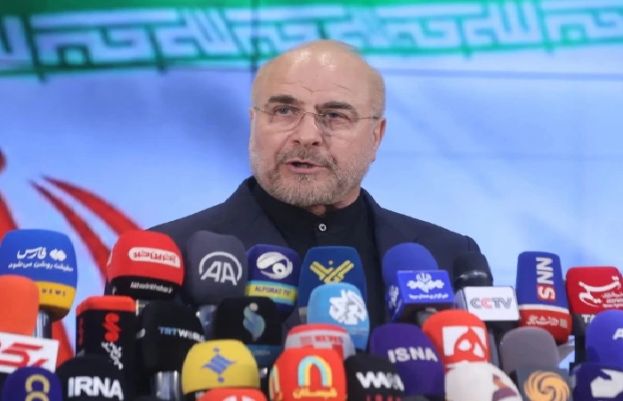
Iranian Parliament Speaker Mohammad-Baqer Qalibaf says Washington failed to win Tehran’s trust during negotiations in Pakistan seeking a conclusive end to the US-Israeli aggression against the Islamic Republic.
He made the remarks in an X post on Sunday after Iranian and US delegations failed to reach an agreement after more than 20 hours of negotiations in the Pakistani capital of Islamabad.
Qalibaf said that before the talks, he had emphasized that Iran has the necessary good-faith and will, but the country has no trust in the opposite side due to the experience of the two US-Israeli-imposed wars.
“My colleagues raised forward-looking initiatives, but the opposite side ultimately failed to win the trust of the Iranian delegation in this round of negotiations,” he added.
“The US has realized our logic and principles, and now it has time to decide whether it can earn our trust or not?”
The top legislator also noted that Iran pursues powerful diplomacy, alongside military force, for upholding the rights of the Iranian people.
Tehran, he emphasized, will spare no effort to consolidate the achievements of Iran’s 40-day national defense.
Qalibaf further appreciated the efforts of Pakistan, as a friendly and brotherly country, in facilitating the process of Iran’s negotiations with the US.
Meanwhile, he thanked the heroic Iranian nation for holding mass street rallies and supporting the negotiators upon advice by Leader of the Islamic Revolution Ayatollah Seyyed Mojtaba Khamenei.
After 40 days of unrelenting US-Israeli aggression that began on February 28, the US formally accepted Iran’s 10-point proposal on Wednesday as the foundation for a permanent ceasefire.
During the war, Iranian armed forces unleashed 100 waves of successful retaliatory strikes against sensitive and strategic American and Israeli targets throughout the region.
They also blocked the Strait of Hormuz to oil and gas tankers affiliated with the adversaries and those cooperating with them in an attempt to maintain security at the strategic waterway.
- About 30 boats due to set sail from Barcelona.
- More vessels expected to join along way.
- Israel denies withholding supplies for Gazaians.
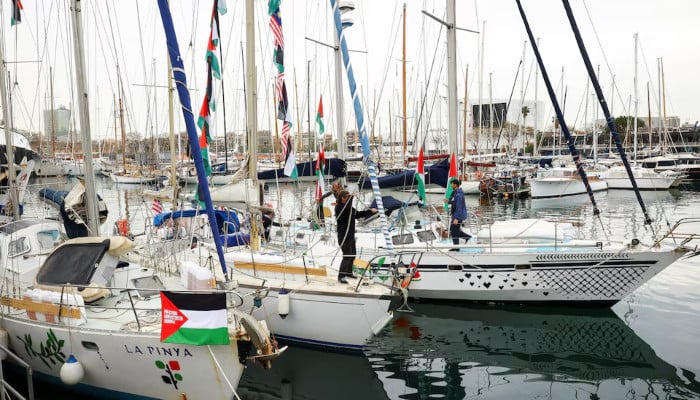
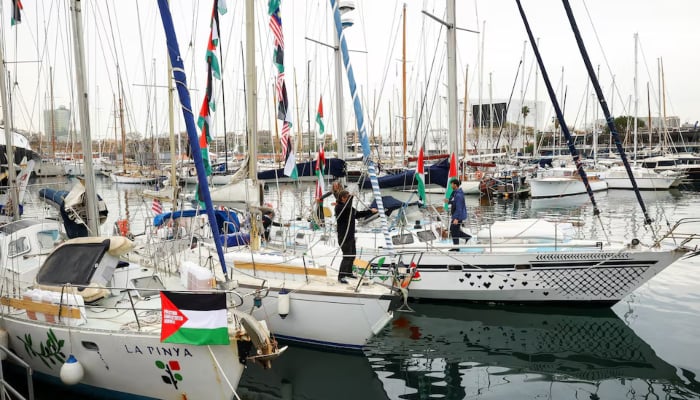
A second flotilla carrying humanitarian aid to Palestinians in Gaza was due to set sail on Sunday from the Spanish port of Barcelona to try to break the Israeli blockade.
About 30 boats planned to leave the Mediterranean port city laden with medical aid and other supplies on the Global Sumud Flotilla, and more vessels are expected to join along the route towards Palestine.
The Israeli military halted the roughly 40 boats assembled by the same organisation last October as they attempted to reach blockaded Gaza, arresting Swedish activist Greta Thunberg and more than 450 other participants.
Mission to ‘open humanitarian corridor’
Israel, which controls all access to the Gaza Strip, denies withholding supplies for its more than 2 million residents. Yet Palestinians and international aid bodies say supplies reaching the territory are still insufficient, despite a ceasefire reached in October which included guarantees of increased aid.
Liam Cunningham, an actor who starred in the Game of Thrones television series who is supporting the flotilla but not taking part, told Reuters: “Every kilogram of aid that is on these ships is a failure because all these people on these ships giving up their time to help their fellow human beings are doing what their governments are legally obliged to do.”
The World Health Organisation has said that even during armed conflicts, states are obligated under international humanitarian law to ensure that people are able to reach medical care in safety.
“This is a mission that aims to open a humanitarian corridor so the aid delivery organisations can arrive,” Saif Abukeshak, a Palestinian activist and member of the flotilla’s organising committee, told Reuters.
Swiss and Spanish activists on last year’s flotilla said they were subjected to inhumane conditions during their detention by Israeli forces — an allegation that was rejected by an Israeli foreign ministry spokesperson.


UFC 327 takeaways: Ulberg blew out his knee, but Procházka blew his title chance

4/12: Sunday Morning – The Money Issue

American Girl: Celebrating girl power

-

 Entertainment1 week ago
Joe Jonas shares candid glimpse into parenthood with Sophie Turner
-

 Tech1 week ago
Our Favorite iPad Is $50 Off
-

 Fashion5 days ago
India’s exports face reset as EU links trade to carbon metrics: EY
-

 Sports1 week ago
UConn Final Four run could trigger a $50M furniture giveaway for Massachusetts-based Jordan’s Furniture
-

 Entertainment1 week ago
Blake Lively reacts to harassment claims dismissal against Justin Baldoni
-

 Politics1 week ago
Iran can sustain Strait of Hormuz closure for years, will cut US military logistics: Official
-

 Entertainment1 week ago
Barbie Ferreira reveals where she stands with ‘Euphoria’ girls after exit
-

 Politics1 week ago
Trump confirms rescue of airman whose F-15 was downed in Iran