Politics
Inside view from Tehran: Protests, inflation and Mossad
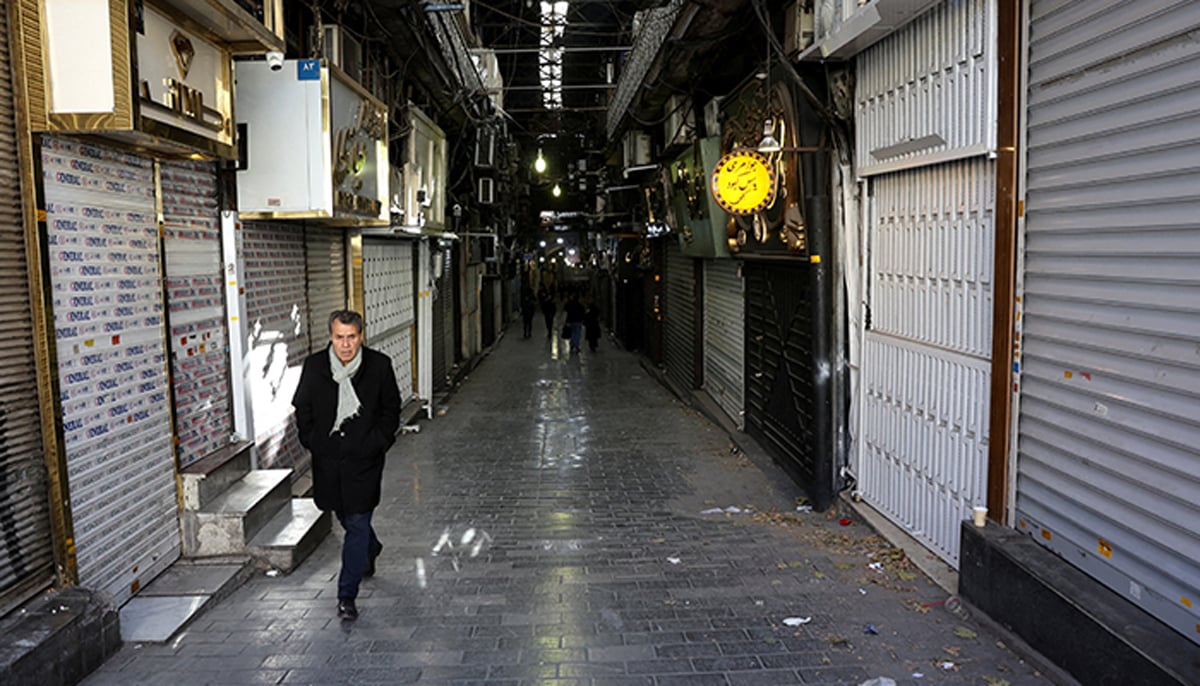
Iran has been grappling with its major demonstrations since 2022, driven by economic grievances, with its currency losing half its value against the US dollar last year and inflation topping 40% in December.
The protests pose the biggest internal challenge in at least three years to Iran’s rulers, who look more vulnerable than during past bouts of unrest after last year’s war with Israel and the United States.
Adding to the distress, US President Donald Trump has repeatedly threatened military action over Tehran’s what he says “severe crackdown” on the protests. Furthermore, Trump announced that any country doing business with Iran will face a new tariff of 25% on its exports to the US.
However, the country’s Foreign Minister Abbas Araqchi dismissed the threats, saying Iran is “ready for war but also for dialogue”.
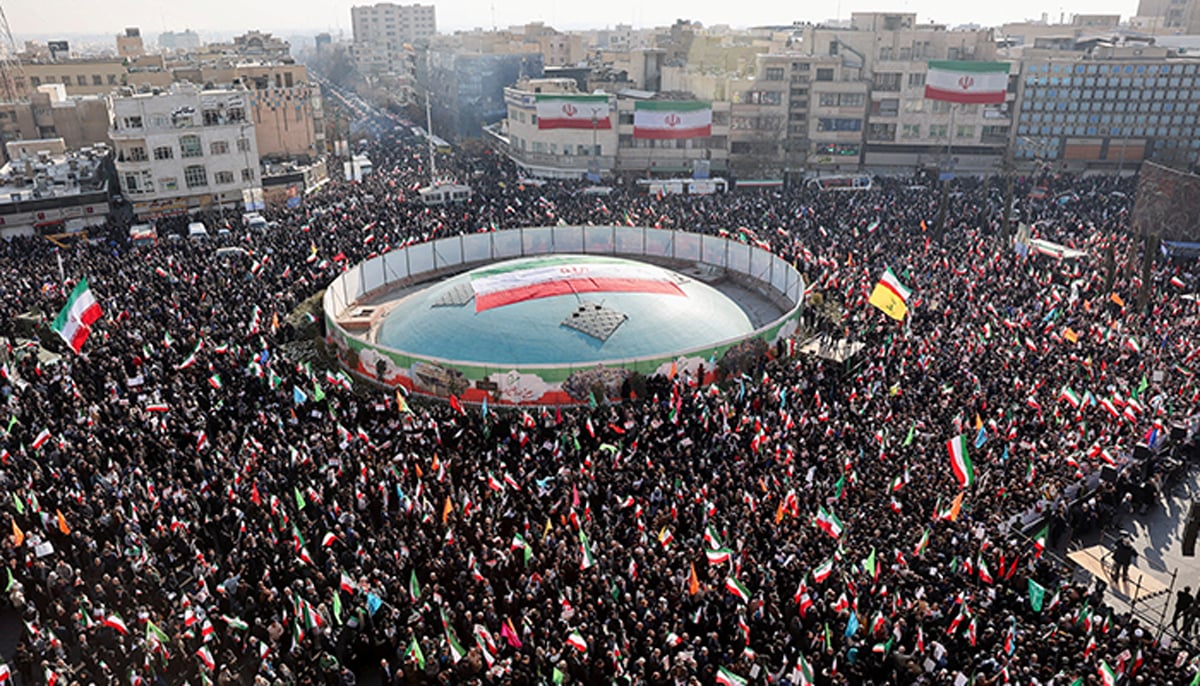
In a sign of the severity of the crisis, the Iranian authorities have imposed an internet blackout lasting more than three-and-a-half days. Moreover, they also sought to regain control of the streets with mass nationwide rallies.

Muhammad Hussain Baqeri, an international affairs expert, appeared on Geo News programme ‘Aaj Shahzeb Khanzada Kay Sath’ on Monday, and provided an inside view of the ongoing situation in Iran.
‘Regime change operation’
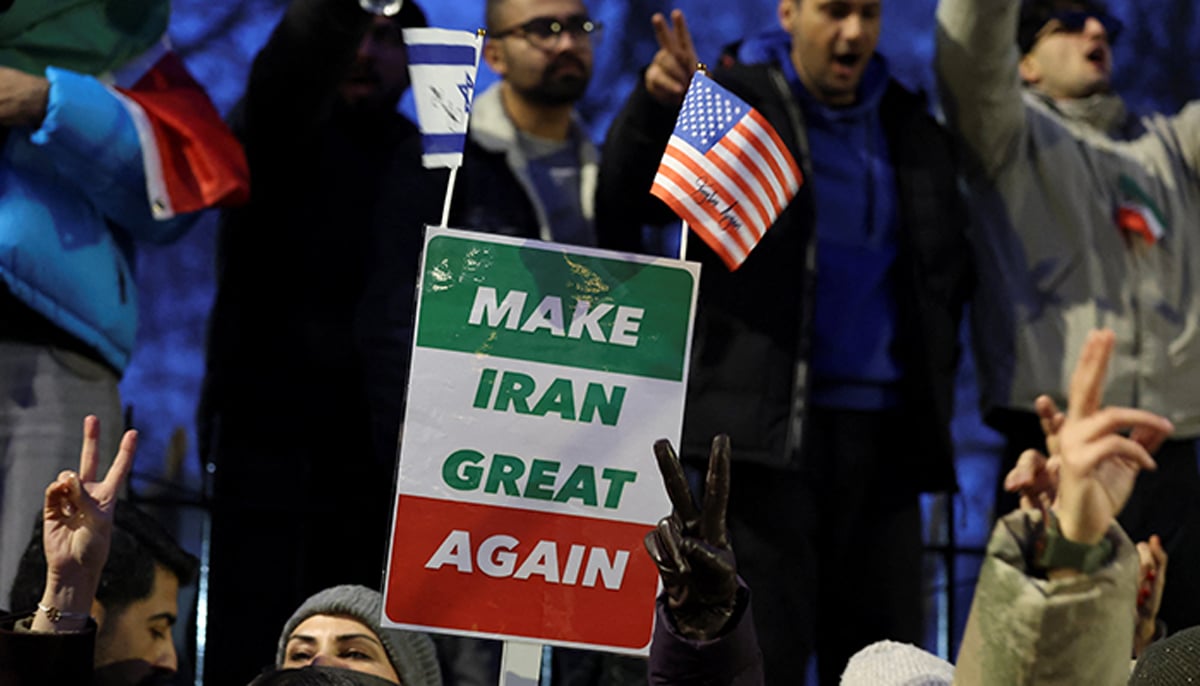
When asked about the ground situation, Baqeri said that Reza Pahlavi, the son of the former Shah of Iran — who resides in Washington — announced a protest call on January 8 and 9. “However, the main objective of protests wasn’t about inflation; they were aiming for regime change in Iran,” he added.
Referring to the protests on Thursday and Friday, he estimated that the crowds were in the thousands — more than 10,000 but fewer than 15,000. “During the 8pm to 10pm window, many people joined, and it was a very peaceful protest,” he said.

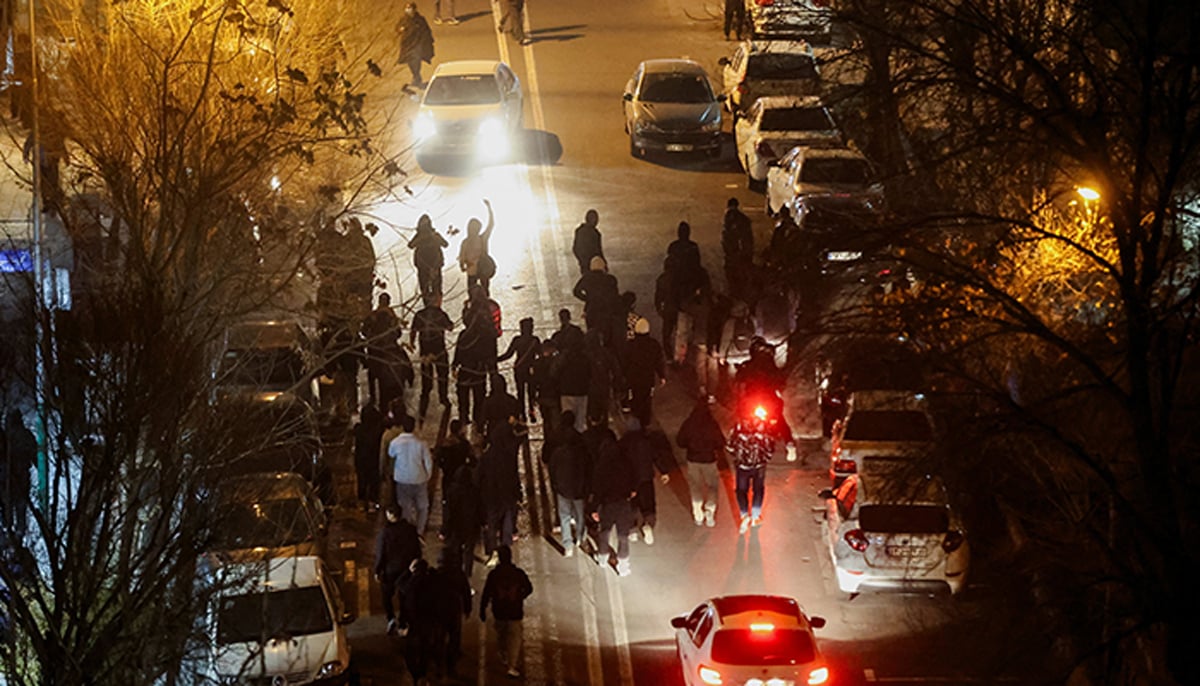
“However, after 10pm, I saw individuals from terrorist organisations emerging from within the crowds. They had military-grade weapons and started shooting. They then started setting fire to banks, mosques, and police stations,” he said.
Baqeri acknowledged the anger among Iranian people over the rising cost of living, saying that on January 3, the dollar rate increased by 35% in a single day, reaching 140,000 Iranian Rial.
“The government is acknowledging their right to protest, but there is a big difference between a protest and a riot,” he added.
However, the expert claimed that common Iranians do not own guns. “If someone has a gun in Iran, it’s either because they are a member of a high-level security organisation or they belong to a terrorist group.”
Speaking about the destruction caused during the protests, Baqeri said that at least 150 ambulances, 50 mosques and seven fire engines were torched across Iran. Moreover, he added, at least 40 banks, police stations and Red Crescent centres were attacked.
“The Iranian people do not burn mosques. No matter how angry they are with the regime or the government, they are Muslims and do not burn mosques.”
‘Mossad agent arrested’
Baqeri further said that a terrorist linked to the Israeli spy agency, Mossad, was captured in Iran, who during an interview alleged that they were trained to “shoot for the head”, whether the targets were security forces or civilians.
“They wanted ‘dead bodies’ to show Trump and Netanyahu so they could claim the government is massacring its people and demand intervention. This happened on Thursday and Friday,” he added.
“But on Monday, the government called for a counter-rally. I went to Inqalab Square and Azadi Square; people were there with Qurans in their hands. There were likely more than 300,000 to 400,000 people. It’s hard to count, but the footage shows a sea of people,” Baqeri added.
Trump threats
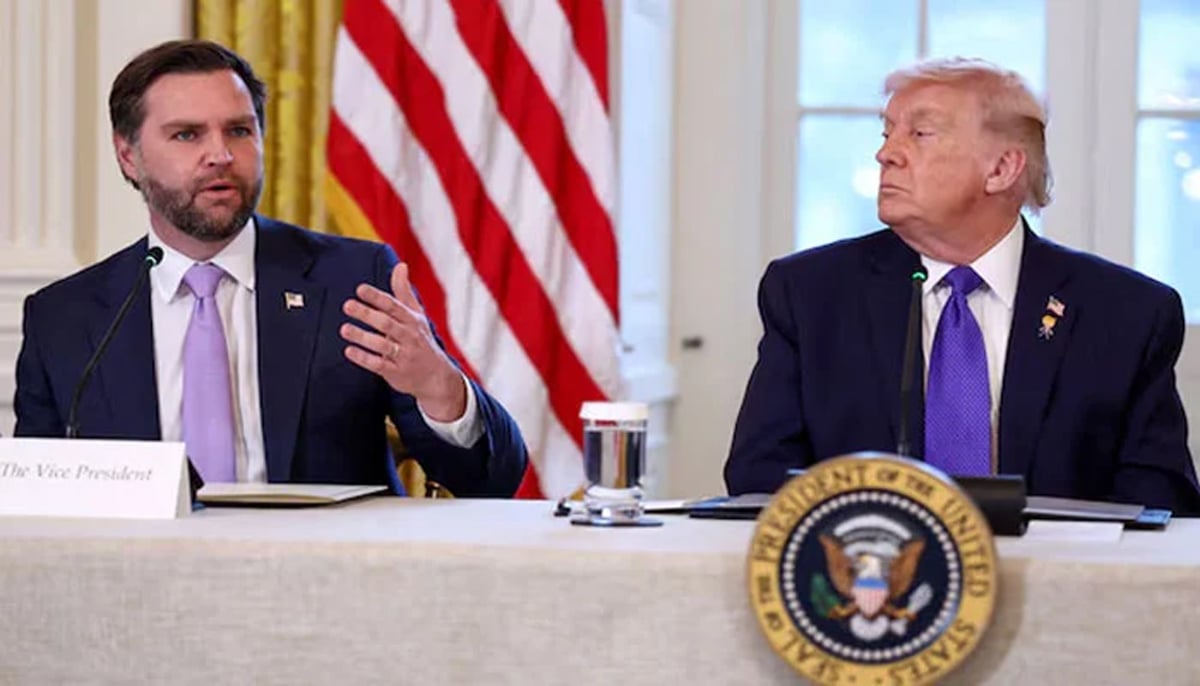
Responding to a question about Trump’s threat of strikes and a “Venezuela-style” operation, the expert said that the United States has two options if it wants to attack Iran.
“One is air strikes, which they already attempted last June. They used state-of-the-art B-52 and B-5 bombers, and Israeli F-16s hit various locations,” he said, questioning whether these strikes resulted in regime change.
He expressed doubt over another airstrike attempt in Iran, saying that if the US and Israel want regime change, they need “boots on the ground”.
However, he said, Iran is 1.7 million square kilometres of land with a population of 90 million. Out of that, about 15 to 20 million are part of Iran’s Revolutionary Guard.
“If they couldn’t wipe out Hamas in Gaza — which is a much smaller organisation — how will they manage boots on the ground in Iran? I don’t think President Trump would want to see a graveyard for American soldiers in Iran.”
Iran’s response to threats
Furthermore, Baqeri said Iran has warned that it will respond forcefully — including through possible preemptive action — if it becomes certain that a military attack is imminent, with Israel and US interests across the region likely to be targeted.
He said Tehran has made its position clear that any assault would trigger a wider regional conflict, adding that Iran would strike Israel with ballistic missiles and target American military and strategic interests, including US naval assets, which he claimed were within missile range.
Baqeri warned that any decision by Trump to launch an attack would have serious consequences and could plunge the entire region into a large-scale war. However, he said he did not believe Washington would move towards a direct military strike at this stage, though he alleged that attempts to create internal unrest in Iran through covert operations could continue.
According to the expert, the regime change in Iran remained a distant possibility.
‘Major surgery’
Addressing Iran’s internal situation, Baqeri said public frustration was growing due to soaring inflation, a weakening currency and rising unemployment. He noted that for the first time in two decades, Iran’s parliament had rejected the government’s budget, reflecting the severity of economic pressures.
The assembly, he said, had asked the Iranian president to revise the budget and align salary increases with inflation, adding that a new budget is expected within weeks, likely including a 40% to 45%.
He further said the Iranian government is preparing what he described as “major surgery” on the economy, particularly by reforming the currency system.
Baqeri pointed out that multiple exchange rates for the dollar — used separately for food, imports and exports — had fuelled widespread corruption. He said the government is now attempting to narrow the gap between the subsidised and open market exchange rates, which could help reduce corruption and provide some economic relief.
However, he cautioned that Iran was currently facing serious economic challenges and that managing the situation would not be easy.
— With additional input from AFP and Reuters