

Fashion
Italy’s Brunello Cucinelli surpasses $1 bn in 9M 2025 revenues

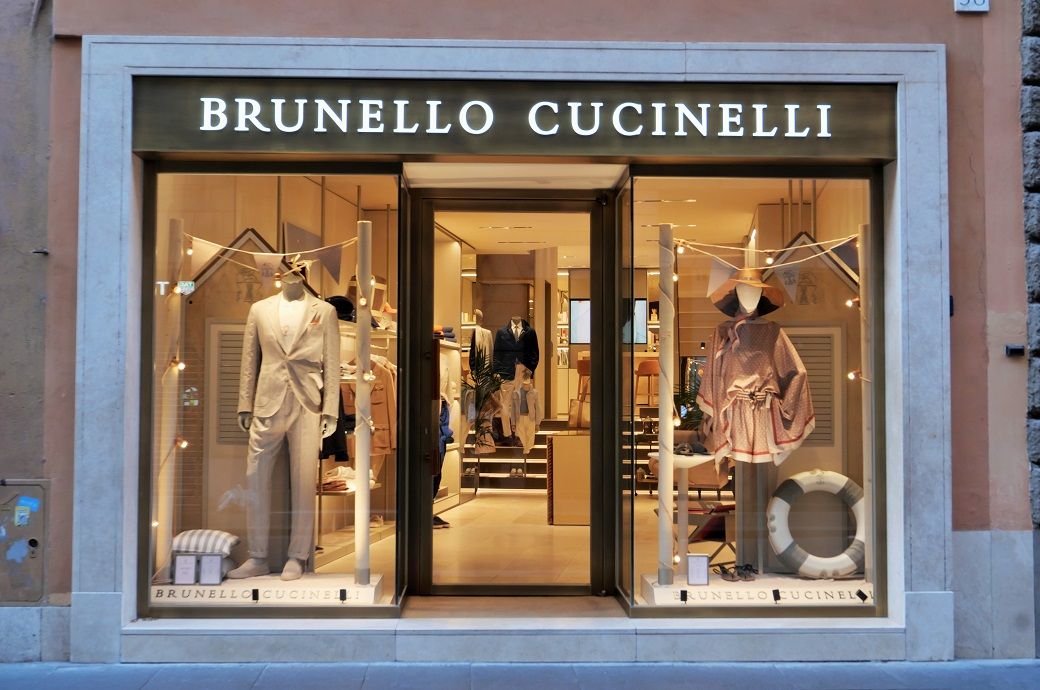
Region-wise, Europe generated €370.6 million (+8.9 per cent), driven by domestic demand and luxury tourism, particularly from American clients. The Americas contributed €365.6 million (+9.2 per cent), with directly operated stores and luxury department stores performing strongly. Price adjustments offset new US tariffs without weakening demand. Asia posted the highest growth of 15.6 per cent to €283.4 million, with China maintaining double-digit momentum supported by the new Shanghai Pudong boutique, alongside positive contributions from Japan, South Korea, and a new Abu Dhabi opening.
Brunello Cucinelli has reported revenues of €1,019.6 million (~$1.19 billion) in the first nine months of 2025, up 10.8 per cent YoY.
Growth was broad-based: Europe rose 8.9 per cent, Americas 9.2 per cent, and Asia 15.6 per cent, led by China and new boutiques.
Retail gained 11.4 per cent, wholesale 9.7 per cent.
The group expects ~10 per cent growth in 2025 and 2026.
Retail revenues rose 11.4 per cent to €644.8 million, accounting for 63.2 per cent of the total, boosted by new boutiques and solid like-for-like growth. Wholesale advanced 9.7 per cent to €374.8 million, with around 400 prestigious multi-brand partners ensuring healthy sell-through. Orders for Spring-Summer 2026 closed with excellent results, Brunello Cucinelli said in a press release.
Inventory levels stood at 28.2 per cent of sales as of June 2025, consistent with the ready-to-wear model and historical averages, while being positioned as a creative resource to fuel prototyping and innovation. Exposure to Russia declined to 1.4 per cent of revenues (€14.8 million), with flagship stores closed due to sanctions but employees retained.
“We closed the first nine months of the year with excellent results in terms of turnover, with growth of 10.8 per cent at current exchange rates (11.3 per cent at constant exchange rates) and, given the quality of sales, we believe the same applies in terms of profit; we feel that the image of the brand clearly conveys how we seek to live and work,” said Brunello Cucinelli, executive chairman and creative director of the group. “Milan’s Women’s Fashion Week has now come to an end: our collection received extremely positive reviews for style, craftsmanship, quality, and exclusivity, and we are, of course, very pleased with this.”
In the third quarter (Q3) of 2025, revenues reached €335.5 million (~$392.5 million), up 12 per cent, with retail growing 13.9 per cent and wholesale 9.0 per cent. Growth remained broad-based across regions, supported by boutique openings in Abu Dhabi and Shanghai, strong demand for the Fall/Winter 2025 collection, and highly positive reception of Spring/Summer 2026. The company also prepares to launch an enhanced online boutique by year-end.
Brunello Cucinelli expects to close 2025 with revenue growth of around 10 per cent, supported by the strong sell-out of the Fall/Winter 2025 collection and balanced global performance.
With two new openings and two expansions planned in the final quarter, growth is expected to remain well-distributed across regions and channels. 2025 also marks an important investment year, with the 2024–2026 Made in Italy plan completed ahead of schedule and the Solomeo factory expansion securing capacity until 2035.
Looking ahead, the strong order intake and positive reception of the Spring/Summer 2026 collection reinforce management’s confidence in achieving a further 10 per cent revenue increase in 2026, accompanied by healthy and balanced profits, added the release.
Fibre2Fashion News Desk (SG)












Bangladesh think tank Centre for Policy Dialogue has called for major reforms in business environment, tax collection, trade deals and FDI management, cautioning that the country’s post-election economic transition may be at risk without evidence-based decisions and strong accountability.
A CPD study identified ‘leaking revenue’ as the weakest area across all decision-making indicators.
Source link
The downward movement remained closely tied to crude oil dynamics, which continue to shape industrial cost structures across energy-intensive sectors. Average North Sea Brent crude prices stood at nearly €55 per barrel in January 2026, representing a drop of more than 27 per cent from a year earlier. In comparison, December prices averaged €52.5 per barrel, marking an annual decline of almost 25 per cent, CBS said in a press release.
Dutch manufacturing output prices fell 1.9 per cent YoY in January 2026, extending December’s decline as lower crude oil costs weighed on industrial pricing.
Brent prices dropped over 27 per cent annually, pulling petroleum derivative prices down 15.8 per cent.
However, producer prices rose 0.9 per cent MoM, supported by export and domestic market gains.
Petroleum-derived products registered a sharper contraction in line with weaker crude benchmarks. Prices for petroleum derivatives fell 15.8 per cent YoY in January, following a 12 per cent decrease in December, underscoring persistent softness in refined energy product pricing.
Despite the annual decline, producer prices showed sequential improvement at the start of the year. Overall manufacturing output prices increased 0.9 per cent in January from the previous month, indicating short-term pricing stabilisation across industrial segments.
The monthly uptick was led by export markets, where prices rose 1.2 per cent, while domestic market prices increased 0.6 per cent. The divergence between YoY declines and MoM gains highlights the continued influence of last year’s elevated energy base alongside emerging signs of near-term price recovery.
Fibre2Fashion News Desk (SG)
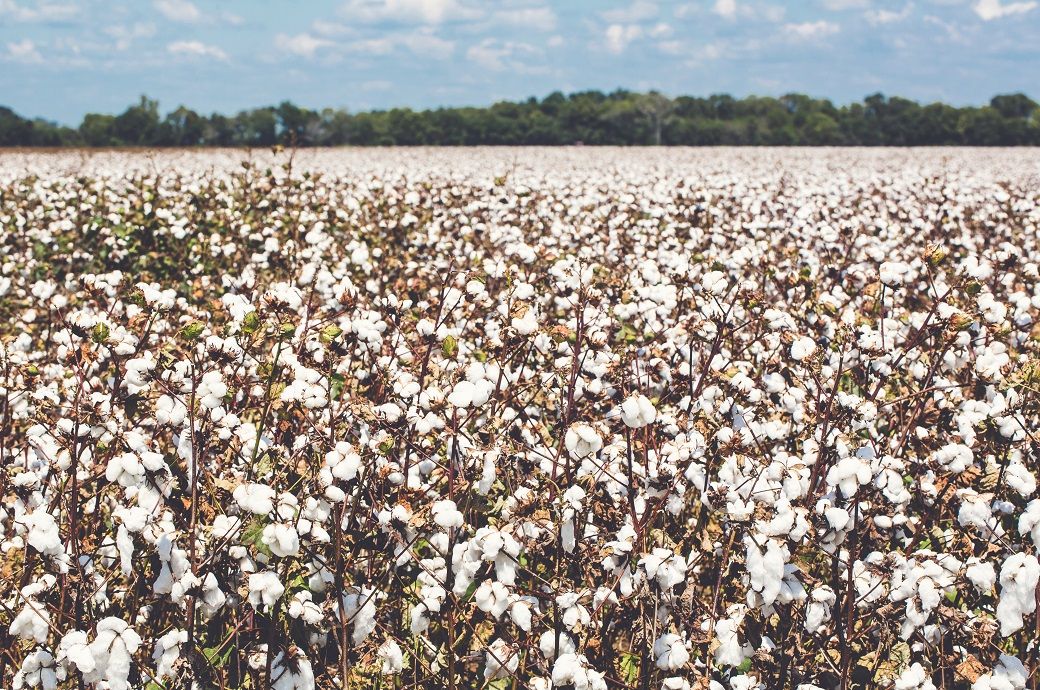
Regional adjustments are anticipated to drive the contraction. Cotton acreage across the southern United States is expected to transition towards soybeans amid improved profitability prospects, while irrigated cotton areas in the Plains are likely to shift towards corn production as producers rebalance crop rotations and manage input cost pressures, CoBank said in an article by Tanner Ehmke and Emmie Noyes.
Slower US cotton export momentum to China, intensifying competition from Brazil and Australia in global markets, and continued substitution by manmade fibres have collectively restrained price recovery, limiting growers’ willingness to expand cotton area.
US cotton planted area is forecast to decline for a second straight year to about 9 million acres in 2026, down 3 per cent year on year, reflecting weak price competitiveness.
Acreage shifts towards soybeans and corn, slower exports to China, rising competition and fibre substitution are weighing on plantings.
Meanwhile, farm support payments are expected to stabilise the overall acreage decline.
Despite the projected decline, policy mechanisms are expected to provide a degree of support. Base acreage payments under farm support programmes are likely to cushion the adjustment, helping stabilise cotton plantings and preventing a sharper contraction in the 2026 season.
Fibre2Fashion News Desk (SG)


Will petrol and diesel prices go up now?

Bangladesh’s CPD calls for reforms in biz & tax climate, trade deals

Iran says has ‘no choice’ but to fight back, holds no enmity toward American people

Pakistan carries out precision strikes on seven militant hideouts in Afghanistan

Eye-popping rise in one year: Betting on just gold and silver for long-term wealth creation? Think again! – The Times of India

These Cheap Noise-Cancelling Sony Headphones Are Even Cheaper Right Now

-
 Politics1 week ago
Pakistan carries out precision strikes on seven militant hideouts in Afghanistan
-
Business1 week ago
Eye-popping rise in one year: Betting on just gold and silver for long-term wealth creation? Think again! – The Times of India
-
 Tech1 week ago
These Cheap Noise-Cancelling Sony Headphones Are Even Cheaper Right Now
-

 Entertainment1 week ago
Viral monkey Punch makes IKEA toy global sensation: Here’s what it costs
-

 Sports1 week ago
Kansas’ Darryn Peterson misses most of 2nd half with cramping
-

 Sports1 week ago
How James Milner broke Premier League’s appearances record
-
Sports1 week ago
Mike Eruzione and the ‘Miracle on Ice’ team are looking for some company
-
 Entertainment1 week ago
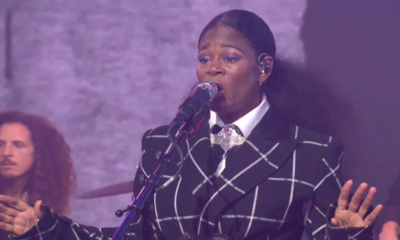
Saturday Sessions: Say She She performs "Under the Sun"