

Fashion
ITMA ASIA + CITME 2025 returns to Singapore after 20 years


The four-day exhibition has attracted the participation of major textile machinery brands from around the world. Over 840 exhibitors from 30 countries and regions are showcasing their latest technologies and solutions to trade visitors from Asia’s leading textile and garment manufacturing hubs.
ITMA ASIA + CITME 2025 opens at Singapore Expo, marking its return after 20 years.
The four-day show features 840 exhibitors from 30 countries across 19 sectors, showcasing innovations in sustainability, digitalisation, and productivity.
Highlight sectors include finishing, spinning, and knitting, with a Sustainability Forum on October 30.
Occupying over 70,000 square metres of gross space, the exhibition features 19 product sectors, covering the entire textile and garment manufacturing value chain. Spotlighting solutions that advance sustainability, digitalisation and productivity, exhibits range from spinning, weaving and knitting to garment making, textile processing to automation, recycling and other products and services.
Owned by CEMATEX (the European Committee of Textile Machinery Manufacturers), ITMA ASIA returns to Singapore after 20 years. It was first held at the Singapore Expo in 2001 and repeated in 2005.
Combined with CITME, a textile machinery exhibition owned by the China Textile Machinery Association (CTMA) and The Sub-Council of Textile Industry, CCPIT TEX since 2008, the combined exhibition is staged outside of China for the first time.
“This Singapore edition marks a new milestone for ITMA ASIA + CITME. By bringing the latest machinery and digital solutions closer to growth markets across South and Southeast Asia and the Middle East, our aim is to offer a trusted platform for mill owners to source cutting-edge technologies that support operational modernisation and long-term competitiveness, particularly in advancing sustainability,” said Mr Alex Zucchi, President of CEMATEX.
Mr Gu Ping, President of CTMA added, “Amid a new wave of digital revolution, the global textile and textile machinery sectors now stand at the forefront of strategic transformation. As a premier platform on textile machinery, the exhibition not only showcases end-to-end solutions but acts as a bridge for efficient business collaboration across the supply chain.”
For regional textile machinery buyers in the region, ITMA ASIA + CITME, Singapore 2025 provides a strategic platform to source for cost-effective technologies that boost operational performance while ensuring compliance with sustainability standards and regulations.
Exhibiting countries
CEMATEX countries and China, both of which have robust textile machinery sectors, have strong presence on the show floor. Their exhibitors take up almost 70% of the exhibit space.
A total of 281 exhibitors from the nine CEMATEX countries booked over 38% of the net exhibit space. From among CEMATEX countries, Italy fields the largest contingent of 98 exhibitors, followed by Germany and Switzerland.
Chinese exhibitors totalling 310 book 30% of the exhibit space. From the rest of the world, India tops the list with 87 exhibitors.
Top product sectors
Of the 19 product sectors, finishing is the largest sector with 184 exhibitors; it occupies 22% of the exhibit space. The second biggest sector is spinning (167 exhibitors with 19% of exhibit space).
Other prominent sectors are knitting (99 exhibitors, 15% of exhibit space), weaving (80 exhibitors, 11% of exhibit space) and printing (56 exhibitors, 10% of exhibit space).
According to the show owners, many of the exhibits will spotlight solutions in circularity, resource efficiency, waterless processing, and renewable energy integration as the goal is to help Asian manufacturers move beyond volume-driven growth to embrace sustainable, impact-driven competitiveness.
ITMA ASIA + CITME, Singapore 2025 is organised by ITMA Services and co-organised by Beijing Textile Machinery International Exhibition Company.
Held alongside the exhibition is the ITMA Sustainability Forum: Accelerating the Green Transition. Taking place on 30 October, it is a half-day forum presented by CEMATEX with Singapore Fashion Council as the Programme Partner.
Note: The headline, insights, and image of this press release may have been refined by the Fibre2Fashion staff; the rest of the content remains unchanged.
Fibre2Fashion News Desk (HU)












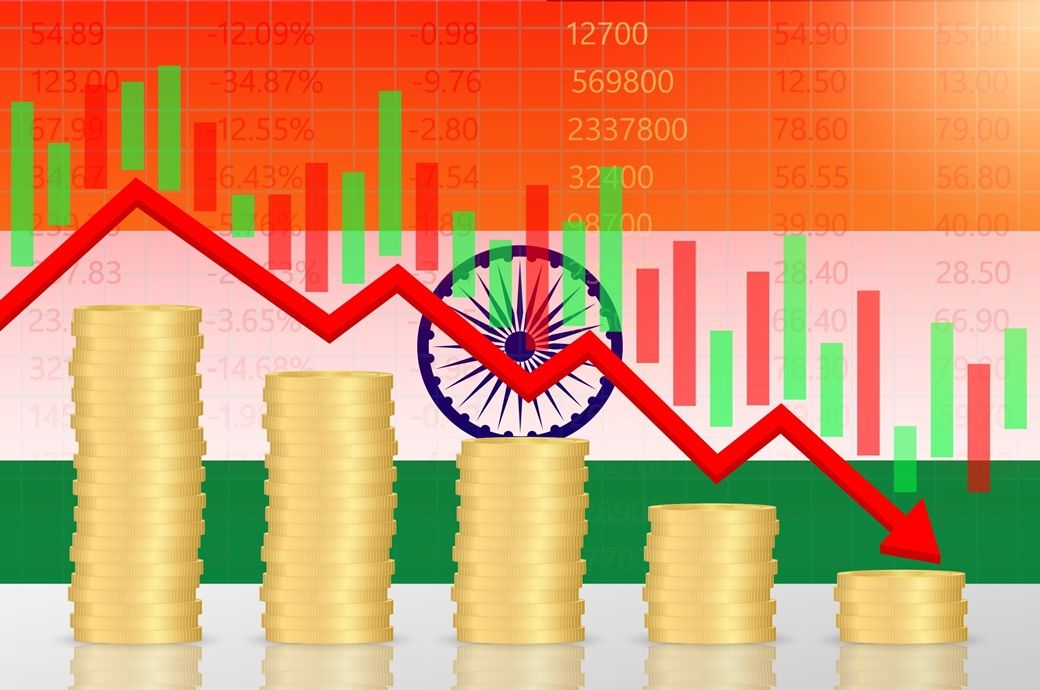
While trends in high frequency indicators for January-February 2026 appear favourable, the heightened uncertainty around the duration of the Middle East conflict casts a shadow on the near-term macroeconomic outlook for India amid high import dependency for items like crude oil, natural gas and fertilisers, it noted.
India’s FY27 GDP growth is likely to slow to 6.5 per cent from the projected 7.5 per cent in FY26 owing to the impact of higher energy prices and concerns around energy availability, ICRA Ratings said.
The heightened uncertainty around the duration of the Iran war casts a shadow on the near-term macroeconomic outlook for India.
If the conflict lasts longer, the adverse effects could widen across sectors.
If the conflict lasts for an extended period, the adverse implications of the same could widen across sectors, amid an uptick in input costs and the consequent impact on profitability of the India corporate sector.
Amid the projected uptrend in the consumer price index-based inflation in FY27 with risks tilted to the upside, ICRA Ratings expects an extended pause on the policy rates by the central bank’s monetary policy committee in the fiscal despite the anticipated softening in the GDP growth. However, it expects the Reserve Bank of India to continue to intervene on the liquidity front during FY27.
The available data for January–February FY2026 indicate a positive trend across most non-agricultural indicators, with the year-on-year performance of 12 out of 18 indicators improving compared to the third quarter of FY26, while the remaining six deteriorated.
Fibre2Fashion News Desk (DS)
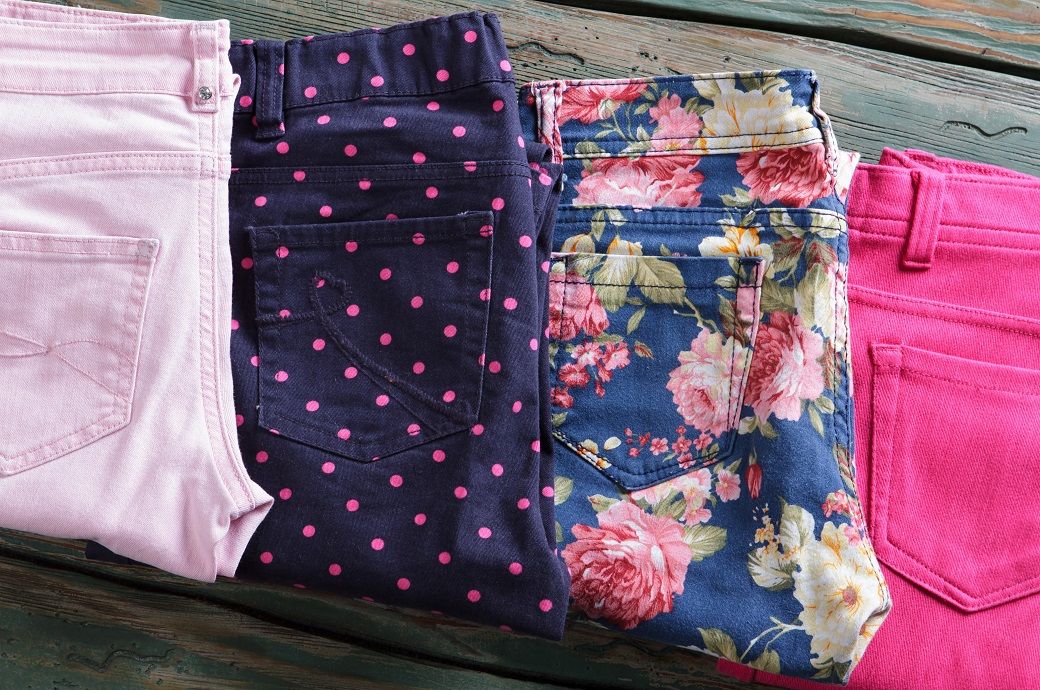
Indonesia’s apparel exports rose modestly to $8.705 billion in 2025 from $8.316 billion in 2024, reflecting gradual recovery.
The US remained dominant, accounting for over 56 per cent of shipments, highlighting growing market dependence.
While Japan, South Korea and Europe offered stability, exports stayed concentrated in key products and segments.
Source link

Methanol prices in India have surged nearly 150 per cent from pre-Iran–US tension levels, tracking a sharp rise in crude oil and tightening global energy markets.
Hormuz disruption risks, limited rerouting capacity, rising freight and insurance costs, and constrained imports are fuelling volatility, with prices seen approaching ₹90 per kg.
Source link


Europe pushes back on some US military operations as concerns over Iran war mount

Severe storms, tornadoes to hit US as April begins

Crunch talks between resident doctors and ministers set to continue

-

 Politics1 week ago
Afghanistan announces release of detained US citizen
-

 Sports1 week ago
Broadcast industry CEO says consolidation is ‘essential’ to compete for NFL soaring media rights prices
-

 Tech1 week ago
Can a Home Appliance Fix the Problem of Soft-Plastic Waste?
-

 Entertainment1 week ago
UN warns migratory freshwater fish numbers are spiralling
-
 Business1 week ago
Property Play: Home flippers see smallest profits since the Great Recession, real estate data firm says
-
 Business1 week ago
Gold prices soar in Pakistan – SUCH TV
-

 Fashion1 week ago
ICE cotton slips on weaker crude, profit booking
-
 Business1 week ago
More women are entering wealth management, but few are in advisory roles, study finds