

Fashion
Japan’s apparel imports rise 22.9% to $2 bn in February 2026

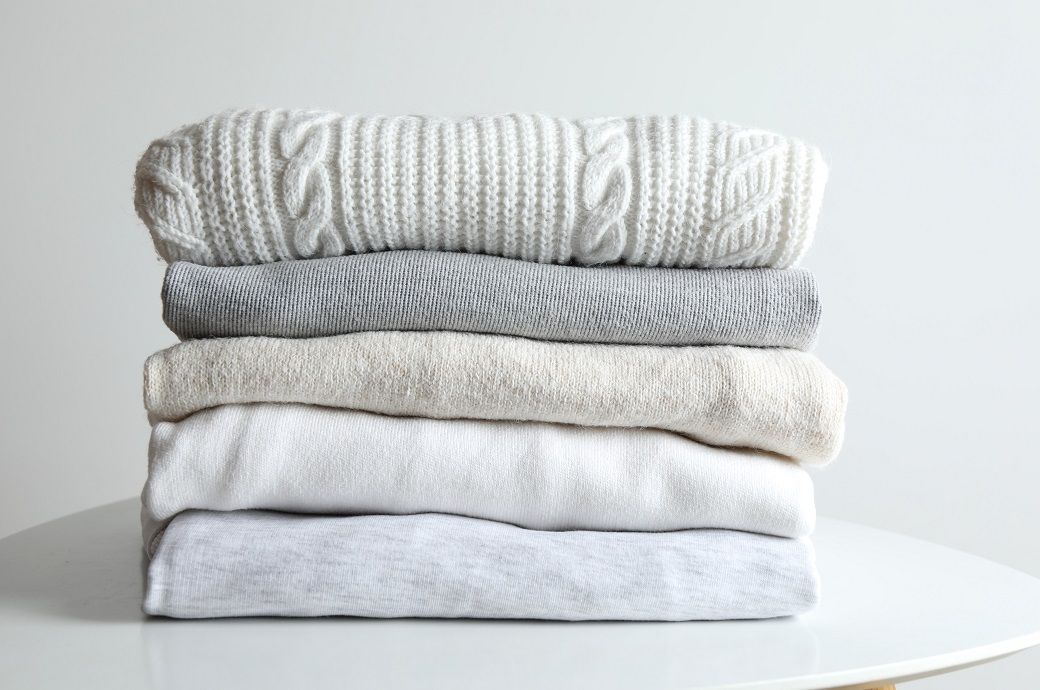
During the second month of ****, apparel and accessories accounted for *.* per cent of Japan’s total imports, which stood at *,***,*** million yen. Imports of textile yarn and fabric rose **.* per cent to **,*** million yen (~$***.** million), representing * per cent of total imports.
On the export side, textile yarn and fabric shipments decreased *.* per cent to **,*** million yen (~$***.** million). Textile machinery exports rose *.* per cent to **,*** million yen (~$***.** million), contributing *.* per cent to Japan’s total exports of *,***,*** million yen.










For product developers and OEM manufacturers, the performance of personal protective equipment is determined deep within the textile value chain. Materials are required that deliver ballistic protection, flame resistance and exceptional durability – without compromising on comfort and ergonomics. At the same time, regulations such as PFAS restrictions are increasing demand for alternatives to water-, oil- and dirt-repellent finishes.
Driven by rising EU defence spending, Techtextil 2026 will spotlight scalable textile solutions for defence and protective applications.
More than 150 exhibitors will present material innovations for protective textiles, advanced fibres, smart fabrics and compliant finishes, enabling OEMs and system providers to source reliable components for ballistic, flame-resistant and CBRN protection.
For procurement managers, buyers and technical leads at system providers, industrial feasibility is coming into sharper focus. They need market-ready materials and textile components that can be processed in compliance with standards, reproducibly and at reliable volumes – for example in ballistic protection systems or CBRN protective clothing.
Techtextil offers decision-makers from the defence sector the market overview they need to position themselves strategically in the growing market for protective textiles. More than 150 specialised exhibitors form the technological backbone: from fibre innovations for developers and manufacturers to finished materials for procurement. The Lenzing Group, for example, presents inherently flame-retardant cellulose fibres that embed heat and flame protection directly into the fibre. Another example is HS Hyosung Advanced Materials, showcasing high-performance yarns made from synthetic polymers.
At the same time, Texprocess, with around 200 exhibitors in Hall 8.0, bridges the gap to finishing and industrial processing. Together, the two events bring together more than 1,700 exhibitors at the Frankfurt exhibition grounds.
“Requirements for protective fabrics are becoming increasingly similar across many fields of application: low weight, high durability, thermal comfort, and reproducible processing,” explains Lotje Oosterlinck, Product Manager Workwear at Concordia Textiles. “What is becoming decisive, therefore, is the ability to develop material solutions across different protection domains and to transfer them into industrial processes tailored to specific applications.”
Industrial scalability: from fibre to protective systems
In the “Performance Apparel Textiles” area (Hall 9.0), around 150 exhibitors bring together concrete applications for protective clothing – showcased in the live format “Performance Apparels on Stage”. The foundation is provided by the new “Textile Chemicals & Dyes” segment: more than 30 exhibitors connect chemical processes directly with textile applications.
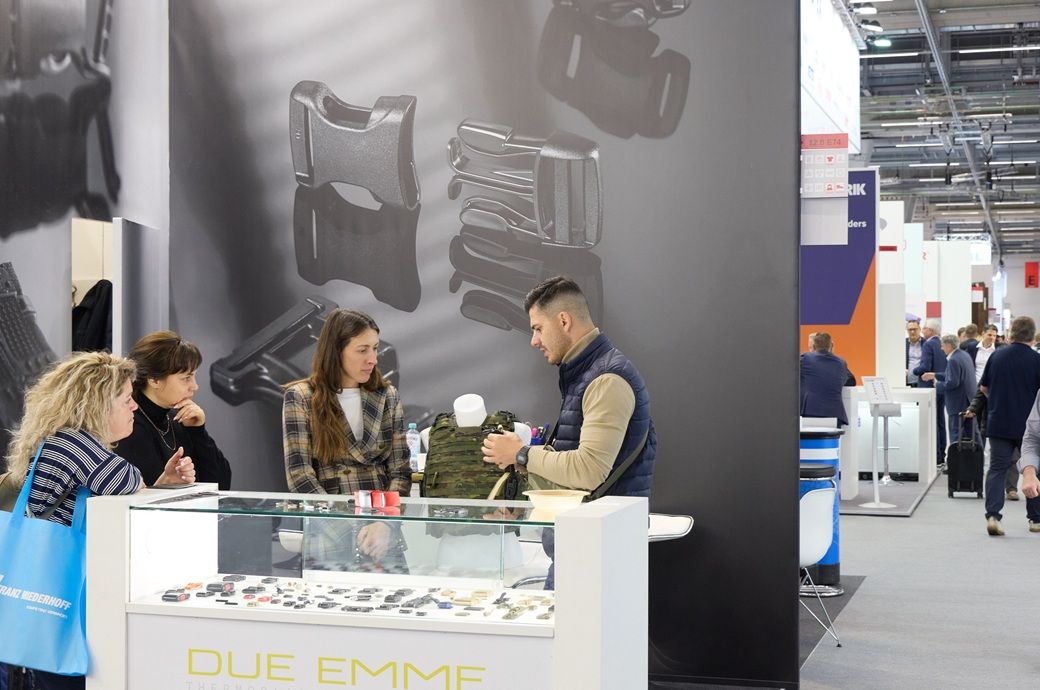
Key mechanical components for these protective solutions are also supplied by specialists such as Güth & Wolf GmbH, JUMBO-Textil GmbH & Co. KG, and Otto Stockmayer & Sohn GmbH, offering high-performance narrow textiles, webbings and knitted fabrics.
“In protective textiles, market relevance is not determined by a new fibre or finish alone. Particularly in demanding applications, testability, reproducibility and the reliable transfer into industrial processes are becoming the true benchmarks of innovation,” says Dr. Heike Illing-Günther, Managing Director of the Saxon Textile Research Institute.
The Techtextil Forum provides the technological framework for this industrial scaling. Featuring practical insights from NASA experts and focusing on topics such as “Textile Intelligence” and “Resilient Textiles”, the platform addresses the industry’s operational needs: smart functionalities, material resilience and the rapid transition from concept to scalable application.
Note: The headline, insights, and image of this press release may have been refined by the Fibre2Fashion staff; the rest of the content remains unchanged.
Fibre2Fashion News Desk (JP)
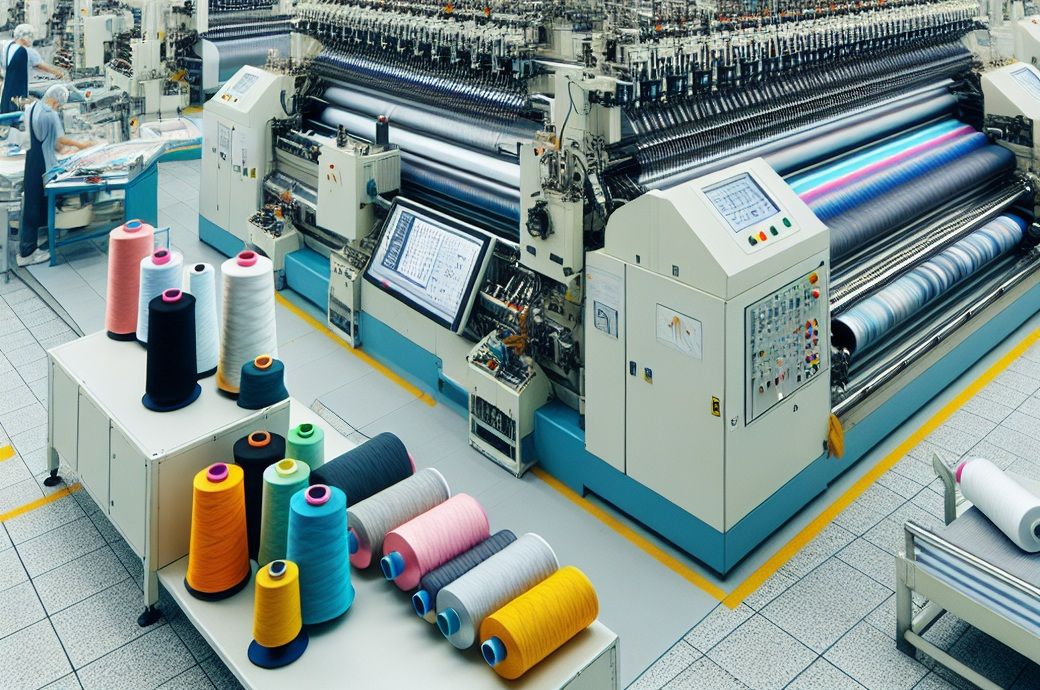
Geopolitical tensions are raising textile costs by 10-15 per cent, disrupting supply chains and slowing apparel trade.
Synthetic segments are facing pressure, while cotton remains stable.
Technical textiles are surging, driven by defence and industrial demand.
The industry is shifting from volume apparel to high-value, performance-driven textiles.
Source link
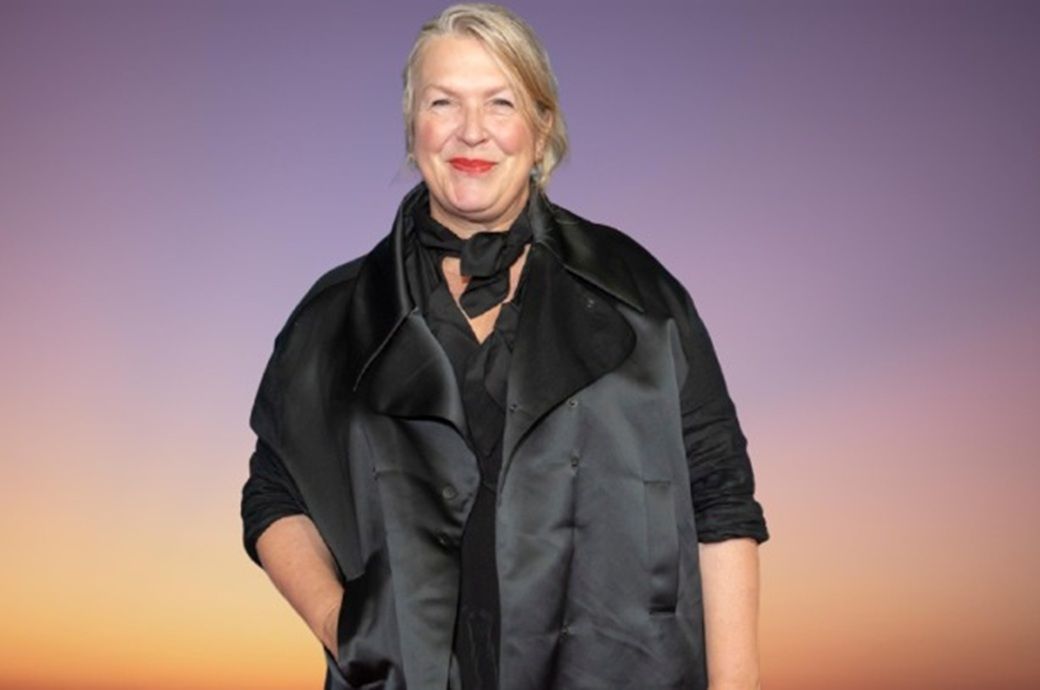
Hawley received the award from former Vogue editor Anna Wintour and actor Anne Hathaway, thanking the Academy and her creative team while describing costume designers as “artisans, alchemists and dream weavers.”
The film, directed by Guillermo del Toro and inspired by Mary Shelley’s classic novel Frankenstein; or, The Modern Prometheus (published in 1818), features richly layered costumes that blend Victorian aesthetics with gothic fantasy. Hawley’s designs employ colour symbolism and intricate textures to reinforce the narrative’s themes of life, death and obsession.
New Zealand costume designer Kate Hawley won the Best Costume Design award at the Academy Awards (Oscars) for the film Frankenstein.
Her elaborate, colour-driven costumes blend gothic aesthetics with Victorian influences, using symbolism and layered textures to enhance the film’s narrative and character development inspired by Mary Shelley’s classic novel.
Throughout the film, colour motifs, particularly shades of red, play a central storytelling role, symbolising the memory of Victor Frankenstein’s mother and recurring emotional themes. Victor’s wardrobe combines Romantic-era silhouettes with flamboyant touches inspired by figures such as David Bowie and Mick Jagger, reflecting the character’s rebellious personality.
Hawley also created intricate costumes for Elizabeth, portrayed by Mia Goth, incorporating botanical and insect-inspired patterns and jewellery elements that highlight the character’s connection to nature. The garments were built with multiple layers and textures to create a painterly, atmospheric visual style aligned with the film’s gothic tone.
The Oscar marks Hawley’s first Academy Award and follows earlier recognition for Frankenstein at the Costume Designers Guild Awards, where the film also won in the period film category.
With its dramatic silhouettes, symbolic colour palette and meticulous craftsmanship, the film’s costume design has been widely praised for helping shape the visual identity of del Toro’s ambitious adaptation of the classic tale.
Fibre2Fashion News Desk (CG)


Carabao Cup reality check for Arsenal, Man City; Madrid’s derby win; more

Deals From the Amazon Spring Sale That Passed Our BS Test

Andrew holds breath as King Charles plans bombshell move amid probe

-
 Fashion7 days ago
Sales at US apparel, clothing accessories stores up 4% YoY in Jan 2026
-
 Business1 week ago
Peloton is launching bikes and treadmills for gyms, accelerating commercial strategy
-

 Tech1 week ago
Justice Department Says Anthropic Can’t Be Trusted With Warfighting Systems
-

 Fashion1 week ago
Trump signs order to combat fraudulent ‘Made in America’ labels
-
 Business1 week ago
Stocks and pound rise as US rate call approaches
-
 Fashion1 week ago
Lenzing launches TENCEL Lyocell-HV100 at Intertextile Shanghai
-

 Sports7 days ago
March Madness 2026 – How to watch in SA, start time, schedule, TV channel for NCAA championship basketball tournament
-

 Entertainment6 days ago
Val Kilmer revived 1 year after death through AI