

Fashion
Japan’s Fast Retailing secures fourth CDP A List for climate change


Fast Retailing’s Initiatives
Fast Retailing was included on CDP’s A List for climate change for the fourth consecutive year and water security for the third time since 2022, reflecting strong transparency.
In November 2025, it raised its supply-chain greenhouse gas reduction target to 30 per cent by 2030 from a FY2019 baseline, with SBTi approval, while continuing water risk assessments and forest protection efforts.
Fast Retailing promotes sustainability initiatives as an integral part of its business, centered on its “LifeWear” philosophy of creating high quality clothing that improves the lives of all people around the world. In the area of climate action, the company is strengthening its efforts aiming to achieve net-zero egreenhouse gas emissions by 2050. In November 2025, Fast Retailing announced that it would raise its greenhouse gas emissions reduction target* across the supply chain to 30% (against FY2019 baseline) from the previous target of 20%. This new target has also been approved by the Science Based Targets initiative (SBTi) as a science-based target (SBT), and is in line with the level of decarbonization required to achieve the goals outlined in the Paris Agreement.
Commenting on the recognition, Yukihiro Nitta, Fast Retailing Group Executive Officer responsible for sustainability, said: “Fast Retailing is accelerating its transition toward a business model that eliminates waste by making, transporting, and selling only the products that customers truly need. Through this approach, we aim to achieve both global business growth and long-term sustainability. In addressing climate change–our highest-priority issue–we are further strengthening our initiatives, including raising our Scope 3 greenhouse gas reduction targets for 2030 in close collaboration with our production partners. We are also advancing water security initiatives by conducting comprehensive risk assessments and implementing actions based on those findings. We believe our continued efforts to work alongside stakeholders, to pursue initiatives that meet globally expected standards, and to maintain highly transparent disclosure have all contributed to our inclusion on this year’s CDP A List.”
Note: The headline, insights, and image of this press release may have been refined by the Fibre2Fashion staff; the rest of the content remains unchanged.
Fibre2Fashion News Desk (RM)








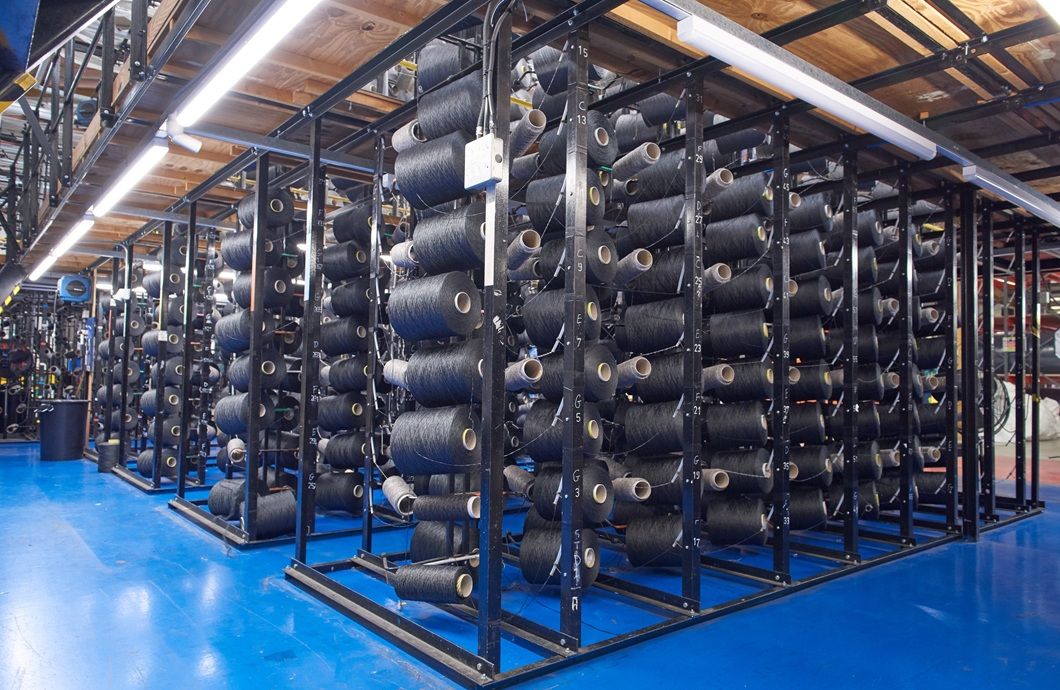
The April–June 2026 quarter marks a shift from price volatility to supply insecurity, with material availability becoming the key risk.
Synthetic fibres and chemicals are most exposed due to oil-linked costs and gas shortages, while freight is sharply raising landed costs.
Cotton is adding margin pressure, particularly impacting smaller manufacturers.
Source link
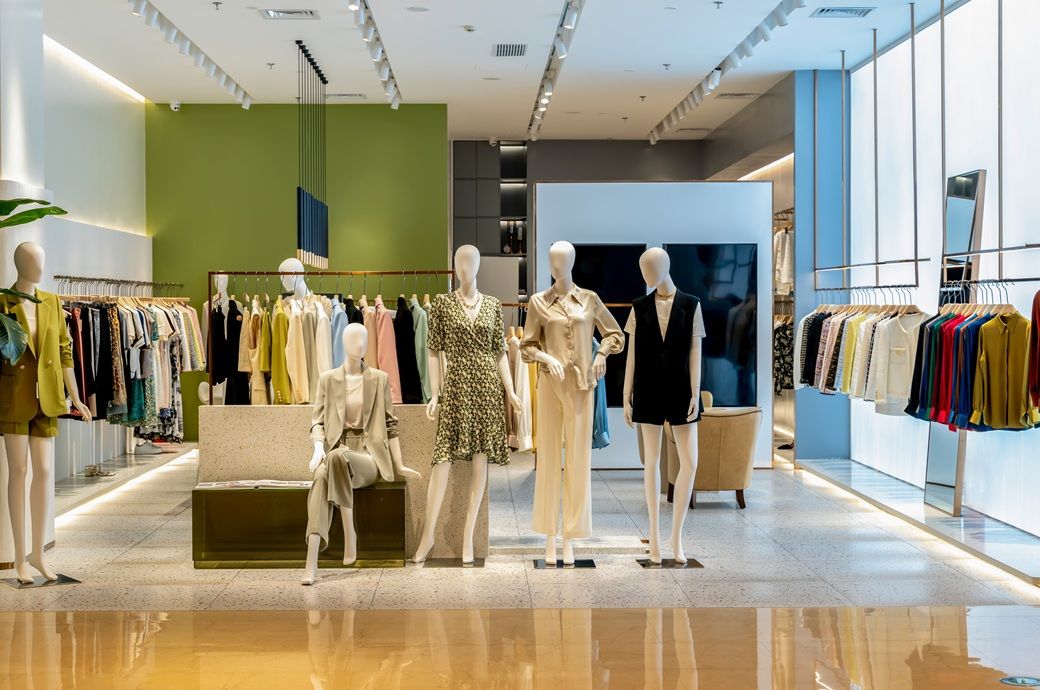
The move follows Lulus’ recent rollout across all Nordstrom stores nationwide and reflects a broader strategy to expand reach and drive incremental revenue. As stated in the press release, each partnership offers curated assortments tailored to platform-specific customer behaviour.
Lulus has expanded its wholesale strategy with a new Amazon storefront and an online partnership with Victoria’s Secret.
Building on its Nordstrom rollout, the move enhances reach and revenue potential.
Curated assortments tailored to each platform aim to engage modern shoppers, supporting scalable growth and strengthening the brand’s presence across key retail channels.
“Today’s customer shops across platforms, and our goal is to show up for her in each of those moments with intentional, elevated product, that is distinctly Lulus,” said Crystal Landsem, CEO at Lulus. “By offering curated assortments across Amazon and Victoria’s Secret, we’re expanding access to our brand in a way that’s thoughtful, strategic, and aligned with how women shop now.”
The Amazon storefront features a curated dress assortment, including many exclusive styles, while the Victoria’s Secret collaboration introduces an online-only range targeting digitally engaged shoppers. The company noted in the press release that these initiatives support scalable growth and strengthen brand relevance.
As Lulus enters its 30th year, it is focusing on disciplined growth, scalable distribution, and long-term brand building. Alongside its Nordstrom expansion, launches on Amazon and Victoria’s Secret strengthen its position as a digitally driven brand with rising influence in modern fashion retail.
Fibre2Fashion News Desk (JP)

Support will be provided through two-way contracts for difference, where a competitively determined strike price ensures revenue stability. If alternative fuel prices fall below this level, the Italian government will compensate producers; if they exceed it, producers will repay the difference. The scheme will run until 31 December 2029.
The European Commission has approved a €6 billion (~$6.5 billion) Italian state aid scheme to produce 200,000 tonnes of renewable hydrogen annually.
Using contracts for difference, the programme will support decarbonisation in transport and industry by ensuring price stability, while promoting investment, competitiveness, and emissions reduction across high-impact sectors.
The Commission concluded that the measure is necessary, proportionate, and incentivises investment that would not occur without public support. It also found that the environmental benefits, particularly in reducing emissions from hard-to-abate sectors, outweigh potential competition distortions.
Fibre2Fashion News Desk (JP)


Artemis II crew member had heartbreaking talk with daughters before launch

Samsung’s Best OLED From Last Year Is Priced as Low as I’ve Seen It on Amazon

US VP Vance tells Pakistani intermediaries Trump open to ceasefire: source

-

 Politics1 week ago
Afghanistan announces release of detained US citizen
-

 Sports1 week ago
Broadcast industry CEO says consolidation is ‘essential’ to compete for NFL soaring media rights prices
-

 Entertainment1 week ago
UN warns migratory freshwater fish numbers are spiralling
-

 Tech1 week ago
Can a Home Appliance Fix the Problem of Soft-Plastic Waste?
-
 Business1 week ago
Property Play: Home flippers see smallest profits since the Great Recession, real estate data firm says
-
 Business1 week ago
Gold prices soar in Pakistan – SUCH TV
-
 Fashion1 week ago
ICE cotton slips on weaker crude, profit booking
-
 Business1 week ago
More women are entering wealth management, but few are in advisory roles, study finds