

Fashion
LEI for India up by 0.9% in October 2025

The Conference Board Coincident Economic Index (CEI) for India grew by 3.3 per cent in October 2025 to 161.4 (2016=100), after a 5.5 per cent increase in September. The CEI expanded by 2.9 per cent over the six-month period from April to October 2025. This follows an increase of 5.2 per cent over the previous six-month period between October 2024 and April 2025.
The Leading Economic Index (LEI) provides an early indication of significant turning points in the business cycle and where the economy is heading in the near term and the Coincident Economic Index (CEI) provides an indication of the current state of the economy.
India’s Leading Economic Index (LEI) increased by 0.9 per cent in October to 162.6, reflecting a stronger six-month gain of 2.0 per cent compared with the previous period.
The Coincident Economic Index (CEI) rose 3.3 per cent in October to 161.4, following a 2.9 per cent six-month increase.
The LEI signals upcoming economic trends, while the CEI provides a measure of current economic performance.
Fibre2Fashion News Desk (RR)






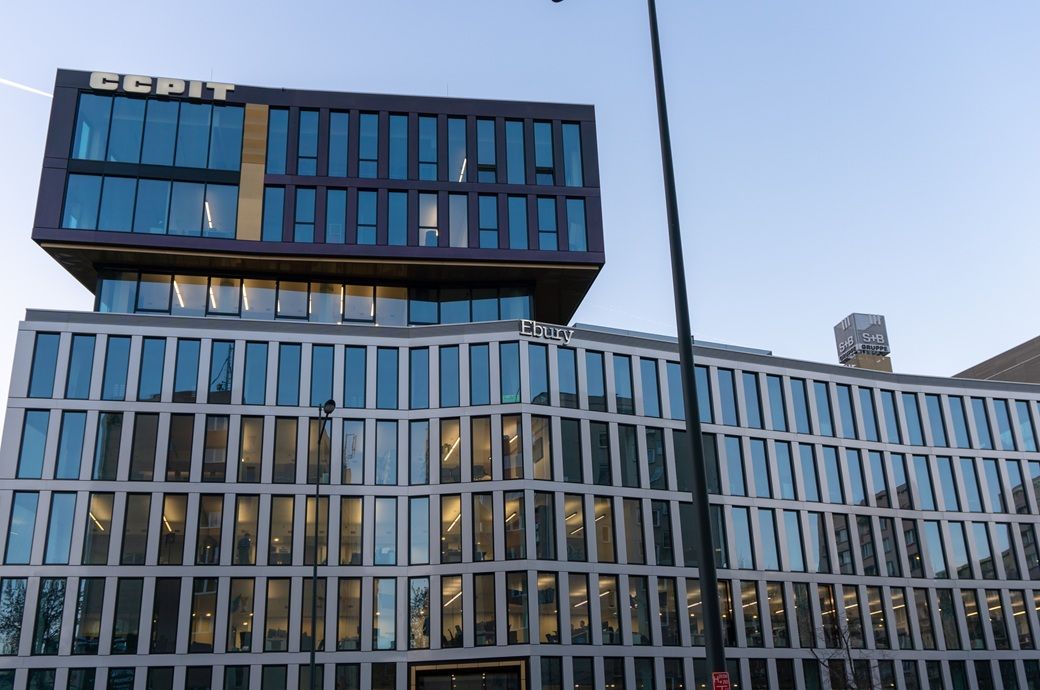
CCPIT has approved 119 activities for Chinese enterprises to participate in US-based exhibitions this year; 30 are over by February, CCPIT spokesperson Wang Wenshuai told in a press conference.
It will also utilise its dedicated working group for foreign-funded enterprises, ensuring that the reasonable demands of US-funded enterprises are met, Wang was cited as saying by a state-controlled media outlet.
The China Council for the Promotion of International Trade will facilitate exchanges and collaboration between Chinese and US firms in investment, trade and technology.
It has approved 119 activities for Chinese enterprises to participate in US-based exhibitions this year; 30 are over by February.
It will also utilise its dedicated working group for foreign-funded enterprises to address US firms’ demand.
CCPIT will use events like the Asia-Pacific Economic Co-operation CEO Summit and the B20 business activities during the December G20 Leaders’ Summit as an opportunity to work with all parties, including the US business community, to build consensus, deepen co-operation and promote inclusive, strong and sustainable growth of the Asia-Pacific and global economies, Wang added.
Fibre2Fashion News Desk (DS)
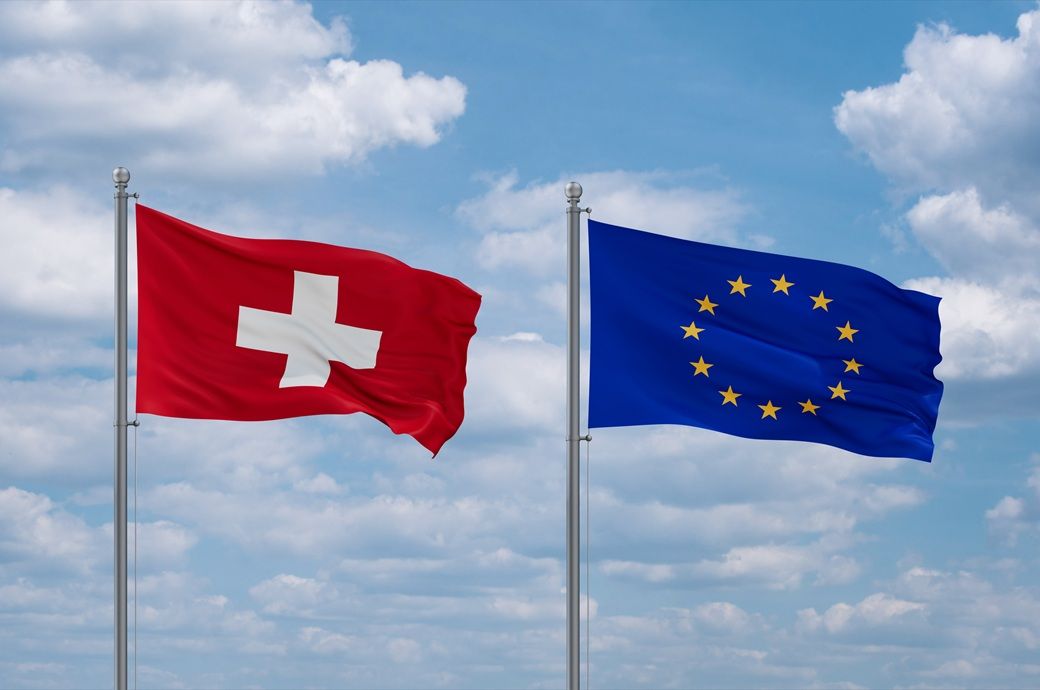
The package establishes a modern framework for both sides, enabling frictionless access to a market of 460 million consumers in key sectors, delivering economic benefits to both parties.
European Commission President Ursula von der Leyen and Swiss President Guy Parmelin yesterday signed a broad package of agreements aimed at deepening and expanding EU-Switzerland ties.
By aligning standards and rules in closely integrated areas, it will provide legal certainty, simplify trade in goods like medical devices and food products, and ease cross-border supply for businesses on both sides.
By aligning standards and rules in closely integrated areas, it will provide legal certainty, simplify trade in goods like medical devices and food products, and ease cross-border supply for businesses on both sides of the border.
Additionally, it will ensure more consistent rules for individuals who live, work or study across the EU-Swiss border. Switzerland will contribute to the development of legislation in the areas covered by the package and will have the opportunity to influence these rules as they are being designed.
“By modernising and deepening our ties across key sectors, from trade and transport to health and energy—we are strengthening legal certainty, fostering innovation and creating new opportunities for our citizens and businesses,” von der Leyen said in a release from the Commission.
The package includes updates to four already existing agreements, which already give Switzerland access to the EU internal market, regarding air transport, land transport, the free movement of persons and mutual recognition of conformity assessment.
New agreements on food safety, electricity, health and Switzerland’s participation in the EU Agency for the Space Programme were signed. A new agreement introduced a permanent and fair financial contribution by Switzerland to economic and social cohesion within the EU.
Apart from a protocol on parliamentary cooperation, the package includes also a joint declaration on the establishment of a high-level dialogue on the broad bilateral package.
Fibre2Fashion News Desk (DS)

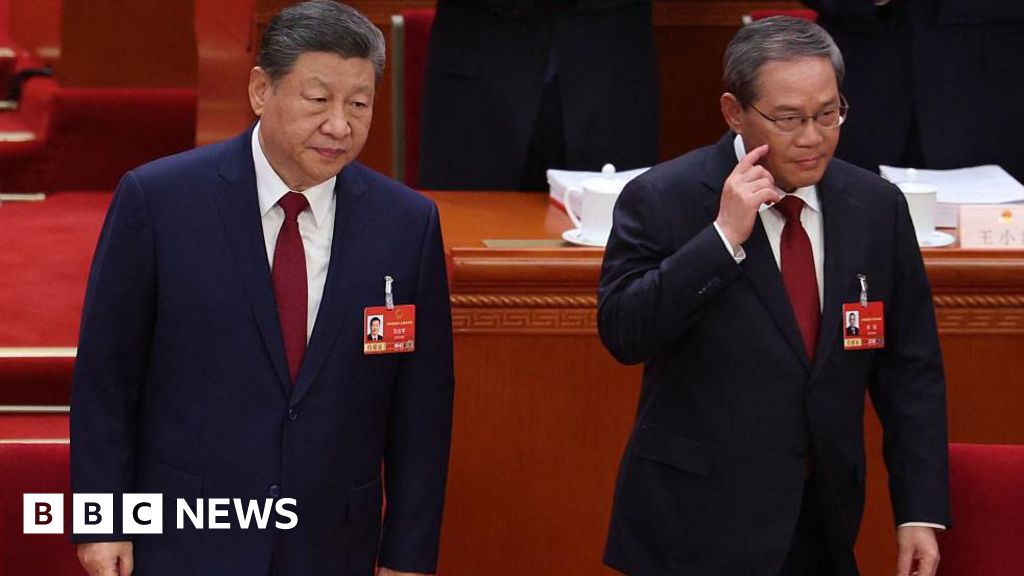
China sets lowest economic growth target since 1991

CCPIT to facilitate exchanges, collaboration between Chinese, US firms

‘Jersey Shore Family Vacation’ to finally end after 300 seasons

India Us Trade Deal: Fresh look at India-US trade deal? May be ‘rebalanced’ if circumstances change, says Piyush Goyal – The Times of India

What are Iran’s ballistic missile capabilities?

Households set for lower energy bills amid price cap shake-up

-
Business6 days ago
India Us Trade Deal: Fresh look at India-US trade deal? May be ‘rebalanced’ if circumstances change, says Piyush Goyal – The Times of India
-
 Politics7 days ago
What are Iran’s ballistic missile capabilities?
-
Business1 week ago
Households set for lower energy bills amid price cap shake-up
-

 Politics7 days ago
US arrests ex-Air Force pilot for ‘training’ Chinese military
-
 Business6 days ago
Attock Cement’s acquisition approved | The Express Tribune
-
 Fashion1 week ago
OECD GDP growth slows to 0.3% in Q4 amid mixed trends
-

 Fashion6 days ago
Policy easing drives Argentina’s garment import surge in 2025
-

 Sports7 days ago
Sri Lanka’s Shanaka says constant criticism has affected players’ mental health