Business
Mortgage lenders expect property market boost – but credit wobbles are emerging

Loan default rates are rising, but the true impact on households is yet to come as consumers brace for price rises due to the Iran war, experts have warned.
The latest Credit Conditions Survey from the Bank of England, which measures demand for new borrowing, shows defaults on loans from January to March have risen to 6.2 per cent.
In the previous quarter, there were hardly any defaults on mortgage debt, say lenders. The figures suggest consumers were already feeling the squeeze even before the Iran war, as the economy flatlined.
Karim Haji, Global and UK Head of Financial Services at accountancy firm KPMG, said: “Rising default rates show that underlying pressure is building. The impact of the prolonged conflict on fuel prices is adding new pressure on household finances, and the full impact of higher costs and mortgage rates is still feeding through.”
But the mortgage and property market is still expected to see rising demand in the coming months, experts say.
For secured lending defaults, which include mortgages, the Bank recorded 6.2 per cent in the first quarter of 2026, the highest since the last three months of 2024 (7.8 per cent), when the UK had seen multiple hikes in interest rates. The data for the first three months of 2026 marked a reversal from the fall in defaults reported in the last six months of 2025.
For unsecured lending defaults, such as credit cards, the Bank reported a fourth consecutive quarter of rising defaults (18.6 per cent in the first quarter of 2026). This was the highest figure since the last quarter of 2023 (25.7 per cent).
According to the Bank, demand for home loans and other debt remained high in the run-up to the Iran war, as borrowing costs fell.
Get a free fractional share worth up to £100.
Capital at risk.
Terms and conditions apply.
ADVERTISEMENT


Get a free fractional share worth up to £100.
Capital at risk.
Terms and conditions apply.
ADVERTISEMENT
Lenders had expected demand to keep growing as interest rates came down, but that may now have changed as borrowers become less optimistic, or have to refinance mortgages at higher rates as fixed-rate deals came to a close.
Mr Haji added: “Stable demand for unsecured lending shows households turning to credit to manage their increasing day-to-day spend. While some borrowers are still able to access credit, others are beginning to struggle with repayments, pointing to possible early stages of credit deterioration.”
Bond yields, the amount the government pays in interest on its borrowing, which link to mortgage prices, have eased this week following the announcement of a ceasefire.
Aside from credit wobbles, the Bank of England’s Credit Conditions Survey finds that lenders expect mortgage demand to increase over the coming months.

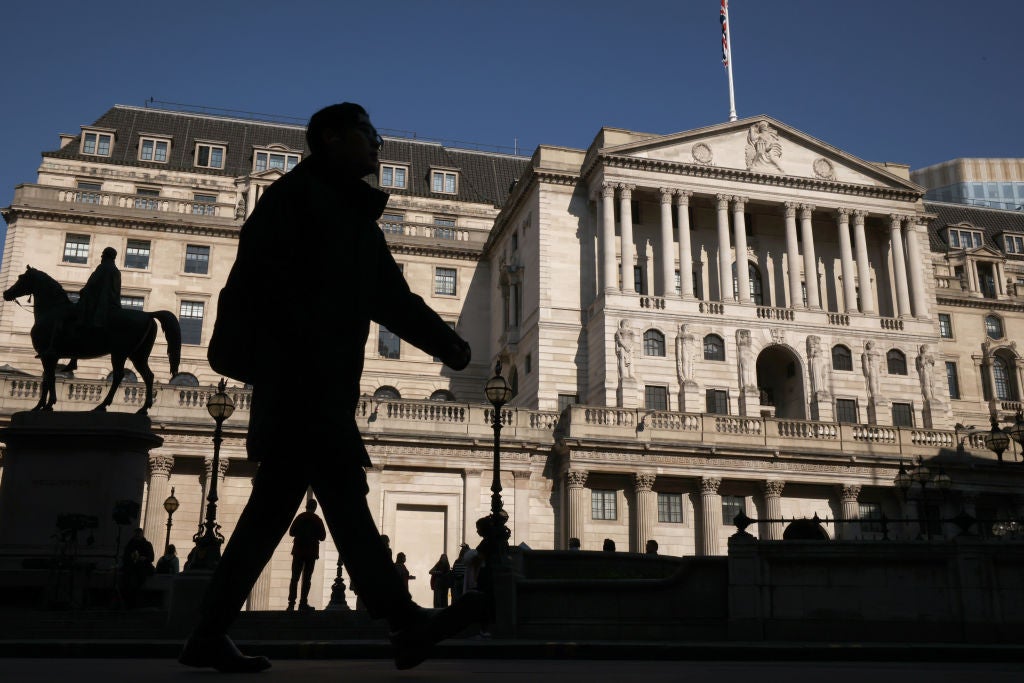
Damien Burke, Head of Regulatory Practice at consultancy Broadstone, said: “The latest Credit Conditions Survey suggests a cautiously improving outlook for the mortgage market at the start of the year, with lenders expecting demand to pick up in the coming months, particularly for house purchases and remortgaging. This reflects a degree of pent-up demand as home buyers awaited lower interest rates and a more certain fiscal landscape.”
But the survey was done just as the Middle East conflict began. The longer it continues, the worse the blow to borrower and lenders, brokers warn.
Raj Abrol, CEO of risk platform Galytix, said: “What started as a conflict in the Middle East is now showing up in borrowing costs right across the economy. Mortgage rates have jumped from 4.8 per cent to over 5.5 per cent — that’s an extra £1,000 a year on a typical £200,000 mortgage. The ongoing turmoil of the Iran crisis has spooked many of the big banks, leading to a surge in mortgage rates and increased pressure on homeowners. Against this complex backdrop, a rise in defaults could well continue for many months as inflation persists and cost-of-living crisis worsens. The longer this uncertainty continues, lenders will continue to remain risk-averse, making access to credit a bigger challenge for consumers.”
For companies, the cost of short-term borrowing has also jumped. When credit gets more expensive, it hurts businesses’ funding for payroll, small and medium-sized businesses refinance, and consumers whose credit cards and car loans quietly reset higher. With a million fixed-rate mortgage deals expiring by September and inflation heading towards 3.5 per cent, the longer this goes on, the more defaults move from a slow creep to something banks have to take seriously, risk experts warn.
Mr Burke adds: “The fall-out from the Ukraine conflict on inflation and mortgage rates remains fresh in the minds of households, and even short-term disruption to supply chains can have a long-term impact on the cost of goods. This further amplifies the need for understanding consumers’ individual affordability when assessing for credit products.”