

Fashion
Netherlands inflation rises to 2.7% in March 2026

On a month-on-month (MoM) basis, consumer prices rose by 0.7 per cent in March, in line with the average increase typically observed during the same period over the past decade, CBS said in a press release.
Inflation in the Netherlands rose to 2.7 per cent YoY in March 2026 from 2.4 per cent in February, driven mainly by a sharp rise in motor fuel prices, which surged 18.7 per cent.
Consumer prices increased 0.7 per cent month on month.
HICP inflation stood at 2.6 per cent, broadly in line with the euro area, though energy costs rose faster domestically.
It noted that seasonal factors, such as retail discount cycles, can influence short-term price movements, particularly in categories like clothing.
The primary driver behind the rise in inflation was the sharp increase in motor fuel prices. Fuel costs surged 18.7 per cent YoY in March, a significant jump from the 2.6 per cent increase recorded in February. Diesel prices saw the steepest rise, climbing from an average of €1.834 per litre in February to €2.294 in March. Petrol prices also increased, moving from €2.039 to €2.249 per litre over the same period.
Despite rising fuel prices, CBS highlighted that broader inflation dynamics remain influenced by a mix of energy and non-energy components.
According to the European Harmonised Index of Consumer Prices (HICP), inflation in the Netherlands stood at 2.6 per cent YoY in March, up from 2.3 per cent in February. This places Dutch inflation broadly in line with the euro area average, which rose from 1.9 per cent to 2.5 per cent over the same period.
However, energy prices in the Netherlands increased at a faster pace compared to the wider eurozone, indicating relatively stronger domestic cost pressures. The latest data underscored the continued sensitivity of inflation to fuel price movements, even as broader price trends remain relatively stable.
Fibre2Fashion News Desk (SG)











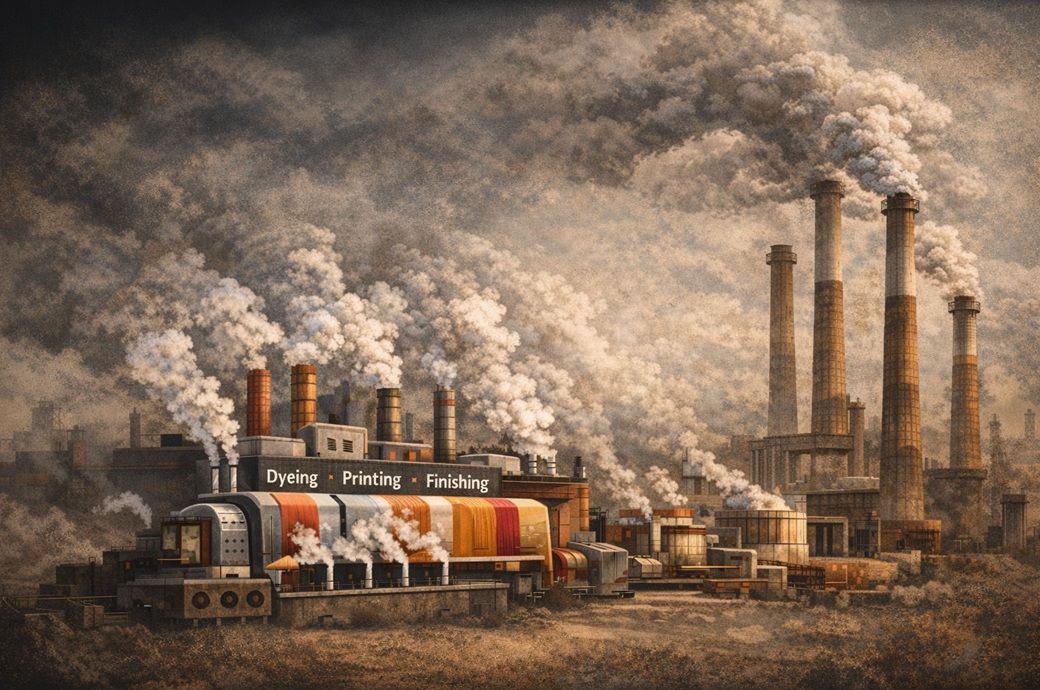
For decades, labour arbitrage defined competitiveness in the global textile and apparel (T&A) industry. That model is now under strain. Across major manufacturing hubs, energy, not labour, is emerging as the most volatile and decisive cost factor, particularly in processing segments such as dyeing, printing, and finishing. As fuel, gas, and electricity prices remain elevated in ****, the industry is undergoing a structural reset:
energy is shifting from a predictable overhead to the primary driver of margin volatility.
Textile processing is one of the most energy-intensive stages in the value chain. From steam generation to heat-setting, thermal energy consumption is unavoidable and continuous. Historically, energy accounted for ~*–** per cent of total production costs in textile processing. In ****, this share is rising towards **–** per cent, depending on region and fuel mix. Dyeing and finishing units are experiencing sharp increases in steam and thermal energy costs. This rise is being driven by multiple overlapping pressures:

Representatives from Shanghai Textile Association, Link Well Exhibition Co. Ltd. and ECO Expo signed the agreement, according to a press release from the trade body.
The Bangladesh Textile Mills Association (BTMA) has signed an MoU with global partners in Dhaka to jointly organise the Dhaka International Textile and Garment Machinery Exhibition (DTG), scheduled to be held annually in the capital city.
Representatives from Shanghai Textile Association, Link Well Exhibition Co. Ltd. and ECO Expo signed the agreement.
DTG 2026 will take place from December 16 to 19.
Under the MoU, the parties will collaborate to plan, organise, promote and manage the DTG exhibition, scheduled to be held annually in Dhaka.
The event aims at turning a premier global platform showcasing the latest developments in textile and garment machinery, technologies and solutions, and expected to connect local manufacturers with global technology providers, contributing to the modernisation and competitiveness of the sector, according to domestic media outlets.
DTG 2026 will take place from December 16 to 19.
Fibre2Fashion News Desk (DS)
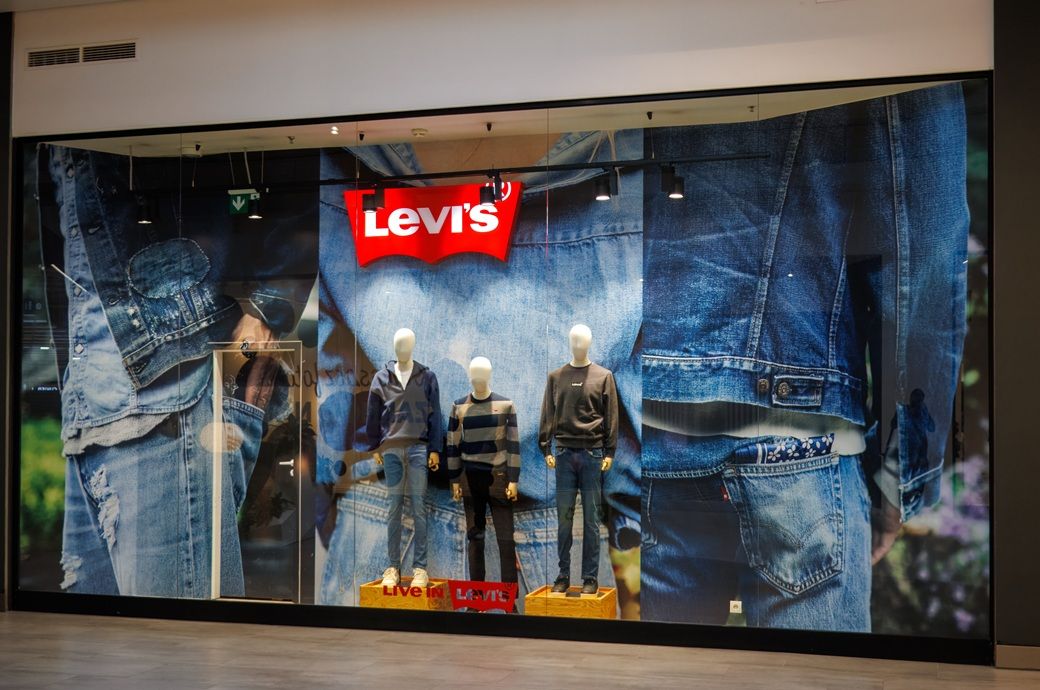
The net revenues for the quarter ended March 1, 2026, rose 14 per cent year on year (YoY) to $1.74 billion, while organic growth stood at 9 per cent. The company’s direct-to-consumer (DTC) segment remained a key driver, accounting for 52 per cent of total revenues and growing 16 per cent, with e-commerce sales up 21 per cent.
Levi Strauss & Co has reported strong Q1 2026 results, with net revenues rising 14 per cent YoY to $1.74 billion and organic growth at 9 per cent.
DTC remained a key driver, contributing 52 per cent of sales.
Profitability improved, with net income reaching $177 million.
Backed by broad-based regional growth, the company raised its full-year outlook.
“We delivered very strong financial performance in the first quarter driven by broad-based growth across channels, regions and categories,” said Michelle Gass, president and CEO of Levi Strauss.
She further said that the evolution into a DTC-first denim lifestyle brand is allowing the company to capture a much larger addressable market and deliver faster and more consistent growth. “Today we are operating from a stronger foundation, executing with focus and intention, with more ways to win than ever before,” added Gass.
“We are pleased to report first quarter revenue, margins and EPS above our guidance,” said Harmit Singh, chief financial and growth officer of the company.
Regionally, Europe led growth with a 24 per cent increase in reported revenues, followed by Asia at 13 per cent and the Americas at 9 per cent, Levi Strauss & Co said in a press release.
The Beyond Yoga brand also delivered strong momentum, with revenues rising 23 per cent.
The company’s profitability improved, with net income from continuing operations increasing to $177 million from $140 million a year earlier. Diluted earnings per share (EPS) rose to $0.45, while adjusted EPS stood at $0.42.
Gross margin remained relatively stable at 61.9 per cent, while selling, general and administrative (SG&A) expenses increased, largely driven by marketing investments and higher sales volumes.
“Our strategic transformation is translating into higher returns and more profitable growth, enabling us to convert more of our strong revenue growth into bottom-line profit. Our great start to the year in Q1 and positive quarter-to-date trends, give us the confidence to raise our full-year sales, margins and EPS guidance even as we remain prudent about the external environment,” added Singh.
On the strategic front, the company highlighted continued progress in its transition towards a DTC-first denim lifestyle model, which is enabling stronger consumer engagement and improved profitability.
Meanwhile, Levi Strauss has raised its full-year 2026 outlook, projecting reported revenue growth of 5.5 per cent to 6.5 per cent and adjusted diluted EPS in the range of $1.42 to $1.48. The guidance reflects confidence in sustained demand, despite ongoing macroeconomic uncertainties and tariff pressures.
The company also announced that Harmit Singh will retire following a planned transition, with a successor search currently underway.
Fibre2Fashion News Desk (SG)


Former NFL player Chris Payton-Jones dead at 30 after Florida car crash

The case for Man United’s Fernandes as Premier League’s best

China calls for restraint over US blockade of Hormuz, supports talks

-

 Fashion6 days ago
India’s exports face reset as EU links trade to carbon metrics: EY
-

 Politics1 week ago
Trump confirms rescue of airman whose F-15 was downed in Iran
-

 Entertainment5 days ago
Queen Elizabeth II emotional message for Archie, Lilibet sparks speculation
-

 Tech5 days ago
As the Strait of Hormuz Reopens, Global Shipping Will Take Months to Recover
-

 Tech5 days ago
Azure customers up in arms over ‘full’ UK South region | Computer Weekly
-

 Tech4 days ago
This AI Button Wearable From Ex-Apple Engineers Looks Like an iPod Shuffle
-

 Entertainment6 days ago
Lamar Odom shocking response to Khloé Kardashian account of his overdose
-

 Tech7 days ago
A Single Strike Won’t Shut Off the Gulf’s Desalination System