

Fashion
Nigeria’s textile imports up 47.43% YoY in Jan-Sept 2025

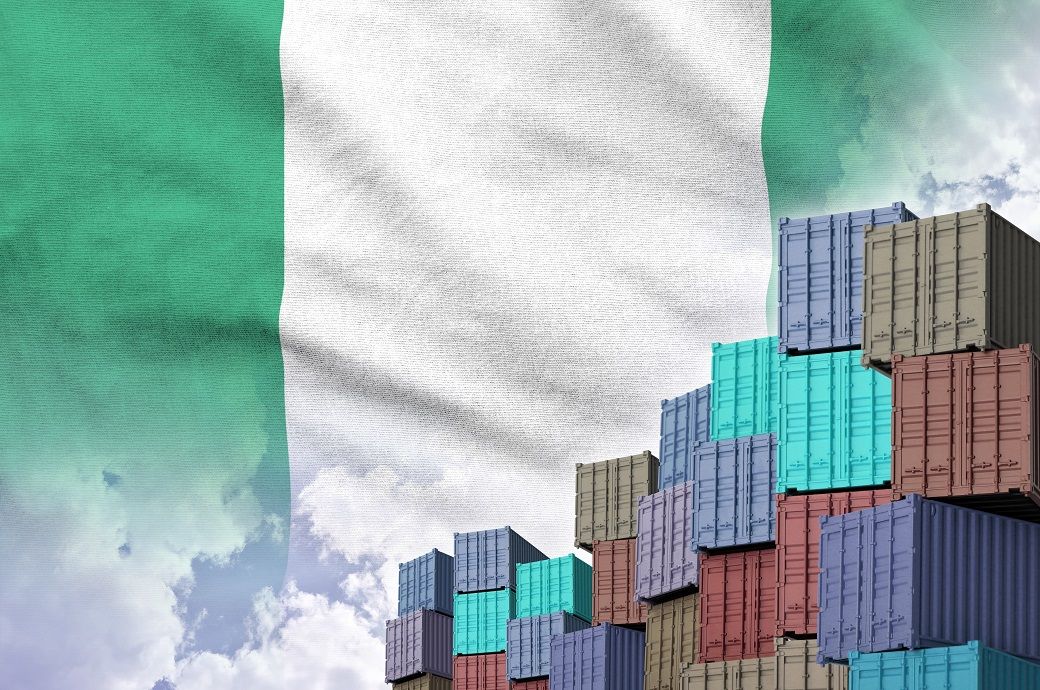
The country imported textile and textile materials worth N 228.83 billion in the first quarter (Q1) this year, N 337.12 billion in Q2 and N 248.32 billion in Q3.
Industry experts blame policy failure, weak execution of credit initiatives, abandonment of promised institutional reforms, pervasive corruption and structural bottlenecks like weak cotton farming, insecurity and the inability to scale locally-produced polyester for the decline, according to Nigerian media reports.
Nigeria’s textile imports rose to N 814.27 billion in January-September 2025—a 47.43-per cent YoY rise despite repeated government claims of the sector’s revival.
Rising imports indicate a weak domestic textile industry.
Industry experts blame policy failure, weak execution of credit initiatives, abandonment of promised institutional reforms, pervasive corruption and structural bottlenecks for the fall.
Hamma Kwajaffa, director general of the Nigerian Textile Manufacturers Association, lamented that the 10-per cent tax on imported textiles—which was introduced when the ban on textile imports was lifted so that the amount collected can be ploughed into domestic textile production—has not been directed to improve the private textile sector.
Kwajaffa pointed to the failure to create a dedicated textile development fund domiciled with the Bank of Industry.
Conflicting positions among top officials had stalled any action related to the sector and repeated workshops and announcements without execution had yielded no tangible outcome, Kwajaffa added.
Fibre2Fashion News Desk (DS)






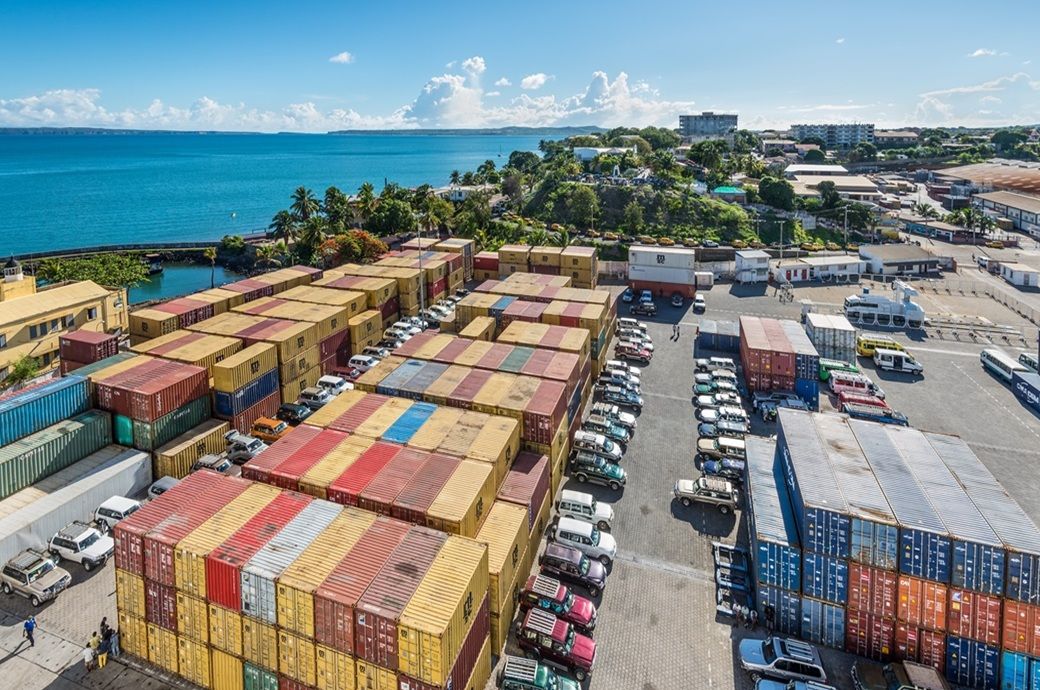
The programme is jointly implemented by UN Trade and Development (UNCTAD), the World Customs Organization and UK Customs.
The UK has committed around $1.25 million in funding for the ‘Accelerate Trade Facilitation’ programme for the 2026-2029 period.
The programme is jointly implemented by UNCTAD, the World Customs Organization and UK Customs.
The latest phase will expand the programme’s capacity-building activities and introduce the Reform Tracker tool to up to three additional countries.
For more than a decade, the programme has supported over 30 economies to speed up the movement of goods and strengthen cooperation between the public and private sectors.
“We will build on the strong and sustained impact achieved by partner countries over the last 11 years of the programme, strengthening national trade facilitation committees and driving practical, lasting reforms that make trade simpler, faster and more inclusive while supporting economic growth,” said Megan Shaw, deputy director of international customs and border engagement at UK Customs in an UNCTAD release.
The programme will continue to place national trade facilitation committees (NTFCs) at the core of its work. NTFCs serve as coordination platforms where government agencies and businesses identify bottlenecks, agree on priorities and advance trade facilitation reforms.
UNCTAD has supported them through specialised training, including via its trade facilitation e-learning platform, and practical tools such as the Reform Tracker. The tool helps countries monitor progress on trade facilitation reforms and keep society-wide collaborators aligned.
“These reforms contribute to a trading environment that is faster, cheaper, more transparent and more predictable—conditions that help businesses compete and grow,” said Angel Gonzalez Sanz, officer-in-charge of UNCTAD’s division on technology and logistics.
The 2026-2029 phase will expand the programme’s capacity-building activities and introduce the Reform Tracker to up to three additional countries.
These efforts will help deepen digitalisation and improve coordination between border agencies—measures crucial to reducing costs and processing times for traders.
Fibre2Fashion News Desk (DS)
The gross profit reached SEK 25,138 million (~$2.39 billion), with the gross margin improving to 50.7 per cent from 49.1 per cent a year earlier, supported by lower markdown costs and more efficient sourcing.
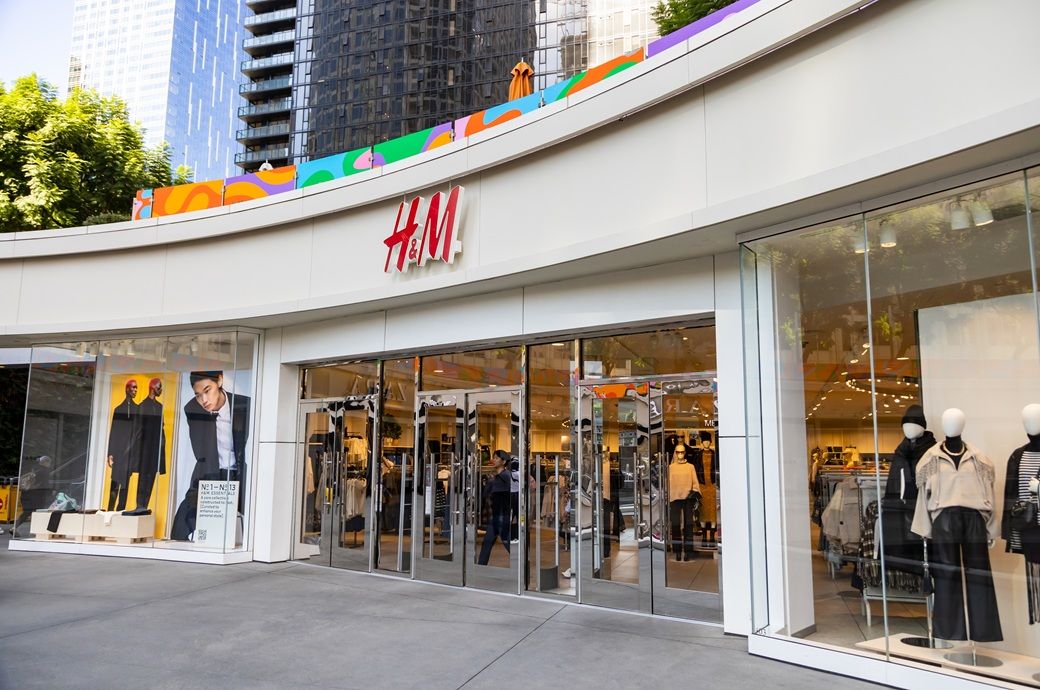
H&M has reported net sales of SEK 49,607 million (~$4.72 billion) in Q1 FY26, with sales down 1 per cent in local currencies.
Improved cost control lifted gross margin to 50.7 per cent and operating profit rose 26 per cent.
The net profit increased to SEK 704 million (~$75.05 million), while inventory fell 16 per cent.
Currency effects weighed on revenue despite stronger margins and improving sales.
The operating profit rose by 26 per cent to SEK 1,512 million, lifting the operating margin to 3 per cent from 2.2 per cent. Selling and administrative expenses declined by 1 per cent in local currencies and by 9 per cent in SEK terms, reflecting continued cost discipline, H&M said in a press release.
The net profit after tax (PAT) increased to SEK 704 million (~$75.05 million), with earnings per share (EPS) improving to SEK 0.45 from SEK 0.37. Inventory management also showed progress, with stock-in-trade falling 16 per cent to SEK 34,608 million, indicating improved inventory productivity.
However, sales in SEK terms were impacted by a currency translation effect of just over 9 percentage points due to the strengthened Swedish krona. The quarter began with weaker demand following strong Black Friday trading, though sales trends improved towards the end, supported by spring collections.
“Good cost control and improved gross margin contributed to strengthened profitability in a quarter marked by cautious consumption and large currency translation effects,” said Daniel Erver, CEO at H&M.
Looking ahead, H&M expects March 2026 sales to rise by 1 per cent in local currencies. The company also highlighted its sustainability progress, noting that 32 per cent of materials used in 2025 were recycled, while 91 per cent were either recycled or sustainably sourced.
Fibre2Fashion News Desk (SG)
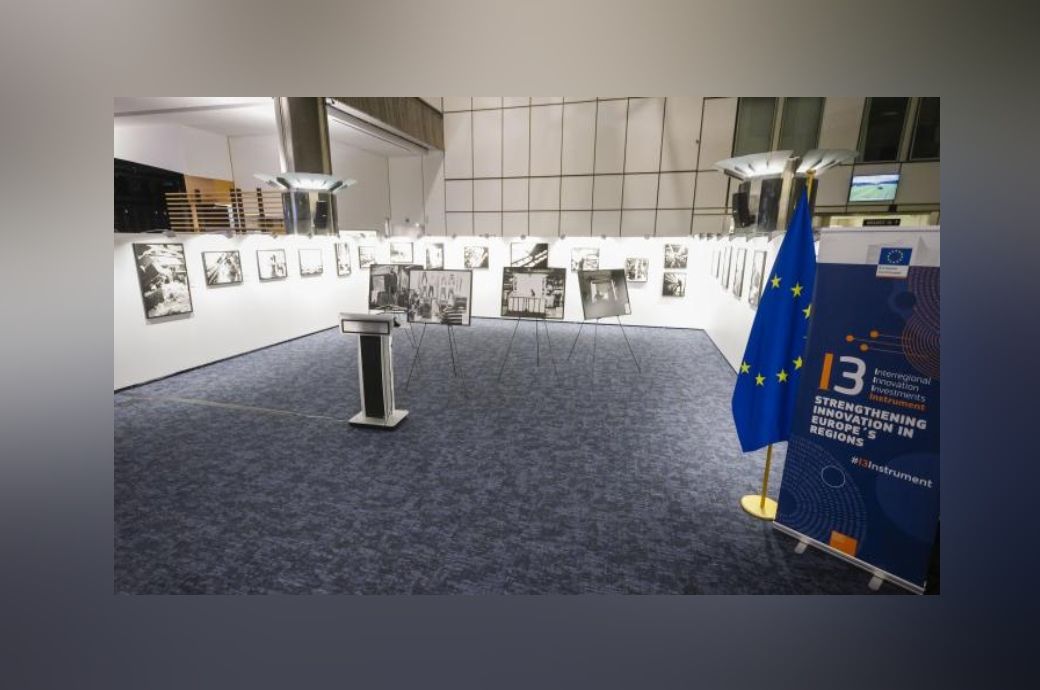
RegioGreenTex was one of the first projects funded under the Interregional Innovation Investments (I3) Instrument programme that focused on process, service and business model innovation, developing advanced textile recycling technologies, regional recycling hubs, and a digital ecosystem for matchmaking and capacity building.
Five regional hubs mapped SME needs and developed services and value chains as well as tools that keep helping SMEs, an official release said.
The RegioGreenTex Digital Tool keeps matchmaking, sharing trainings and hosting the participants’ knowledge base.
The Waste Wizard shows how artificial intelligence-enhanced matchmaking can link leftover textiles with the right reuse or recycling routes.
From recycled-content yarn processes (Tintex) to Recycrom low-impact dyeing (Officina39), ultrasonic quilting for full recyclability (Rovitex) and hybrid recycled-fibre yarns (Hilaturas Mar), the pilots showed concrete, repeatable ways to cut impact without losing performance.
The hubs are now open for collaboration, the digital tools are live and the pilot portfolio is primed for investors and adopters.
Fibre2Fashion News Desk (DS)


UK commits $1.25 mn to trade facilitation programme for 2026–29

Sweden’s H&M’s Q1 FY26 sales dip but margins improve on cost control

Italy again miss out on Fifa World Cup as Bosnia, Turkiye, Czechs, Sweden qualify

-

 Politics1 week ago
Afghanistan announces release of detained US citizen
-

 Sports1 week ago
Broadcast industry CEO says consolidation is ‘essential’ to compete for NFL soaring media rights prices
-

 Entertainment1 week ago
UN warns migratory freshwater fish numbers are spiralling
-

 Tech1 week ago
Can a Home Appliance Fix the Problem of Soft-Plastic Waste?
-
 Business1 week ago
Property Play: Home flippers see smallest profits since the Great Recession, real estate data firm says
-
 Business1 week ago
Gold prices soar in Pakistan – SUCH TV
-

 Fashion1 week ago
ICE cotton slips on weaker crude, profit booking
-
 Business1 week ago
More women are entering wealth management, but few are in advisory roles, study finds