

Business
No 10 says it backs pubs as landlords bar Labour MPs in tax protest

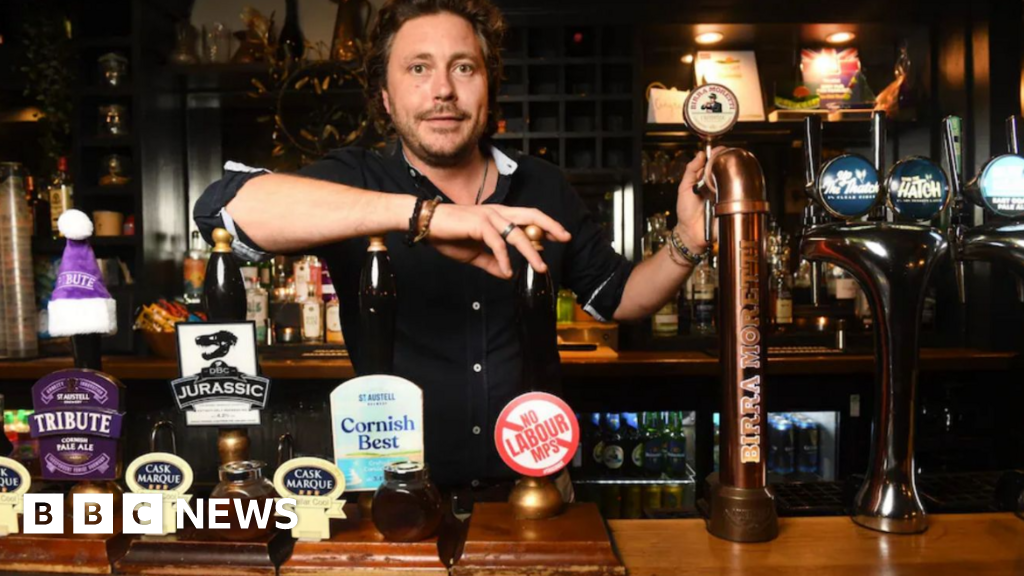
Downing Street has insisted the government backs pubs, as a growing number sign up to a campaign to bar Labour MPs from their premises in protest at tax rates.
The Labour MP ban was kicked off a week ago and more than 250 pubs, restaurants and hotels have signed up all over the country, including the Old Thatch in Dorset.
The Old Thatch landlord Andy Lennox said the protest was a last resort after multiple campaigns spelling out the need for tax cuts ended with higher taxes for hospitality.
But the prime minister’s official spokesman said the chancellor had delivered a £4.3bn support package for pubs, restaurants, and cafes because hospitality is a “vital part of our economy”.
He said: “Without this intervention pubs would have faced a 45% rise in bills next year. We’ve cut that down to just 4%.
“We’ve also maintained the draught beer duty cut, eased licences rules over pavement drinks and events, and capped corporation tax.
“These measures show we’re backing hospitality not abandoning it.”
Industry body UKHospitality disputes the government’s figures, both for the support package and the impact of intervention.
Asked how the prime minister felt about potentially being barred from his local pub over Christmas, the spokesman said: “The PM is obviously going to be working hard up to Christmas. I won’t get ahead of his Christmas plans.”
He refused to comment further on individual businesses’ polices.
But Mr Lennox said the campaign to bar the PM and other Labour MPs from pubs was only happening because the government had not responded to the hospitality industry’s needs.
The industry had mounted “huge, professional campaigning efforts”, including contacting every MP and hand-delivering letters to the Chancellor’s door, he told the BBC.
“Everyone is fed up because the Labour government hasn’t listened and instead has taxed us more.
“What’s really angered people is they they’re acting as if they haven’t – it’s as if somebody has pushed the wrong button and, instead of taxing Amazon and the warehouses they’re taxing us instead.
“We have been imploring our MPs for years because people are going out of business, and it’s not because they’re a bad business, but because they’re being taxed to oblivion.”
Mr Lennox said the landlord who sparked the campaign was neighbouring Dorset publican James Fowler, who was the first to put up the No Labour MPs stickers in the Larderhouse in Bournemouth on Saturday.
Bournemouth East’s Labour MP Tom Hayes, made a video reacting to the “No Labour MPs” sign that has gone up in one of his local pubs
The MP said: “It’s the Christmas season, it’s meant to be the joyful season, but the Larderhouse and other businesses with a “no Labour MPs” sticker in the window are undermining the inclusive culture that business owners locally have helped to nourish.
“My job has just got a million times harder because I can’t go and bang the drum for businesses with the Chancellor if I can’t speak to business owners because they’re banning me from doing so.”
Sounding upset, he added: “We need to get politics off the high street full stop, but especially at Christmas, when frankly we have enough playground politics over in parliament, we have enough division in our country.”
Mr Lennox said: The ban is a risky move for us to make and I understand the bridges I have burned.
“Tom Hayes is a good guy and he has engaged with us and signed letters, so there’s nothing wrong with Tom.
“But his frustration with landlords should be directed at his government, not the people who are having to protest like this.”
The UK’s 20% VAT rate for hospitality is one of the highest rates in Europe, with most countries charging about half that, and the Liberal Democrats called for a 5% VAT cut ahead of the Budget.
Mr Lennox said reducing the tax would “solve all the issues”, adding: “Cutting VAT will generate more growth and more taxation, so the government will make the money back but we’re allowed to make a profit first.”
Many businesses are also angry about changes to business rates, announced in last month’s Budget, that they say could add tens of thousands to their bills every year.
The government said it would calculate business rates for 750,000 High Street retail and hospitality firms using a lower percentage of the rateable value of premises, but this lower tax rate was not as generous as expected.
At the same time, many firms have seen their rateable value increase and face the phasing out of a Covid-era 40% discount from April.
The net result is that, despite some transitional relief, lots of them will see significant increases in their business rates bill.
Downing Street said the government was capping the business rate increases at 15% for most most properties and at £800 for the smallest.
From April there will be new, permanently lower tax rates for retail, hospitality and leisure, which he said will be the lowest in more than 30 years for small venues and would provide “certainty and stability for the future,” the spokesman said.
A key survey indicates growing doubt among shoppers over prospects for the UK economy in the next year.
Source link
Food delivery giant Just Eat, funeral firm Dignity and motor platform Autotrader are among five firms under investigation by the UK’s competition watchdog as part of its crackdown on fake and misleading online reviews.
The Competition and Markets Authority (CMA) said it had launched probes against the companies – also including customer review and feedback firm Feefo and Pasta Evangelists – to see whether consumer laws have been broken.
Since April last year, companies have been banned from certain tactics around online reviews under law, such as fake posts, paid-for reviews that are not clearly marked as incentivised, as well as for hiding negative feedback.
Sarah Cardell, chief executive of the CMA, said: “Fake reviews strike at the heart of consumer trust – with many of us worrying about misleading content when looking at reviews online.
“With household budgets under pressure, people need to know they’re getting genuine information – not reviews or star ratings that have been manipulated to push them towards the wrong choice.
“We’ve given businesses the time to get things right. Now we’re deploying our new powers to tackle some of the most harmful practices head on.”
The CMA said it was looking into whether Just Eat’s ratings system had inflated some restaurant and grocer star ratings, giving a misleading picture of quality.
For Autotrader and Feefo, the CMA is investigating whether a number of one-star reviews – moderated by Feefo, which handles reviews for the new and used car site – were hidden on the platform and did not count towards the star ratings.
Dignity is under investigation by the CMA into whether it asked staff to write positive reviews about the firm’s crematoria services.
And artisan fresh pasta chain Pasta Evangelists is being probed over allegations it offered customers discounts for leaving five-star reviews on delivery apps without this being disclosed.
If the CMA finds the firms have broken the law, it can order them to change their practices and fine them up to 10% of their annual global sales.
An Autotrader spokesperson said: “We endeavour always to operate as a responsible and compliant business and will co-operate fully with the CMA’s investigation.”
It comes after the CMA recently secured commitments from Google and Amazon to beef up their systems to identify and remove fake reviews.
Amazon last June agreed to put in place “robust processes” to quickly detect and remove fake reviews alongside sanctions for rogue sellers and businesses after an investigation by the CMA to curb the customer hazard.
The tech giant said it would sanction businesses that boost their star ratings via bogus reviews or catalogue abuse, including bans from selling on the website, while users could also be banned for posting fake reviews.
Consumer group Which? welcomed the investigations and said the CMA must “get tough” on firms found to be breaking the law with reviews.
Sue Davies, head of consumer rights policy at Which?, said: “Investigations are a welcome first step, but enforcement will be key – the regulator must be prepared to get tough, use its powers and issue serious fines if these companies aren’t playing by the rules.”
The CMA said it swept more than 100 review publishers as part of the clampdown and sent advisory letters to 54 firms to improve their compliance with the law, with 90% having made changes in response and 75% telling the watchdog they better understood the rules.
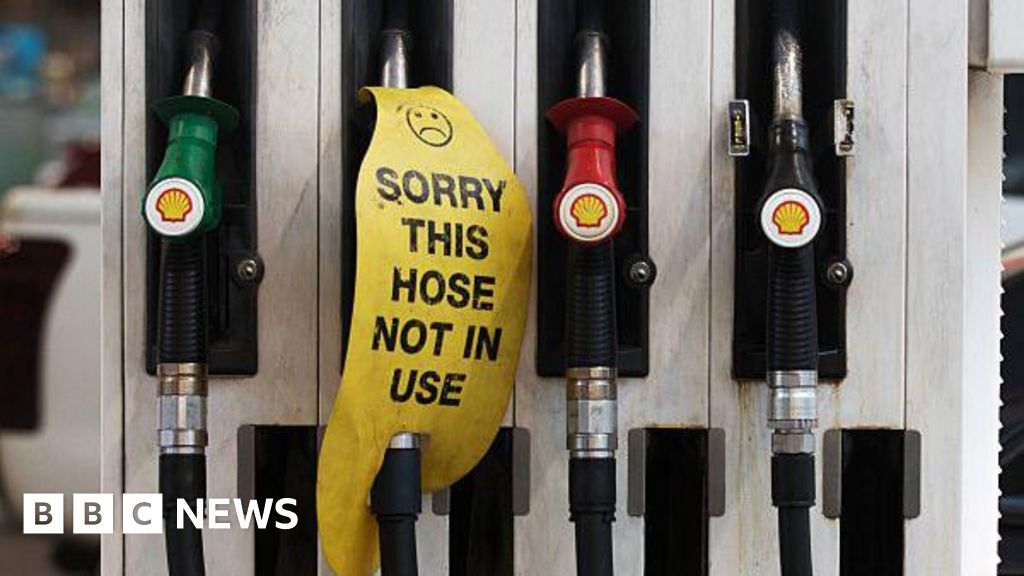
Anthony Albanese says nation’s supply remains “secure” amid reports of panic buying and shortages.
Source link

Consumer confidence hit by ‘ripple of fear’ over Iran war

Transfer rumors, news: Could Foden leave Man City this summer?

Germany’s ifo index drops to 86.4 in March as uncertainty weighs on

-
 Fashion1 week ago
Sales at US apparel, clothing accessories stores up 4% YoY in Jan 2026
-

 Entertainment1 week ago
Val Kilmer revived 1 year after death through AI
-
 Fashion1 week ago
US’ G-III Apparel’s FY26 sales fall 7% to $2.96 bn
-
 Business1 week ago
Brits cashing in jewellery as gold price hits record high
-

 Sports1 week ago
March Madness 2026 – How to watch in SA, start time, schedule, TV channel for NCAA championship basketball tournament
-

 Fashion6 days ago
China’s textile & apparel exports surge 17% to $50 bn in Jan-Feb 2026
-
 Business1 week ago
Video: The Effects of High Oil Prices
-
 Business6 days ago
Flipkart group CFO to leave co amid IPO plans – The Times of India