

Fashion
OETI Slovakia launches ‘Fit & Proof’ label for garment testing


The label provides manufacturers of apparel, personal protective equipment (PPE), and uniforms with independent garment testing for fit, workmanship, and durability. The service is now available at the new OETI location in Žilina, Slovakia.
OETI Slovakia has launched the ‘Fit & Proof’ label offering independent testing for garment fit, workmanship, and durability.
Based in Žilina, it supports apparel, PPE, and uniform manufacturers.
The service helps brands cut return rates, detect flaws early, and ensure consistency.
It also aids retailers, e-commerce, and public procurement in verifying garment quality and performance.
The goal is to ensure product quality, reduce return rates, and verify garment fit in accordance with customer specifications and the finished size chart.
Broad Field of Application: for Retail, E-Commerce, and Public Procurement
Private-label retailers and brands can communicate their quality standards transparently with the label. Online retailers benefit from reduced return rates due to improved fit. Public institutions gain assurance during the tendering and procurement process for fit and durable, tested garments.
Detect Defects Early, Minimise Complaints
The ‘Fit & Proof’ label is based on comprehensive Fit testing on real test subjects by our experienced clothing engineers – a key advantage over standard material tests.
The service includes:
- Fit testing: With real test wearers to assess size consistency and pattern accuracy
- Workmanship assessment: Visual and functional checks of seams, closures, and construction details
- Durability testing: Stress tests simulating washing, abrasion, and everyday wear to determine long-term product performance
These analyses help manufacturers and brands identify potential weaknesses early and optimise product quality. At the same time, independent validation and transparent customer communication with the OETI ‘Fit & Proof’ label enhance brand reputation and strengthen competitive positioning.
“Many manufacturers only test materials, but not the finished garment,” says Dana Rástocná-Illová PhD, Managing Director of OETI Slovakia. Our goal is to help manufacturers and brands to detect product flaws early and reduce returns and complaints.’
International Demand for Verified Garment Quality
‘We are pleased now to offer the ‘Fit & Proof’ service internationally. Our global OETI offices – including our location in Bangladesh – have already expressed strong interest in actively promoting this service in their markets,’ adds Dr Miriam Scheffelmeier, Head of Global Marketing & Sales at OETI.
The new location in Žilina expands OETI’s lab infrastructure and enables close cooperation with local universities and international brands.
As part of the TESTEX Group, OETI Slovakia offers internationally recognised testing and certification services, ensuring greater transparency, sustainability, and quality throughout the global textile and leather supply chain.
Note: The headline, insights, and image of this press release may have been refined by the Fibre2Fashion staff; the rest of the content remains unchanged.
Fibre2Fashion News Desk (MS)








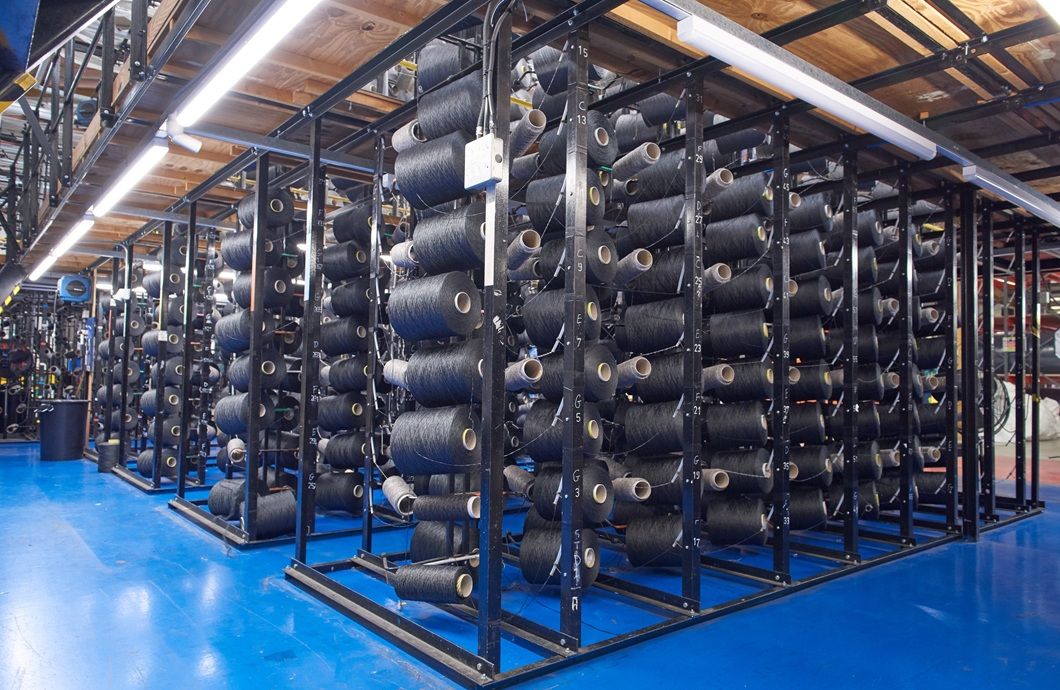
The April–June 2026 quarter marks a shift from price volatility to supply insecurity, with material availability becoming the key risk.
Synthetic fibres and chemicals are most exposed due to oil-linked costs and gas shortages, while freight is sharply raising landed costs.
Cotton is adding margin pressure, particularly impacting smaller manufacturers.
Source link
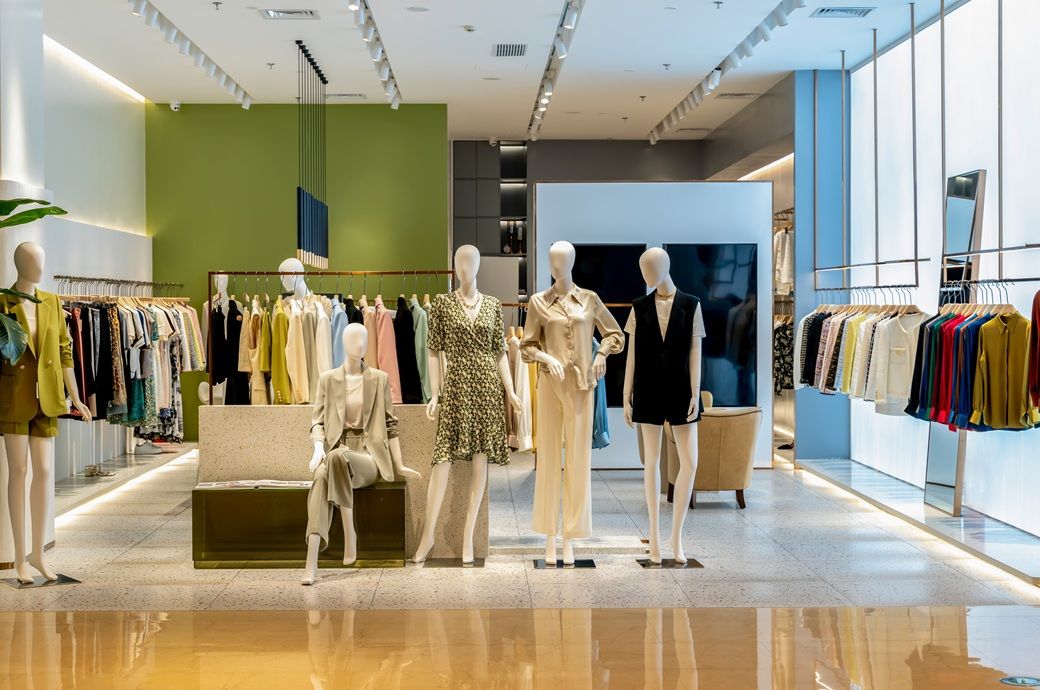
The move follows Lulus’ recent rollout across all Nordstrom stores nationwide and reflects a broader strategy to expand reach and drive incremental revenue. As stated in the press release, each partnership offers curated assortments tailored to platform-specific customer behaviour.
Lulus has expanded its wholesale strategy with a new Amazon storefront and an online partnership with Victoria’s Secret.
Building on its Nordstrom rollout, the move enhances reach and revenue potential.
Curated assortments tailored to each platform aim to engage modern shoppers, supporting scalable growth and strengthening the brand’s presence across key retail channels.
“Today’s customer shops across platforms, and our goal is to show up for her in each of those moments with intentional, elevated product, that is distinctly Lulus,” said Crystal Landsem, CEO at Lulus. “By offering curated assortments across Amazon and Victoria’s Secret, we’re expanding access to our brand in a way that’s thoughtful, strategic, and aligned with how women shop now.”
The Amazon storefront features a curated dress assortment, including many exclusive styles, while the Victoria’s Secret collaboration introduces an online-only range targeting digitally engaged shoppers. The company noted in the press release that these initiatives support scalable growth and strengthen brand relevance.
As Lulus enters its 30th year, it is focusing on disciplined growth, scalable distribution, and long-term brand building. Alongside its Nordstrom expansion, launches on Amazon and Victoria’s Secret strengthen its position as a digitally driven brand with rising influence in modern fashion retail.
Fibre2Fashion News Desk (JP)

Support will be provided through two-way contracts for difference, where a competitively determined strike price ensures revenue stability. If alternative fuel prices fall below this level, the Italian government will compensate producers; if they exceed it, producers will repay the difference. The scheme will run until 31 December 2029.
The European Commission has approved a €6 billion (~$6.5 billion) Italian state aid scheme to produce 200,000 tonnes of renewable hydrogen annually.
Using contracts for difference, the programme will support decarbonisation in transport and industry by ensuring price stability, while promoting investment, competitiveness, and emissions reduction across high-impact sectors.
The Commission concluded that the measure is necessary, proportionate, and incentivises investment that would not occur without public support. It also found that the environmental benefits, particularly in reducing emissions from hard-to-abate sectors, outweigh potential competition distortions.
Fibre2Fashion News Desk (JP)


MrBeast sparks panic with YouTube exit announcement

Supreme Court justices skeptical of Trump order to restrict birthright citizenship

FDA Approves Eli Lilly’s GLP-1 Pill

-

 Politics1 week ago
Afghanistan announces release of detained US citizen
-

 Tech1 week ago
Can a Home Appliance Fix the Problem of Soft-Plastic Waste?
-

 Sports1 week ago
Broadcast industry CEO says consolidation is ‘essential’ to compete for NFL soaring media rights prices
-

 Entertainment1 week ago
UN warns migratory freshwater fish numbers are spiralling
-
 Business1 week ago
Property Play: Home flippers see smallest profits since the Great Recession, real estate data firm says
-
 Business1 week ago
Gold prices soar in Pakistan – SUCH TV
-

 Fashion1 week ago
ICE cotton slips on weaker crude, profit booking
-
 Business1 week ago
More women are entering wealth management, but few are in advisory roles, study finds