

Business
Pakistan’s power tariff changes must not hurt middle and lower-income families: says IMF – SUCH TV


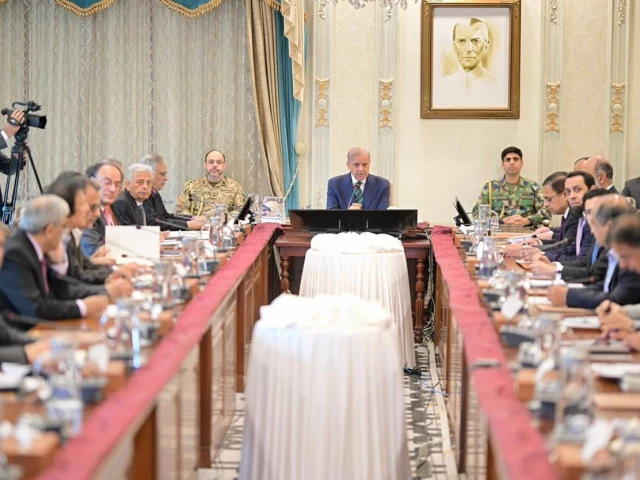
The International Monetary Fund is discussing proposed electricity tariff revisions with Pakistan authorities, the fund said in a statement to Reuters on Saturday, adding that the burden of the revisions should not fall on middle‑ or lower‑income households.
“The ongoing discussions with the authorities will assess whether the proposed tariff revisions are consistent with these commitments and evaluate their potential impact on macroeconomic stability, including inflation,” it said in its statement.
The federal government announced a proposed tariff overhaul that analysts said would lift inflation while easing pressure on industry, as it seeks to meet conditions under its $7 billion Extended Fund Facility (EFF) ahead of another review of the programme.
The EFF is a longer‑term IMF loan programme designed to help countries address deep‑seated economic weaknesses and medium‑term balance‑of‑payments problems.
Electricity carries significant weight in the consumer price index, making tariff adjustments highly sensitive at a time when inflation, though sharply lower than its near-40% peak in 2023, remains a key political and economic pressure point.
The power sector has long been weighed down by circular debt — a chain of unpaid bills and subsidies that accumulates across generation companies, distributors, and the government — prompting repeated tariff increases under IMF-backed reforms since 2023.
The accumulation of power sector circular debt has been contained within programme targets, supported by improved performance on recoveries and loss prevention, the Fund added.
Hard on households, helpful to industries
The plan, ending a system where businesses subsidised household energy bills, could trigger a 1.1 percentage point jump in inflation over 12 months, analysts at Optimus Capital Management said.
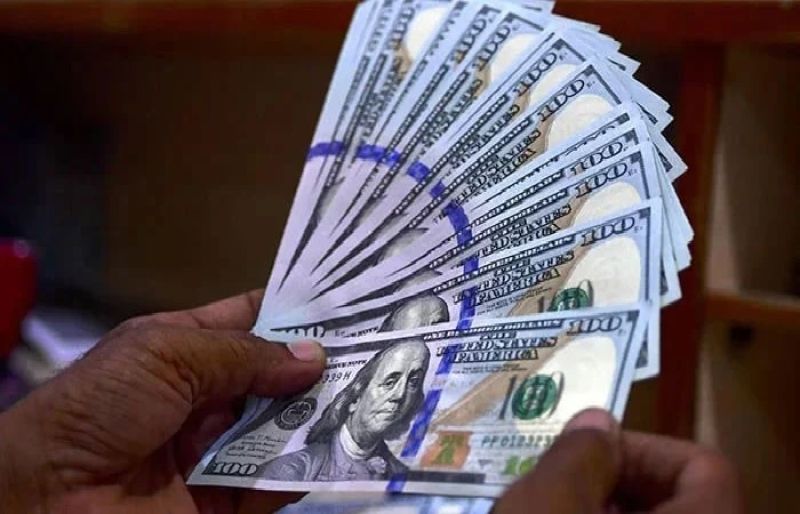
Analysts say the plan, which only needs formal approval to come into effect, will cause industrial prices to fall between 13% and 15% and remove 102 billion ($365 million) rupees in subsidies.
That means middle-class households will have to pay roughly 50% more for power, the analysts estimated.
Inflation backdrop
The country endured one of Asia’s highest inflation spikes in 2023, nearing 40%, driven by a weakening rupee, rising fuel costs and price hikes linked to IMF-backed reforms.
Although inflation has since slowed to 5.8%, analysts warn the changes to power prices could add inflationary pressure.
The power ministry and the IMF did not respond to a request for comment.
Ahtasam Ahmad, Energy Finance Program Lead at consultancy Renewables First, said that because purchasing power for the average household had significantly declined, the change “adds to the compounding effect of inflation which we have experienced post-2022.”
The pricing overhaul underscores tensions within Pakistan’s IMF programme, which has mandated steep utility price hikes since 2023 to support struggling state power firms.
Industrial groups say high prices erode export competitiveness in textiles and manufacturing.
Consumers using between 100 and 300 units of power monthly – representing a majority of paying residential users – will face rate increases of up to 76% due to new fixed charges under the pricing overhaul, according to Arzachel, a Karachi-based energy consultancy.
The lowest-income households using 1-100 units monthly will see fixed charges jump to Rs400 from zero, the National Electric Power Regulatory Authority (NEPRA) said on Monday.
Solar pricing in question
The regulator has also cut the rate paid to rooftop solar users exporting power to the grid, replacing a system that previously valued supplied and purchased electricity equally.
A record surge in solar installations has cut emissions and lowered bills for some households, but squeezed revenues at debt-laden utilities as demand for grid power declines.
Prime Minister Shehbaz Sharif on Wednesday ordered a review of NEPRA’s solar changes, directing officials to prevent a transfer of costs from 466,000 solar users to 37.6 million grid consumers.
“Excessively high fixed charges risk driving consumers toward full grid defection, undermining long-term system stability,” Arzachel said in a note on Tuesday.




Business
Adani group stocks rise up to 13%, add Rs 96,000 crore to market cap; what’s driving the rally? – The Times of India
Adani group stocks surged up to 13% on Wednesday after Gautam Adani moved a US court seeking dismissal of the Securities and Exchange Commission’s (SEC) civil case. The move has boosted investor sentiment across Adani Group firms.The rally followed a development in a New York federal court, where lawyers representing Gautam Adani said that they would seek dismissal of the case, arguing there was no credible evidence to support allegations of a bribery scheme, Reuters reported.The US District Court also granted a pre-motion conference in the matter, adding to market optimism.Which stocks surged?Shares of major Adani Group companies saw sharp gains during the session. Adani Green Energy jumped as much as 13% to hit an intraday high of Rs 1,046 on the BSE, while Adani Enterprises rose around 11% to Rs 2,090.Adani Ports and Special Economic Zone also gained significantly, while other group stocks including Adani Energy Solutions, Adani Power, Adani Total Gas, ACC and Ambuja Cements rose to 8%, according to ET.The sharp rally added nearly Rs 96,000 crore to the total market capitalisation of Adani Group companies during the day.What is the case about?The SEC had charged Gautam Adani and his nephew, Sagar Adani, in November 2024, alleging they orchestrated a scheme to pay or promise hundreds of millions of dollars in bribes to Indian government officials to benefit Adani Green Energy.The case is also linked to allegations that the company failed to disclose the scheme in documents related to a $750 million bond offering in 2021.In their court filing, the Adanis’ lawyers argued that the claims were “impermissibly extraterritorial,” highlighting that the alleged actions took place in India and the bonds were not traded on any US exchange.They also said there was no intent to defraud or negligence and no direct involvement of the Adanis in the bond offering.Investor sentiment was also supported by a positive outlook for Adani Green Energy. Global brokerage Macquarie maintained an “outperform” rating on the stock and raised its target price to Rs 1,320, implying a potential upside of around 43%.The brokerage cited strong capacity additions and projected robust growth, with EBITDA expected to grow at over 25% CAGR over the next five years.In addition, easing global tensions after the Iran-US ceasefire and a sharp fall in crude oil prices boosted broader market sentiment, lifting both Sensex and Nifty by around 4% and supporting gains across Adani Group stocks.Adani Group’s lawyers have said that they will formally seek a dismissal of the case by April 30.(Disclaimer: Recommendations and views on the stock market, other asset classes or personal finance management tips given by experts are their own. These opinions do not represent the views of The Times of India)

“Concerns about higher energy prices have pushed up inflation expectations, which in turn led to a rise in mortgage rates, reducing confidence that interest rates will be cut this year and dampening the initial momentum in the market seen at the start of the year.”

new video loaded: Unraveling the Mystery Behind Bitcoin’s Creator

By John Carreyrou, Sutton Raphael, James Surdam, Coleman Lowndes and Joey Sendaydiego
April 8, 2026


Indian central bank keeps repo rate unchanged

Prince Harry suffers setback ahead of Australia visit
Adani group stocks rise up to 13%, add Rs 96,000 crore to market cap; what’s driving the rally? – The Times of India

-
Uncategorized6 days ago
[CinePlex360] Please moderate: “Trump signals p
-
Uncategorized1 week ago
[CinePlex360] Please moderate: “Further tariff
-

 Entertainment5 days ago
Joe Jonas shares candid glimpse into parenthood with Sophie Turner
-

 Tech5 days ago
Our Favorite iPad Is $50 Off
-

 Fashion1 week ago
China’s Anta Sports posts record $11.62 bn revenue in 2025
-

 Politics5 days ago
Iran can sustain Strait of Hormuz closure for years, will cut US military logistics: Official
-

 Sports4 days ago
UConn Final Four run could trigger a $50M furniture giveaway for Massachusetts-based Jordan’s Furniture
-

 Politics1 week ago
Trump considers asking Arab allies to help to pay for Iran war