

Fashion
Portuguese brands headline shows at New York Fashion Week

Published
September 11, 2025
At a time when the United States’ tariff policy is causing uncertainty worldwide, APICCAPS (Portuguese Association of Footwear, Components, Leather Goods and Related Products Manufacturers) is seeing this moment as an opportunity for the Portuguese footwear sector and guarantees that it will maintain its investment in this market. Among the initiatives it has lined up, it is continuing partnerships between Portuguese brands and fashion designers.
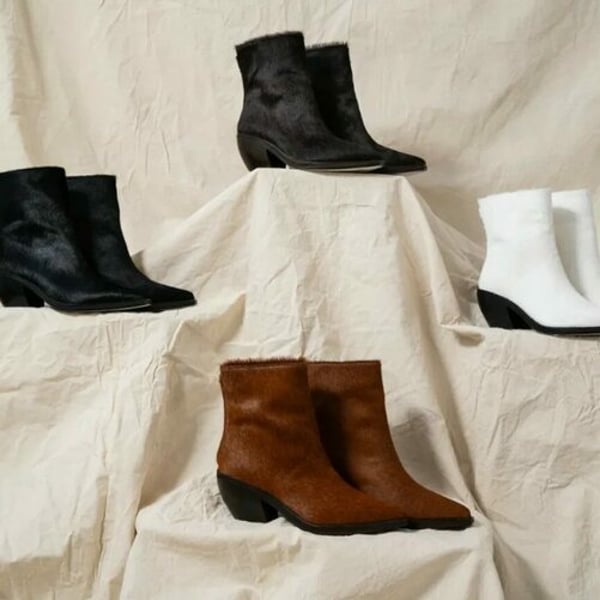
Following a project initiated in previous editions of New York Fashion Week, the association is once again bridging the gap between the two countries, facilitating collaboration between four Portuguese footwear companies and fashion brands, which are showcasing footwear made in Portugal at this edition of the New York fashion week, which kicked off this Thursday and runs until September 16..
The contemporary fashion brand Theophilio, founded by Edvin Thompson, took to the catwalk accompanied by footwear from Gladz, from Oliveira de Azeméis, while JJ Heitor collaborated with Kallmeyer, and the Helena Mar brand, born out of the PC Footwear company, teamed up with Libertine. Meanwhile, Mariano Shoes, founded in São João da Madeira in 1945, once again dressed the models of designer Patricio Campillo, repeating the collaboration from the February edition.
The Portuguese offensive to conquer the US market doesn’t stop there, however, Paulo Gonçalves, spokesman for APICCAPS, explained on the sidelines of the Milan fairs MICAM and MIPEL, where the sector was present with more than 40 companies.
Stressing that the United States is currently the 6th destination for Portuguese footwear, which has doubled its exports to the country in the last decade, Gonçalves believes that, by the end of the decade, this market will be in the top 3. “We are developing a series of initiatives in the United States because we believe it is an absolutely strategic market for the future of our industry. We’re not giving up on this market. On the contrary, we’re going to reinforce our investments in the North American market.”
In addition to the partnership within the scope of New York Fashion Week, the association has invested in its presence at different American fairs and has established a protocol with the Fashion Institute of Technology, the leading fashion college in the United States, based in New York, under which two dozen students will travel to Portugal to get to know the industry.
This article is an automatic translation.
Click here to read the original article.
Copyright © 2025 FashionNetwork.com All rights reserved.









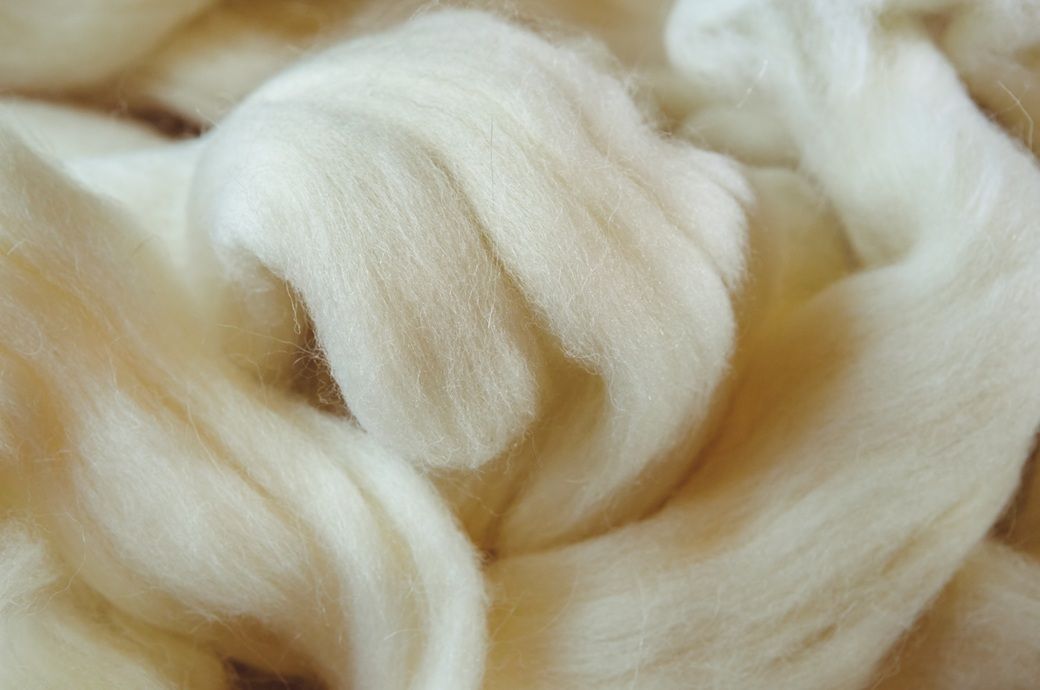
“The price weakness was most evident in the 18.5–21 micron Merino fleece range, particularly in Southern and Western regions, where declines of 40–60 cents were recorded. Crossbred wool prices also eased, while the Northern market showed some firmness in 20–21 microns,” said Australian Wool Innovation (AWI) in its week 39 commentary.
Australian wool prices declined this week, with the Eastern Market Indicator (EMI) falling 27 cents to 1,724 c/kg amid buyer caution and rising logistics costs.
Weakness was led by Merino fleece, while crossbreds also eased.
Strong auction volumes and increased supply reduced competition, signalling a pause after sustained price gains.
Market sentiment was impacted by increased supply, with offerings nearing 40,000 bales. Pass-in rates stood at 9 per cent nationally and over 13 per cent in the West, signalling growing seller resistance. Despite lower annual production, supply levels remain elevated, partly supported by broker and farm-held stocks, the AWI commentary noted.
Rising freight costs linked to Middle East tensions and sustained supply are expected to test market stability. Around 37,815 bales are scheduled for sale next week, the AWI commentary added.
Fibre2Fashion News Desk (CG)
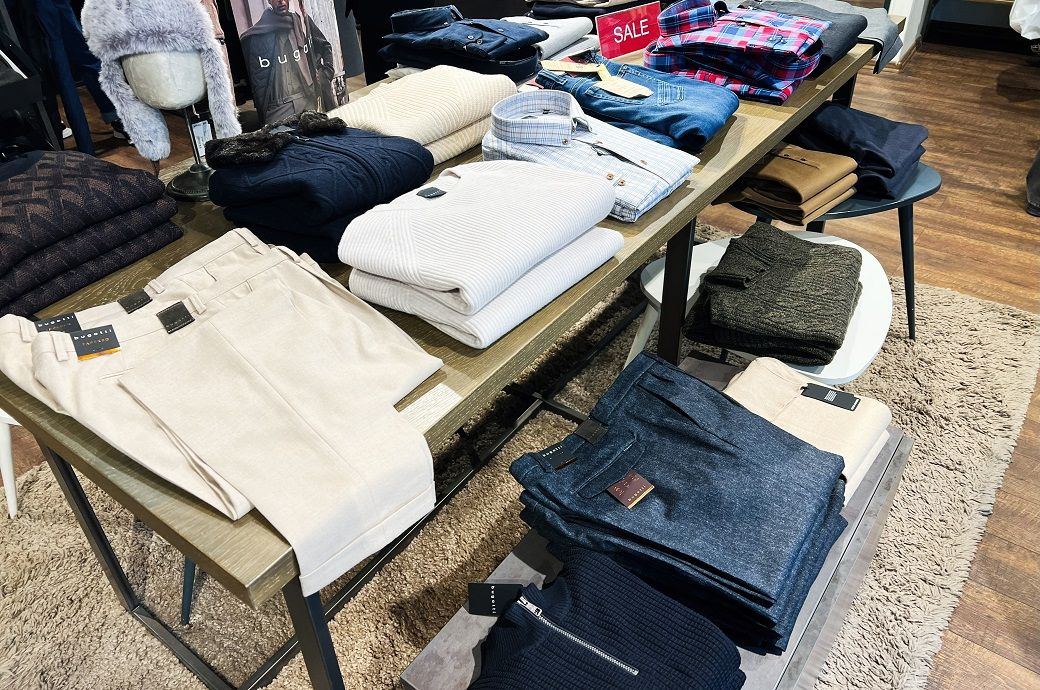
Ukraine’s apparel imports increased from $***.*** million in **** and $***.*** million in ****, reflecting a steady recovery in demand. However, Turkiye’s exports dropped to $***.*** million in ****, reducing its share to **.** per cent from **.** per cent in **** and a dominant **.** per cent in ****, when it was the leading supplier, according to *fashion.com/market-intelligence/texpro-textile-and-apparel/” target=”_blank”>sourcing intelligence tool TexPro.
China emerged as the top supplier in ****, with shipments valued at $***.*** million, accounting for **.** per cent of total imports, only marginally higher than **.** per cent in ****. Bangladesh continued its strong growth trajectory, supplying $***.*** million and capturing a **.** per cent share, up significantly from **.** per cent in ****.



How Cole Hutson is taking a role in the next wave for the Capitals

Men’s March Madness live tracker: Updates from every Sweet 16 game Thursday

Man City to seek Rodri talks amid Real Madrid links – sources

-
 Fashion1 week ago
Sales at US apparel, clothing accessories stores up 4% YoY in Jan 2026
-
 Fashion1 week ago
Spain’s Inditex FY25 sales rise 3.2% to $46.28 bn amid strong demand
-

 Entertainment1 week ago
Val Kilmer revived 1 year after death through AI
-

 Politics1 week ago
Iran strikes Tel Aviv with cluster-warhead missiles in retaliation of Larijani’s martyrdom
-

 Sports1 week ago
March Madness 2026 – How to watch in SA, start time, schedule, TV channel for NCAA championship basketball tournament
-
 Fashion1 week ago
US’ G-III Apparel’s FY26 sales fall 7% to $2.96 bn
-

 Politics1 week ago
US judge directs Trump administration to bring VOA employees back
-
 Business1 week ago
Brits cashing in jewellery as gold price hits record high