

Business
PSX jumps 4,347 points on peace efforts | The Express Tribune

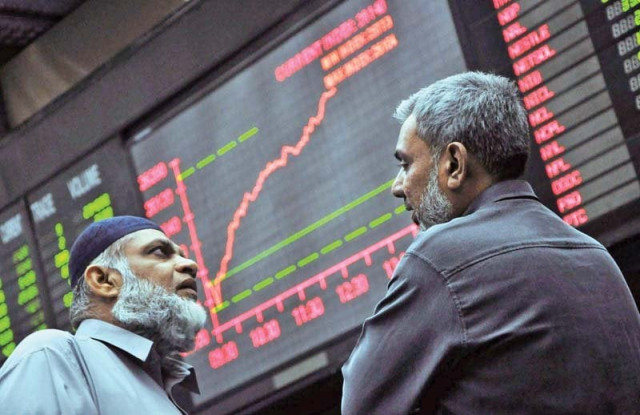
Foreign funds would divert their liquidity into buying Pakistan’s stocks. This would merely increases prices of shares and be profitable for those who already hold stocks. PHOTO: FILE
KARACHI:
A strong wave of buying swept through the Pakistan Stock Exchange (PSX) on Wednesday as easing geopolitical concerns and expectations of a drop in oil prices kept investors upbeat.
While the overall trend remained firmly positive, some volatility was witnessed during midday trading. Market momentum strengthened later, where the benchmark KSE-100 index gradually gained 3,424 points by 2pm. During the day, the index reached the intra-day high of 158,586 and low of 155,200. By the close, the bourse had climbed by 4,347.08 points, or 2.82%, and settled at 158,313.45.
Investor sentiment drew strength from reports that Pakistan may assume a mediatory role between the US and Iran to resolve the regional dispute. The market saw stock buying in sectors such as auto assemblers, cement, commercial banks, fertiliser, oil and gas exploration, oil marketing, power generation and refineries.
The KSE-100 surged 2.82% and stood above October lows near the 157k level, reinforcing signals that a major low may have been formed, said Arif Habib Limited (AHL) in its report. Meezan Bank (+6.16%), Fauji Fertiliser (+2.18%) and Systems Limited (+8.07%) contributed the most to the index gains while Service Industries (-1.95%), Colgate-Palmolive (-2.15%) and Highnoon Laboratories (-0.95%) emerged as the biggest index drags, it said.
Globally, oil prices were falling and a diplomatic push to end the US-Israel and Iran war was gathering pace as Washington drafted a 15-point plan to bring the conflict to a close. Also, the talk of Islamabad taking centre stage in mediation efforts would likely lead to additional positive outcomes for Pakistan, AHL mentioned. The next market move to watch for is the 200-day moving average around 158.7k, which may act as a support zone, it added.
KTrade Securities noted that the KSE-100 index staged a powerful rebound, closing up 4,347 points (+2.82%), as sentiment flipped decisively positive on improving macro cues and easing geopolitical worries. The move carried a strong momentum, with buyers stepping in aggressively and lifting the index out of its consolidation phase.
The rally was broad-based, led by heavyweight sectors where commercial banks, cement, oil & gas, and technology names all contributed meaningfully. The key index support came from strong performances by Meezan Bank, UBL and MCB Bank, while cement stocks including Fauji Cement and Lucky Cement also remained firm. In the energy sector, Hub Power and Oil & Gas Development Company contributed to the upside, whereas Systems Limited maintained its positive momentum in the technology space, KTrade said.



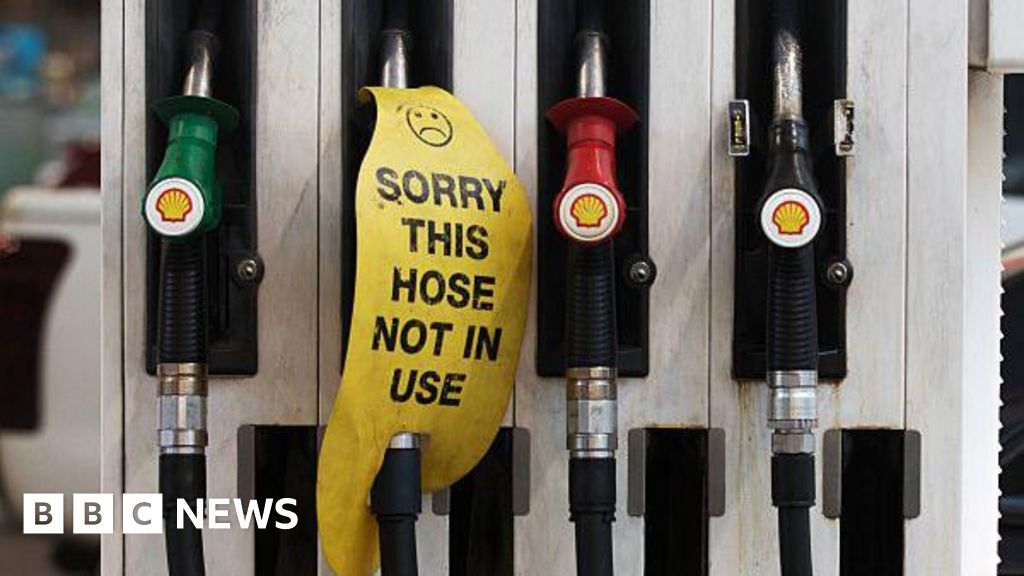
Anthony Albanese says nation’s supply remains “secure” amid reports of panic buying and shortages.
Source link

A woman has been awarded $6m in a verdict that could have implications for hundreds of other cases in the US.
Source link
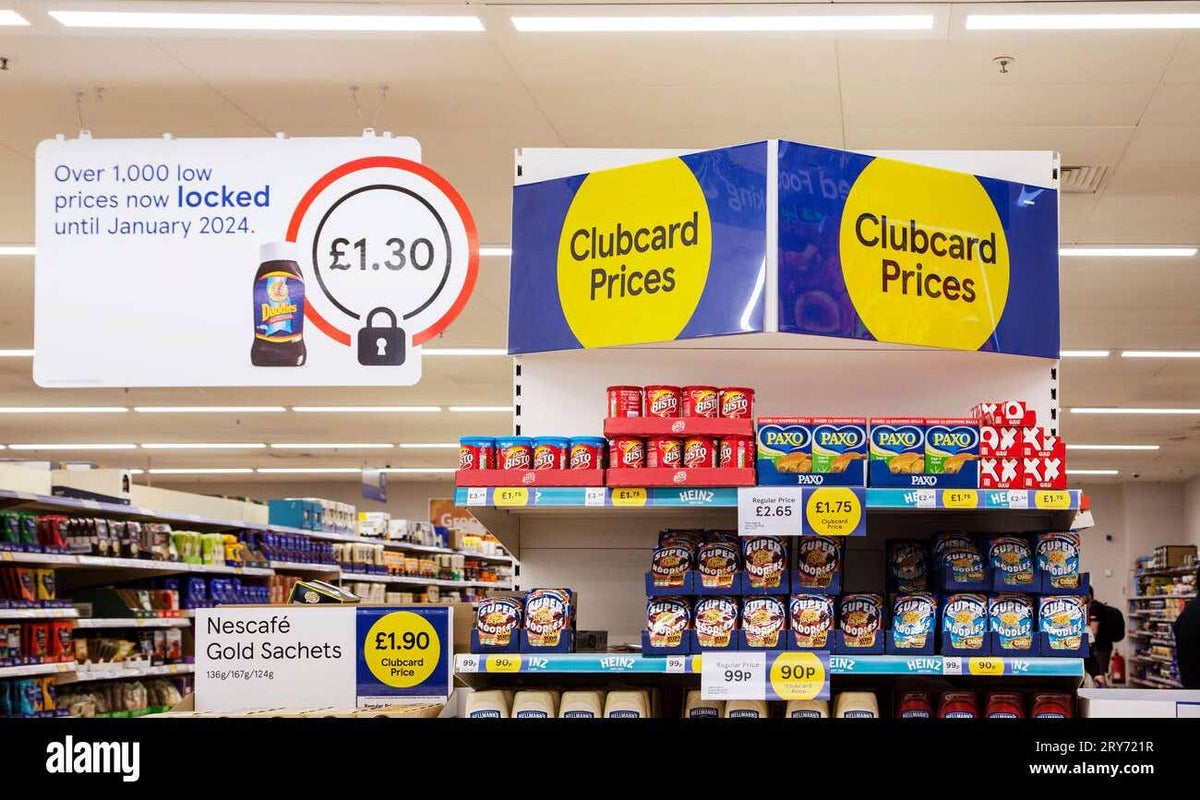
Tesco and Sainsbury’s customers are paying more than Waitrose shoppers for some common branded groceries if they are not using a loyalty scheme, analysis by Which? has found.
The watchdog compared a list of 245 branded items including Heinz, Nescafe and Mr Kipling in February, finding that it was, on average, most expensive for customers at Sainsbury’s and Tesco who were not using the Nectar or Clubcard loyalty schemes.
Which? acknowledged that most shoppers are part of a membership scheme, but said some may be unwilling to sign up to loyalty cards for reasons such as data privacy, while others have no choice because of eligibility criteria.
Tesco customers who are under 18 can not sign up to a Clubcard, although the supermarket has announced it will review this before the end of the year.
The Which? list of items was most expensive at Sainsbury’s for non-Nectar members at £942.66 – 14% more than the cheapest retailer in the study Asda, which cost £823.58.
Tesco followed behind Sainsbury’s, with its non-Clubcard price totalling 11% more than Asda at £916.56.
Which? said it did not include discounters Aldi and Lidl in the study because they did not stock a sufficiently large range of branded goods.
Both Tesco and Sainsbury’s – the UK’s two largest grocers – were more expensive for non-members of their loyalty schemes than Waitrose, which cost £899.05.
Waitrose was 9% more expensive than Asda and emerged as a “more competitive option”, Which? said.
Which? found several products that were cheaper at Waitrose, including Amoy Straight To Wok Noodles, which were on average £1.25 at both Waitrose and Morrisons but most expensive at Sainsbury’s and Tesco without a loyalty card at an average of £2.15 – a 72% difference.
Sea salt and vinegar Ryvita Thins were also cheapest on average at Waitrose at £1.25, but shoppers buying this product at Morrisons, Tesco, and Sainsbury’s without a loyalty card would all have paid an average of £2.30, making them 84% more expensive.
For customers with a Clubcard, Which? found that the same list of groceries at Tesco fell to £837.43 on average – just 2% more expensive than Asda.
Which? found various instances of branded products where the Tesco Clubcard price was the cheapest on average.
Carex Hand Wash was 95p at Tesco with a Clubcard but £1.70 at Waitrose where it was the most expensive.
Another example showed Kellogg’s Crunchy Nut cornflakes was £1.55 on average in February, while the highest average price among the supermarkets was at Waitrose where it cost £2.50.
Which? said the figures showed the “dramatic price gulf” created by loyalty pricing.
In one example at Tesco, Which? found a 200ml bottle of L’Oreal Paris Elvive Bond Repair Shampoo was double the price on average for shoppers without a Clubcard – at £13 compared to £6.50.
The higher price was also found at both Morrisons and Sainsbury’s.
Which? found that a 200g jar of Kenco Smooth coffee cost shoppers at Tesco and Sainsbury’s without a loyalty card £8.35 – the highest price on the market.
In contrast, the same jar was £7 at Waitrose and £6.32 at Asda, on average.
Similarly, Waitrose had the cheapest average price for Nescafe Gold Blend at £6.25, while non-members at Sainsbury’s were asked to pay £8.35.
Meanwhile, Which? found customers who used a Nectar card at Sainsbury’s could expect to pay only 3% more than Asda at £848.56 for the entire list of items.
Morrisons averaged 4% more expensive than Asda when using a More card and 5% more expensive without one.
Ocado was also 5% more expensive than Asda.
Which? retail editor Reena Sewraz said: “Our analysis reveals a shocking truth and shows the impact loyalty schemes have had on grocery pricing.
“Branded favourites can actually be cheaper at Waitrose than at the UK’s biggest supermarkets for shoppers who don’t use a loyalty card – something that would have seemed unthinkable until a few years ago.
“If you’ve got your heart set on specific brands, your best bet is to shop around, keep a close eye on the unit price, and stock up whenever you see a good deal – otherwise, you’re likely to end up paying way over the odds.
“While loyalty cards definitely offer some savings, if you don’t use one you’re better off heading to Asda, where the pricing is usually cheaper on a range of branded goods.”
A Sainsbury’s spokesman said: “We have invested over £1 billion in recent years to help keep prices low and we know more customers are choosing to do their shop at Sainsbury’s.
“We are committed to helping customers access great quality at lower prices and remain focused on offering outstanding value across thousands of products through our Aldi price match scheme, Nectar prices, Your Nectar Prices and our own-brand value lines.”
A spokesman for Tesco said: “It’s no secret that Tesco Clubcard unlocks exceptional savings for the 24 million UK households who have one.
“More than 80% of our sales are made with a Clubcard – but it’s just one of the ways our customers get great value.
“Though everyday low prices we keep prices consistently low on thousands of branded products, and our Aldi price match ensures shoppers can be confident they’re getting competitive prices.”


WTO launches 3rd phase of Enhanced Integrated Framework

Time to hold the line

Vietnam overtakes China in US jackets, blazers imports

-
 Fashion1 week ago
Sales at US apparel, clothing accessories stores up 4% YoY in Jan 2026
-

 Entertainment1 week ago
Val Kilmer revived 1 year after death through AI
-
 Fashion1 week ago
US’ G-III Apparel’s FY26 sales fall 7% to $2.96 bn
-
 Business1 week ago
Brits cashing in jewellery as gold price hits record high
-

 Sports1 week ago
March Madness 2026 – How to watch in SA, start time, schedule, TV channel for NCAA championship basketball tournament
-
 Business1 week ago
World’s largest mining group names new chief executive
-

 Fashion6 days ago
China’s textile & apparel exports surge 17% to $50 bn in Jan-Feb 2026
-

 Fashion1 week ago
Suez and Hormuz shut together, triggering global supply shock