

Fashion
Sophie Kinsella, the Shopaholic series’ bestselling author, dies aged 55


By
Ansa
Translated by
Nicola Mira
Published
December 11, 2025
Sophie Kinsella, the highly popular British author whose bestselling novels have been translated the world over, notably the Shopaholic series, died just before her 56th birthday from a brain tumour she had been diagnosed with in late 2022.
Kinsella faced her condition with great courage, and described her experience in her last book, published in 2024, poignantly entitled What Does It Feel Like?
“We are heartbroken to announce the death this morning of our beloved Sophie (alias Maddy, alias Mummy),” posted Kinsella’s family, her husband Henry Wickham and their five children, as they gave the news of the author’s passing. “Despite her illness, which she endured with unimaginable courage, Sophie considered herself very fortunate to have such a wonderful family and friends, and to have had an extraordinarily successful writing career. She took nothing for granted and has always been grateful for the love she received,” the family added.
Kinsella, whose real name was Madeleine Sophie Townley, would have turned 56 in two days’ time and, as her family pointed out, she and her loved ones tried to make the most of their final days together. Kinsella, whose books sold 50 million copies and have defined chick lit as a genre, revealed her health problems to her many readers last year. She was diagnosed with glioblastoma, an aggressive form of brain cancer, and underwent surgery as well as several rounds of radiotherapy and chemotherapy.
“I didn’t reveal this earlier because I wanted to make sure my children were able to hear and process the news privately, adapting to our new normal,” she told her community of fans. Many of them, upon learning of the author’s death, paid tribute to her on social media.
The search for positive meaning despite a traumatic illness was at the heart of Kinsella’s last novel, in which the protagonist, a famous writer called Eve, begins to gather the memories of what really matters to her: long walks holding her husband’s hand, evenings spent playing parlour games with her family, and the treat of buying a dress she likes. The novel is made up of short chapters, each attempting to answer the most difficult issues shared by those navigating the labyrinth of pain. The book was also a way of staying close to those dealing with cancer, as Kinsella herself did in some of her statements after she revealed her illness.
Kinsella was born in the London suburb of Wandsworth on December 12, 1970. She graduated in PPE at Oxford University and briefly worked as a finance journalist before starting to write romance novels aged 24. She gained global fame – after publishing a few well-liked novels under her real name – with The Secret Dreamworld of a Shopaholic, published in 2000 as Sophie Kinsella, soon followed by Shopaholic Abroad. Then came another eight titles in the Shopaholic series and 13 standalone novels, from Can You Keep a Secret? (2003) to The Burnout (2023) and What Does It Feel Like? (2024), as well as a handful of young adult novels. The first two Shopaholic books were adapted into the film Confessions of a Shopaholic, released in February 2009 with Isla Fisher in the title role.
In 1991, Kinsella married Henry Wickham, whom she had met at Oxford. Together they had five children, and lived between Dorset and London, where she was treated.
Copyright © 2025 ANSA. All rights reserved.






These countries are particularly vulnerable to rising oil prices and potential supply disruptions, it noted in a recent article.
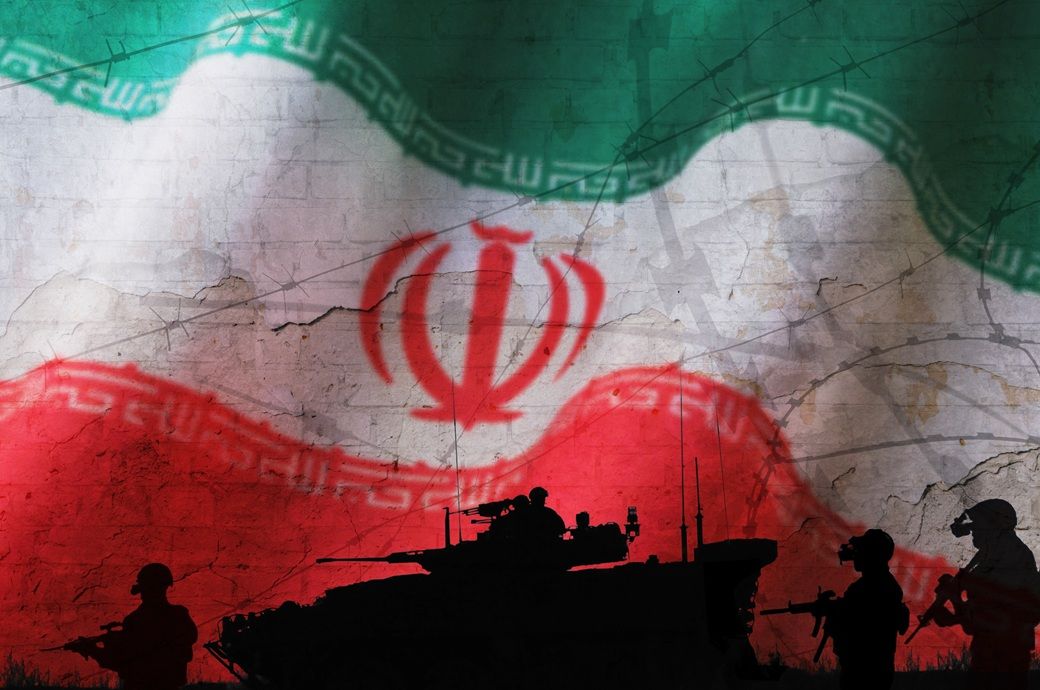
The Iran war poses a greater risk to Bangladesh, Pakistan and Sri Lanka, and to a lesser extent Laos, due to their high dependence on imported energy and limited reserves, S&P Global Ratings said.
These countries are particularly vulnerable to rising oil prices and potential supply disruptions.
All four governments are likely to see significant credit metric deteriorations, if the conflict is prolonged.
In our base case scenario, the war is unlikely to have a material impact on our sovereign ratings on these countries, but a more prolonged price and supply shock in global energy markets could cause more pronounced credit damage.
Pakistan, Sri Lanka, and Bangladesh are showing signs of economic recovery. The three countries have made progress, but sustained high energy prices and potential disruptions to trade and remittances could derail their fragile economies.
S&P Global Ratings believes the higher-income Asia-Pacific (APAC) economies are better placed to weather temporary disruptions to oil and gas supply from the Middle East.
Even where they are highly dependent on imported energy, they generally have more significant oil reserves to meet the shortfall in imports. They also have financial resources to acquire available supply in the spot oil and gas markets to secure needed energy, the rating agency noted.
Lower-income economies in the region do not enjoy such flexibility. The sovereign ratings on some may face pressure if the supply disruption persists longer than our assumptions. Bangladesh, Laos, Pakistan and Sri Lanka are among this group. These economies have one thing in common: a high dependence on imported energy products.
The Middle East war is likely to have a more severe impact on these economies, due to their fuel import bills, and generally weaker fiscal and external reserves to withstand supply shortages and high oil prices.
Among the four sovereigns, Laos is likely to fare better due to the dominance of hydropower in its energy mix.
Bangladesh, with government revenues at only around 9 per cent of gross domestic product, has fewer options to cap electricity and fuel prices through fiscal means.
All four governments are likely to see significant credit metric deteriorations, through inflation and currency channels, if the Middle East conflict is prolonged. However, the impact on the agency’s ratings on these sovereigns may be limited, as the generally low rating levels have already captured a significant share of the risks.
S&P Global Ratings’ base case for the Middle East war assumes that elevated hostilities will persist into early April, with the Strait of Hormuz facing material disruptions.
Fibre2Fashion News Desk (DS)
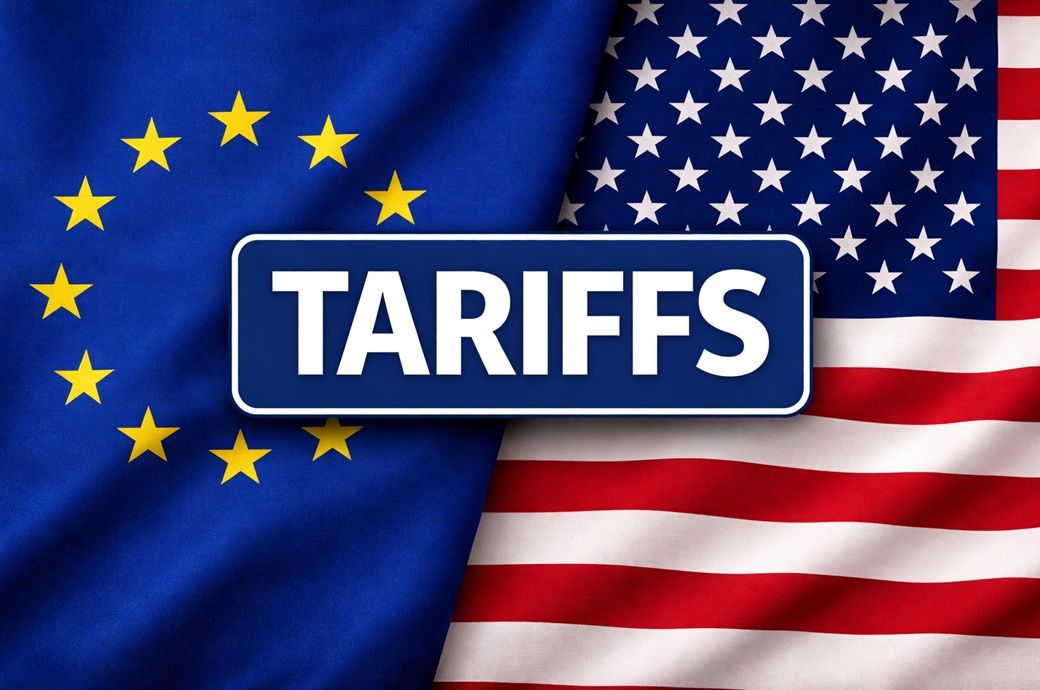
On July 27, 2025, in Turnberry, Scotland, US President Donald Trump and European Commission President Ursula von der Leyen reached a deal on tariff and trade issues, outlined in a joint statement published on August 25.
EU Parliament members have adopted their position on two proposals implementing the tariff aspects of the EU-US Turnberry trade deal.
The texts, if agreed with EU members, will eliminate most tariffs on US industrial goods and offer preferential market access for many US seafood and agricultural goods.
The members strengthened the proposed suspension clause, and introduced ‘sunrise’ and ‘sunset’ clauses.
The texts, if agreed with EU member states, will eliminate most tariffs on US industrial goods and provide preferential market access for a wide range of US seafood and agricultural goods, in line with the commitments made in summer 2025 between the EU and the United States.
The MEPs strengthened the proposed suspension clause, which would allow the tariff preferences with the US to be suspended under a number of conditions.
For instance, the Commission would be able to propose suspending all or some trade preferences if the US were to impose additional tariffs exceeding the agreed 15-per cent ceiling, or any new duties on EU goods, a release from the Parliament said.
The suspension clause could also be activated if the US undermines the objectives of the deal, discriminated against EU economic operators, threatened member states’ territorial integrity, foreign and defence policies, or engaged in economic coercion, it noted.
The MEPs have introduced a ‘sunrise clause’ that means the new tariffs would only become effective if the US respects its commitments. These conditions include the US lowering its tariffs on EU products with a steel and aluminium content below 50 per cent, to a tariff of maximum 15 per cent.
Furthermore, for EU products with a steel and aluminium content of above 50 per cent, unless the US reduces its tariffs to a maximum of 15 per cent, EU tariff preferences for US exports of steel, aluminium and their derivative products would cease to apply six months after the entry into application of the regulation.
The members also agreed on an expiry date for the main regulation on March 31, 2028. This could only be extended via a new legislative proposal, to be submitted following a thorough impact assessment of the effects of the regulation.
The European Commission would be tasked with monitoring the impact of the new rules and would be able to suspend the new tariffs temporarily, should US imports reach a level that could cause serious harm to EU industry.
Fibre2Fashion News Desk (DS)

The uncertainty has increased noticeably, with the ongoing conflict involving Iran weighing heavily on corporate confidence. The escalation has effectively stalled hopes of a near-term economic recovery, particularly as energy markets remain volatile, ifo said in a press release.
In the manufacturing sector, sentiment declined after showing improvement in recent months. The drop was driven largely by a significant deterioration in expectations, while firms also reported a less favourable view of their current business situation. Energy-intensive industries were particularly affected, underscoring the pressure from elevated input costs.
Germany’s business sentiment weakened in March, with the ifo business climate index falling to 86.4 from 88.4 amid rising uncertainty and the Iran conflict dampening recovery hopes.
Manufacturing saw a sharp drop in expectations, especially in energy-intensive sectors.
Trade sentiment also declined due to inflation concerns, although current conditions remained relatively stable across sectors.
The trade sector also registered a decline in sentiment, primarily due to a more pessimistic outlook. Concerns over rising inflation among German consumers have led to weaker expectations in both wholesale and retail segments, signalling subdued demand conditions ahead.
Despite the gloomier outlook, businesses in the trade sector reported a slightly improved assessment of their current situation. This suggests that while present activity remains relatively stable, confidence in future performance is deteriorating.
Fibre2Fashion News Desk (SG)


Illinois defense gets tough, ousts Houston to reach Elite Eight

More risk from Iran war to Bangladesh, Pakistan, Sri Lanka: S&P Global

Savannah Guthrie is returning to “Today” show on April 6, NBC says

-

 Entertainment1 week ago
Val Kilmer revived 1 year after death through AI
-

 Fashion6 days ago
China’s textile & apparel exports surge 17% to $50 bn in Jan-Feb 2026
-
 Business6 days ago
Flipkart group CFO to leave co amid IPO plans – The Times of India
-

 Sports7 days ago
Rating Adidas’ 2026 World Cup away shirts: Argentina, Spain, Mexico and more
-
 Business1 week ago
Video: The Effects of High Oil Prices
-

 Sports7 days ago
American Conference Commissioner Tim Pernetti thanks Trump for Army-Navy game executive order
-
Tech1 week ago
The Corsair 4000D RS PC Case Keeps Your System Cool
-

 Tech1 week ago
‘Uncanny Valley’: Nvidia’s ‘Super Bowl of AI,’ Tesla Disappoints, and Meta’s VR Metaverse ‘Shutdown’