

Business
SPI inflation accelerates to 5.19% YoY | The Express Tribune


A vendor arranges tomatoes on his pushcart. The kitchen essential was selling on pushcarts for Rs400-450 and in supermarkets at Rs550-580 due to short supply in the market. Photo: Jalal Qureshi/Express
KARACHI:
Short-term inflation, measured by the Sensitive Price Indicator (SPI), recorded a year-on-year increase of 5.19% for the week ended February 19, 2026, reflecting increasing pressure from food staples and household energy tariffs despite notable declines in several perishable commodities, official data showed on Friday.
According to the Pakistan Bureau of Statistics (PBS), the combined SPI rose to 335.67 points compared to 319.12 points in the corresponding week of last year, while also registering a 1.16% week-on-week increase, which signalled a renewed uptick in consumer prices for essential goods after a brief easing earlier this month.
The annual SPI rise was largely driven by sharp increases in key food items and utility charges. Tomato prices surged 85.2% year-on-year, followed by wheat flour (31.33%), gas charges for the first consumption slab (29.85%) and electricity tariffs (17.33%).
Other notable increases included bananas (15.83%), red chilli powder (15.2%), beef (13.28%) and liquefied petroleum gas (12.22%), highlighting the broad-based nature of cost pressures on household consumption baskets.
Conversely, several essential food items posted substantial annual declines, partially offsetting the inflationary impact. Potato prices dropped 45.43% year-on-year, garlic (27.51%), gram pulse (23.3%), chicken (19.36%) and onions (18.1%), which reflected improved supply conditions and base effects from last year’s price spikes.
On a weekly basis, the SPI accelerated mainly due to higher prices of fresh produce and administered energy costs. Bananas recorded a steep 16.05% week-on-week increase, while electricity charges rose 15.41%, followed by garlic (5.86%), chicken (5.49%), onions (3.83%) and tomatoes (3.82%). Fuel rate adjustments also contributed, with diesel and petrol climbing 2.69% and 1.93%, respectively.
PBS data showed that out of 51 essential items, prices of 17 items (33.3%) increased, 12 items (23.5%) decreased and 22 items (43.1%) remained unchanged during the week, indicating that inflationary momentum was concentrated in a limited but high-weight segment of the consumption basket.




The project was part of a package of tech investment promising the UK could become an AI superpower.
Source link

People gather at the Magic Kingdom theme park before the “Festival of Fantasy” parade at Walt Disney World in Orlando, Florida, U.S. July 30, 2022.
Octavio Jones | Reuters
Disney is planning to begin its next phase of cost cutting, which will include as many as 1,000 layoffs, according to a person familiar with the matter.
The cost-cutting initiative comes shortly after Josh D’Amaro took the helm as CEO in mid-March.
The layoffs are expected to mostly affect Disney’s marketing department, according to the person, who requested to speak anonymously because the moves had not yet been made public. That department was recently consolidated under Asad Ayaz, who was named chief marketing and brand officer in January.
Ayaz, who reports directly to D’Amaro and Dana Walden, Disney’s president and chief creative officer, oversees marketing for all of Disney’s divisions — entertainment, experiences and sports — in the newly created role. It’s the first time that Disney brought all of its units under one marketing chief.
Disney’s stock was slightly down in afternoon trading on Thursday. The layoffs were first reported by The Wall Street Journal.
The changes to the marketing department structure occurred in January, when Bob Iger was still CEO of the company. Disney announced shortly after that that D’Amaro would take take over the top job — a long-awaited decision for the company.
D’Amaro, who previously was chairman of Disney Experiences, succeeded Iger after a period of uncertainty for the media and theme park giant — which had included a succession race and recent reorganization and turnaround of the business.
Iger reclaimed the Disney CEO role in late 2022, about two years after his initial departure. He was immediately tasked with a turnaround of the business as its stock price had fallen and earnings began to miss expectations.
By February 2023, Disney had announced sweeping plans that reorganized the structure of the company, cut $5.5 billion in costs and eliminated 7,000 jobs from its workforce.
On D’Amaro’s first official day as CEO in March, he noted the work Iger had done to get the company past one of its most difficult periods.
“When Bob returned to the company a few years ago, his goal was to fortify our business and lay the groundwork for long-term growth, by reigniting creativity and improving performance at our studios, building a robust and profitable streaming business, transforming ESPN for a digital future, and turbocharging our parks and experiences,” D’Amaro said on stage at the company’s investor day.
“We’ve accomplished all of those things, and we’re operating from a place of strength, with ample opportunity for growth.”
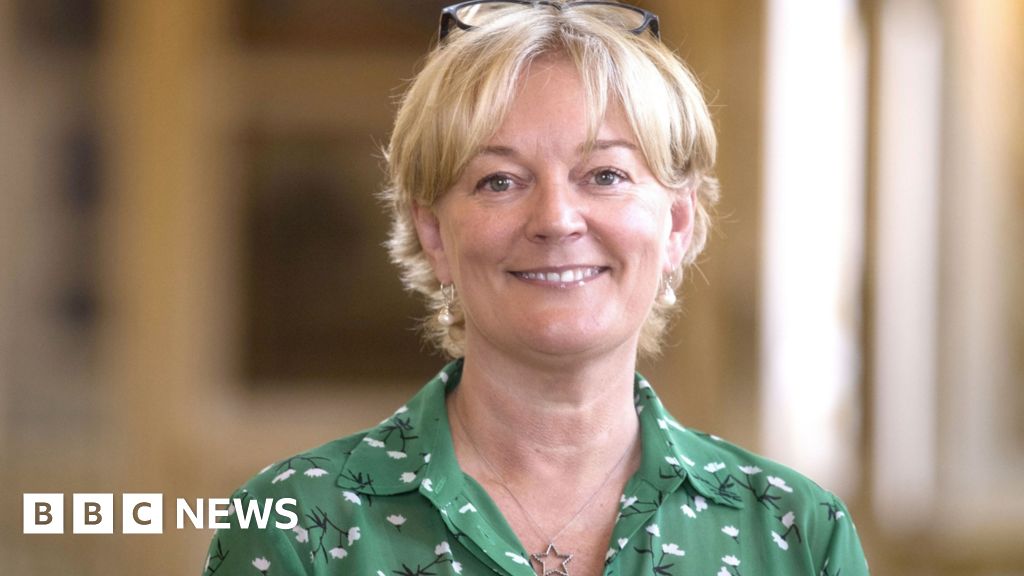
The British perfume designer and Zara are being sued by Estée Lauder over a collaboration.
Source link

[CinePlex360] Please moderate: “US fleet is mov

Trump administration dismantling US Forest Service: Here’s what it means

China Is Cracking Down on Scams. Just Not the Ones Hitting Americans

-
 Business1 week ago
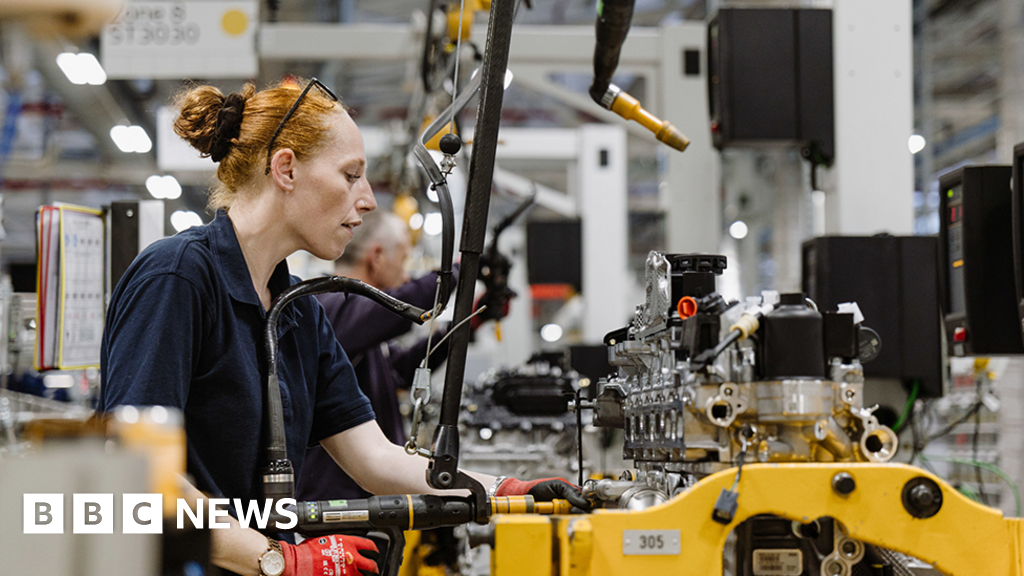
Jaguar Land Rover sees sales recover after cyber attack
-
Uncategorized1 week ago
[CinePlex360] Please moderate: “Trump signals p
-

 Entertainment6 days ago
Joe Jonas shares candid glimpse into parenthood with Sophie Turner
-

 Tech6 days ago
Our Favorite iPad Is $50 Off
-

 Fashion1 week ago
China’s Anta Sports posts record $11.62 bn revenue in 2025
-

 Politics6 days ago
Iran can sustain Strait of Hormuz closure for years, will cut US military logistics: Official
-

 Sports6 days ago
UConn Final Four run could trigger a $50M furniture giveaway for Massachusetts-based Jordan’s Furniture
-

 Entertainment6 days ago
Blake Lively reacts to harassment claims dismissal against Justin Baldoni