

Business
Stock market today: Nifty50 above 26,100; BSE Sensex down over 140 points – The Times of India


Stock market today: Nifty50 and BSE Sensex, the Indian equity benchmark Indies, opened in red on Friday on lacklustre global and domestic cues. While Nifty50 was just above 26,100, BSE Sensex was down over 140 points. At 9:16 AM, Nifty50 was trading at 26,101.30, down 41 points or 0.16%. BSE Sensex was at 85,267.87, down 141 points or 0.16%.Indian equity markets are expected to move in a narrow range as investors remain cautious in the absence of any major domestic economy triggers.Dr. VK Vijayakumar, Chief Investment Strategist, Geojit Investments Limited says, “With only four more trading days left for the year 2025, what looked like a Santa rally, appears to be running out of steam. In the absence of fresh triggers like a US-India trade deal, the market is likely to consolidate around the present levels. Higher US GDP growth of 4.3% for the third quarter of 2025 is imparting resilience to the US market. The high and rising profitability of US companies, including the AI ones, might nudge other FIIs, particularly the fleet footed hedge funds, to increase selling in India in the near-term.” “The sustained buying by the cash rich DIIs will support the market and prevent a sharp pull back. The ideal investment strategy for investors now is to remain invested in high quality large caps and slowly accumulate them on declines. A rally in the market in the early stage of 2026 is on the cards. Investors should give high weightage to value while deciding to invest. Irrational valuations in some of the IPOs and the willingness of the newbie investors to buy stocks at excessive valuations are reflections of exuberance in the market.”Asian markets saw modest gains on Friday amid thin trading conditions. Japanese and South Korean equities advanced, while several other regional markets remained closed for holidays. In the commodities market, silver surged to a record high, while gold traded close to its all-time peak.Oil prices edged higher on Friday after the United States stepped up economic pressure on Venezuelan oil exports and carried out airstrikes against Islamic State militants in northwest Nigeria at the request of the Nigerian government.On the institutional front, foreign portfolio investors were net sellers of Indian equities worth Rs 1,721 crore on Wednesday, while domestic institutional investors provided support by purchasing shares worth Rs 2,381 crore.(Disclaimer: Recommendations and views on the stock market, other asset classes or personal finance management tips given by experts are their own. These opinions do not represent the views of The Times of India)






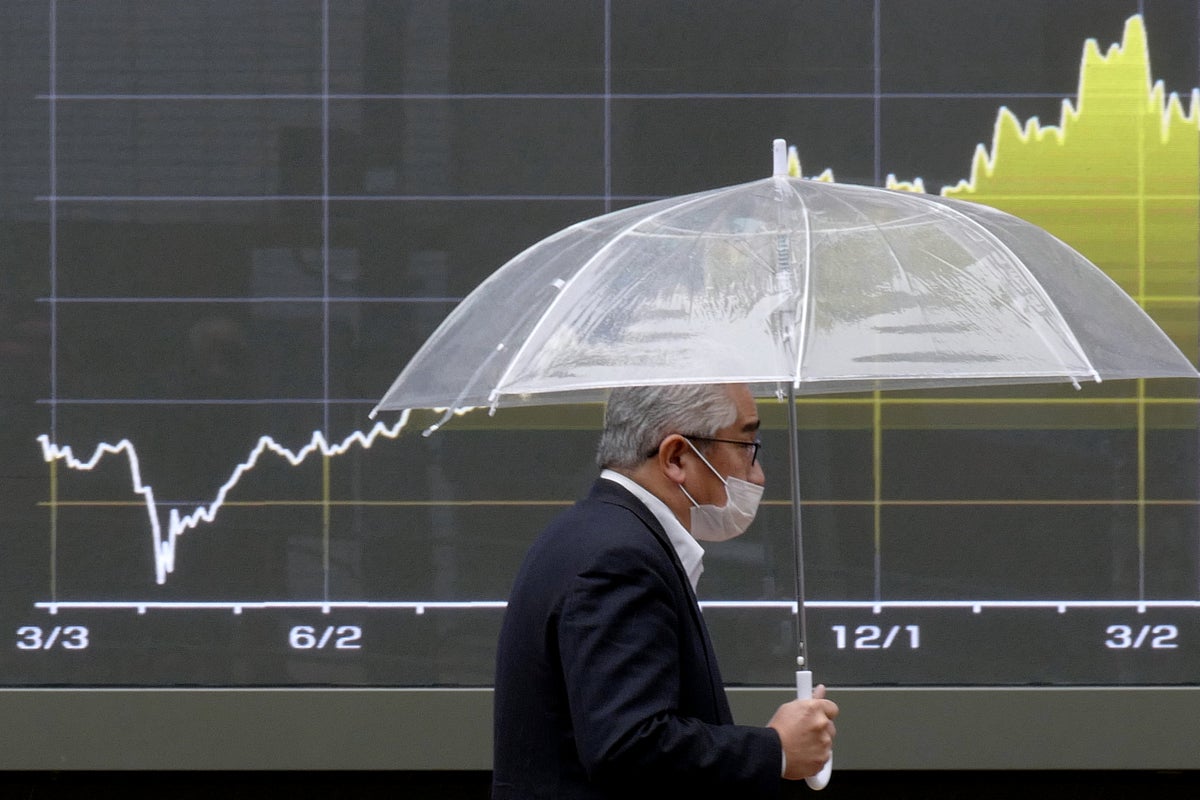
Business sentiment among major Japanese manufacturers rose from 16 to 17 in March, according to the Bank of Japan’s quarterly survey released on Wednesday.
The improvement in the so-called diffusion index in the closely watched “tankan” report, recorded for the fourth quarter straight, comes even as worries grow about Japan’s economic growth and oil supplies because of the US-Israeli war on Iran.
The survey is an indicator of companies foreseeing good conditions minus those feeling pessimistic.
The index for large non-manufacturers, such as the service sector, stood unchanged from the last tankan at 36.
Japan’s inflation has so far remained relatively moderate, but worries are growing about prices at the gas stands and other products. Investors and consumers alike are filled with uncertainty about how much longer the war may last and what US president Donald Trump might say next. Japan’s benchmark Nikkei 225 has gyrated wildly in recent weeks.
Analysts say the Bank of Japan may start to raise interest rates because of concerns about inflation, given the soaring energy costs and declining yen, two elements that greatly affect living costs for the average Japanese consumer.
Historically, Japan has benefited from a weak yen because of its giant exports, exemplified in autos and electronics. A weak yen raises the value of exports’ earnings when converted into yen.
But in recent years, a weak yen is working as a negative, as resource-poor Japan imports much of its energy, as well as other key products such as food and manufacturing components.
The US dollar has been soaring against the yen lately.
Japan’s central bank had a negative interest rate policy for years to fight deflation until it normalised policy in 2024. It kept the rate unchanged at 0.75 per cent in March. The next Bank of Japan monetary policy board meeting is set for April 27 and 28.

The price of Brent crude oil to be delivered in May rose by a record 64% in March as the conflict disrupted energy supplies.
Source link
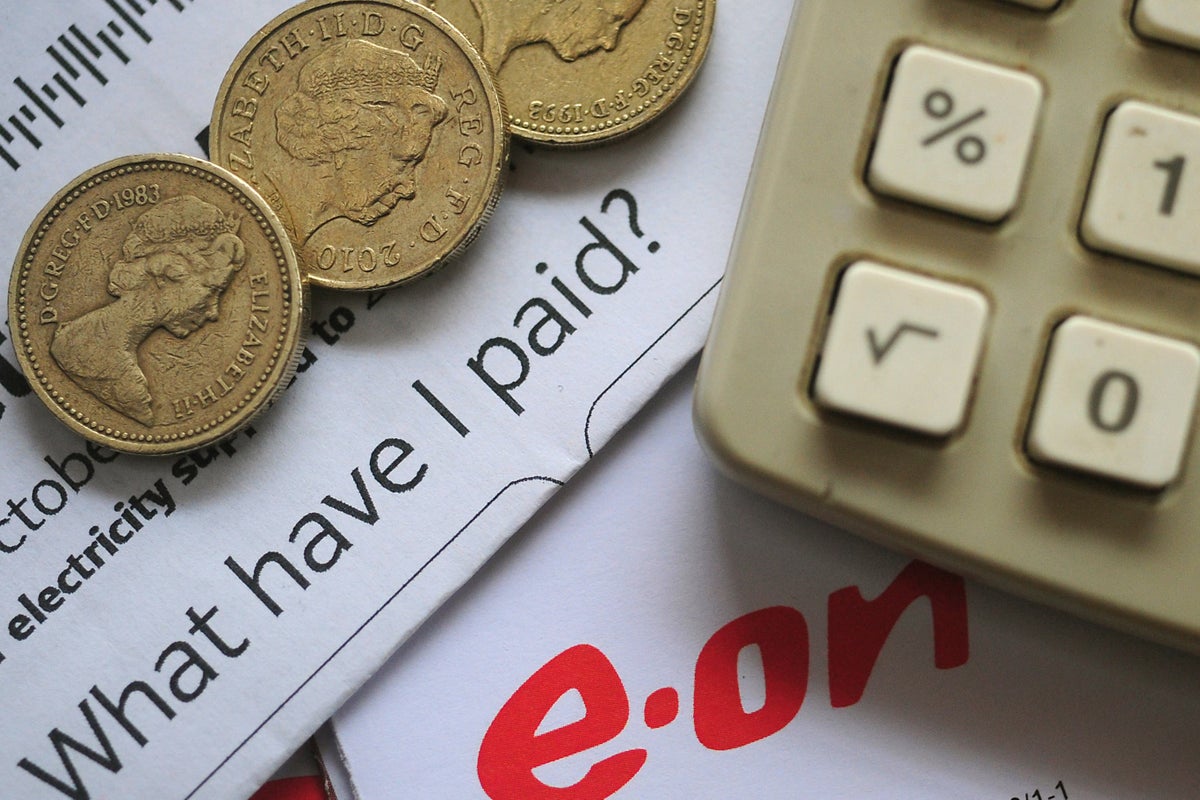
Household energy prices are falling by 7% from Wednesday in a “short-lived respite” for households already braced for a predicted 18% hike from July.
Ofgem’s price cap has dropped from £1,758 to £1,641 – a reduction of £117 or around £10 a month for the average household using both electricity and gas.
This is an 11% fall year on year, but still £600 more than bills were in the winter of 2020 to 2021.
The reduction is lower than the average £150 cut to bills pledged by the Chancellor in November, when she moved 75% of the cost of the renewables obligation from household bills onto general taxation and scrapped the energy company obligation (Eco) scheme.
And it comes amid increasing concern about the amount energy bills could rise by from July as a result of the Middle East conflict, with latest predictions from Cornwall Insight suggesting this could be 18% or £288 a year – to almost £900 above pre-crisis levels.
In the meantime, consumer groups have urged households to send in meter readings to ensure their energy usage is billed at the lowest possible rate, and investigate fixed rate deals if they remain on their firm’s standard variable rate.
A spokesman for Energy UK, which represents firms, said: “Suppliers are required to set direct debits as accurately as possible based on the best and most current information available.
“So – as well as factors like current balance, payment record and previous energy usage – this will also include the latest projection of energy costs over the coming months.
“Suppliers regularly review direct debt levels so any current assessment for price cap customers would likely take into account that bills look set to go up again in July. Customers on fixed deals however will not see any increase until their current deal comes to an end.”
Simon Francis, coordinator of the End Fuel Poverty Coalition, said: “The fall in bills from April 1 offers brief relief for households, but the respite will be short-lived.
“Given the ongoing profits made by the energy industry, households deserve more than a temporary reprieve before prices rise again.
“For the millions of households already in energy debt to their suppliers, this is a real concern and risks pushing more people into crisis.
“The Government must use the window between now and July to act. That means targeted support for those hit first and hardest, including households off the gas grid and those on heat networks, faster action on energy debt, and preparations to bring costs down if prices deteriorate further.”
National Energy Action chief executive Adam Scorer said: “Any price drop is good news, but everyone knows that it will be overtaken by events.
“It is likely to be a false dawn. And the people who know that the best are those already struggling to afford their energy bills and know the real cost of an energy crisis.
“Unfortunately, today’s good news is hugely overshadowed by the fear and dread of what may be to come.”
Which? energy editor Emily Seymour said: “April’s energy price cap fall will bring much needed relief for households. What you save will vary depending on how much you use.
“Despite this drop, many households are already concerned about the next price cap announcement in May, which will set rates from July and is currently predicted to rise by £288, or 18%, per year for the average household.
“It’s important to remember this isn’t confirmed yet, so don’t feel pressured into making quick decisions.
“If you’re currently paying variable rates, it’s worth checking the market to see what fixed deals are available. Fixing could offer protection against future increases, but only if the price is right.
“Options have reduced in the last few weeks, but some energy companies are still offering fixes with prices around those of the January-March price cap.
“If you’re worried about paying your energy bills, contact your supplier as soon as possible. Energy companies are obliged to help if you’re struggling to pay and won’t disconnect you for missing a payment. Request a review or break in payments, and access any available hardship funds.”

Iran war worries fail to dampen business sentiment in Japan

EU-funded RegioGreenTex pushes 25 SME pilots to commercialisation

Sean ‘Diddy’ Combs’ prison time gets cut down again

-

 Politics1 week ago
Afghanistan announces release of detained US citizen
-

 Sports1 week ago
Broadcast industry CEO says consolidation is ‘essential’ to compete for NFL soaring media rights prices
-

 Tech1 week ago
Can a Home Appliance Fix the Problem of Soft-Plastic Waste?
-
 Business1 week ago
Property Play: Home flippers see smallest profits since the Great Recession, real estate data firm says
-

 Entertainment1 week ago
UN warns migratory freshwater fish numbers are spiralling
-
 Business1 week ago
Gold prices soar in Pakistan – SUCH TV
-

 Fashion1 week ago
ICE cotton slips on weaker crude, profit booking
-
 Business1 week ago
More women are entering wealth management, but few are in advisory roles, study finds