

Business
Strait of Hormuz open or close? Only a ‘trickle’ of oil leaving right now despite ceasefire – The Times of India

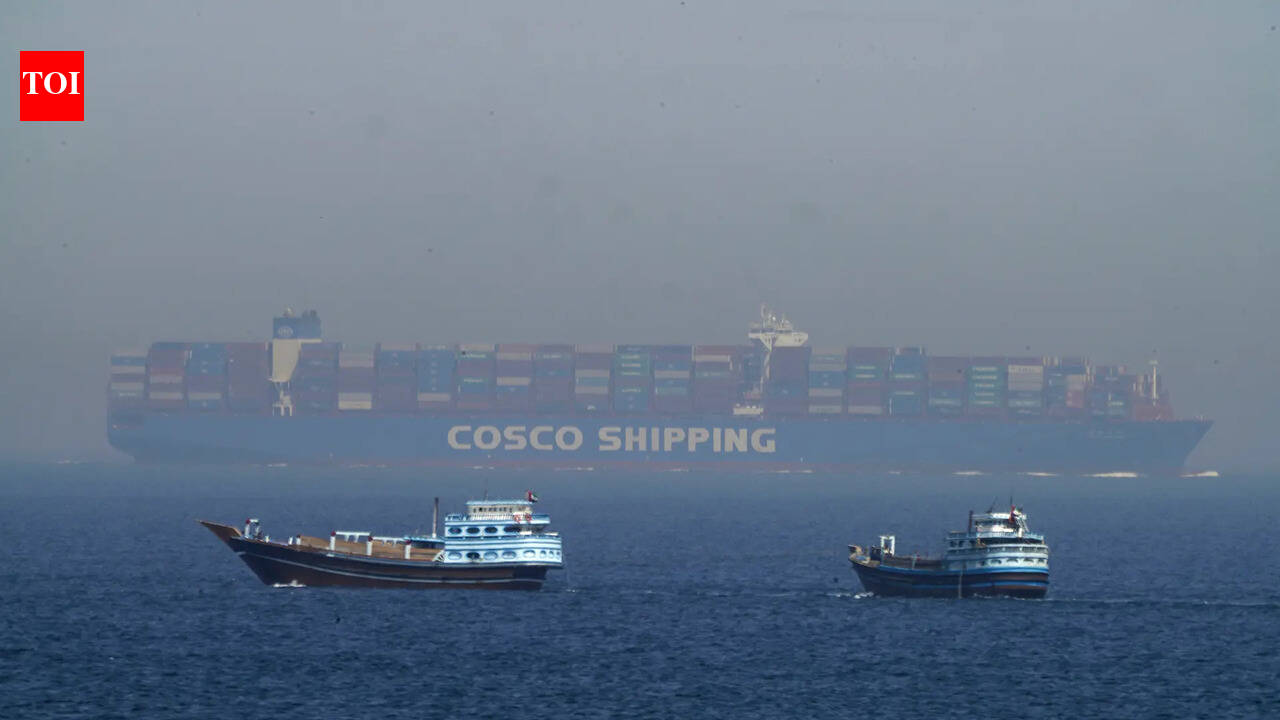
The tussle over the opening of the Strait of Hormuz continues as the Middle East crisis intensifies, with oil shipments yet to return to normal levels. According to a senior Gulf Oil adviser, any impact on fuel prices in the United States is likely to take time.Tom Kloza, the company’s chief energy adviser, told CNN that he is still “not seeing the evidence of more crude oil departing” the strait, even though reopening the route was reportedly part of the two-week ceasefire agreed on Tuesday night.Iran’s Islamic Revolutionary Guard Corps (IRGC) claimed that traffic through the strait slowed sharply and then stopped, blaming what it described as a violation of the ceasefire by Israel in Lebanon.Kloza said the situation remains uncertain and progress has been slow. “I would emphasize these are really baby steps right now. There’s no indication that the strait is going to reopen, and it seems like a flimsy ceasefire, to say what’s obvious,” he told CNN’s Jake Tapper.He added that only “a trickle” amount of oil is currently leaving the region. Because of the fragile ceasefire, companies are likely to be cautious about sending oil through the route.“It looks as though we’re weeks away from any restoration of even 50% or 70% of the Strait of Hormuz traffic that we depend on,” Kloza said.The situation could escalate further after US President Donald Trump on Thursday issued a fresh warning to Iran over the Strait of Hormuz. Posting on the social media platform Truth Social, he said American military forces and weapons would remain in place until the two sides reach a “real agreement”.“If for any reason it is not, which is highly unlikely, then the “Shootin’ Starts,” bigger, and better, and stronger than anyone has ever seen before. It was agreed, a long time ago, and despite all of the fake rhetoric to the contrary – NO NUCLEAR WEAPONS and, the Strait of Hormuz WILL BE OPEN & SAFE. In the meantime our great Military is Loading Up and Resting, looking forward, actually, to its next Conquest. AMERICA IS BACK!”Global energy supplies continue to face pressure as Iran restricts movement through the Strait of Hormuz, a vital route that carries around 20% of the world’s oil. The conflict has now stretched beyond a month, following strikes on Iran by the United States and Israel on February 28.Meanwhile, oil prices edged up on Thursday after recording their sharpest single-day drop since April 2020, as ongoing tensions in the Middle East and uncertainty over the Strait of Hormuz kept markets unsettled. Brent crude climbed back towards $97 a barrel after a 13% fall on Wednesday, while West Texas Intermediate hovered near similar levels.









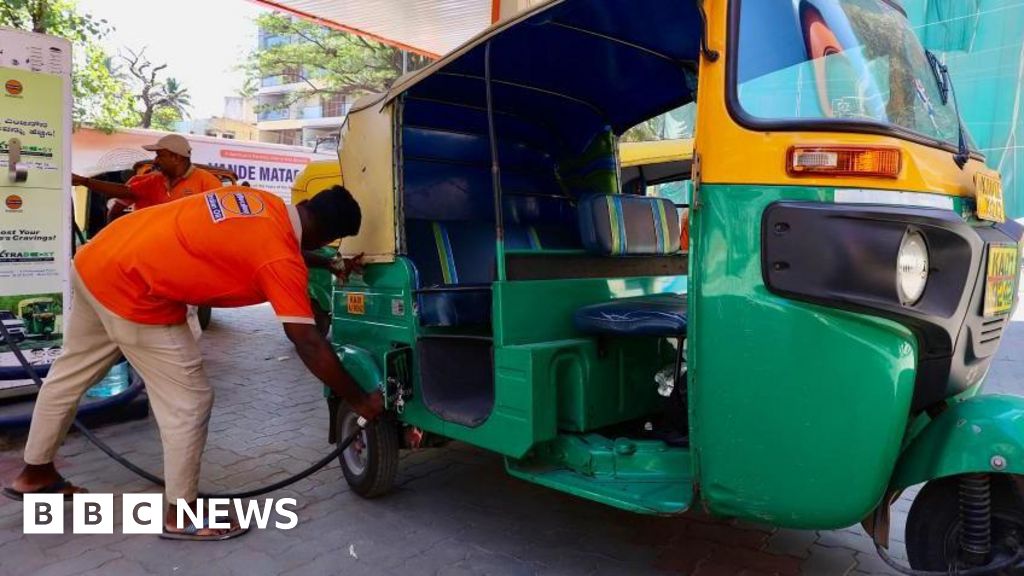
The cost of crude plunged on Wednesday after a deal was announced that includes the opening of the Strait of Hormuz.
Source link

Maintenance loans are paid to students in instalments to cover living costs, such as accommodation and food. Loans are means-tested, based on household income. And whereas student tuition loans, to cover course costs, are paid directly to universities, maintenance loans are paid directly to the student.
Business
Constellation Brands, U.S. maker of Modelo and Corona, withdraws 2028 guidance due to uncertainty

Modelo beer is displayed on a shelf at a Safeway store on Oct. 6, 2025 in San Anselmo, California.
Justin Sullivan | Getty Images
Constellation Brands, U.S. maker of Modelo and Corona, withdrew its previously issued fiscal 2028 outlook on Wednesday and reported slightly weaker demand as consumers navigate a rapidly evolving macroenvironment.
The company said it was encouraged by the momentum in the fourth quarter across its beer and wine and spirits businesses, but the larger environment indicates lingering uncertainty. Constellation Brands also previously appointed Nicholas Fink as its new CEO, effective April 13.
“We expect the operating environment to remain dynamic given the evolving socioeconomic backdrop and limited near-term visibility,” the company said in a statement.
Shares of Constellation Brands were down slightly in extended trading.
Still, the company beat Wall Street expectations for its fourth quarter and full fiscal-year results.
Here’s how the company performed in the fourth quarter, compared with what Wall Street was expecting based on a survey of analysts by LSEG:
- Earnings per share: $1.90 per share adjusted vs. $1.72 per share expected
- Revenue: $1.92 billion vs. $1.88 billion expected
For the fourth quarter, the company reported net income of $224.7 million, up from a loss of $370.6 million a year prior.
The company said its beer business continues to be one of its biggest sources of growth, though its overall net sales for fiscal 2026 decreased by 3%.
For fiscal 2027, the company said it expects adjusted EPS of between $11.20 and $11.90 compared with estimates of $12.36 per share. Constellation Brands said that spending behavior across alcohol categories became more “deliberate” because of broader economic uncertainty, with overall demand across its categories remaining “subdued” for most of the year.
“Despite the dynamic operating environment in fiscal 2026, we remained focused on the factors within our control and executed with discipline,” CEO Bill Newlands said in a statement.

Iran war: Oil prices rise as traders eye fragile ceasefire deal
[CinePlex360] Please moderate: “Sensex gains fo

The Conference Board employment trends index for US declines in Mar

-
Uncategorized7 days ago
[CinePlex360] Please moderate: “Trump signals p
-
 Business7 days ago
Jaguar Land Rover sees sales recover after cyber attack
-

 Entertainment6 days ago
Joe Jonas shares candid glimpse into parenthood with Sophie Turner
-

 Tech5 days ago
Our Favorite iPad Is $50 Off
-
 Fashion1 week ago
China’s Anta Sports posts record $11.62 bn revenue in 2025
-

 Politics6 days ago
Iran can sustain Strait of Hormuz closure for years, will cut US military logistics: Official
-

 Sports5 days ago
UConn Final Four run could trigger a $50M furniture giveaway for Massachusetts-based Jordan’s Furniture
-
 Business6 days ago
Video: Why Is the Labor Market Stuck?