

Fashion
The ‘Ralph Lauren Christmas’ trend is marketing gold

By
Bloomberg
Published
December 12, 2025
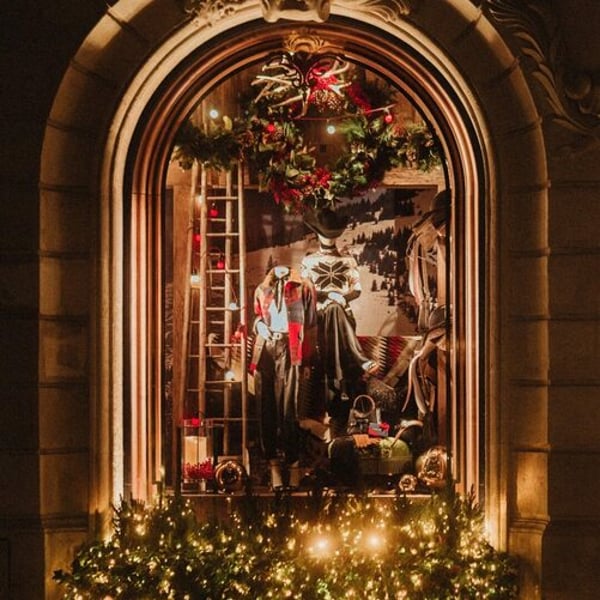
If you’ve been scrolling through social media lately, you won’t have escaped the plaid trimmings, pine garlands, and rich red ribbons, all warmed by the glow of a roaring fire.
Welcome to “Ralph Lauren Christmas.” The aesthetic, which demonstrates how to create Ralph Lauren Corp.’s signature style for the holidays, has been trending recently, sending the brand’s visibility soaring.
This viral moment has been years in the making. Ralph Lauren has been polishing its image and honing its product range for the best part of a decade. And luck has been on its side, with the company squarely in the intersection of several fortunate trends.
Preppy style is having a major fashion moment and Ralph Lauren is the look, thanks to its traditional staples such as cable-knit sweaters, blazers, and rugby shirts. Even the quarter zip craze, which heralds a return to more sophisticated casual dressing, is contributing to the brand’s popularity, Laurent Vasilescu, analyst at BNP Paribas SA, wrote in a recent note.
Social media narratives take inspiration not just from how we dress but also how we feel. In uncertain times- particularly over the holidays- we often take comfort from the traditions of the past. Add in the old money vibe of quiet luxury, which might be in its final throes of popularity but refuses to disappear, and searches for “Ralph Lauren inspired Christmas” on Pinterest are up 3,000% in the four weeks to November 15 compared with the year earlier.
So, how did the company position itself for this moment in the viral sun? Under chief executive officer Patrice Louvet, who took the reins in 2017- and of course its eponymous founder, who remains actively involved- Ralph Lauren has moved closer to the European luxury houses such as LVMH Moet Hennessy Louis Vuitton SE. It’s done so by taking its image upmarket and cutting back on selling through less chichi retailers. Even its outlet stores, which play an important but undisclosed role in the business, have undergone a glow up.
As part of this strategy, Ralph Lauren has invested in its core stores- where its particular holiday look is very much in evidence- and concentrated on the products it is best known for. The timing has been fortuitous: the brand is looking both luxe and accessible even as European rivals have aggressively increased prices.
The turnaround has been augmented by effective marketing, such as taking its Polo Bear from merchandise to the big screen, with the mascot’s first animated film. And through its cafes and restaurants, the brand has been at the forefront of luxury’s push into hospitality.
While Ralph Lauren Christmas grew organically, the company has encouraged an association with the season. This includes holiday pop-ups in Seoul, Tokyo, Los Angeles, and London, where in Sloane Square visitors can sip hot chocolate, buy a holiday gift, make a seasonal floral display, or visit Santa’s grotto.
The queues for selfies by the vintage red pick-up truck- with some sporting the signature Polo Bear sweater- underline Ralph Lauren’s marketing genius. The founder himself is Jewish, born Ralph Lifshitz in the Bronx. Yet his ability to draw people from all walks of life into his particular vision of the American dream has made his company as much a Christmas staple as eggnog and It’s a Wonderful Life. And it’s worth noting that he’s done so by embracing rather than ignoring the country’s diversity. For an example, look to the retailer’s 2022 collaboration with two historically Black colleges, which continued this year with a collection celebrating Oak Bluffs, a town on Martha’s Vineyard that is a summer haven for Black Americans.
Ralph Lauren isn’t the only one to benefit from the Christmas trend, according to retail intelligence company Edited. Styles featuring a palette of red, burgundy, and green, punctuated by hints of gold, as well as tartans and teddy bear motifs are appearing in chains on both sides of the Atlantic. Vans, for example, has gone big on plaid. Some social media posts show how to get the look for less at the likes of Amazon.com Inc. At the other end of the price spectrum, Hugo Boss AG has collaborated with teddy bear maker Steiff, while Burberry Group Plc has created a Gund bear as part of its tie-up with Macy’s Inc.’s Bloomingdale’s.
But given that the style is so intrinsically linked with Ralph Lauren, the company is likely to be the biggest winner. The holiday pop ups have so far generated about $6 million in value from social media posts, engagement and articles, according to Launchmetrics.
Revenue in the all important golden quarter looks to be benefiting as well. Based on Bloomberg Second Measure data for the third quarter to date, Ralph Lauren’s sales through its own US stores and website are tracking well ahead of consensus expectations for North American sales growth, according to Mary Ross Gilbert, an analyst at Bloomberg Intelligence.
The shares, which slipped after some investors were underwhelmed by the next stage of the turnaround outlined in September, hit a fresh high in late November.
Social media fads can quickly fade: Google and Pinterest data indicate that the Ralph Lauren holiday aesthetic may have already peaked. But the halo around the brand over the past couple of months should have helped it deepen its connection with shoppers.
The narrative has also highlighted Ralph Lauren’s home décor and hospitality offerings, reinforcing its broader lifestyle credentials, something the company is keen to develop.
And when the preppy look wanes, as it naturally will, Ralph Lauren should be able to adapt. It is one of the few luxury companies to retain distinct sub-brands, from its high-end Purple Label to the heritage workwear of Double RL, so it has a good chance of tapping into whatever fancy comes next. Its strategy of growing in womenswear, particularly handbags, is another way to make up any shortfall.
There is scope for Ralph Lauren to continue flexing its marketing muscles, too. It recently revealed the uniforms that the US Olympic and Paralympic teams will wear for the winter games opening and closing ceremonies in Milan in February, and will outfit athletes again for the Los Angeles summer games in 2028. Ralph Lauren should consider an LVMH-style takeover of the event on its home turf to keep its name at the forefront of consumers’ minds.
Ralph Lauren looks well positioned to adjust to changing seasons- and changing fashions. If so, the buzz around the brand should linger long after the pine needles have dropped and the tree trims have been packed away.





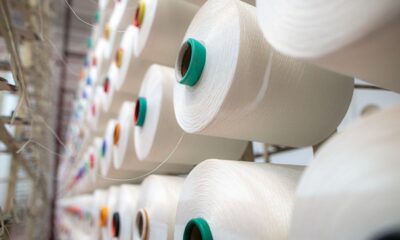


The facility will process natural fibres such as abaca, banana and pineapple into high-quality yarn, addressing long-standing challenges faced by local weavers who have relied on imported materials. This initiative is expected to create new markets for agricultural produce while providing additional income streams for farmers.
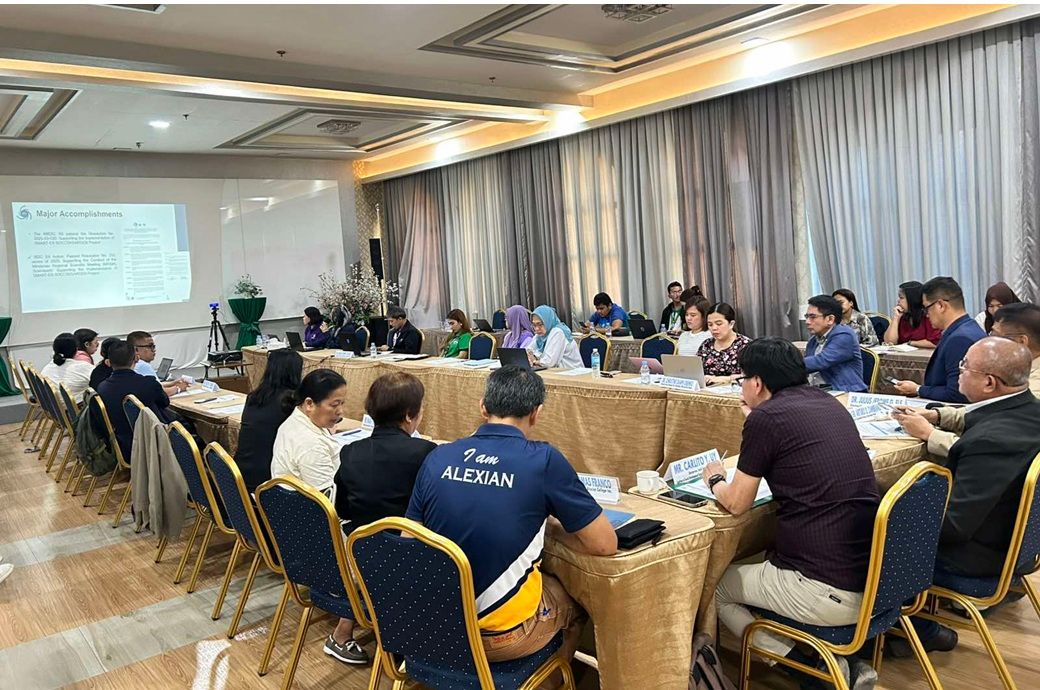
The DOST-PTRI, with DOST Region 12, will establish the Regional Yarn Production and Innovation Center in Philippine’s Cotabato to process natural fibres into yarn and support Mindanao’s textile industry.
The facility aims to boost farmer incomes, reduce reliance on imported yarn and strengthen local weaving communities through training, technology transfer and improved supply chain infrastructure.
During the first-quarter meeting of the Regional Research, Development, and Innovation Committee, Evangeline Flor P. Manalang, chief science research specialist of DOST-PTRI’s Technical Services Division, stated “The RYPIC will serve as a key facility to process our natural fibers into yarn and open opportunities for skills training among farmers and local stakeholders.” She also emphasised the project’s role in building a sustainable textile ecosystem in Soccsksargen.
The RYPIC complements existing facilities such as the Natural Textile Fiber Innovation Hub at Sultan Kudarat State University and forms part of broader national programmes including the Clothing and Textile Research Innovation and Investment Agenda (CATRINA) and the FRONTIER initiative. These efforts aim to strengthen the domestic textile value chain, reduce reliance on imports and support the government’s push to expand Telang Pinoy, as highlighted by President Ferdinand R. Marcos Jr. in his fourth State of the Nation Address.
Fibre2Fashion News Desk (JP)
International markets remained a key growth driver, with revenue rising 22 per cent, while the Americas saw a marginal 1 per cent decline. Comparable sales increased 2 per cent overall, with a 15 per cent rise internationally offset by a 3 per cent decline in the Americas.
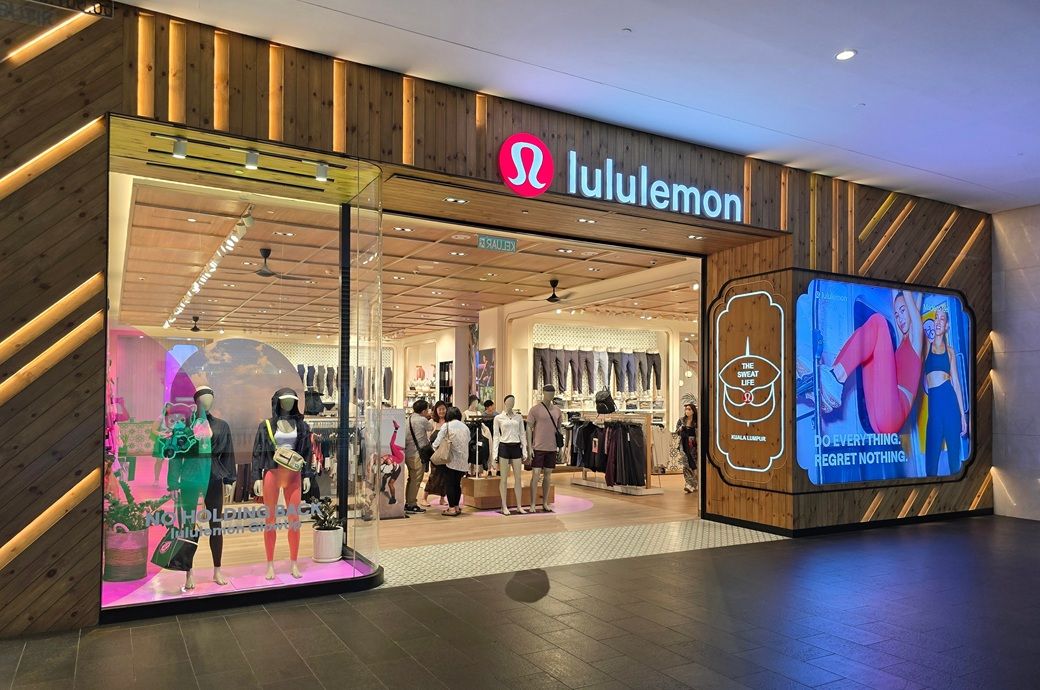
Lululemon has reported revenue of $11.1 billion in FY25, up 5 per cent YoY, driven by 22 per cent international growth despite weak Americas sales.
Margins and profits declined, with EPS falling to $13.26.
The company expanded stores and repurchased shares.
Q4 showed modest growth but weaker profitability.
Lululemon expects FY26 revenue growth of 2-4 per cent amid ongoing macroeconomic challenges.
The gross profit remained flat at $6.3 billion, while gross margin contracted by 260 basis points to 56.6 per cent. Income from operations declined 12 per cent to $2.2 billion, with operating margin narrowing to 19.9 per cent. Diluted earnings per share (EPS) fell to $13.26 from $14.64 in FY24, Lululemon Athletica said in a press release.
The company continued to invest in expansion and shareholder returns, opening 44 net new stores to reach a total of 811 locations and repurchasing 5 million shares worth $1.2 billion. Lululemon ended the year with $1.8 billion in cash and cash equivalents, while inventories rose 18 per cent to $1.7 billion.
Andre Maestrini, interim co-CEO, president, and chief commercial officer at the company, stated, “Throughout 2025, we reported double-digit revenue growth in our international business and are taking action to incorporate learnings from across our regions to drive forward our strategies. Our teams are energised by the initial response to our recent product launches and continue to deliver successful guest activations globally. Looking ahead, we are encouraged by our opportunities in North America and around the world and are grateful to our teams for their commitment to delivering the products and experiences our guests love.”
In the fourth quarter (Q4) of FY25, revenue increased 1 per cent to $3.6 billion, with international growth of 17 per cent offsetting a 4 per cent decline in the Americas. However, profitability weakened, with operating income falling 22 per cent and gross margin declining by 550 basis points to 54.9 per cent. Quarterly diluted EPS dropped to $5.01 from $6.14.
Meghan Frank, interim co-CEO and chief financial officer at Lululemon, stated, “We are pleased to achieve fourth quarter revenue and EPS results ahead of our expectations. As we begin our new fiscal year, we are focused on executing on our action plan, offering new and differentiated products to our guests, and elevating their experiences with lululemon. Driving improvement in our full-price sales over the course of 2026 is also a key priority, particularly in North America, and will enable us to enhance our brand health and deliver long-term growth and value creation for shareholders.”
Looking ahead, Lululemon expects first-quarter FY26 revenue between $2.4 billion and $2.43 billion, with full-year revenue projected at $11.35 billion to $11.5 billion, representing growth of 2 per cent to 4 per cent. Diluted EPS is forecast in the range of $12.1 to $12.3 for FY26, as the company navigates macroeconomic uncertainties and evolving market conditions.
Fibre2Fashion News Desk (SG)

China’s shipment of garments and accessories increased **.* per cent year on year to $**.*** billion from $**.*** billion, driven by steady demand from key markets such as the US and EU, where retailers have begun restocking after cautious inventory management in ****. Meanwhile, exports of textile products, including yarns, fabrics and related articles, rose at a faster pace of **.* per cent to $**.*** billion from $**.*** billion, supported by stronger downstream manufacturing activity across Asia and improved order flows from emerging sourcing hubs.
In February **** alone, exports of textile yarns, fabrics and related articles were valued at $**.*** billion, while garment shipments stood at $**.*** billion, taking the combined monthly total to $**.*** billion. The relatively balanced contribution of textiles and apparel highlights a synchronised recovery across the value chain, from raw materials to finished goods.

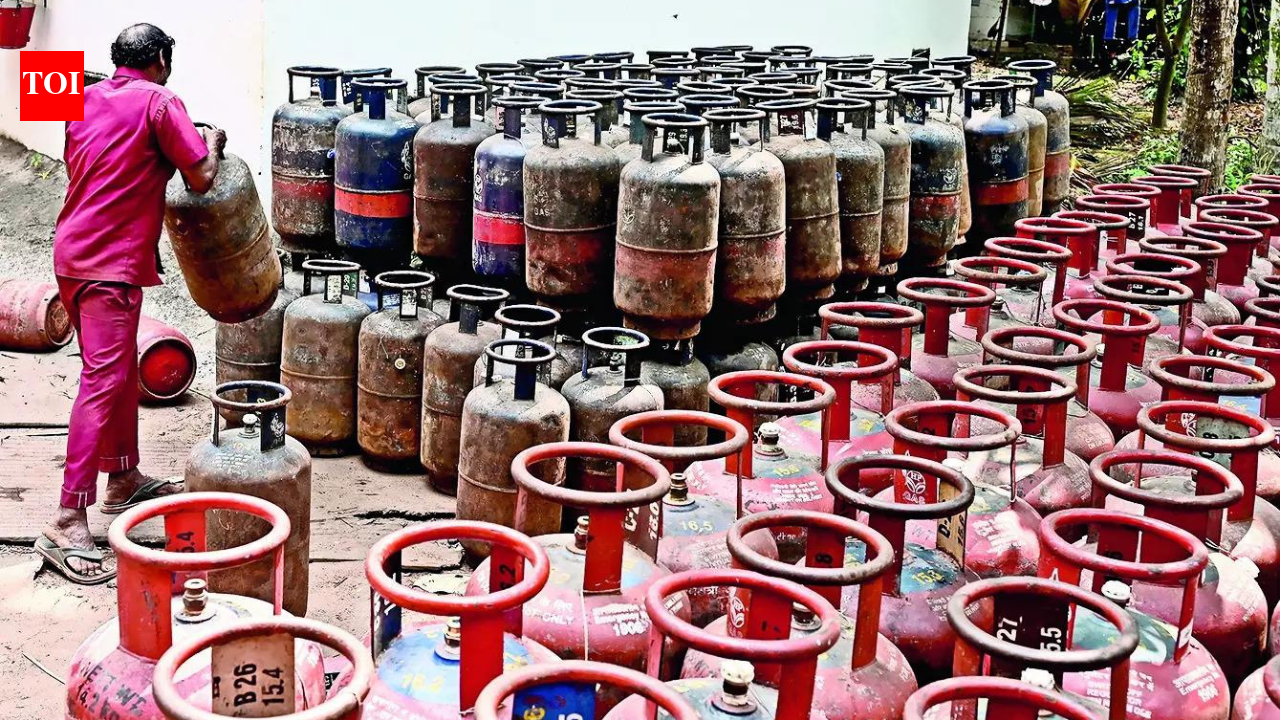
Govt orders faster city gas project clearances, hikes commercial LPG allocation to ease supply stress – The Times of India

Transfer rumors, news: Liverpool eye Gordon to replace Gakpo

Prince William ‘finalises’ one crucial detail for coronation ceremony

Tips and Advice for Buying Used or Refurbished Electronics

UAE savings strategies 2026 explained: Best apps, tools, budget rules and smart money hacks to beat rising cost of living in emirates – The Times of India

Iran threatens US-linked oil facilities after Kharg Island bombed

-
 Tech1 week ago
Tips and Advice for Buying Used or Refurbished Electronics
-
Business1 week ago
UAE savings strategies 2026 explained: Best apps, tools, budget rules and smart money hacks to beat rising cost of living in emirates – The Times of India
-
 Politics1 week ago
Iran threatens US-linked oil facilities after Kharg Island bombed
-

 Entertainment7 days ago
Strategic oil stocks to be released ‘immediately’ in Asia and Oceania: IEA
-

 Entertainment1 week ago
Iran at war
-

 Entertainment1 week ago
Meet one of the last true paparazzi
-

 Sports1 week ago
College Basketball Invitational abruptly cancels 2026 tournament
-

 Sports1 week ago
Japan suffers shocking collapse to Venezuela in World Baseball Classic