Business
Think 10-Minute Delivery Is An Indian Idea? This Country Started It In 2015

Ten-minute home delivery, once marketed as the future of urban convenience, is now at the centre of a policy pushback in India, with the government ordering a ban on the ultra-fast model amid safety and labour concerns. Quick commerce refers to the ultra-fast delivery of groceries and daily essentials, typically within 10 to 15 minutes. The model relies on a dense network of small warehouses, often called dark stores, located close to residential neighbourhoods, and a large fleet of delivery riders. While the concept gained mass visibility in India in recent years, its roots stretch back over a decade in other markets. (News18 Hindi)

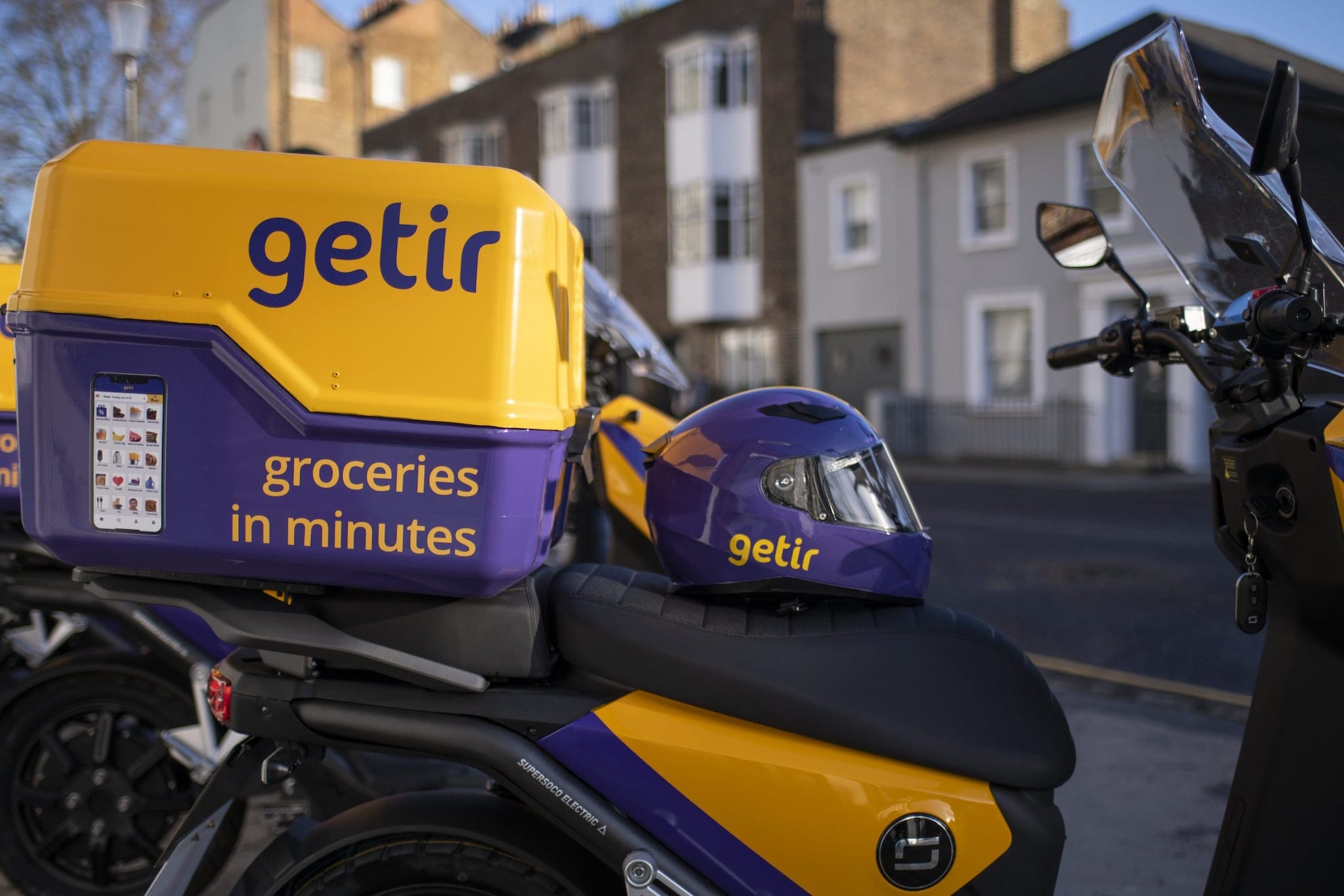
Getir: Turkey-based Getir is widely credited with launching the world’s first 10-minute grocery delivery service in 2015. Riding early success, the company expanded aggressively across Europe and into the United States. However, mounting costs and slowing demand forced Getir to scale back, shutting operations in several countries. Today, it remains active primarily in Turkey and select European markets. (News18 Hindi)

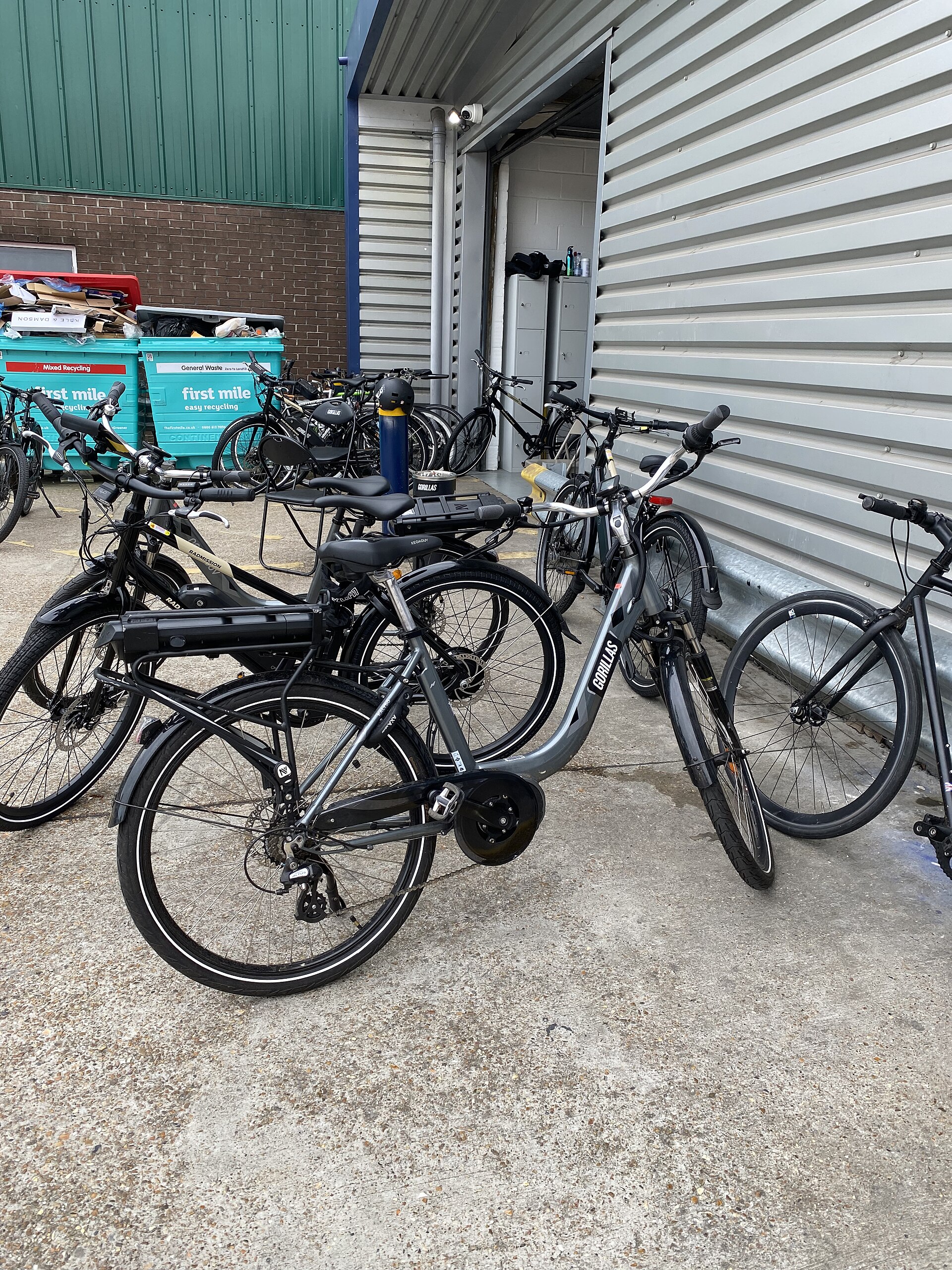
Gorillas: Germany’s Gorillas became a poster child for quick commerce in Europe, expanding at breakneck speed across major cities. Despite strong brand recognition, the economics proved challenging. Gorillas was eventually acquired by Getir, after which its standalone services were wound down in many markets. (News18 Hindi)

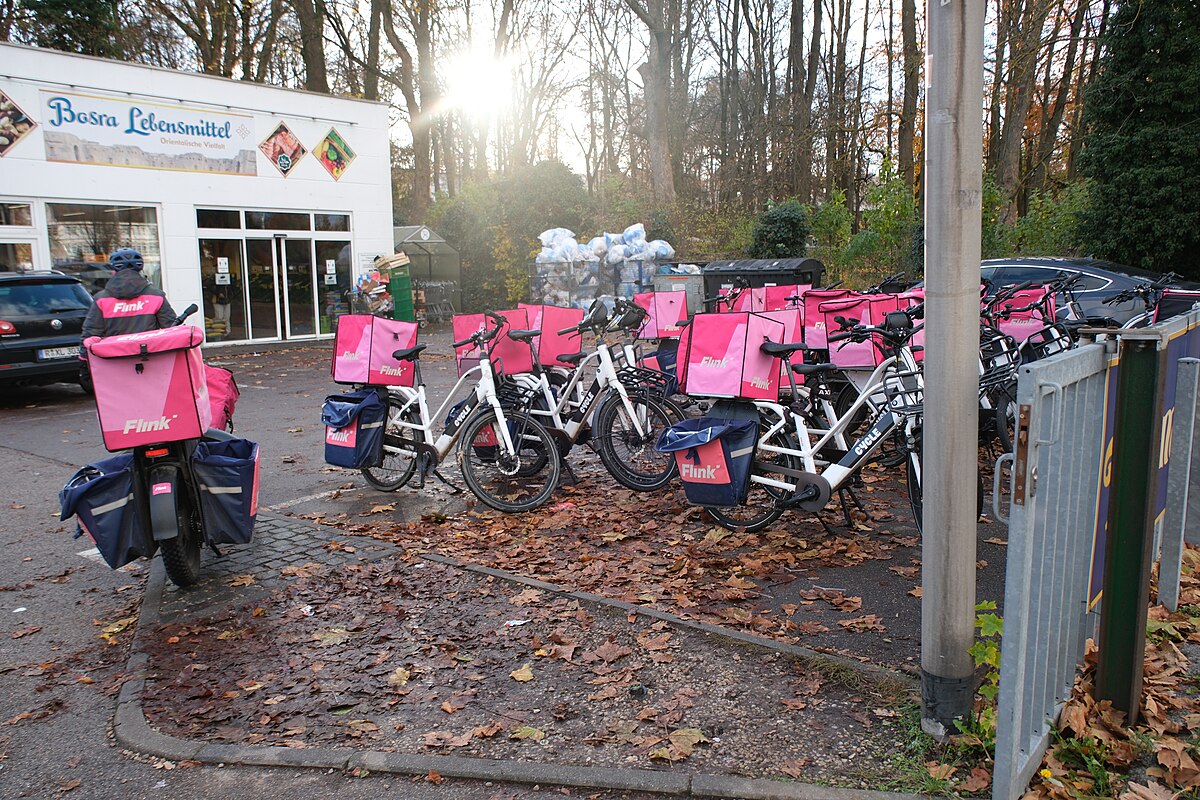
Flink: Flink tested a slightly slower ten- to fifteen-minute delivery promise in countries such as Germany and France. Unlike some rivals, it avoided unchecked expansion and continues to operate in select European cities, though on a more measured scale. (News18 Hindi)

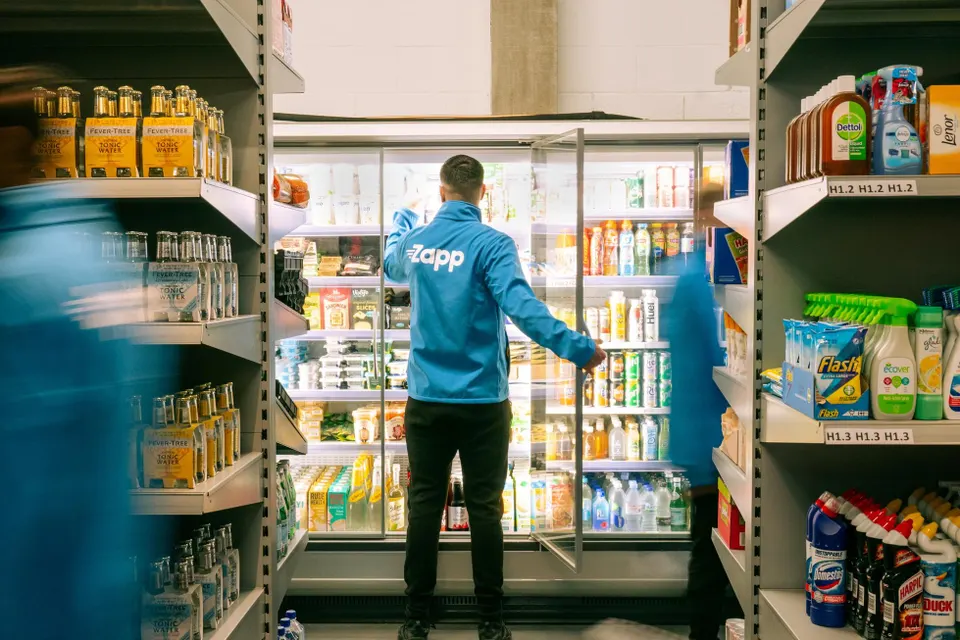
Zapp: UK-based Zapp focused on rapid delivery of snacks, beverages and convenience items rather than full grocery baskets. While the sector shrank around it, Zapp continues to operate in limited geographies, including parts of London. (News18 Hindi)

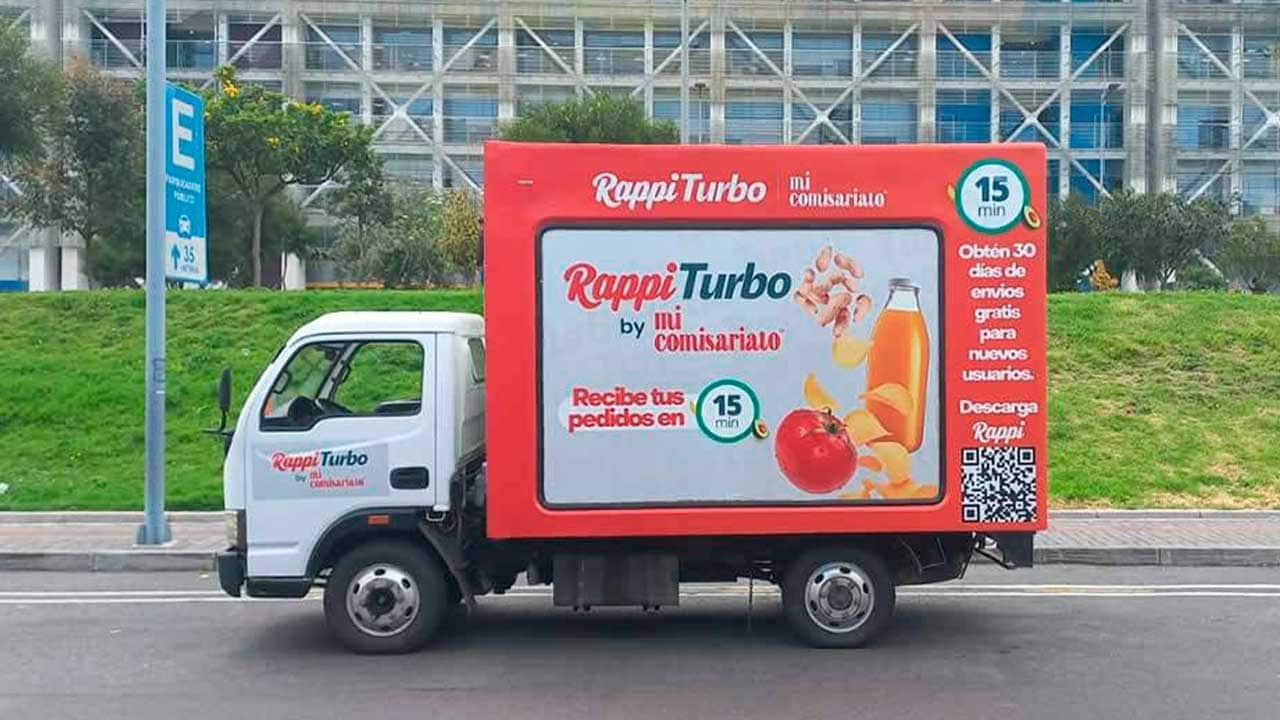
Rappi Turbo: Rappi Turbo, an offshoot of Latin American super-app Rappi, successfully implemented ten-minute delivery in markets like Mexico and Brazil. Industry watchers often describe it as the strongest quick commerce model outside India, benefiting from urban density and an existing logistics ecosystem. (News18 Hindi)


Gopuff: In the United States, Gopuff pursued faster delivery but deliberately avoided the ten-minute promise, settling instead for a fifteen- to thirty-minute window. The company continues to operate in several US cities, reflecting a more sustainable, if less sensational, approach. (News18 Hindi)


Dija: UK-based Dija entered the race with a ten-minute delivery model but struggled to make the economics work. High operational costs and weak profitability ultimately led to the company shutting down. (News18 Hindi)


India stands out as the rare market where ten-minute delivery not only survived but flourished. Analysts attribute this to a combination of dense urban populations, relatively low labour costs, a vast gig-worker base and the rapid scaling of dark stores. Fierce competition among players such as Blinkit, Zepto and Swiggy Instamart further accelerated adoption. As a result, India emerged as a global leader in quick commerce, even as other countries pulled back. (News18 Hindi)