

Business
Trump announces deals with Eli Lilly, Novo Nordisk to slash weight loss drug prices, offer some Medicare coverage


U.S. President Donald Trump attends an event to make an announcement from the Oval Office at the White House in Washington, D.C., U.S. Nov. 6, 2025.
Jonathan Ernst | Reuters
President Donald Trump on Thursday announced deals with Eli Lilly and Novo Nordisk to slash the prices of some of their obesity drugs, including upcoming pills, in a landmark effort to expand access to the costly blockbuster treatments.
The agreements will cut prices of so-called GLP-1 drugs for Medicare and Medicaid beneficiaries in 2026 and offer the treatments directly to consumers at a discount on a website the Trump administration is launching in January called TrumpRx.gov.
That means Medicare will start covering obesity drugs for some patients for the first time starting mid-2026, a long-awaited move that could broaden the market for the medicines and spur more private insurers to cover them. Certain Medicare patients will pay a copay of $50 per month for all approved uses of injectable and oral GLP-1 drugs, including diabetes and obesity treatment.
Starting doses of upcoming obesity pills from Eli Lilly and Novo Nordisk, pending approvals, will be $149 per month for everyone getting them through Medicare, Medicaid or TrumpRx, a senior administration official who declined to be named told reporters during a briefing Thursday.
Novo Nordisk’s oral version of its obesity injection Wegovy could enter the market by year-end, while Eli Lilly’s pill orforglipron could launch next year. The Food and Drug Administration on Thursday said it has awarded priority review vouchers, which expedite the review timelines of Eli Lilly’s pill.
Starting doses of existing injections like Novo’s Wegovy and Lilly’s Zepbound will be $350 per month on TrumpRX, but will “trend down” to $245 per month over a two-year period, another senior administration official said during the briefing.
Charts showing drug prices and information are displayed as U.S. President Donald Trump delivers remarks on lowering drug prices in the Oval Office at the White House on Nov. 6, 2025 in Washington, DC.
Andrew Harnik | Getty Images
Wegovy and Zepbound have not been covered by Medicare for weight loss, “and they’ve only rarely been covered by Medicaid,” Trump said in the Oval Office. “They’ve often cost consumers more than $1,000 per month, some a lot more than that. … That ends starting today.”
The deals are among the most politically significant announcements to date in the Trump administration’s push to rein in high U.S. drug costs by tying them to the lowest prices abroad. As part of the president’s “most favored nation” policy, he has announced deals with Pfizer, AstraZeneca and EMD Serono to sell certain drugs directly to patients at a discount, in exchange for exemptions from planned pharmaceutical tariffs.
“This is the biggest drug in our country, and that’s why this is the most important of all the [most favored nation] announcements we’ve made,” Health and Human Services Secretary Robert F. Kennedy Jr. said during the briefing. “This is going to have the biggest impact on the American people. All Americans, even those who are not on Medicaid, Medicare, are going to be able to get the same price for their drugs, for their GLP-1s.”
Kennedy claimed the American public will lose 125 million pounds by this time next year, saying the expanded access will have “dramatic effects on human health” in the U.S.
The event was delayed when a man who was standing behind Trump fainted.
President Donald Trump stands by as attendees help a man after he collapsed during during an event on lowering drug prices in the Oval Office at the White House on November 06, 2025 in Washington, DC.
Andrew Harnik | Getty Images
The list prices of existing obesity drugs – roughly $1,000 to $1,350 per month before insurance – are a huge barrier for patients, many of whom could benefit from their ability to promote weight loss and ease other related health complications such as cardiovascular risks and sleep apnea. Eli Lilly and Novo Nordisk already have programs to sell their weight loss drugs at a discount directly to cash-paying consumers, but the new agreements appear to take those efforts to boost access a step further.
Novo Nordisk and Eli Lilly have agreed to cut the price Medicare pays for GLP-1s it already covers for diabetes and other indications, along with those drugs for obesity, to $245 per month. The companies agreed to extend lower government pricing for their GLP-1 drugs – $245 per month across all other nonstarting doses – to all 50 Medicaid programs for all covered uses. States will have to opt into those prices, meaning some may not.
But Medicare coverage could have a bigger impact on who gets the drugs because the program covers about 66 million people, and is the primary source of insurance for people ages 65 and above. The new obesity drug coverage will be enabled through a pilot program designed to cover a majority of beneficiaries under Medicare Part D, which are the program’s prescription drug plans.
Another senior administration official said around 10% of Medicare beneficiaries will be eligible to receive GLP-1s for obesity and cardiovascular and metabolic benefits. Eligible patients will fall into three cohorts. The first includes those who are overweight, with a body mass index greater than 27 or with prediabetes or established cardiovascular disease.
The second group is people with obesity – with a BMI greater than 30 – and uncontrolled hypertension, kidney disease or heart failure. The third group is patients with severe obesity, or anyone with a BMI greater than 35.
GLP-1s for weight loss are approved for a much broader population: people who have obesity or are overweight with one related condition. The administration official said, “We are constraining the access for patients that will benefit clinically from it, we’ve worked very hard to strike a balance between broad access that just makes sure to capture patients that will benefit clinically.”
As part of the deals, Eli Lilly and Novo Nordisk also made similar pledges to the ones other drugmakers have made as part of Trump’s most favored nation agreements. The companies will guarantee most favored nation pricing on all new medicines they bring to market, provide that pricing to every state Medicaid program, offer at least U.S. net prices or most favored nation pricing on nearly all primary care drugs on TrumpRx and share savings from foreign drug price increases on existing products, one senior administration official said.
Also on Thursday, Eli Lilly said it would lower prices by $50 on its own direct-to-consumer platform, LillyDirect, which already offers Zepbound at a discount to cash-paying patients. The multidose pen of Zepbound will be available at $299 per month at the lowest dose, with additional doses being priced up to $449 per month.
Eli Lilly’s pill, once approved, will be available at the lowest dose starting at $149 per month.
A major pricing change
In a statement Thursday, Eli Lilly CEO David Ricks said the deal marks “a pivotal moment in U.S. health care policy and a defining milestone for Lilly,” which is focused on “improving outcomes, strengthening the U.S. healthcare system, and contributing to the health of our nation for generations to come.”
David Ricks, CEO of Eli Lilly, speaks in the Oval Office during an event about weight-loss drugs at the White House in Washington, DC on November 6, 2025.
Andrew Caballero-Reynolds | Afp | Getty Images
In a separate statement, Novo Nordisk CEO Mike Doustdar said, “today’s announcement will bring semaglutide medicines to more American patients at a lower cost.” Semaglutide is the active ingredient in Wegovy and Ozempic.
It’s not the first time the government has floated Medicare coverage of obesity drugs. Former President Joe Biden proposed a rule at the end of his term that would have allowed the program to cover those treatments, but the Trump administration in April declined to finalize the measure.
Biden’s proposal would have extended access to roughly 3.4 million Medicare beneficiaries. But it was controversial at the time, as it would cost taxpayers as much as $35 billion over nine years, a congressional analysis found.
But some health experts contend that covering the drugs could eliminate the downstream costs involved with treating obesity-related conditions.
Semaglutide is also included in the next round of Medicare drug price negotiations under the Inflation Reduction Act, which Biden signed into law in 2022. Trump is expected to unveil the new prices of the 15 drugs selected for those talks by Nov. 30.
Tirzepatide, the active ingredient in Eli Lilly’s Zepbound and diabetes injection Mounjaro, likely won’t be eligible for those negotiations until the end of the decade.







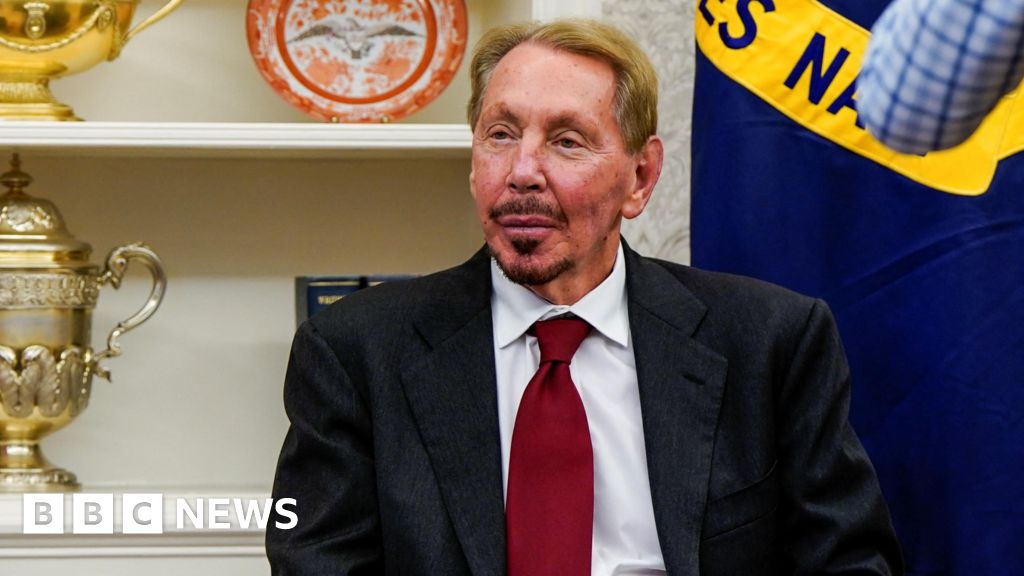
It is thought that thousands of people may have lost their jobs at Oracle, one of the world’s largest tech companies.
Source link

The US-Israel Iran war has halted almost all traffic in a key waterway and the price Brent crude has surged.
Source link
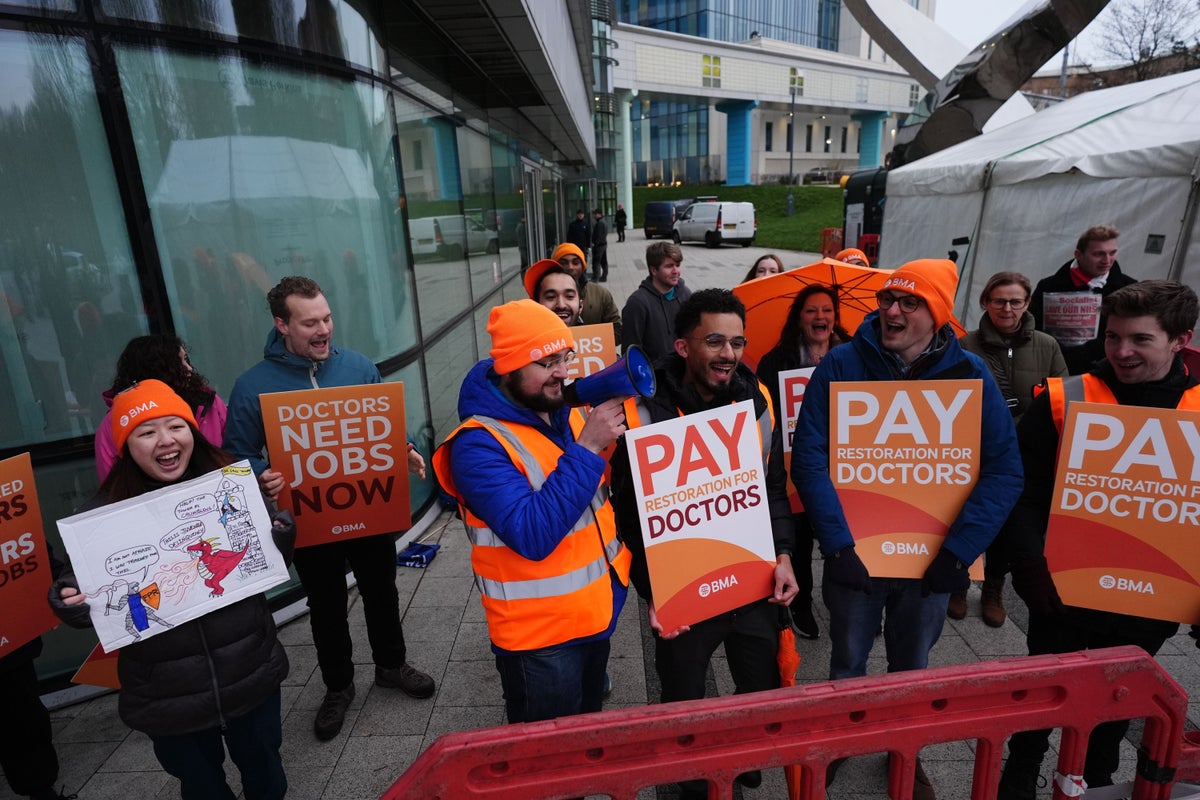
Crunch talks between resident doctors and the Government are set to continue in a bid to avert strike action.
Sir Keir Starmer has given the resident doctors committee of the British Medical Association (BMA) a deadline to reconsider a deal on pay and jobs which includes an offer of thousands of extra NHS training posts.
It is understood the proposal will be removed from the deal if resident doctors in England press ahead with a six-day strike from April 7 in a row over jobs and pay.
Dr Jack Fletcher, chairman of the resident doctors committee of the union, said: “It is wrong for Government to withhold desperately-needed jobs as part of negotiating tactics.
“Anyone who works in the NHS knows that patients need these 4,000 jobs created as soon as possible.
“We made that very clear to Government in our meetings today.
“We are not interested in arbitrary deadlines – we will be looking to get this dispute ended right up to the last minute.
“We believe there is a deal there to be done if Government is willing to withdraw the changes it made at the last minute that reduced the funding for pay rises. Talks continue.”
It comes as senior medics announced they were escalating their disputes with the Government.
Consultants and other senior doctors are to be balloted on industrial action after ministers announced they would be getting a 3.5% pay award.
Simultaneous ballots of consultants and specialist, associate specialist and specialty (SAS) doctors will run from May 11 until July 6.
Addressing resident doctors, Prime Minister Sir Keir Starmer wrote in The Times: “The truth is this: no-one benefits from rejecting this deal.
“Resident doctors will be worse off. Instead of improved pay, progression and support, they will receive the standard pay award this year, with none of the reforms that would have strengthened their working lives.”
The deal sets out a minimum of 4,000 new additional specialty posts to be delivered over the next three years.
NHS England boss Sir Jim Mackey confirmed the offer to expand training places will “come off the table” if an agreement is not reached.
The walkout, which is due to run from 7am on April 7 until 6.59am on April 13, will be the 15th round of strikes by resident doctors in England since 2023.
In a letter to health leaders, Mike Prentice, national director for emergency planning at NHS England, wrote: “We expect this round to be challenging as there is a shorter notice period, bank holidays within the notice period and the action itself falling during the Easter holidays.
“This will represent a significant strain on staffing resources to provide safe cover.”


Wrigley Field to host Big Ten/SEC volleyball doubleheader
Tech giant Oracle makes ‘significant’ job cuts

Romelu Lukaku facing disciplinary action after missing Napoli training

-

 Politics1 week ago
Afghanistan announces release of detained US citizen
-

 Sports1 week ago
Broadcast industry CEO says consolidation is ‘essential’ to compete for NFL soaring media rights prices
-

 Tech1 week ago
Can a Home Appliance Fix the Problem of Soft-Plastic Waste?
-

 Entertainment1 week ago
UN warns migratory freshwater fish numbers are spiralling
-
 Business1 week ago
Property Play: Home flippers see smallest profits since the Great Recession, real estate data firm says
-
 Business1 week ago
Gold prices soar in Pakistan – SUCH TV
-

 Fashion1 week ago
ICE cotton slips on weaker crude, profit booking
-
 Business1 week ago
More women are entering wealth management, but few are in advisory roles, study finds