

Politics
Trump says he has solved many wars. Has he?

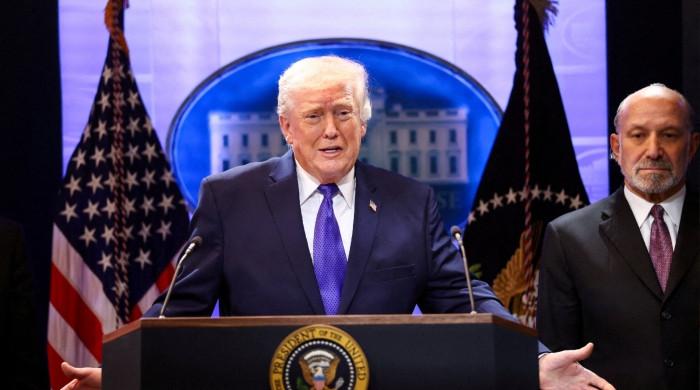
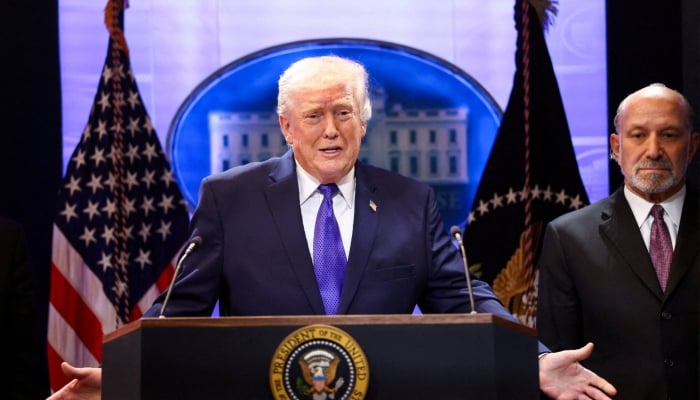
US President Donald Trump says he should get the Nobel Peace Prize after wading into eight conflicts since taking office last January. But the issues that caused many remain unresolved and conflict has flared again in some of the regions, including the Democratic Republic of Congo and along the border between Cambodia and Thailand.
Here are some of the international disputes where Trump has intervened:
Armenia and Azerbaijan
Trump brought together the leaders of Armenia and Azerbaijan on August 8 last year to sign a joint declaration pledging to seek peaceful relations between nations that have been at odds since the late 1980s.
“I got to know them through trade,” Trump said later in a radio interview. “I was dealing with them a little bit, and I said, ‘Why you guys fighting?’ Then I said, ‘I’m not going to do a trade deal if you guys are going to fight. It’s crazy.'”
The two countries had committed to a ceasefire in 2023. In March, they said they had agreed on the text of a draft peace agreement, but that deal has not been signed.
The subsequent White House-brokered declaration falls short of a formal peace treaty that would place legally binding obligations on both sides. Issues remain, including whether an agreement requires Armenia to revise its constitution.
The leaders struck economic agreements with Washington that granted the US development rights to a strategic transit corridor through southern Armenia.
The Trump administration said this would allow for more energy exports. In documents released at the time, the corridor was named after Trump. US Vice President JD Vance visited both countries in February, signing a strategic partnership with Azerbaijan and a nuclear deal with Armenia.
Cambodia and Thailand
Tensions remain between Thailand and Cambodia despite the fragile ceasefire earlier brokered in part by Trump.
The US president had helped bring Thailand to the table for talks after long-simmering tensions with Cambodia spilled over in July into a five-day military conflict, the deadliest fighting between the two in more than a decade.
Trump had reached out to then-acting Thai Prime Minister Phumtham Wechayachai two days after fighting erupted along a stretch of the border. Trump withheld trade deals with both countries until the conflict ended.
The US president oversaw the signing of a ceasefire deal between the two countries in Malaysia in October, which broke down within a matter of weeks before a new ceasefire was reached on December 27.
Israel, Iran and the Palestinian territories
Trump chaired the first meeting of his Board of Peace initiative on Thursday, as part of a bid to direct a deal aimed at ending conflict in — and redeveloping — Gaza.
Israel and Hamas agreed in October to the first phase of a Trump-brokered hostage and ceasefire deal. Hostilities have continued.
But the agreement nonetheless marked a major step forward for efforts to end a two-year war in Gaza in which more than 67,000 Palestinians have been killed. Under the deal, Hamas handed over hostages. Both, however, have repeatedly accused each other of violating the truce.
Both sides remain far apart on major issues, including Hamas’ disarmament, the governance of post-war Gaza and the composition and mandate of an international security force in the enclave.
The US president has also been working to expand the Abraham Accords, an initiative from his first term aimed at normalising diplomatic ties between Israel and Arab nations.
The Republican initially pursued talks with Iran over its nuclear programme. Israel launched an aerial war on Iran on June 13 and pressed Trump to join in. He did on June 22, bombing Iranian nuclear sites. He then pressed Israel and Iran to join a ceasefire that Qatar mediated.
Trump said at the time that Iran’s key nuclear sites were obliterated and disputed reports that the programme had merely been set back.
But in recent weeks, Trump has threatened Iran over nuclear programme. He has ordered a huge buildup of forces in the Middle East and preparations for a potential multi-week air attack on the country.
Rwada and Democratic Republic of the Cango
The Rwanda-backed rebel group M23 staged a lightning offensive this year and now holds more territory than ever in the eastern Democratic Republic of Congo. Its recent advances have stirred fears of further regional spillover of fighting.
Under pressure from Trump, Rwanda and Congo signed a US-brokered peace agreement on June 27. It hasn’t been implemented.
Trump brought the leaders of Congo and Rwanda to a Washington event on December 4 at a peace institute that his administration unofficially renamed in honour of the US president. There, they signed more documents affirming their commitment to Trump’s peace plan.
But the fighting has continued. Congolese President Felix Tshisekedi has said that Rwanda is violating its commitments, as has US Secretary of State Marco Rubio. Rwanda has long denied backing M23, but UN experts and Congolese leaders disagree. Qatar has brokered separate talks between Congo and M23.
Meanwhile, the leader of a Congolese rebel coalition that includes the M23 group has said a deal on critical minerals signed in December between Congo and Washington was unconstitutional, raising doubts about its implementation.
The insurgency is the latest episode in a decades-old conflict with roots in the 1994 Rwandan genocide.
Trump has warned of “very severe penalties, financial and otherwise” if the agreement is violated. The US is seeking access to Congo’s vast array of critical minerals as it competes with China for control of natural resources.
Pakistan and India
US officials worried conflict could spiral out of control when nuclear-armed India and Pakistan clashed in May following an attack in India that Delhi blamed on Islamabad without providing any concrete evidence.
Consulting with Trump, Rubio and Vance pushed Indian and Pakistani officials to de-escalate the situation.
A ceasefire was announced on May 10 after four days of fighting. But it addressed few of the issues that have divided India and Pakistan, which have fought three major wars since their independence from the United Kingdom in 1947.
Days after the ceasefire, Trump said he used the threat of cutting trade with the countries to secure the deal. India disputed that US pressure led to the truce and that trade was a factor.
Egypt and Ethiopia
Egypt and Ethiopia have a long dispute over the Grand Ethiopian Renaissance Dam, which Cairo regards as a national security issue and fears will threaten its Nile River water supplies.
“We’re working on that one problem, but it’s going to get solved,” Trump said in July.
White House spokeswoman Karoline Leavitt later included Egypt and Ethiopia in a list of conflicts that “the president has now ended.”
It is unclear what Trump is doing on the issue, though he has said he wants to bring the parties together for talks. In public comments, Trump has largely echoed Cairo’s concerns.
Ethiopia’s Prime Minister Abiy Ahmed opened the dam in September despite objections from both Sudan and Egypt. Egypt’s president, Abdel Fattah al-Sisi, has vowed to protect his own country’s interests.
Serbia and Kosovo
Kosovo and Serbia maintain tense relations five years after agreements Trump brokered with both during his first term to improve their economic ties.
Without providing evidence, Trump said in June he “stopped” war between the countries during his first term and that “I will fix it, again,” in his second.
Kosovo declared independence in 2008, almost a decade after Nato bombed Serb forces during a 1998-1999 counter-insurgency war.
But Serbia still regards Kosovo as an integral part of its territory. The countries have signed no peace deal.
Kosovo’s prime minister, Albin Kurti, has sought to extend government control over the north, where about 50,000 ethnic Serbs live, many of whom refuse to recognise Kosovo’s independence.
Kosovo’s president, Vjosa Osmani, said in July that over “the last few weeks,” Trump had prevented further escalation in the region. She did not elaborate, and Serbian President Aleksandar Vucic denied that any escalation had been looming.
Russia and Ukraine
Trump, who said during the 2024 presidential campaign that he could solve the war in Ukraine in one day, has so far been unable to end the nearly four-year-old conflict that analysts say has left more than 1 million people dead or wounded.
“I thought this was going to be one of the easier ones,” Trump said on August 18. “It’s actually one of the most difficult.”
Trump’s views on how to best bring peace have swung from calling for a ceasefire to saying a deal could still be worked out while fierce fighting continued. He imposed sanctions on Russia’s two biggest oil companies in October.
More recently, Trump has attempted to press Ukrainian President Volodymyr Zelenskiy into accepting a deal to end the war that European leaders worry would favour Moscow and destabilise the continent. Talks in recent days have produced few signs of progress.
South Korea and North Korea
Trump has said he wants to meet North Korean leader Kim Jong Un and make another push towards peace.
“We’ll come back, and we’ll, at some point in the not-too-distant future, meet with North Korea,” Trump told reporters in October on a trip to South Korea.
Trump and Kim held three summits during Trump’s 2017-2021 first term. They also exchanged several letters that Trump called “beautiful” before the unprecedented diplomatic effort broke down over US demands that Kim give up his nuclear weapons.
North Korea has surged ahead with more and bigger ballistic missiles, expanded its nuclear weapons facilities, and gained new support from its neighbours in the years since. In his second term, Trump has acknowledged that North Korea is a “nuclear power.”
Kim said in September that there was no reason to avoid talks with Washington if it dropped its demands that his country give up nuclear weapons. Trump agreed to support Seoul’s pursuit of a nuclear-powered submarine for its own defence.
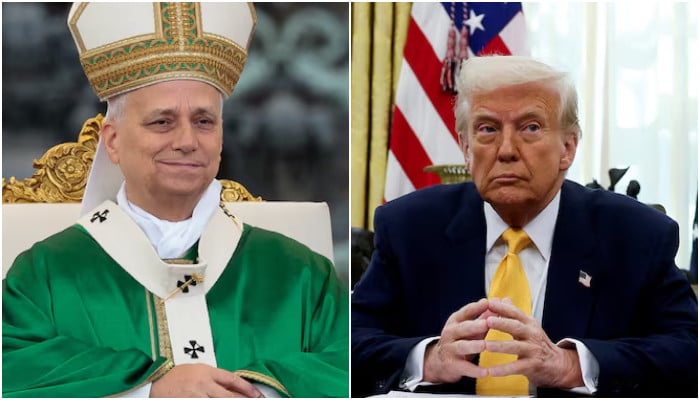
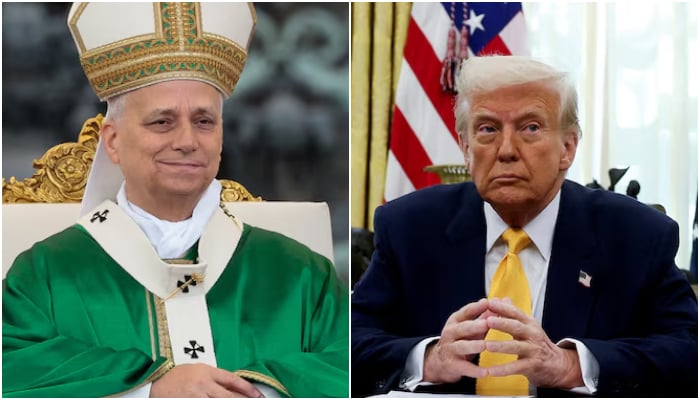
US President Donald Trump, whose war and immigration policies have been condemned by Pope Leo, reiterated his criticism of the religious leader on Tuesday night.
In a post on Truth Social, Trump urged that “someone please tell Pope Leo” about the killings of protesters by Iran and that “for Iran to have a Nuclear Bomb is absolutely unacceptable.”
The US and Israel attacked Iran on February 28. Iran responded with its own strikes on Israel and Gulf states with US bases.
US-Israeli strikes on Iran and Israeli attacks in Lebanon have killed thousands and displaced millions.
Iran does not have nuclear weapons while the US does. Israel is widely believed to be the only Middle Eastern country with nuclear weapons.
While Western countries have long believed that Iran wants a nuclear bomb — or at least the ability to make one very quickly — Tehran has always denied that, citing its membership of the Nuclear Non-Proliferation Treaty.
Trump’s comments come after Pope Leo warned earlier in the day of the risk of democracies sliding into “majoritarian tyranny”.
The first US pope, Leo wrote in a letter issued by the Vatican about the use of power in democratic societies, and said democracies remained healthy only when they were rooted in moral values.
The pope has criticised Trump’s decision to launch the war against Iran, saying God rejects the prayers of those who launch wars and have “hands full of blood”.
The pope termed Trump’s threat this month to destroy the Iranian civilisation as unacceptable and previously declined to join the US president’s so-called “Board of Peace” initiative for Gaza.
The religious leader has also urged a “deep reflection” on the way migrants are treated in the US while Trump has pursued a hardline immigration policy.
On Sunday, Trump called the pope “weak” and “terrible” on crime and foreign policy issues.
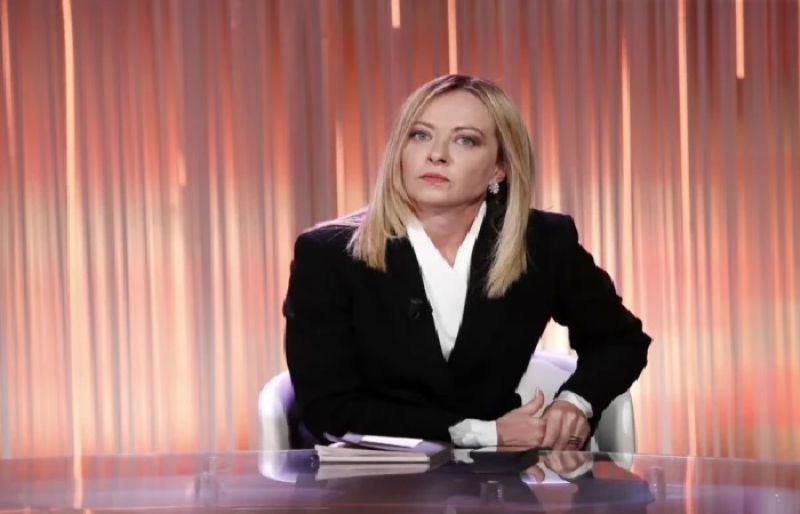
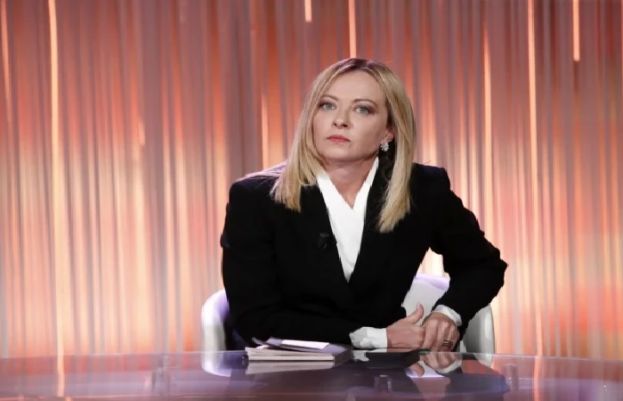
Italy’s Prime Minister Giorgia Meloni said on Tuesday her government had suspended a defence cooperation deal with Israel, reflecting frayed ties between previously close allies as the conflicts in the Middle East continue.
Meloni’s right-wing government has been one of Israel’s closest friends in Europe, but in recent weeks it has criticised its attacks on Lebanon, which have killed hundreds and injured thousands.
Israel also fired warning shots last week at Italian troops serving in Lebanon under a UN mandate, causing damage to a vehicle.
“In light of the current situation, the government has decided to suspend the automatic renewal of the defence agreement with Israel,” Meloni said during a visit to Verona, northern Italy.
A source close to the matter, who requested anonymity, said Meloni took the decision on Monday with her foreign and defence ministers, Antonio Tajani and Guido Crosetto, as well as Deputy Prime Minister Matteo Salvini.
A spokesperson for Israel’s foreign ministry declined to comment.
Opposition had called for the suspension
Meloni’s announcement was a surprise in that it marked a shift from a previously cautious stance on Israel. The opposition had asked the government to suspend the agreement.
“We had been calling for this for some time, along with other progressive forces,” the leader of the centre-left Democratic Party, Elly Schlein, said, adding Italy should also support the suspension of the EU-Israel Association Agreement.
Italy’s memorandum with Israel, signed in 2003 by the government of then Prime Minister Silvio Berlusconi, entered into force in 2006 and is subject to automatic renewals every five years unless one of the parties withdraws.
It foresees Israeli-Italian cooperation to “increase their respective defence capabilities” and spans fields including procurement, training and the “import, export and transit of defence and military equipment”.
As diplomatic tensions have risen, Rome last week summoned the Israeli ambassador to protest over the incident involving Italian troops in Lebanon, then on Monday, the government of Prime Minister Benjamin Netanyahu summoned the Italian ambassador “to discuss the situation in Lebanon”.
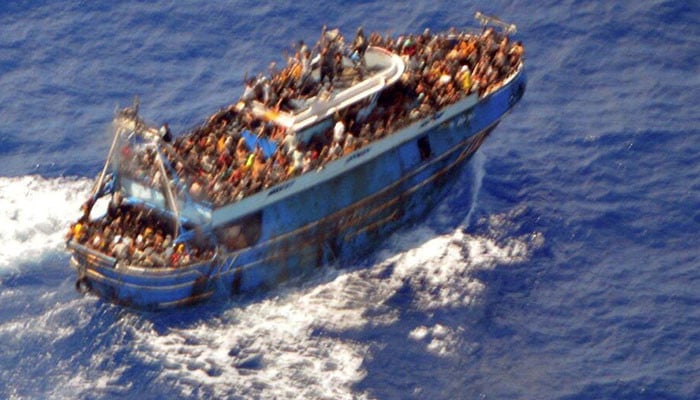
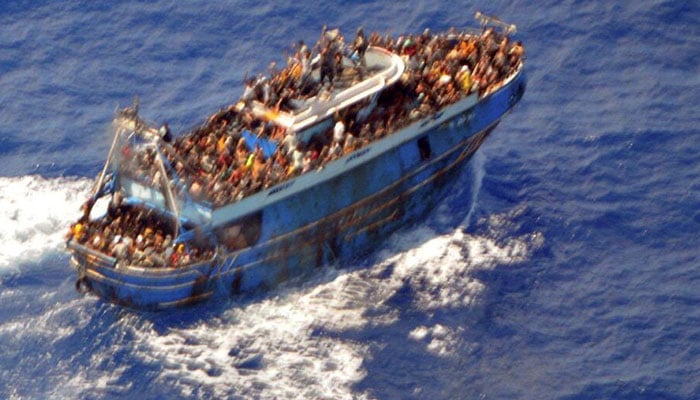
Around 250 people were missing after a boat carrying Rohingya refugees and Bangladeshi nationals capsized in the Andaman Sea, the United Nations’ refugee and migration agencies said in a joint statement on Tuesday.
The UN agencies said the trawler carrying around 250 men, women and children reportedly sank due to heavy winds, rough seas and overcrowding. It had departed from Teknaf in southern Bangladesh and was bound for Malaysia.
“This tragedy highlights the devastating human cost of protracted displacement and the continued absence of durable solutions for the Rohingya,” said the United Nations High Commissioner for Refugees, and the International Organisation for Migration.
For years, many of Myanmar’s Rohingya Muslim minority have embarked on rickety wooden boats to try to reach neighbouring countries, including Malaysia, Indonesia and Thailand, in a bid to flee persecution in Myanmar or overcrowded refugee camps in Bangladesh.
The agencies called on the international community to step up and sustain funding for lifesaving assistance for Rohingya refugees in Bangladesh as well as support for Bangladeshi host communities.
In 2017, Myanmar’s armed forces launched an offensive that forced at least 730,000 Rohingya from their homes and into neighbouring Bangladesh, where they recounted killings, mass rape and arson. A UN fact-finding mission concluded the 2017 military offensive had included “genocidal acts”.
Buddhist-majority Myanmar has denied genocide, and says the UN fact-finding mission was not objective or reliable.


Australian business confidence plunges in March amid uncertainty: NAB

Transfer rumors, news: Bayern eye move for Newcastle’s Gordon
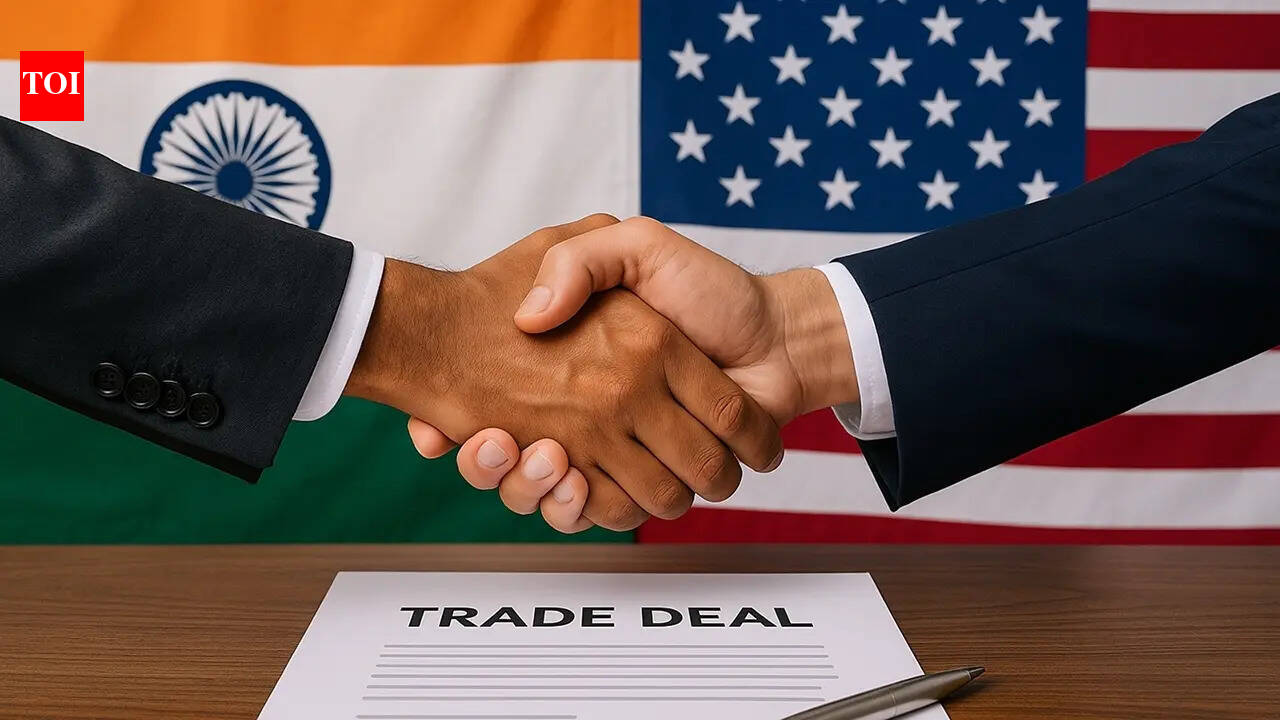
India-US trade deal back in focus: Indian delegation to visit Washington next week for talks – The Times of India

-

 Fashion1 week ago
India’s exports face reset as EU links trade to carbon metrics: EY
-

 Entertainment1 week ago
Queen Elizabeth II emotional message for Archie, Lilibet sparks speculation
-

 Entertainment1 week ago
Lamar Odom shocking response to Khloé Kardashian account of his overdose
-

 Tech7 days ago
As the Strait of Hormuz Reopens, Global Shipping Will Take Months to Recover
-

 Tech7 days ago
Azure customers up in arms over ‘full’ UK South region | Computer Weekly
-

 Fashion1 week ago
CII submits 20-pt agenda to Indian govt to back firms hit by Iran war
-

 Tech6 days ago
This AI Button Wearable From Ex-Apple Engineers Looks Like an iPod Shuffle
-

 Tech1 week ago
A Single Strike Won’t Shut Off the Gulf’s Desalination System