

Business
UK inflation falls in pre-Budget boost Rachel Reeves


Inflation fell to 3.6 per cent in October, in a pre-Budget boost to Rachel Reeves – as well as to consumers and businesses.
The latest update from the Office for National Statistics (ONS) showed Consumer Prices Index (CPI) inflation dropping from September, when it surprisingly held at 3.8 per cent. That has led to most analysts to declare inflation has peaked across the UK.
It is the first time the rate of inflation has been at this level since June of this year – though just three months prior to that, in March it was as low as 2.6 per cent.
Some economists were expecting CPI to fall to as low as 3.5 per cent last month, and while that has not quite transpired, the downturn in price growth will be cause for relief for households and firms which have had to deal with constant price pressures and uncertainty this year.
The anticipated fall was “primarily based off last year’s big increase in energy prices dropping out of the annual comparison”, explained RSM UK’s chief economist Thomas Pugh, as well as continued slowdown in food price inflation.
It comes just a week before the chancellor, Rachel Reeves, presents the Budget in which it is expected a raft of tax increases will be unveiled.
On the falling figures, Ms Reeves said: “This fall in inflation is good news for households and businesses across the country, but I’m determined to do more to bring prices down. That’s why at the budget next week I will take the fair choices to deliver on the public’s priorities to cut NHS waiting lists, cut national debt and cut the cost of living.”
In disagreement, Sir Mel Stride MP, shadow chancellor of the exchequer, said: “Inflation has been above target every single month since Labour’s last Budget, leaving working people worse off. Labour’s last Budget hiked borrowing and taxes, stoking the inflation now hitting families. If Labour had any backbone, they would adopt our £47 billion savings plan and our Golden Economic Rule next week to ease inflationary pressures.”
Daisy Cooper, deputy leader for the Liberal Democrats added: “As the cost-of-living crisis rages on, the Chancellor mustn’t look this small gift horse in the mouth. Hitting people with a stealth tax at next week’s Budget would prolong the pain of higher taxes for much longer and unfairly pull poorer pensioners and low-income workers into paying tax for the first time.
Get a free fractional share worth up to £100.
Capital at risk.
Terms and conditions apply.
ADVERTISEMENT

Get a free fractional share worth up to £100.
Capital at risk.
Terms and conditions apply.
ADVERTISEMENT
“We Liberal Democrats are calling for emergency measures to slash people’s energy bills, save our high streets with a VAT cut for hospitality and boost growth in every corner of the UK – funded fairly by taxing the banks. The Chancellor must put households and high streets first and put an end to the most vulnerable from having to choose between heating and eating.”
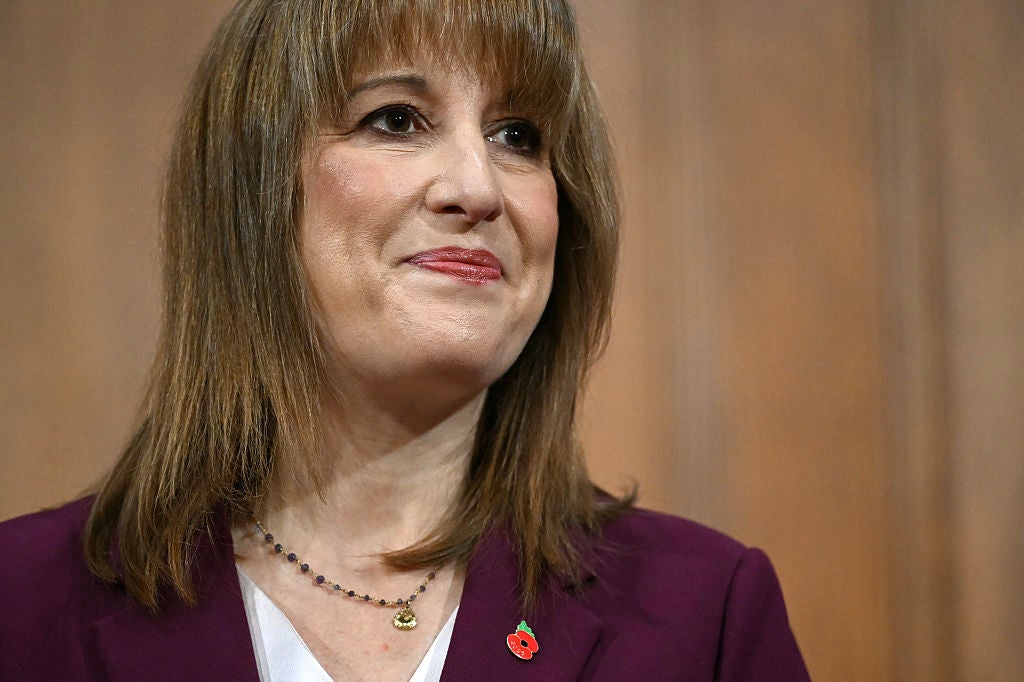
The ONS have said that housing and household services made “the largest downward contribution” to the changing rate of CPI; while food and non-alcoholic beverages made the largest offsetting upward contribution.
Costs from health, communication and transport also dropped to contribute towards lowered inflation rates, while education and recreation and culture costs rose.
The continuing disinflation – plus recent data around rising joblessness – is likely to mean the Bank of England cut interest rates in December.
George Brown, senior economist at Schroders, said the situation beyond that remains cloudy and will depend very much on Rachel Reeves’ Budget. “Evidence inflation has peaked should tip the scales towards a December rate cut. But any further rate cuts will largely depend on the contents of the Chancellor’s red box. If VAT and green levies are eliminated from household energy bills, inflation could fall by as much as half a percentage point,” he said.
“But we remain concerned that broader price pressures will prove persistent. Wage growth is still well above a target-consistent pace, especially given repeatedly weak productivity.”
Lindsay James, strategist at Quilter, added that risks to the wider economy remain. “Although the direction of travel is improving, the wider economic backdrop remains fragile. Growth has been subdued all year, and the labour market is now cooling at a faster pace. The economy is clearly at a point of significant risk as we move towards 2026,” she said.
“Amidst rising unemployment , ill thought-out plans to target the tax relief on offer from salary sacrifice pensions not only store up greater problems for the future but also make workers even more expensive for companies who have already been hit hard by hikes to National Insurance and the minimum wage.”
The National Institute of Economic and Social Research (NIESR) also added that they expected two further rate cuts from the Bank of England next year, after inflation had “reached its peak”. “Unlike the announcements in the autumn 2024 budget, where a rise in business costs may have contributed to price increases in 2025, we think the upcoming budget is less likely to be inflationary,” added the NIESR in a statement.
“Falling inflation is welcome news and provides some relief for households heading into the winter months,” said Raisin UK’s co-founder Kevin Mountford. “While borrowing costs remain high, stabilising price pressures may pave the way for lower interest rates in the future, which could make mortgages and loans more affordable over time.”
Consumers were reminded that falling inflation, while a positive, wouldn’t be of help if they over-stretched themselves across the upcoming period – particularly with rates on borrowing still higher.
“No matter how healthy your finances, Christmas is an expensive time, so, while it’s good news that inflation is falling, many households will be spending more in the coming weeks on festive gifts, food and going out. The Black Friday sales can be very tempting, but – no matter how big the discount, it’s not a bargain if you have to take on unaffordable debt to buy it,” said Sarah Pennells, consumer finance specialist at Royal London.
Those with cash sat in accounts earning interest below the rate of inflation were urged to move their money elsewhere by Derek Sprawling, head of money at Spring.
“A fall in inflation offers some relief, but I urge savers not to become complacent. Even with a lower rate, billions remain in accounts paying below inflation, which remains relatively high. Savers should take this opportunity to review their savings options and switch to accounts that deliver returns above inflation, ensuring their money continues to grow in real terms,” he explained.
“Furthermore, with the Budget due, the outlook for interest rates is volatile regardless of the inflation rate. Moving your rainy-day savings to an account that gives a better return without restricting access provides better returns now and flexibility in the future.”
“There remains a significant gap between the best and worst rates available, so ensuring you’re regularly reviewing your interest rate and switching where possible is key,” added Shawbrook Bank’s Sally Conway.
Business
Indian electronic firms seek PLI 2.0, eye 30–35% share in global mobile production by FY31 – The Times of India

With the production-linked incentive (PLI) scheme now over, India’s electronics industry has pitched a fresh expansion plan, seeking continued government support as it eyes a strong jump in manufacturing and exports over the next five years. During discussions with the ministry of electronics and IT (MeitY), the industry said that by FY31, India could capture 30–35% of global mobile production. This would take annual output to $110–130 billion, with exports estimated at $55–70 billion. At present, according to ET, India accounts for about 15% of global mobile phone production, with manufacturing output exceeding $64 billion. Industry executives said the current production-linked incentive (PLI) scheme has played a key role in this growth. With the scheme set to end on March 31, companies are pushing for a new version to keep the momentum going. Talks are underway on a proposed PLI 2.0 scheme, which is likely to run from 2026 to 2031. Government officials said a new incentive programme is being considered, though details have not yet been finalised. The industry has also shared a roadmap with the government to meet production and export targets by FY31. “With a strong foundation, we have an opportunity to achieve 30-35% of global mobile production in the next five years,” Pankaj Mohindroo, chairman of India Cellular and Electronics Association (ICEA), told ET. “To realise this ambition, it is critical to sustain the current momentum and continue investments. We are actively engaging with the government to shape the next phase of this growth journey.” Industry players said increasing India’s global share would help strengthen the supply chain, deepen the manufacturing ecosystem and support research and development at scale. One executive said scale is more important than value addition alone for long-term sustainability. The government is also examining how much domestic value addition should be required for incentives and how exports can be increased without breaching World Trade Organization norms. Experts said the growth in production will depend largely on exports, as domestic demand is expected to weaken. India’s smartphone market could shrink by more than 13% this year due to rising memory costs, which may push device prices up by 15–40%, according to an earlier report. Data from the commerce ministry showed smartphone exports rose 47.4%, from $20.44 billion in 2024 to $30.13 billion in 2025. The United States accounted for $19.7 billion, or 65% of total exports. Meanwhile, China’s smartphone exports fell from $132.6 billion to $120.6 billion during the same period, with shipments to the US declining sharply due to fentanyl-related tariffs. India’s tariff advantage in the US market has narrowed after the US Supreme Court struck down sweeping global tariffs imposed by the Trump administration. China continues to have an advantage due to its strong supply chain and advanced manufacturing capabilities, while India is still developing these.
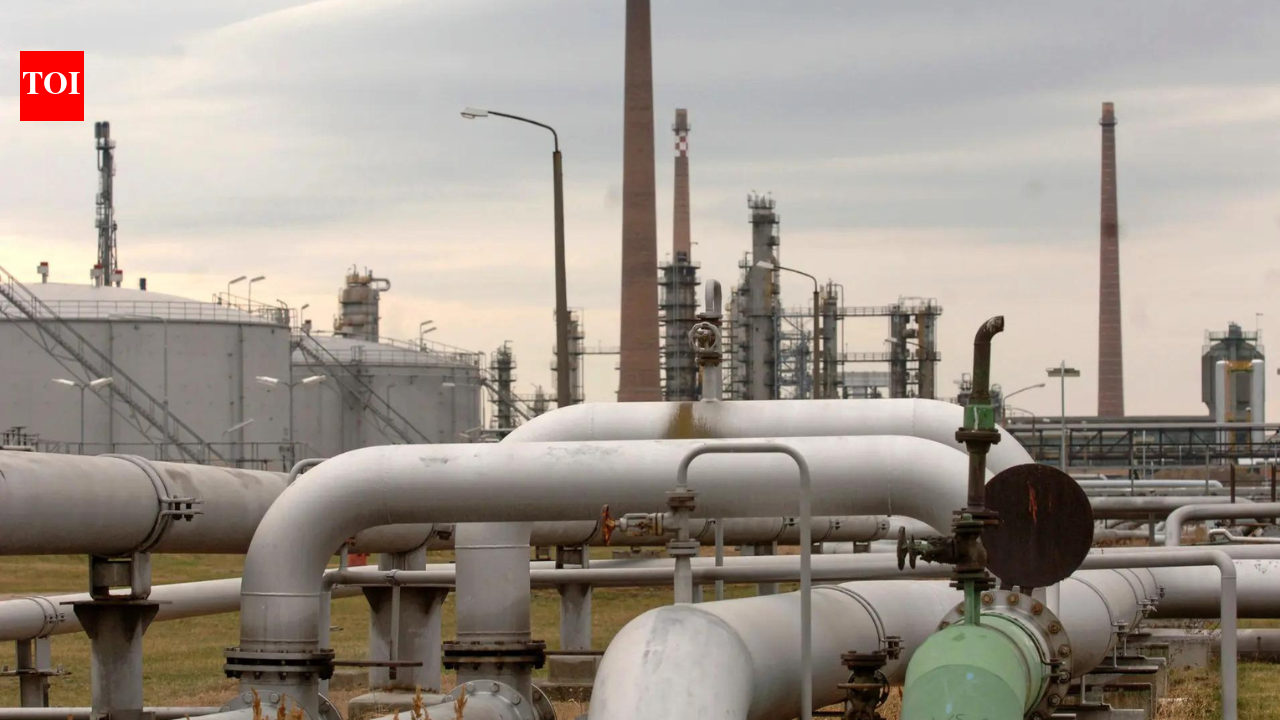
NEW DELHI: Govt on Saturday significantly increased export duties on diesel and aviation turbine fuel to dissuade oil refiners from exporting these fuels and to ensure adequate availability in the domestic market amid ongoing tensions in West Asia. The ministry of finance issued a series of notifications hiking the export duty on diesel by more than 150% – from Rs 21.5 per litre to Rs 55.5 per litre – with immediate effect. The levy on ATF, or jet fuel, was increased from Rs 29.5 per litre to Rs 42 per litre. The export duty on petrol continues to be nil. Under the revised structure, the special additional excise duty on high-speed diesel has been raised to Rs 24 per litre, while the road and infrastructure cess now stands at Rs 36 per litre, which means a large chunk will now flow to the Centre. Govt said these duties are not meant to boost revenue, but to stop fuel exporters from taking undue advantage of price differences. The Centre had, on March 27, imposed an export duty of Rs 21.5 per litre on diesel and Rs 29.5 per litre on ATF in a bid to check windfall gains, as fuel was in short supply in international markets due to a squeeze on energy supplies amid the military conflict and export curbs imposed by China. It had also slashed excise duty on diesel and petrol to shield consumers and oil companies from the impact of high crude prices. Retail prices of automobile fuels in India have not increased despite high volatility in the international crude market, while only a small part of the international price pressure has been passed on to domestic flights. The windfall tax on exports of diesel and ATF helps the Centre partly offset the impact of the excise duty cut. On March 27, govt had estimated revenue gains from export duties at around Rs 1,500 crore in a fortnight. The further hike in export duties is likely to lead to higher revenue gains. In a statement, the ministry of petroleum had said, “At a time when international diesel prices have surged sharply, the levy is designed to disincentivise exports and ensure that refinery output is directed first tow-ards meeting domestic demand.“
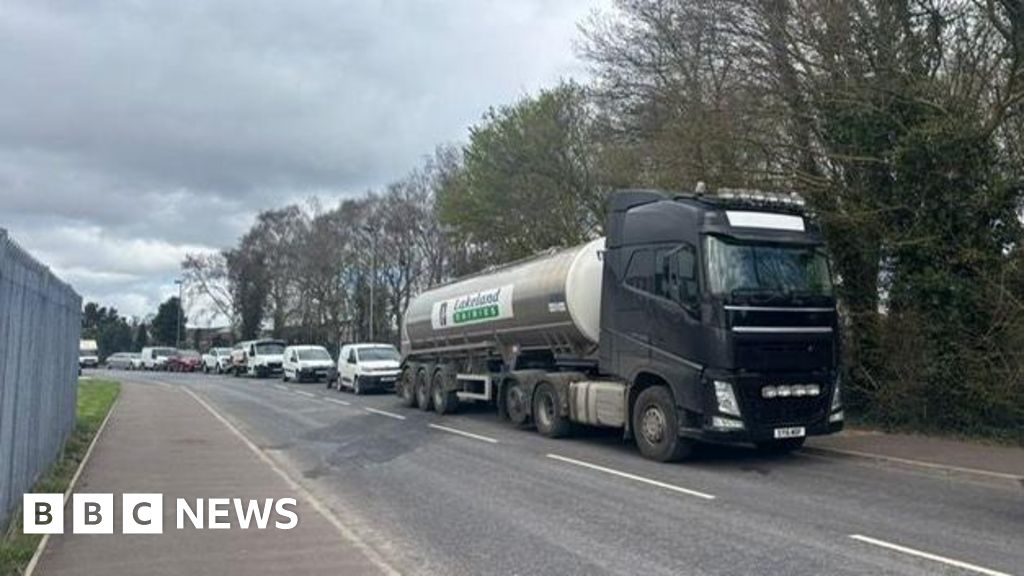
A convoy of vans, lorries, tractors, and even a limousine took part in a slow moving protest around the town centre on Saturday afternoon.
Source link


IRGC Navy warns military vessels of ‘firm response’ to attempts at crossing Strait of Hormuz
[CinePlex360] Please moderate: “Meta’s lat
Indian electronic firms seek PLI 2.0, eye 30–35% share in global mobile production by FY31 – The Times of India

-

 Entertainment1 week ago
Joe Jonas shares candid glimpse into parenthood with Sophie Turner
-

 Tech1 week ago
Our Favorite iPad Is $50 Off
-

 Sports1 week ago
UConn Final Four run could trigger a $50M furniture giveaway for Massachusetts-based Jordan’s Furniture
-

 Fashion5 days ago
India’s exports face reset as EU links trade to carbon metrics: EY
-

 Entertainment1 week ago
Blake Lively reacts to harassment claims dismissal against Justin Baldoni
-

 Politics1 week ago
Iran can sustain Strait of Hormuz closure for years, will cut US military logistics: Official
-
 Business1 week ago
Video: Why Is the Labor Market Stuck?
-

 Entertainment1 week ago
Barbie Ferreira reveals where she stands with ‘Euphoria’ girls after exit