

Fashion
Upland sales down 41%, Pima demand muted in week ending Oct 30: USDA

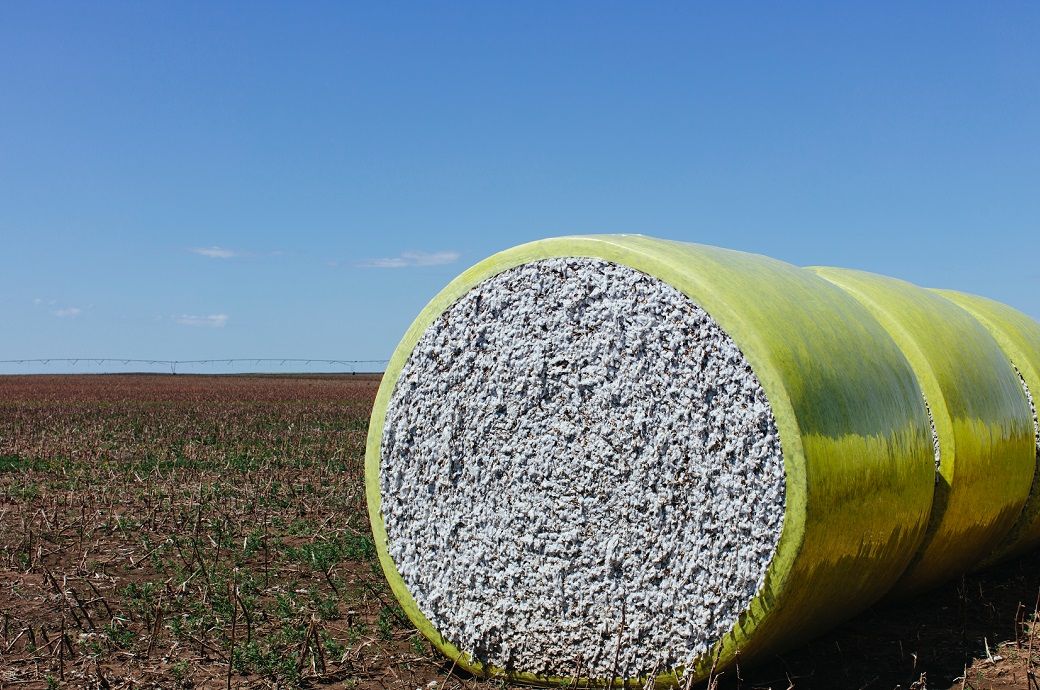
Vietnam remained the top buyer at 14,200 RB, followed by Turkiye (10,200 RB) and India (7,100 RB). Mexico, Bangladesh, Pakistan, Japan and Indonesia contributed smaller volumes. Minor cancellations—mainly from Vietnam and South Asia—reflected mills’ sensitivity to shifting yarn demand and pricing dynamics.
US cotton export sales weakened in the week ending October 30, with Upland bookings down 41 per cent to 81,500 RB amid cautious global demand.
Vietnam and Turkiye led purchases, while shipments held steady at 146,600 RB.
Outstanding commitments remain well below last year.
Pima sales were subdued at 7,900 RB. Mills favoured short-cycle buying.
Export shipments of Upland cotton remained steady at 146,600 RB, supported by earlier contract execution. The largest shipment destinations were Vietnam, Mexico, India, Bangladesh and Nicaragua. Outstanding Upland commitments stand at 3.144 million RB, compared with 4.295 million RB a year earlier, pointing to shorter booking windows and a shift towards near-term sourcing.
Pima cotton activity was subdued. Net sales reached 7,900 RB, well below last year’s 12,300 RB, while shipments totalled 8,200 RB. No forward sales were reported, reinforcing slower momentum in the long-staple segment as luxury and high-value textile demand remains patchy.
Overall sentiment remains cautious. Mills continue to prioritise short-cycle procurement amid uneven yarn demand, currency pressure and competitive offers from alternative origins. Vietnam and Turkiye maintained steady interest, while India, Pakistan and China stayed selective—balancing domestic supply conditions, pricing parity and import needs.
Looking ahead, the pace of new sales may depend on downstream apparel order visibility, retail consumption patterns and ICE futures movement. Until clearer demand signals emerge, a buy-as-needed approach appears likely to dominate purchasing strategies moving into November.
Fibre2Fashion News Desk (KUL)












India and Oman intend to operationalise CEPA by mid-March or Q1 2026 will be the likely entry-into-force window if execution stays on track.
In scale terms, an Oman-only base case suggests incremental export gains for India, while larger upside hinges on leveraging Oman as a distribution hub, requiring investment and strategic execution beyond tariff cuts alone.
Source link
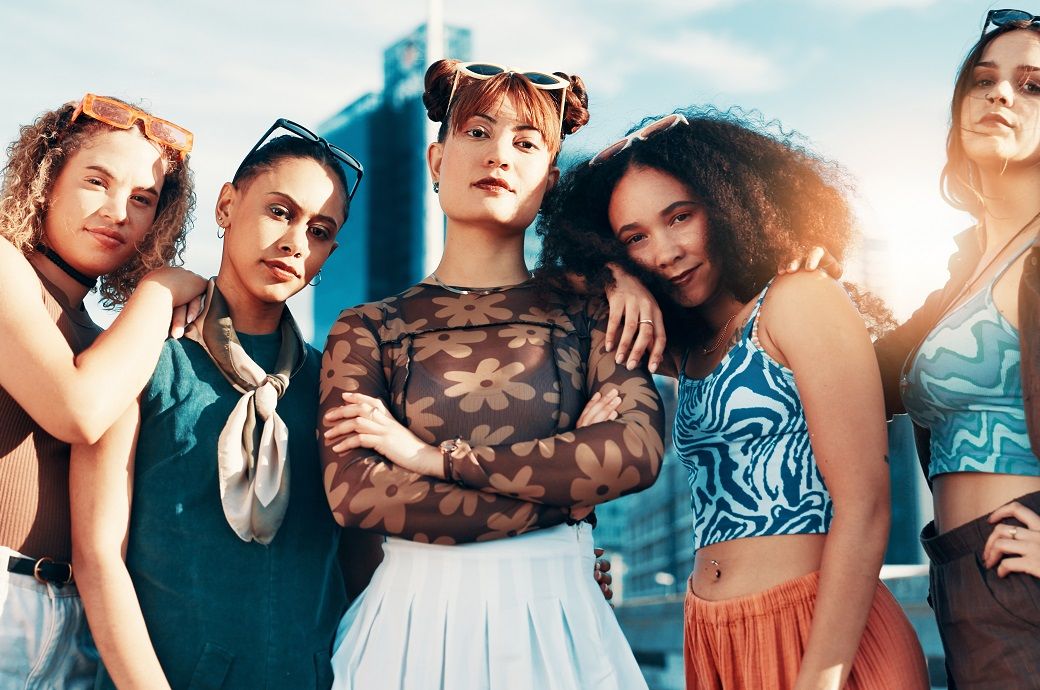
As founder and creative guide, Millie draws on her own experience to bring fashion that feels exciting, attainable, and inclusive. At its heart, Mills is a love letter to her younger self.
Millie Bobby Brown has launched Mills by Millie Bobby Brown, a fashion line for teens and young women created for Walmart with Delta Galil USA.
The debut range covers ready-to-wear, sleepwear and intimates, blending playful silhouettes, feminine details and comfort-led design.
Inspired by Brown’s own fashion journey, the line focuses on inclusivity, self-expression and everyday wear.
“Mills is all about embracing those earlier moments of fashion exploration. I want everyone to feel comfortable and free to find what style makes them feel like the best version of themselves,” said Millie Bobby Brown, founder of Mills by Millie Bobby Brown. “This collection is made for the fashion curious girl to play in, experiment with, and make their own with a fun selection of colorways, graphics and special details. It was very important to me for this brand to be accessible to millions through our collaboration with Walmart!”
The collection brings a fresh point of view to everyday dressing with flirty cuts and playful, cheeky details. Delicate and feminine touches like floral appliqués, embroidery, and lace finishes run throughout the line. Thoughtful designs such as built-in shorts and bras offer ease and comfort. Feel-good fits are made to move with you day or night, with cozy PJs for hangouts with friends and soft intimates to mix, match, and make your own.
The debut collection features items across ready-to-wear, sleep, and intimates, all designed to feel playful and modern. The assortment includes dresses, skirts, tops, denim, sleepwear, bralettes, briefs, and matching intimates sets. Prices start at $10.50 in intimates and go up to $26.50 for wide-leg jeans, making the collection an accessible way to shop Brown’s style at Walmart.
“Walmart is on a journey to democratize fashion and Mills by Millie Bobby Brown delivers on the trend-right style and aesthetic our customers are looking for at the incredible prices that Walmart is known for,” said Ryan Waymire, Senior Vice President Fashion, Walmart U.S. “Mills by Millie Bobby Brown is an exciting new brand that stands for style and quality and offers tremendous value that only Walmart can. We are excited for the launch, and we know that our customers are going to love it.”
The collection is available now on Walmart.com and in 750 Walmart stores.
The collaboration was facilitated by Millie’s licensing agency, IMG Licensing.
Note: The headline, insights, and image of this press release may have been refined by the Fibre2Fashion staff; the rest of the content remains unchanged.
Fibre2Fashion News Desk (RM)
Published
January 20, 2026
Everything is in place for the major innovation of Pitti Immagine’s Winter 2026 shows: the concurrent scheduling at Florence’s Fortezza da Basso of the events dedicated to childrenswear and yarns, with Pitti Bimbo 102 scheduled for January 21 and 22 and Pitti Filati running from January 21 to 23.
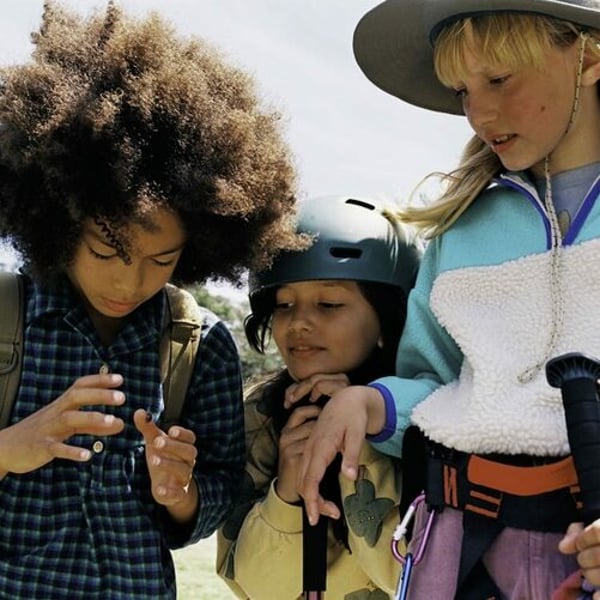
On the Top Floor of the Central Pavilion, Pitti Bimbo brings together more than 100 childrenswear brands, over 65% of which are from abroad. “This winter edition of Pitti, and the one next June, are very important for the fair, because we expect them to provide feedback- and we trust it will be a positive endorsement- of the new approach we have given to the exhibition offering, aligning it with the profound transformations in children’s clothing and accessories, which in recent seasons have accelerated at a very fast pace,” commented Raffaello Napoleone, CEO of Pitti Immagine. “The fragmentation of the production structure, the polarisation between luxury and fast fashion, the drastic downsizing of retail, not to mention regressive demographic trends and their effects on consumption models and volumes. It was inevitable that all this would completely call into question the entire international trade fair system, including our show. We do not hide the difficulties; the next steps are crucial, but Pitti Bimbo remains the most important event in Europe and the only champion of Italy’s industry in the sector- a high-quality, long-established industry. Reacting, innovating, and proposing effective meeting formats are our duty, and we are working on this with great determination.”
Interpreting the “Motion” theme of Pitti Immagine’s winter shows through the cute penguin Pitt, the star of the campaign created by Amedeo Piccione, the show will bring together on the Top Floor of the Central Pavilion all the facets of childrenswear: from the big names and leading brands that reinterpret adult fashion in mini-me form, to younger, pioneering research labels spanning fashion, design, toys, objects, and small furnishings.

During the show, Miniconf celebrates 35 years of Sarabanda with an art project that reinterprets the brand’s most iconic campaigns through a contemporary lens, spanning four decades of style and creativity with four works created by Casentino artist Elia Fiumicelli.
New for this edition is the debut of The New Edit, a project focused on contemporary childrenswear that pairs collections with special events and presentations, developed in collaboration with Spanish brand Bobo Choses, which leads the line-up alongside Cozmo, Grey Label, Maison Mangostan, Mini Rodini, PiuPiuChick, The Campamento, The New Society, Tangerine, and True Artist.
The Family Circle, the marketplace founded in Hamburg by Nadine Jung, once again brings to the fair a selection of lifestyle labels and emerging designers that combine quality, attention to materials, and a playful approach to style. The featured brands are 2StoriesKids, Alwero, Bygge, FabFabStickers, Holzwald, Igelkind, Kiko+ & gg, Little Who, and Organicera. In addition to individual stands in the Pitti Bimbo exhibition itinerary, The Family Circle curates a collective exhibition area dedicated to the latest trends, featuring the brands Ambosstoys, Cosy Roots, Routinchen, The Momence Club, and Yogitier.
Finally, Ama Gioconaturalmente, Italy’s leading distributor of brands specialising in kids & family lifestyle, presents a carefully curated selection of high-quality labels, perfect for supporting children’s growth and fulfilling their wishes: Hoppstar, Kids’ Concept, Oli&Carol, Play&Go, Petit Jour Paris / Maison Petit Jour, Quut, Scoot&Ride, Wild&Soft, Egmont Toys, We Are Gommu, and Trixie.
Turning to Pitti Filati, 103 companies are presenting their S/S 2027 collections, including many of the most important Italian and international spinning mills. In detail, there are 67 exhibitors in the Filati area (including nine from abroad: the UK, Japan, Turkey, China, Peru); 21 companies in the CustomEasy area (five from abroad: Japan, Romania, China); 10 exhibitors within the KnitClub area (three from abroad: Hong Kong, Japan, the US); and five companies in the Institutional Area (including one from Australia).

During the show, the Feel the Yarn knitwear contest returns, now in its 17th edition, showcasing the mood boards of 34 participants, selected from over 150 entries and paired with 34 spinning mills from the Feel the Yarn group.
The two shows have separate entrances, but childrenswear brands and designers also have the opportunity to visit Pitti Filati and its Spazio Ricerca to draw inspiration for their future collections.
This article is an automatic translation.
Click here to read the original article.
Copyright © 2026 FashionNetwork.com All rights reserved.


India–Oman CEPA: A New Chapter for Textiles & Apparel

Indiana erases forgettable history with unforgettable title

Millie Bobby Brown teams up with Walmart for new fashion line

-

 Tech1 week ago
New Proposed Legislation Would Let Self-Driving Cars Operate in New York State
-

 Entertainment1 week ago
X (formerly Twitter) recovers after brief global outage affects thousands
-

 Sports5 days ago
Pak-Australia T20 series tickets sale to begin tomorrow – SUCH TV
-

 Fashion3 days ago
Bangladesh, Nepal agree to fast-track proposed PTA
-

 Politics4 days ago
Saudi King Salman leaves hospital after medical tests
-
 Business4 days ago
Trump’s proposed ban on buying single-family homes introduces uncertainty for family offices
-

 Tech5 days ago
Meta’s Layoffs Leave Supernatural Fitness Users in Mourning
-

 Tech6 days ago
Two Thinking Machines Lab Cofounders Are Leaving to Rejoin OpenAI