

Fashion
US brand Wrangler partners with CAPX to launch new headwear line

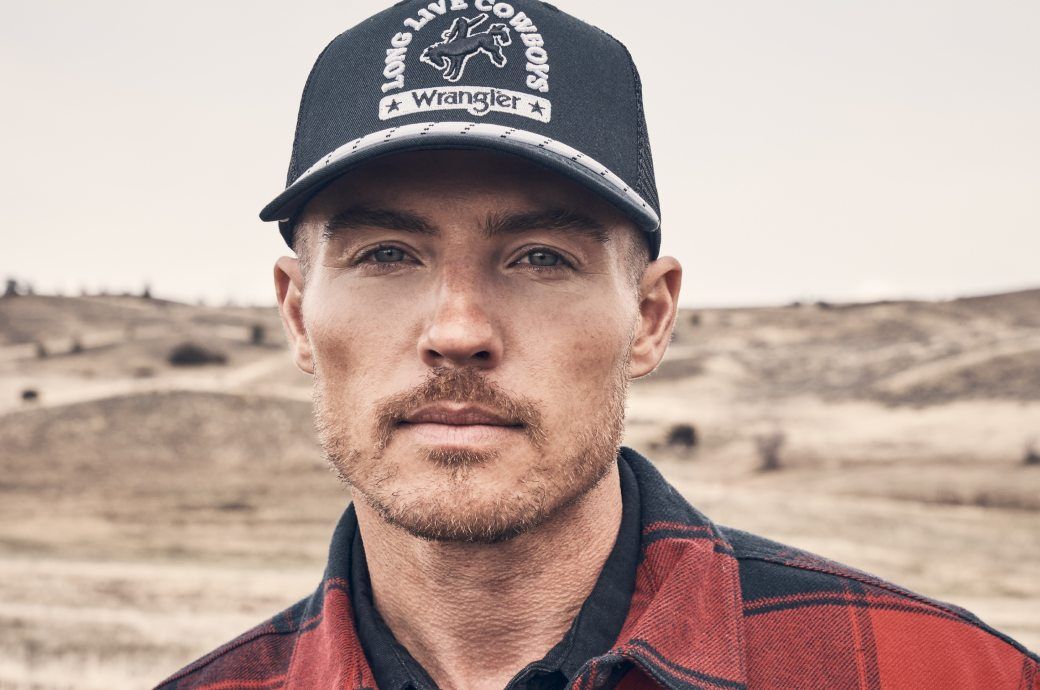
The agreement reflects a strategic shift towards elevated craftsmanship and cutting edge design, leveraging CAPX’s industry-leading innovation and manufacturing capabilities to redefine what consumers can expect from Wrangler headwear.
Wrangler has entered a multi-year licensing deal with CAPX to launch an innovative headwear line, blending its iconic craftsmanship with CAPX’s advanced design and fit technology.
Featuring signature ‘W’ stitching, copper hardware, and leather patches, the collection embodies Wrangler’s lifestyle ethos.
The first range debuts this month, expanding Wrangler’s reach beyond denim.
The collection will feature distinctive Wrangler details, including the iconic ‘W’ stitching, copper hardware, and leather patches sourced from the same suppliers used for Wrangler denim. Each silhouette will be meticulously crafted to meet Wrangler’s exacting standards.
As Wrangler continues to expand beyond denim, the brand remains focused on its core consumer—someone who lives with purpose and expresses identity through what they wear. For many, staples like jeans, tees, and caps aren’t just wardrobe choices—they’re a way of life. This new headwear line is designed to complement that lifestyle, offering quality, comfort, and character in every piece.
Every cap, Wrangler models included, will feature a model number printed inside the lining. This number refers to one of over 45 shapes developed by CAPX and serves as the foundation of their standardized fit system used across brands and industries. This approach helps to educate consumers on specific fit and structure of a cap they love, making it easier to discover and purchase similar styles in the future.
“Headwear is an essential part of the Wrangler consumer’s lifestyle,” said Steve Armus, Vice President of Licensing and Collaborations at Wrangler. “We see tremendous opportunity in headwear to reach a broader audience in meaningful new ways, and CAPX is the ideal partner to help us do that.”
“We’re excited and humbled to partner with the iconic Wrangler brand and represent its 78-year history. Wrangler is a true American lifestyle brand and headwear is an incredible opportunity to amplify its story,” said David Gormley, Founder and President of CAPX.
Together, Wrangler and CAPX are reimagining what headwear can be, merging storytelling, craftsmanship, and innovative design. Consumers can expect the first collection to debut this month, marking the beginning of an exciting new chapter for both brands.
Note: The headline, insights, and image of this press release may have been refined by the Fibre2Fashion staff; the rest of the content remains unchanged.
Fibre2Fashion News Desk (RM)












Cotton can do more – a lot more. Cutting-edge textiles and high-tech products made from 100% cotton prove just how power-fully performance and sustainability can come together. That very surge of innovation is front and centre at the 38th Bremen Cotton Conference, taking place March 25–27, 2026, at Bremen’s Parliament on the historic market square – culminating in a bold and dedicated closing session on Friday. In the spotlight: per-formance upgrades for pure cotton, smart strategies for circular textile waste solu-tions, and pioneering concepts for demanding technical applications. From natural fi-bre–reinforced composites to highly effective flame-retardant solutions, cotton steps out of the closet and shows the future potential woven into every fibre.
The 38th Bremen Cotton Conference, set for March 25–27, 2026, will spotlight cotton’s transformation into a high-performance, sustainable material.
Experts will present innovations in cotton functionalisation, circular textile waste conversion, natural fibre composites and halogen-free flame-retardant systems, highlighting cotton’s expanding role in advanced technical applications.
Cotton is so much more than just a T-shirt. As a renewable resource, it’s biodegrada-ble, free from microplastics, naturally breathable, and delivers comfort you can actually feel. But this fibre has long since broken free from the fashion rack. Cotton is evolving into a versatile high-tech material.
Thanks to advanced finishing technologies, functional coatings, innovative hybrid yarns, and bio-based material blends, its range of applications is expanding fast – far beyond traditional textiles. For companies, that means real opportunity: replacing fos-sil-based resources with sustainable alternatives, staying ahead of regulatory de-mands, and unlocking new high-performance markets. Cotton is transforming from a natural product into a true engine of innovation.
Cotton Textile Waste as a Resource
Future-ready innovation means thinking across the entire product lifecycle. Production scraps, offcuts, and post-consumer textiles are not just a growing waste problem — they are also a valuable and largely untapped resource. In his presentation, Dr. Mat-thew Farrell of Cotton Incorporated (USA) demonstrates how cotton textile waste can be converted into glucose. Since these materials consist primarily of cellulose — aside from dyes and finishes — they can be broken down into their sugar building blocks through hydrolysis.* The resulting glucose serves as a bio-based platform feedstock for a wide range of value-added products. Drawing on two processes developed in recent years, Farrell illustrates how used cotton textiles can be integrated into viable circular economy concepts.
* Note: During hydrolysis, cellulose chains are broken down into glucose using water — often supported by acids or enzymes.
Natural Fibre Systems and Flame Retardancy
At the same time, the market for natural fibre-reinforced composites is expanding rap-idly, as industry and research increasingly turn to renewable, lightweight, and re-source-efficient materials. Natural fibres generally offer a lower carbon footprint than glass or carbon fibre reinforcements and are especially attractive for applications driven by clear sustainability targets. However, fire performance presents specific chal-lenges. As plant-based fibres are inherently combustible, natural fibre composites of-ten exhibit less favourable fire behaviour than their glass- or carbon-fibre-reinforced counterparts. Meanwhile, regulatory and safety requirements are becoming more strin-gent: beyond flammability itself, parameters such as heat release rate, smoke devel-opment, and smoke toxicity are moving into sharper focus.
At the Bremen conference, Dr. Thomas Mayer-Gall from the German Institutes of Tex-tile and Fibre Research North-West (DTNW), Krefeld, will present newly developed, halogen-free flame-retardant systems from DTNW research designed for these de-manding applications.
More Performance from 100% Cotton
Complementing the circularity perspective, Seth Winner of Cotton Incorporated turns the spotlight on enhancing the performance of textiles made from pure cotton. The goal: to elevate 100% cotton fabrics with targeted functional upgrades — improving breathability, thermal insulation, and stretch, among other properties.
He will present innovative approaches that enable the precise functionalization of cot-ton textiles, using both new and established technologies to unlock the full perfor-mance potential of pure cotton.
Innovation Meets Circularity
Against the backdrop of rising demands for resource efficiency, circular economy so-lutions, and product safety, the closing session of the Bremen Cotton Conference sends a strong message. It delivers fresh, hands-on impulses for manufacturers, fin-ishers, and developers — and showcases the remarkable innovative power of cotton.
Cotton is no longer just a traditional apparel fibre. It is evolving into a high-performance raw material platform for technical and sustainable applications — with strategic rele-vance for the textile and materials industries of tomorrow.
Note: The headline, insights, and image of this press release may have been refined by the Fibre2Fashion staff; the rest of the content remains unchanged.
Fibre2Fashion News Desk (MS)
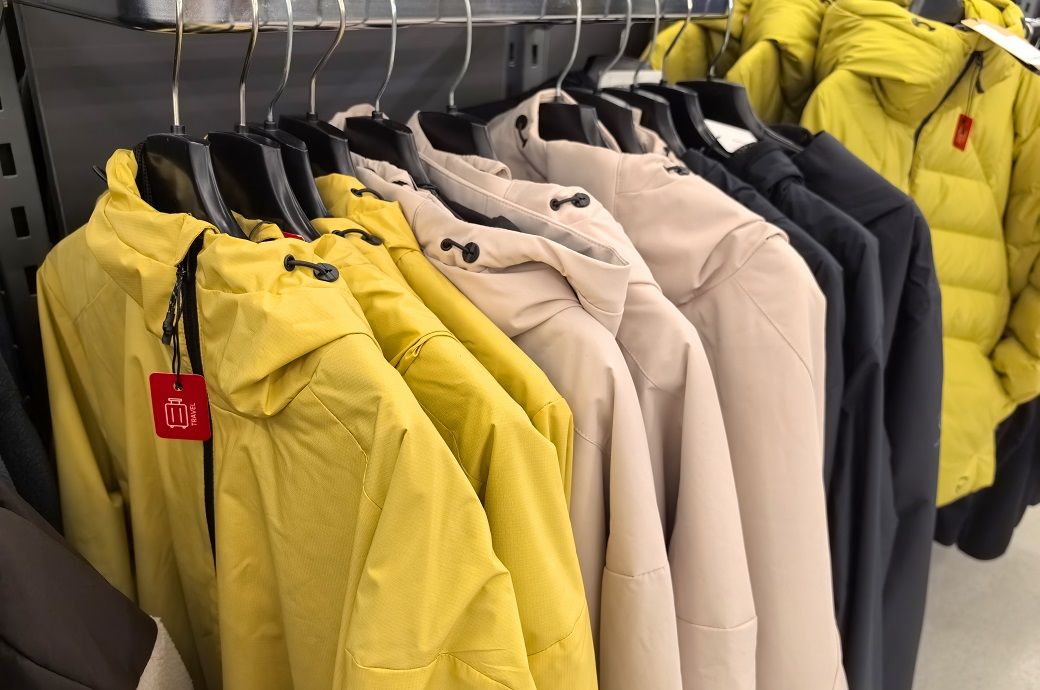
Exports of knitted and crocheted garments (HS Chapter **) fell *.* per cent to $*.*** billion from $**.*** billion a year earlier, as retailers trimmed replenishment volumes. Woven apparel and accessories (HS Chapter **) recorded a steeper fall of *.* per cent to $*.*** billion, compared with $*.*** billion in ****, reflecting weaker demand for higher-value fashion categories and formalwear.
December **** data signalled a slower contraction relative to the annual trend. Knitted and crocheted apparel exports rose *.* per cent year on year to $***.*** million from $***.*** million in December ****, supported by seasonal restocking. In contrast, non-knitted apparel declined *.* per cent to $***.*** million from $***.*** million. Combined shipments under HS ** and HS ** edged down *.** per cent to $*.*** billion.

Fashion demand in 2026 remains intact but more selective, with consumers spending cautiously and prioritising value, durability and versatility.
Intentional purchasing and promotion sensitivity are reshaping pricing dynamics and margin structures.
Polarised consumer behaviour is pushing brands to rebuild trust, justify full price and align sustainability with longevity.
Source link


Cotton innovation to take centre stage at Bremen conference 2026

Asian stocks today: Kospi drops 1.6% as Middle East tensions weigh on markets – The Times of India

Nepal counts votes after key post-uprising election

What are Iran’s ballistic missile capabilities?

India Us Trade Deal: Fresh look at India-US trade deal? May be ‘rebalanced’ if circumstances change, says Piyush Goyal – The Times of India

Attock Cement’s acquisition approved | The Express Tribune

-
 Politics1 week ago
What are Iran’s ballistic missile capabilities?
-
Business7 days ago
India Us Trade Deal: Fresh look at India-US trade deal? May be ‘rebalanced’ if circumstances change, says Piyush Goyal – The Times of India
-
Business1 week ago
Attock Cement’s acquisition approved | The Express Tribune
-

 Fashion1 week ago
Policy easing drives Argentina’s garment import surge in 2025
-

 Politics1 week ago
US arrests ex-Air Force pilot for ‘training’ Chinese military
-
 Business7 days ago
Greggs to reveal trading amid pressure from cost of living and weight loss drugs
-
 Fashion1 week ago
Texwin Spinning showcasing premium cotton yarn range at VIATT 2026
-

 Sports1 week ago
Sri Lanka’s Shanaka says constant criticism has affected players’ mental health