

Fashion
US’ HanesBrands Q3 operating profit rises 14% despite 1% dip in sales

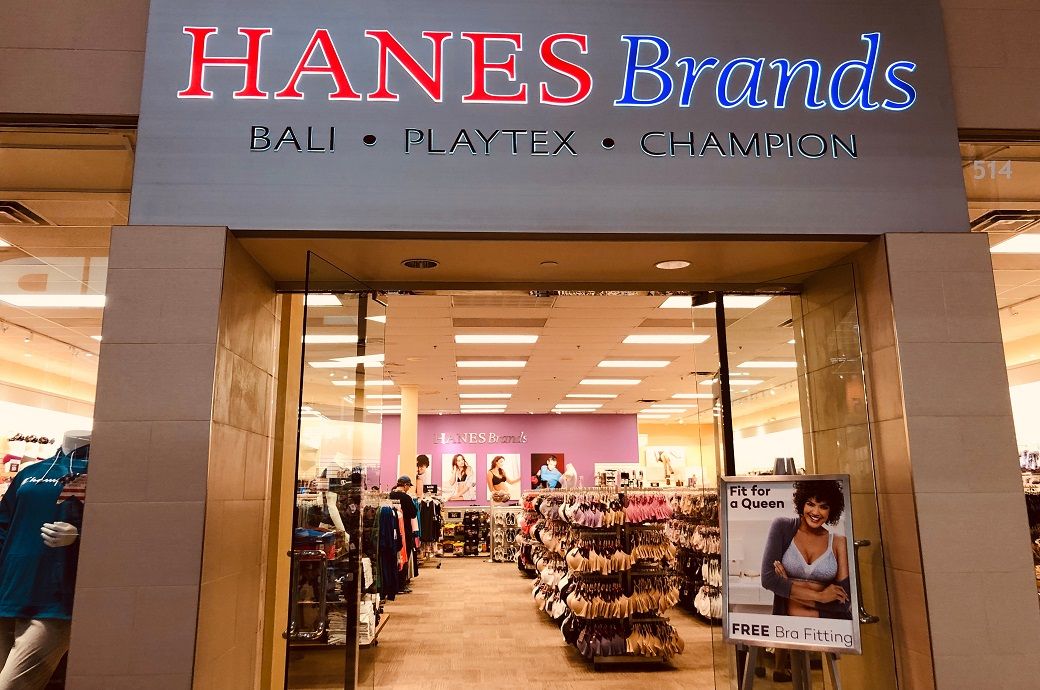
The operating margin improved 160 basis points (bps) to 12.1 per cent, driven by lower selling, general and administrative (SG&A) expenses and effective cost-saving initiatives.
US’ HanesBrands Inc has reported net sales of $892 million in Q3 2025, down 1 per cent YoY, while operating profit rose 14 per cent to $108 million and margin improved to 12.1 per cent.
EPS surged 986 per cent to $0.76, aided by tax benefits.
Despite weaker US and international sales, cost savings, margin expansion, and market share gains strengthened results ahead of its merger with Gildan.
Adjusted operating profit increased 3 per cent to $116 million, with an adjusted operating margin of 13 per cent—up 45 bps YoY. Gross profit slipped 3 per cent to $363 million, with gross margin narrowing 70 bps to 40.8 per cent, primarily due to an unfavourable business and customer mix.
The earnings per share (EPS) surged 986 per cent to $0.76, boosted by a $0.64 per share discrete tax benefit. Adjusted EPS climbed 25 per cent to $0.15, reflecting stronger operational performance and lower interest expenses. The balance sheet continued to strengthen, with leverage decreasing to 3.3 times net debt-to-adjusted EBITDA, compared to 4.3 times a year ago, HanesBrands said in a press release.
In the US market, net sales declined 4.5 per cent due to a late-quarter shift in replenishment orders at a large retail partner. Nevertheless, HanesBrands saw sequential improvement in unit point-of-sale trends each month and recorded a successful back-to-school season, with the Hanes brand gaining market share. Operating margin in the segment rose 20 bps to 22.2 per cent.
International net sales fell 8 per cent on a reported basis, including a $4 million forex headwind, and 6 per cent in constant currency. Sales improved in Japan but declined in the Americas and Australia. The operating margin in the segment dropped 230 bps to 10.2 per cent, impacted by lower volume and higher brand investment.
The cash flow from operations stood at $28 million, down from $92 million in Q3 2024, while free cash flow totalled $22 million, compared to $88 million last year. Inventory levels rose 10 per cent YoY to $991 million, largely due to tariff-related impacts, though stock keeping unit (SKU) count was reduced by 5 per cent year-to-date, reflecting tighter inventory management.
“Our top-line results for the quarter reflect an unanticipated late quarter shift in replenishment orders at one of our large US retail partners; however, we saw underlying fundamentals of our business continue to improve in the quarter. Our inventory position at retail is strong. We are encouraged by our unit point-of-sale trends, which sequentially improved each month during the quarter. We are also pleased with our strong back-to-school season as the Hanes brand continued to gain market share,” said Steve Bratspies, CEO at HanesBrands Inc.
“In addition, the continued execution of our cost savings initiatives drove operating profit growth and operating margin expansion, which along with lower interest expense, combined to generate a 25 per cent increase in adjusted earnings per share in the quarter. Looking forward, our team remains focused on driving the business and the successful completion of the transaction with Gildan,” added Bratspies.
HanesBrands and Gildan Activewear entered into a definitive merger agreement on August 13, 2025, under which Gildan will acquire HanesBrands. While the company will not be providing guidance going forward due to the pending transaction, it believes it’s on track to meet its previously provided full-year 2025 EPS outlook, added the release.
Fibre2Fashion News Desk (SG)









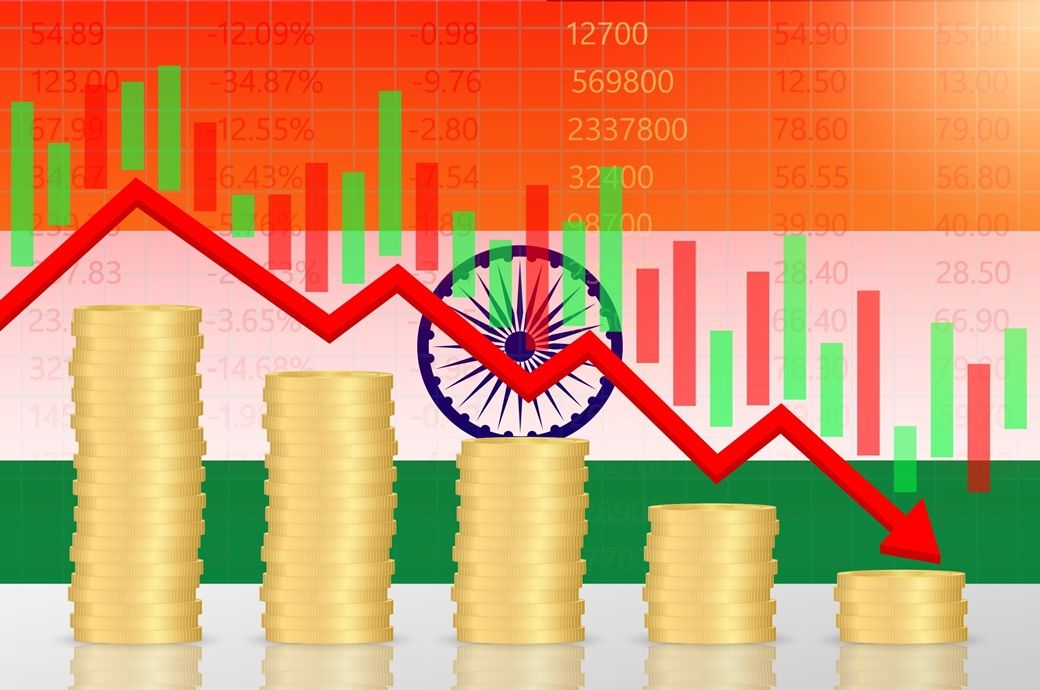
While trends in high frequency indicators for January-February 2026 appear favourable, the heightened uncertainty around the duration of the Middle East conflict casts a shadow on the near-term macroeconomic outlook for India amid high import dependency for items like crude oil, natural gas and fertilisers, it noted.
India’s FY27 GDP growth is likely to slow to 6.5 per cent from the projected 7.5 per cent in FY26 owing to the impact of higher energy prices and concerns around energy availability, ICRA Ratings said.
The heightened uncertainty around the duration of the Iran war casts a shadow on the near-term macroeconomic outlook for India.
If the conflict lasts longer, the adverse effects could widen across sectors.
If the conflict lasts for an extended period, the adverse implications of the same could widen across sectors, amid an uptick in input costs and the consequent impact on profitability of the India corporate sector.
Amid the projected uptrend in the consumer price index-based inflation in FY27 with risks tilted to the upside, ICRA Ratings expects an extended pause on the policy rates by the central bank’s monetary policy committee in the fiscal despite the anticipated softening in the GDP growth. However, it expects the Reserve Bank of India to continue to intervene on the liquidity front during FY27.
The available data for January–February FY2026 indicate a positive trend across most non-agricultural indicators, with the year-on-year performance of 12 out of 18 indicators improving compared to the third quarter of FY26, while the remaining six deteriorated.
Fibre2Fashion News Desk (DS)
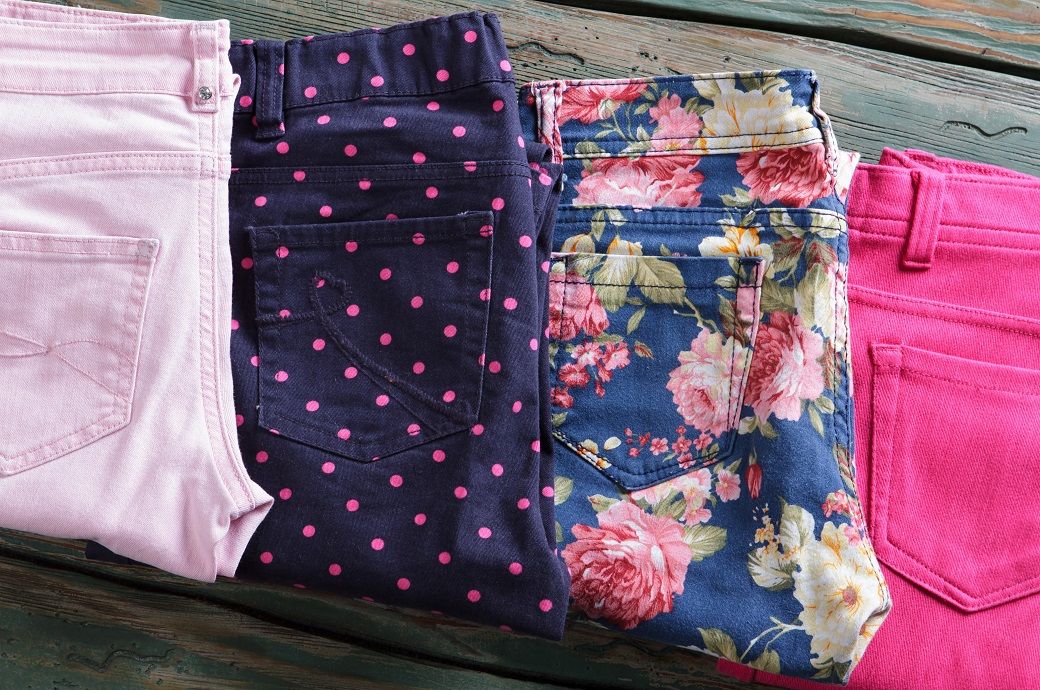
Indonesia’s apparel exports rose modestly to $8.705 billion in 2025 from $8.316 billion in 2024, reflecting gradual recovery.
The US remained dominant, accounting for over 56 per cent of shipments, highlighting growing market dependence.
While Japan, South Korea and Europe offered stability, exports stayed concentrated in key products and segments.
Source link

Methanol prices in India have surged nearly 150 per cent from pre-Iran–US tension levels, tracking a sharp rise in crude oil and tightening global energy markets.
Hormuz disruption risks, limited rerouting capacity, rising freight and insurance costs, and constrained imports are fuelling volatility, with prices seen approaching ₹90 per kg.
Source link


Nike shares fall 9% on weak outlook, expected 20% sales decline in China

Prince Harry surprises crowd by calling attendees his source of hope

Wrigley Field to host Big Ten/SEC volleyball doubleheader

-

 Politics1 week ago
Afghanistan announces release of detained US citizen
-

 Sports1 week ago
Broadcast industry CEO says consolidation is ‘essential’ to compete for NFL soaring media rights prices
-

 Tech1 week ago
Can a Home Appliance Fix the Problem of Soft-Plastic Waste?
-

 Entertainment1 week ago
UN warns migratory freshwater fish numbers are spiralling
-
 Business1 week ago
Property Play: Home flippers see smallest profits since the Great Recession, real estate data firm says
-
 Business1 week ago
Gold prices soar in Pakistan – SUCH TV
-

 Fashion1 week ago
ICE cotton slips on weaker crude, profit booking
-
 Business1 week ago
More women are entering wealth management, but few are in advisory roles, study finds