

Business
US labour pulse: US unemployment claims dip to 214,000; data points to stable layoffs – The Times of India


US unemployment benefit claims fell again last week, underscoring a labour market that remains broadly stable even as hiring momentum shows signs of cooling, according to data released by the Labor Department.Applications for jobless aid dropped by 10,000 to 214,000 for the week ended December 20, down from a revised 224,000 a week earlier, AP reported. The figure came in well below the 232,000 claims forecast by economists surveyed by FactSet. The weekly report was released a day earlier than usual due to the Christmas holiday.Initial claims are widely seen as a near real-time indicator of layoffs, and the latest reading remains within a range considered historically healthy.The data comes against a mixed backdrop for the US labour market. The government last week reported a net gain of 64,000 jobs in November, following a loss of 105,000 jobs in October. The unemployment rate rose to 4.6% in November, its highest level since 2021.October’s decline in payrolls was driven largely by a sharp fall of 162,000 federal jobs, as workers exited following fiscal year-end and administrative cutbacks under the Trump administration. Subsequent revisions also shaved 33,000 jobs off August and September employment figures.Since March, job creation has averaged about 35,000 a month, roughly half the pace seen in the year ended March, as businesses grapple with uncertainty around President Donald Trump’s tariff policies and the lingering impact of elevated interest rates following the Federal Reserve’s aggressive tightening cycle in 2022 and 2023.Earlier this month, the Fed cut its benchmark interest rate by 25 basis points for the third consecutive meeting. Fed Chair Jerome Powell said the move reflected concerns that the labour market may be weaker than headline figures suggest, adding that recent job data could be revised down by as much as 60,000.Several large companies, including UPS, General Motors, Amazon and Verizon, have announced job cuts in recent months, though such reductions often take time to be reflected in official data.The Labor Department’s report also showed that the four-week moving average of jobless claims slipped by 750 to 216,750, smoothing out week-to-week volatility. Meanwhile, continuing claims — the number of people receiving unemployment benefits — rose by 38,000 to 1.92 million for the week ended December 13.

The US president said he’ll bring Iran “back to the Stone Age” but gave no detail on ending the war.
Source link
Business
Good Friday 2026 in US: What’s open and closed on April 3; Check banks, USPS, UPS, FedEx services status – The Times of India
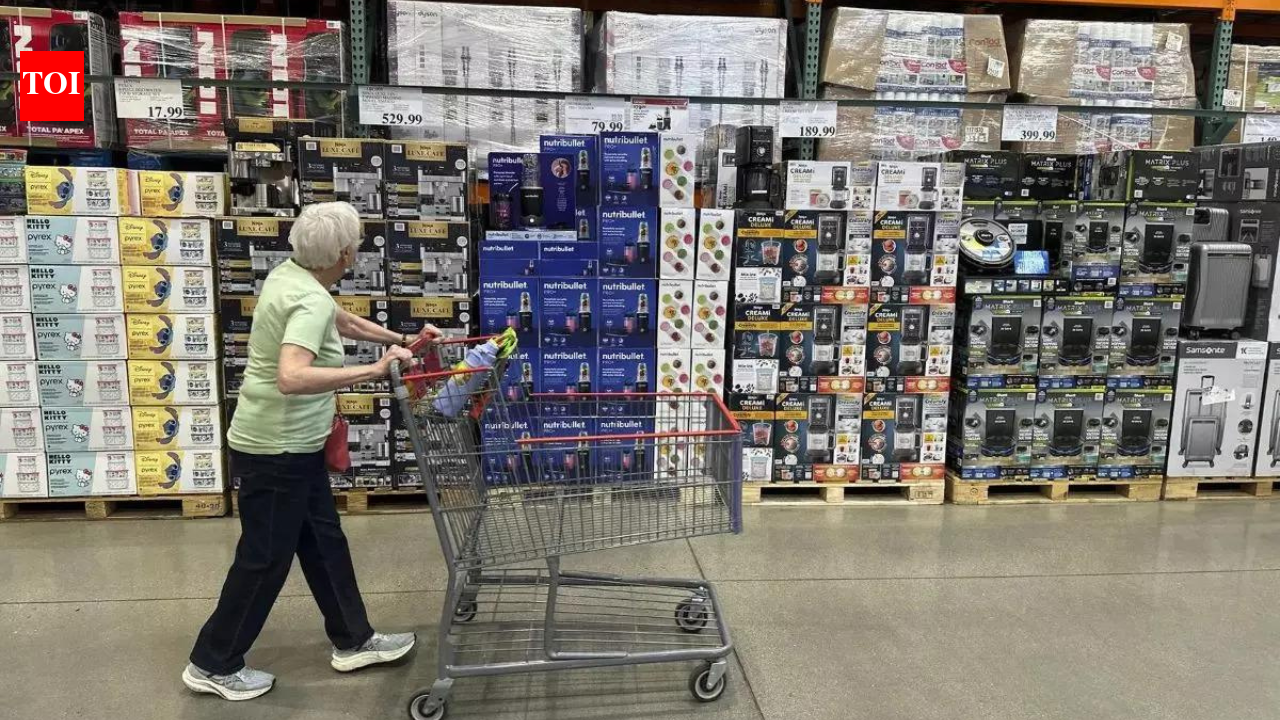
As the US observes Good Friday on April 3 ahead of Easter Sunday on April 5, most essential services will continue without disruption since the day is not designated as a federal holiday.In the Christian calendar, Good Friday marks the crucifixion and death of Jesus Christ and has long been associated with mourning, penance and fasting. Easter Sunday, which follows, celebrates the resurrection and comes at the end of the 40-day Lent period. The dates shift annually as part of the liturgical cycle of “moveable feasts”.
USPS services on Good Friday 2026
Operations at the United States Postal Service will proceed as usual. Postal counters will be open and regular mail delivery schedules will be maintained across the country.
Bank operations on April 3
Commercial banks are expected to function normally, given that Good Friday is not a federal holiday in the US. Branch-level timings, however, may differ, and customers may need to verify with local offices.
UPS delivery and store status
Services offered by UPS, including pickups and deliveries, will continue as per routine schedules. UPS Store outlets will also remain operational.
Will FedEx services remain operational on Good Friday?
FedEx will run standard delivery and pickup operations, with its office locations open for customers on April 3.
Other services and closures
Federal offices will remain open, though select state or local government entities may choose to observe the day. Retail outlets, restaurants and transport systems are expected to function normally. School schedules may vary depending on whether institutions observe the religious holiday.With no nationwide shutdown in place, Good Friday in the US typically sees continuity in banking, logistics and public services, even as it holds religious significance ahead of Easter weekend.

Whether you are a first-time landlord navigating a buy-to-let or a seasoned contractor with an expanding team, running a successful business isn’t just about growth. It also means making sure you have the right protection in place.
Swinton has been providing insurance for over 65 years. Landlord insurance and public liability insurance are key parts of its Business range. A long-standing, well-trusted name, you can rely on Swinton Business to help you find a tailored policy to suit your needs.
Read on to find out how Swinton Business can help protect you and your assets, should the unexpected happen. Plus, there’s a bonus for Independent readers right now too: a free £60 Amazon Gift Card with a qualifying landlord insurance policy or a free £20 Amazon Gift Card with a qualifying public liability insurance policy.
Find out more about Swinton Business now
Swinton Business Landlord Insurance
The rental market has shifted significantly in recent years, with new regulations and changing tenant expectations. Whether you manage a single home, or a portfolio, there’s financial risk that comes with letting out property. Standard home insurance simply isn’t enough to cover the unique challenges of a rental.
Swinton’s Landlord Insurance is designed to provide peace of mind by covering the what ifs. Its specialist policies offer financial protection against a wide range of perils, including fire, storms, floods, and landslips. For those in transition, Swinton provides cover for unoccupied properties for up to 60 days, giving you a safety net during tenant turnovers or renovations.
What is landlord insurance?
Landlord insurance can offer protection against damage caused by factors such as theft, vandalism, fire and flooding. It isn’t a legal requirement for landlords to have it. However, it’s worth knowing that a standard home insurance policy won’t cover your property if it’s being rented out to paying tenants.
If you have a buy-to-let mortgage, having landlord insurance is often a condition of a mortgage agreement. Types of landlord insurance include: commercial property insurance, buy-to-let insurance and landlord legal protection.
Why choose Swinton Business Landlord Insurance?
Swinton has been providing Landlord Insurance for over 15 years. From second homes to diverse portfolios, its experts can help arrange insurance to protect your assets. Offering insurance on both commercial and buy-to-let properties, Swinton Business covers a range of tenants. Better still, if you have more than one property, you can streamline your insurance by protecting them under one policy which may help you save time and money.

Swinton Landlord Insurance cover includes:
- Unoccupied properties are covered for up to 60 days
- Financial protection against a wide range of perils, including – but not limited to – fire, storm, flood and landslip
- 24-hour claims assistance, 365 days a year
Swinton also offers a host of additional options to help you tailor your policy to your specific needs:
- Alternative accommodation
- Theft of keys
- Malicious damage caused by tenants
- Accidental damage
- Holiday home cover
- Landlords content cover
- Land cover
- Landlord Legal Protection
Find out more about Swinton Business now
Swinton Business Public Liability Insurance
For those who are self-employed or own a business, your reputation is everything. But even the most meticulous professional can face an unexpected claim for accidental damage or injury.
What is public liability insurance?
Public liability insurance (PLI) is a type of insurance that protects you in the event your business is held legally responsible for either an injury to a member of the public or damages to their property. In short, if you’re taken to court, having PLI means your insurer will pay the legal costs on your behalf, up to a pre-agreed limit.
While public liability insurance protects business owners from claims made by members of the public, it can also cover claims from contractors and clients. Of course, no two trades are the same, and Swinton’s panel of insurers provides cover for over 500 different professions, including painters and decorators, carpenters, plumbers, electricians and landscape gardeners.
Why choose Swinton Public Liability Insurance?
Swinton compares quotes from a panel of insurers to help you secure a suitable quote. Swinton’s Public Liability Insurance has tailored features for you to find a policy that suits your business needs.
Flexibility is the standout feature here: you can choose limits including £1m, £2m, £5m, or £10m, so you can tailor your cover to meet the specific requirements of your clients or local authorities.
For businesses with a team, Swinton also makes it easy to add employers’ liability. This is a legal requirement for anyone with staff, providing £10m in cover for injury or illness claims. It’s also worth knowing that while having public liability insurance isn’t compulsory under UK law, many businesses choose it so they’re covered should the unexpected happen. A customer or client may ask that you have cover in place before they work with you. Plus, it may be an obligation of your industry regulator or trade bodies.

You can further tailor your policy with additional extras like:
- Tools and business equipment: protection for the essential gear you use every day
- Stock and materials: coverage for items stolen or damaged on-site, at home, or in transit
- Own and hired-in plant: securing heavy machinery like diggers or mixers
- Contract works: protect contract work in progress, in the event of damage by an insured peril before completion
Find out more about Swinton Business now
Insurance you can trust
In a crowded market, experience matters. Swinton Business can help you find the right fit for your unique circumstances. With 24/7 claims assistance available 365 days a year, you can rest easy knowing that if something goes wrong, expert support is only a phone call away.
When shopping for insurance, it’s important to choose a partner that understands the UK business landscape. Swinton has more than a decade of experience for those who value quality and reliability.
Reader offer
There has never been a better time to review your coverage. When you purchase a qualifying policy, Independent readers will receive an added bonus:
- £60 Amazon Gift Card with a qualifying landlord insurance policy
- £20 Amazon Gift Card with a qualifying public liability insurance policy
Protect your property, your equipment, and your professional future today with Swinton Business and treat yourself to something new from Amazon. Ready to protect your business? Click here to get a quote and claim your Amazon voucher Gift Card.
Terms and conditions apply. Visit Swinton.co.uk for more details.


India’s textile sector to gain from petrochemical duty easing

Tsunami warning lifted after 7.4 earthquake shakes eastern Indonesia

UNC not in men’s Final Four but still looms large

-

 Fashion1 week ago
Ho Chi Minh City bizs adjust production plans, seek new supply chains
-

 Fashion1 week ago
India’s Gen Z to drive half of fashion market by 2030: Reedseer
-

 Entertainment1 week ago
Andrew holds breath as King Charles plans bombshell move amid probe
-

 Entertainment1 week ago
Space company plans bold landing on fast-moving asteroid passing near Earth
-

 Fashion1 week ago
Japan’s apparel imports rise 22.9% to $2 bn in February 2026
-
 Business6 days ago
How do you spot a fake online review?
-
 Business1 week ago
Co-op boss quits after ‘toxic culture’ claims reported by BBC
-

 Sports1 week ago
2026 NBA draft stock watch: Which NCAA prospects are rising?