

Fashion
US manufacturing contracts for eighth straight month in Oct

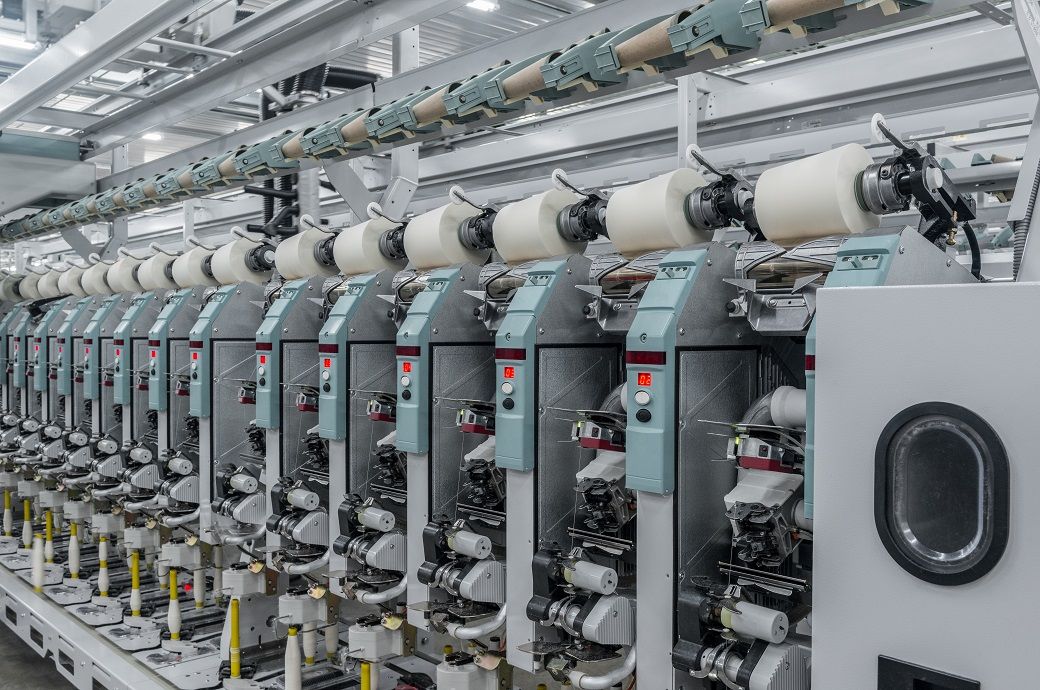
The manufacturing PMI registered 48.7 per cent in October—a 0.4-percentage point (pp) decrease compared to 49.1 per cent in September.
Economic activity in US manufacturing contracted in October for the eighth month in a row, following a two-month expansion preceded by 26 straight months of contraction, the ISM manufacturing PMI report said.
Textile mills; apparel, leather & allied products; furniture & related products; petroleum & coal products; and chemical products were among the 12 sectors reporting contraction in October.
Textile mills; apparel, leather & allied products; furniture & related products; petroleum & coal products; and chemical products were among the 12 sectors reporting contraction in October.
“The overall economy continued in expansion for the 66th month after one month of contraction in April 2020,” said Susan Spence, chair of ISM’s manufacturing business survey committee.
A manufacturing PMI above 42.3 per cent, over a period of time, generally indicates an expansion of the overall economy.
The new orders index contracted for the second month in October following one month of growth; the figure of 49.4 per cent is 0.5 pp higher than the 48.9 per cent recorded in September.
The October reading of the production index (48.2 per cent) is 2.8 pps lower than September’s 51 per cent.
The prices index remained in expansion, registering 58 per cent, down by 3.9 pps compared to the 61.9 per cent in September.
The backlog of orders index registered 47.9 per cent, up by 1.7 pps compared to 46.2 per cent in September. The employment index registered 46 per cent, up by 0.7 pp from September’s 45.3 per cent.
“The supplier deliveries Index indicated slower delivery performance for the third consecutive month after one month in ‘faster’ territory, which was preceded by seven consecutive months in ‘slower’ territory. The reading of 54.2 per cent is up 1.6 percentage points from the 52.6 per cent recorded in September,” Spence noted.
The inventories index registered 45.8 per cent, down by 1.9 pps compared to September’s 47.7 per cent.
The new export orders index reading of 44.5 per cent is 1.5 pps higher than 43 per cent registered in September. The imports index registered 45.4 per cent, 0.7 pp higher than September’s reading of 44.7 per cent.
“In October, US manufacturing activity contracted at a faster rate, with contractions in production and inventories leading to the 0.4-percentage point decrease of the manufacturing PMI. A chain reaction of one-month index improvements started with new orders in August and flowed to production in September. In October, it manifested in a 1.7-percentage point increase in the backlog of orders index. These short gains have not appeared to translate into sustained growth for the sector, a reflection of continuing economic uncertainty,” Spence added.
Fibre2Fashion News Desk (DS)












A perfect storm behind the rupee slide
The current depreciation is not cyclical; it is geopolitical and structural.
The Indian rupee’s sharp fall is creating a dual impact, boosting export competitiveness while simultaneously inflating input, energy, and logistics costs.
MMF segments are most exposed, as import dependence erodes margin gains from currency depreciation.
Demand weakness in the US and EU limits the benefit of improved pricing, creating a cost–demand mismatch.
- Oil shock from Middle East conflict: Brent crude surged past $110–115/barrel, sharply increasing India’s import bill
- Foreign capital outflows: Over $19 billion exited Indian equities, pressuring the currency
- Strong US dollar and high interest rates: Capital shifting towards dollar assets
- Trade and geopolitical uncertainty: Weakening investor confidence and export outlook
Together, these forces have pushed the rupee to record lows, with risks of further depreciation if conditions persist.
The Indian rupee’s fall past ₹95 per US dollar marks its steepest annual decline in 14 years, representing a critical moment for the textile and apparel (T&A) industry, reshaping cost structures, export competitiveness, and sourcing strategies simultaneously. While a weaker rupee traditionally boosts exporters by improving rupee realisations on dollar-denominated sales and enhancing India’s price competitiveness against peers like Bangladesh and Vietnam, the current depreciation is occurring alongside a sharp rise in crude oil prices and global uncertainty, creating a far more complex operating environment.
The industry’s heavy dependence on imported inputs, particularly in the man-made fibre (MMF) value chain, including polyester, PTA, MEG, dyes, and specialty chemicals, means that the currency shock is directly translating into higher raw material costs. This is further compounded by rising energy and logistics expenses, as fuel-linked inflation drives up power tariffs, freight rates, and processing costs across spinning, dyeing, and finishing segments. As a result, the initial export margin gains are already being diluted, especially for MMF-based manufacturers and vertically integrated players with significant import exposure.
At the same time, rupee volatility is intensifying working capital pressures across the value chain. Higher input costs are inflating inventory values, while fluctuating exchange rates are making export realisations less predictable and increasing the cost of hedging. For small and mid-sized enterprises, this could tighten liquidity cycles and increase dependence on short-term financing.
On the demand side, the situation remains equally challenging: key export markets such as the US and EU are grappling with inflation, cautious consumer spending, and elevated retail inventories, limiting order visibility despite improved pricing competitiveness from India. This creates a structural paradox where Indian suppliers are more cost-effective globally yet face subdued demand and heightened price resistance from international buyers.
Segment-wise, cotton textiles stand relatively insulated due to lower import dependency, whereas MMF and synthetic segments face the sharpest cost pressures, and garment exporters operate in a narrow margin band between currency gains and demand weakness.
In response, the industry is already undergoing strategic recalibration. Manufacturers are gradually shifting towards cotton and blended products to reduce exposure to volatile petrochemical inputs, while also strengthening foreign exchange risk management through increased hedging. There is a renewed push towards supply chain localisation, particularly for chemicals and trims, alongside efforts to renegotiate pricing with global buyers though with limited success in a demand-constrained environment.
Looking ahead, much will depend on the trajectory of crude oil prices, the potential for further rupee depreciation towards the ₹100/$ mark, and the effectiveness of policy interventions in stabilising currency markets. Ultimately, the rupee’s sharp fall is proving to be a double-edged sword for the T&A sector: offering short-term export advantages, but simultaneously accelerating cost inflation and exposing structural vulnerabilities, thereby forcing companies to prioritise efficiency, agility, and financial discipline in an increasingly volatile global trade landscape.
Fibre2Fashion News Desk (DL)
The operating profit increased by 15 per cent to RMB 19.09 billion (~$2.77 billion), while operating margin improved to 23.8 per cent, reflecting strong operational efficiency. Profit attributable to shareholders rose 13.9 per cent to RMB 13.59 billion, excluding one-off gains related to the Amer Sports listing.
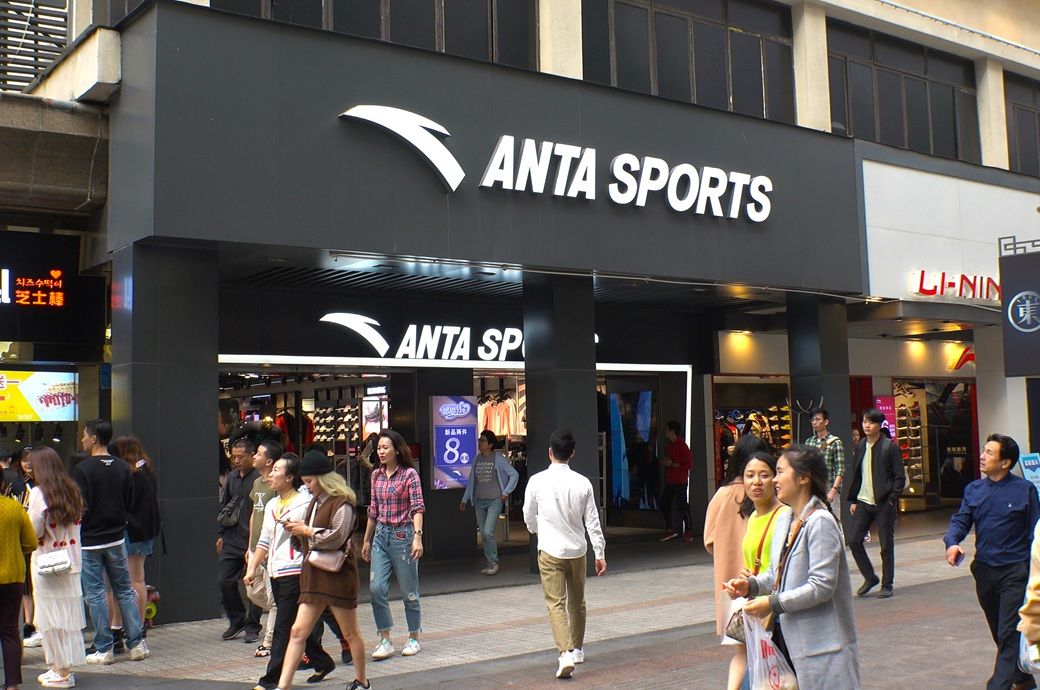
Anta Sports has reported revenue of RMB 80.22 billion (~$11.62 billion) in 2025, up 13.3 per cent, strengthening its China market leadership with a 21.8 per cent share.
Operating profit rose 15 per cent, supported by margin improvement and strong growth across brands, especially Fila and Descente.
Solid cash flow, rising R&D investment, and ESG progress further reinforced its global top three position.
The company further expanded its domestic dominance, achieving an estimated market share of around 21.8 per cent, according to industry data. The company’s core ANTA brand generated revenue of RMB 34.75 billion, up 3.7 per cent, with operating profit reaching RMB 7.21 billion, maintaining steady growth, Anta Sports said in a press release.
Fila continued to outperform within the premium sports fashion segment, with revenue increasing 6.9 per cent to RMB 28.47 billion and operating profit rising 10.1 per cent to RMB 7.42 billion. Meanwhile, other brands delivered standout growth, with revenue surging 59.2 per cent to RMB 17 billion and operating profit climbing 55.3 per cent to RMB 4.74 billion. Notably, Descente’s retail sales surpassed RMB 10 billion for the first time.
The group’s financial position remained strong, with free cash flow of RMB 16.11 billion and a net cash position of approximately RMB 31.72 billion at year-end, underscoring its balance sheet strength and liquidity.
Anta also continued to invest in long-term capabilities. Research and development spending rose to RMB 2.2 billion, supported by the rollout of its AI365 strategy aimed at integrating artificial intelligence across the value chain. The company expanded its workforce to over 69,100 employees and supported nearly 300,000 direct and indirect jobs.
On the sustainability front, Anta achieved inclusion in the Hang Seng ESG 50 Index and improved its MSCI ESG rating to ‘AA’. Its total charitable contributions exceeded RMB 800 million in 2025, taking cumulative donations beyond RMB 3.5 billion.
The company’s strong financial and operational performance highlights its ability to scale profitably while investing in innovation, sustainability and brand equity, further consolidating its leadership in China’s highly competitive sportswear market.
Ding Shizhong, executive director and board chairman of Anta Sports, said, “In 2025, amid a complex and rapidly changing environment, we once again delivered resilient growth by staying true to our single focus, multi-brand, globalization strategy. Each of our brands delivered differentiated, high-quality growth. Growth is the best corporate culture, but it is not about simple expansion of scale.”
Fibre2Fashion News Desk (SG)
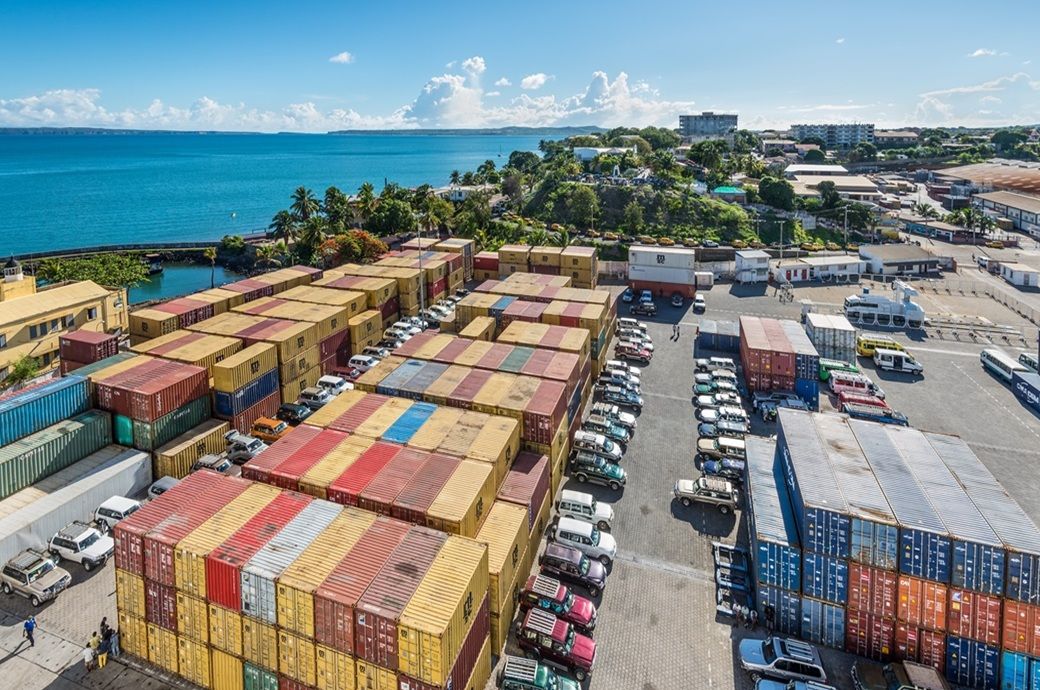
The programme is jointly implemented by UN Trade and Development (UNCTAD), the World Customs Organization and UK Customs.
The UK has committed around $1.25 million in funding for the ‘Accelerate Trade Facilitation’ programme for the 2026-2029 period.
The programme is jointly implemented by UNCTAD, the World Customs Organization and UK Customs.
The latest phase will expand the programme’s capacity-building activities and introduce the Reform Tracker tool to up to three additional countries.
For more than a decade, the programme has supported over 30 economies to speed up the movement of goods and strengthen cooperation between the public and private sectors.
“We will build on the strong and sustained impact achieved by partner countries over the last 11 years of the programme, strengthening national trade facilitation committees and driving practical, lasting reforms that make trade simpler, faster and more inclusive while supporting economic growth,” said Megan Shaw, deputy director of international customs and border engagement at UK Customs in an UNCTAD release.
The programme will continue to place national trade facilitation committees (NTFCs) at the core of its work. NTFCs serve as coordination platforms where government agencies and businesses identify bottlenecks, agree on priorities and advance trade facilitation reforms.
UNCTAD has supported them through specialised training, including via its trade facilitation e-learning platform, and practical tools such as the Reform Tracker. The tool helps countries monitor progress on trade facilitation reforms and keep society-wide collaborators aligned.
“These reforms contribute to a trading environment that is faster, cheaper, more transparent and more predictable—conditions that help businesses compete and grow,” said Angel Gonzalez Sanz, officer-in-charge of UNCTAD’s division on technology and logistics.
The 2026-2029 phase will expand the programme’s capacity-building activities and introduce the Reform Tracker to up to three additional countries.
These efforts will help deepen digitalisation and improve coordination between border agencies—measures crucial to reducing costs and processing times for traders.
Fibre2Fashion News Desk (DS)

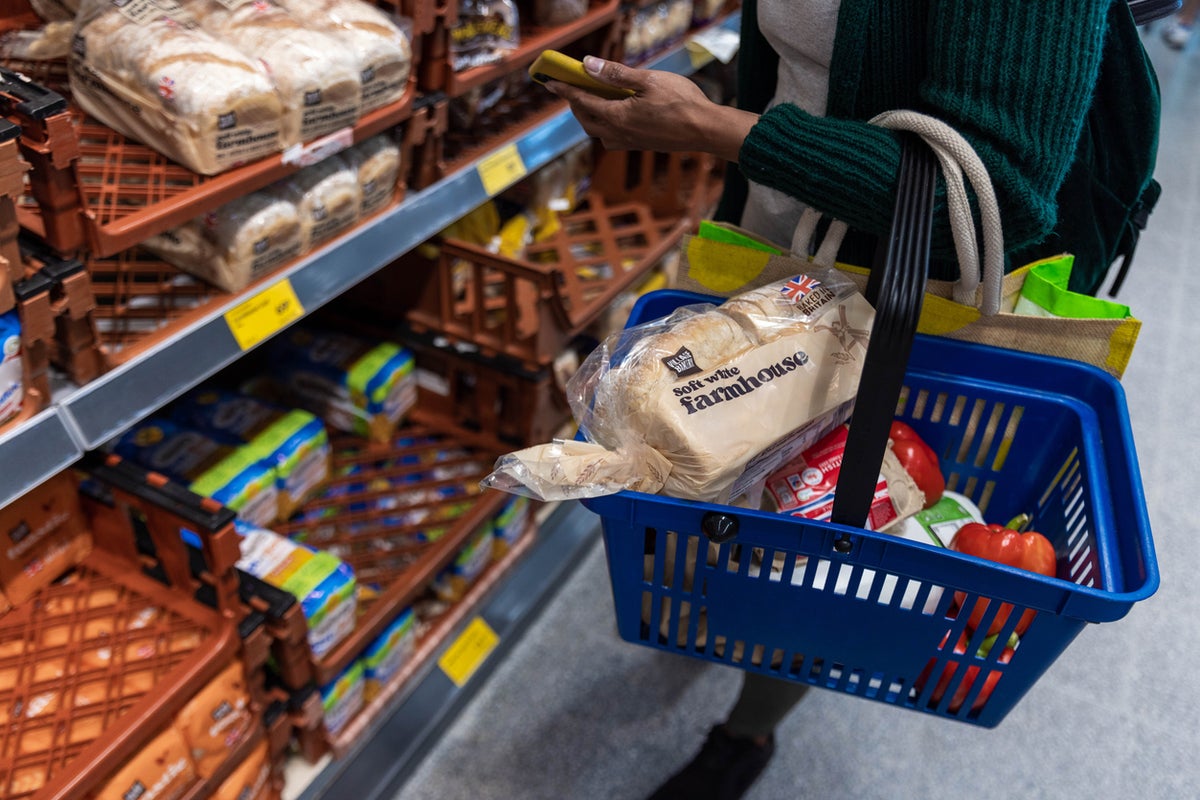
Food prices to rise by almost 10% due to Iran war, warns key industry body

Should the USMNT be concerned about Pulisic’s goal drought?

Who was Jessie Jones? ‘Most-produced female American playwright’ dies at 75

-

 Politics1 week ago
Afghanistan announces release of detained US citizen
-

 Sports1 week ago
Broadcast industry CEO says consolidation is ‘essential’ to compete for NFL soaring media rights prices
-
 Business1 week ago
Property Play: Home flippers see smallest profits since the Great Recession, real estate data firm says
-

 Entertainment1 week ago
UN warns migratory freshwater fish numbers are spiralling
-

 Tech1 week ago
Can a Home Appliance Fix the Problem of Soft-Plastic Waste?
-
 Business1 week ago
Gold prices soar in Pakistan – SUCH TV
-

 Fashion1 week ago
ICE cotton slips on weaker crude, profit booking
-
 Business1 week ago
More women are entering wealth management, but few are in advisory roles, study finds