

Fashion
Walmart reshuffles executive team ahead of Furner’s takeover as global CEO


By
Reuters
Published
January 19, 2026
Walmart announced a series of executive changes on Friday as John Furner prepares to take over as CEO of the world’s largest retailer on February 1, replacing Doug McMillon.
The moves aim to maintain the Bentonville, Arkansas-based retailer’s growth momentum and bellwether position in the industry by promoting four longtime executives and expanding their responsibilities.
David Guggina will become CEO of Walmart’s largest division, Walmart U.S., replacing Furner in that role. Currently serving as chief e-commerce officer of Walmart U.S., Guggina has spent nearly eight years at the retailer in various positions, including executive vice president of supply chain operations.
The U.S. CEO position is highly coveted, as Walmart typically promotes leaders from this division, which generates around two-thirds of its annual revenue, to the top corporate job.
Walmart also promoted Chris Nicholas to CEO of its $100 billion Walmart International division, a day after announcing that current head Kathryn McLay would leave the company. Nicholas currently leads Sam’s Club, where he will be replaced by the chief merchandising officer for Walmart U.S., Latriece Watkins.
Additionally, Seth Dallaire, currently Walmart U.S. chief growth officer, will expand his responsibilities globally as chief growth officer of Walmart Inc, the company said in a statement.
All leadership changes take effect on February 1.
“These leadership changes mark a key step in how we organize for the future. Even the best teams need the right structure to win,” Furner said.
According to a company filing, Furner’s annual base salary is set at $1.5 million. He will receive a one-time stock award worth $10 million and be eligible for an annual equity award valued at approximately $17 million in fiscal 2027.
The moves come at a critical time for Walmart as it navigates domestic inflation pressures and strains on lower-income U.S. households. President Donald Trump‘s volatile trade policies have weighed on the company’s operations and supply chain relationships with key growth markets, including China, India, and Mexico.
Despite these challenges, Walmart has performed strongly. The company has reported quarterly revenue growth for nearly a decade straight, and its shares hit a record high this week. The stock gained 21% in 2025, significantly outpacing the 1.3% rise in the S&P 500 Consumer Staples index. Walmart’s shares were flat at $118.67 in morning trading on Friday.
© Thomson Reuters 2026 All rights reserved.











The model will be fuelled by both domestic and foreign direct investment. The country’s tax-to-GDP ratio currently sits at the bottom level globally.
Rashed Al Mahmud Titumir, Prime Minister’s Adviser Finance and Planning, recently outlined a comprehensive road map to overhaul the country’s economic framework, setting a target to raise the tax-GDP ratio to 15 per cent by 2035, while taking the nation forward on a path of investment-led growth.
A key pillar of this transition is a significant increase in internal resource mobilisation, he said.
A key pillar of this transition is a significant increase in internal resource mobilisation, he said.
“The previous consumption-led growth model was unsustainable and had left the country burdened by a mountain of debt accumulated particularly between 2009 and 2024,” he told a recent roundtable on the government’s priorities in the short-to-medium term.
The roundtable was organised by the Centre for Policy Dialogue (CPD) and The Daily Star newspaper.
There is a need for a tax culture rooted in investment, production and employment, he was cited as saying by domestic media reports.
He identified several systemic maladies in the current revenue structure that require urgent reform.
The government intends to move from greenfield incentives (based on identity and influence) to performance-based subsidies (ex-post subsidies), he said, adding that this model, which proved successful in the garments sector, will reward actual results rather than potential.
Fibre2Fashion News Desk (DS)
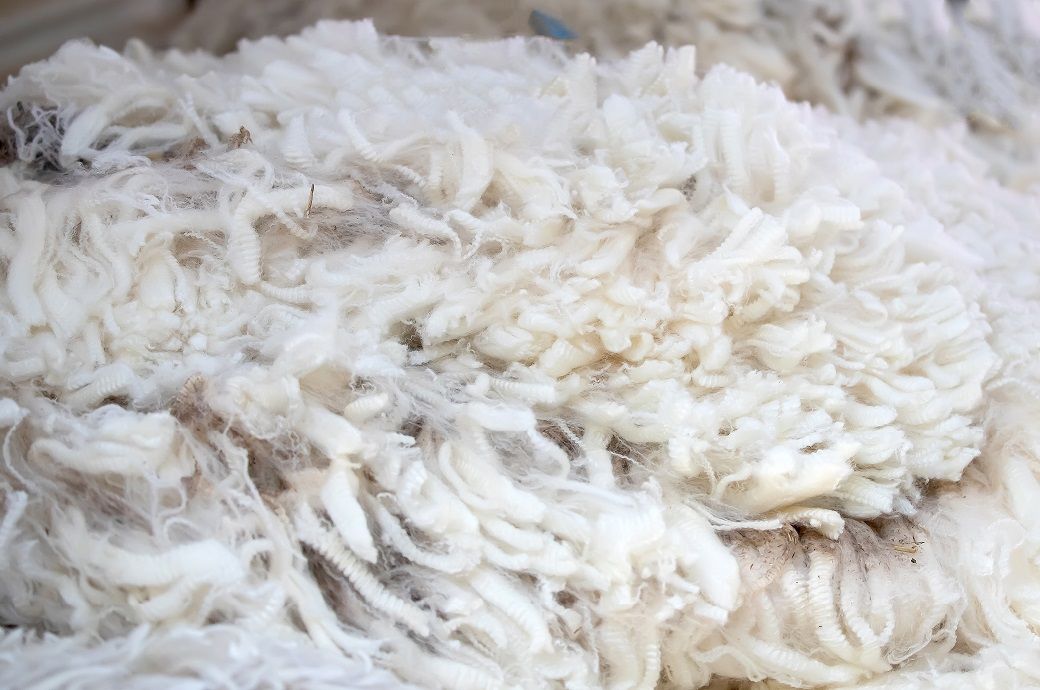
“A smaller offering of 37,212 bales, combined with a softer Australian dollar, helped support the market and drive solid gains, particularly in the Merino sector. Year-on-year, the EMI now sits 542 cents (44.2 per cent) higher,” the Australian Wool Innovation (AWI) Limited said in its Commentary for week 36 of the current Australian wool marketing season.
Strong demand for finer Merino wool, supported by a weaker Australian dollar and tighter supply, continues to lift Australian wool prices.
While Merino segments posted significant gains, crossbred wools lagged.
With higher offerings expected next week, the market’s resilience will depend on sustained global demand and buyer confidence in premium-quality fibre.
Premium prices were recorded for high-strength, well-styled Merino fleece, while discounts remained evident in lots with higher vegetable matter, poorer colour and lower style grades. Finer Merino wools showed the strongest gains, increasing by 90 to 95 cents across selling centres, with Fremantle leading the rise as these types advanced by 115 to 120 cents. Medium Merino wool also attracted solid demand, gaining around 80 to 85 cents, the AWI commentary noted.
In contrast, the crossbred segment experienced a quieter week, slipping by 5 to 10 cents. The cardings market in the eastern selling centres maintained its positive momentum, rising 35 to 40 cents, while cardings in the western region eased by 5 to 10 cents.
Following the latest price surge, next week’s offering is expected to expand as sellers respond to favourable market conditions. A total of 45,973 bales is scheduled for auction across all three centres. Fremantle and Sydney will conduct sales on Tuesday and Wednesday, while Melbourne will auction wool on Wednesday and Thursday.
Fibre2Fashion News Desk (CG)
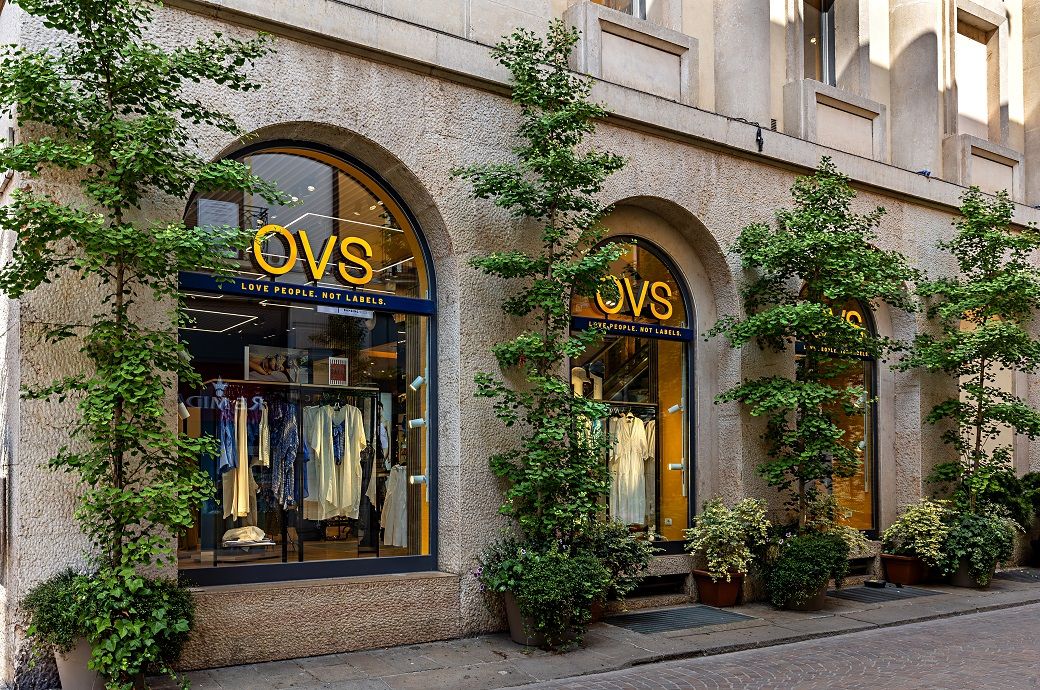
This opening will mark OVS’ second store in India, following its flagship debut in New Delhi in October 2025, and underscores the brand’s long-term commitment to the Indian market.
OVS will launch its first Mumbai store on March 14 at Sky City Mall, Borivali, expanding its India presence after debuting in New Delhi in October 2025.
The 11,000 sq ft outlet will feature womenswear, menswear and kidswear, including premium labels such as PIOMBO and Les Copains.
The move reflects strong early performance and OVS’ long-term growth plans in India.
Spanning approximately 11,000 sq. ft., the Mumbai store will introduce customers to OVS’ latest global retail concept, designed to deliver a modern and seamless shopping experience. Reflecting Mumbai’s diverse fashion sensibilities, where style ranges from everyday comfort to trend-forward dressing, the store offers a versatile mix across womenswear, menswear and kidswear, making Italian style affordable to all. The assortment spans accessible everyday fashion from OVS alongside premium and contemporary collections, including PIOMBO, Les Copains, B.Angel, Altavia, and OVS Kids, designed to meet the style needs of a wide spectrum of consumers.
Sharing his thoughts on the Mumbai launch, Sundeep Chugh, Managing Director at OVS India, said: “The response to our New Delhi launch has been highly positive and has validated our belief that Indian consumers are seeking global fashion that delivers both style and value. Mumbai is a natural next step for us, given its strong fashion consciousness and retail maturity. Our vision is to establish OVS as a trusted destination for the entire family, offering a distinctive Italian aesthetic at democratic price points while maintaining high standards of quality and sustainability.”
Carmine Di Virgilio, Global Chief Retail Officer at OVS S.p.A, added: “India represents an important growth market in our international strategy and Mumbai is among the country’s most influential retail destinations. This opening will allow us to further strengthen our global footprint while introducing consumers to a retail experience that reflects our heritage, the contemporary Italian design philosophy and commitment to responsible fashion. We are very satisfied with our Delhi debut and the enthusiastic response from a wide range of customers, particularly younger generations. At the same time, we are actively evaluating additional expansion opportunities across the Indian market to support our long term growth strategy.”
Globally, OVS operates over 2,200 stores across multiple markets and has built a strong position in accessible, everyday fashion by combining Italian design excellence with quality materials and affordable pricing. Sustainability remains central to the brand’s approach, with responsible sourcing, recyclable materials, water-efficient processes and transparency.
Note: The headline, insights, and image of this press release may have been refined by the Fibre2Fashion staff; the rest of the content remains unchanged.
Fibre2Fashion News Desk (RM)


Stock market today: Which are the top losers and gainers on March 6- check list – The Times of India

Bangladesh road map aims at raising tax-to-GDP ratio to 15% by 2035
Watch: How war in Iran may affect food and fuel prices

-
 Business1 week ago
Attock Cement’s acquisition approved | The Express Tribune
-

 Fashion1 week ago
Policy easing drives Argentina’s garment import surge in 2025
-

 Politics1 week ago
What are Iran’s ballistic missile capabilities?
-
 Business1 week ago
India Us Trade Deal: Fresh look at India-US trade deal? May be ‘rebalanced’ if circumstances change, says Piyush Goyal – The Times of India
-

 Politics1 week ago
US arrests ex-Air Force pilot for ‘training’ Chinese military
-

 Sports7 days ago
LPGA legend shares her feelings about US women’s Olympic wins: ‘Gets me really emotional’
-
 Business7 days ago
Greggs to reveal trading amid pressure from cost of living and weight loss drugs
-

 Fashion1 week ago
Texwin Spinning showcasing premium cotton yarn range at VIATT 2026