

Business
‘We make lot of money’: Trump on rising oil prices, says stopping ‘evil empire Iran’ is of greater interest – The Times of India

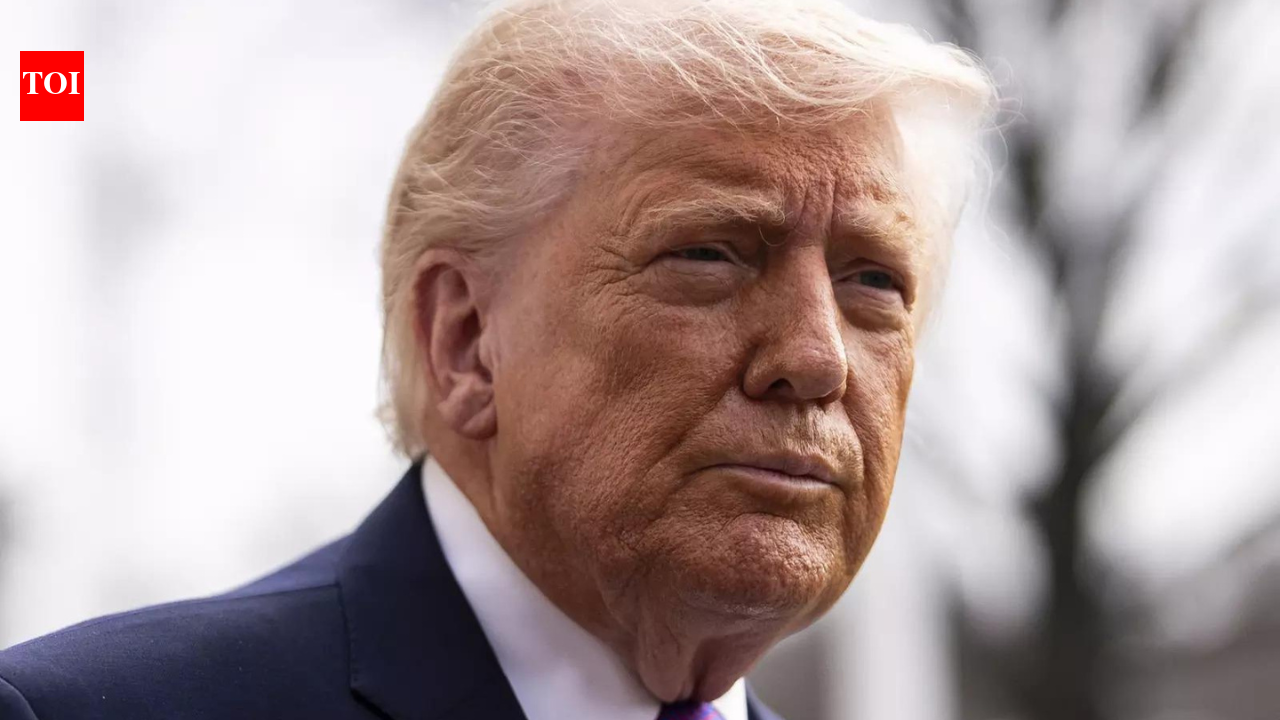
US President Donald Trump said his country could benefit economically from rising oil prices but added that preventing Iran from acquiring nuclear weapons remains his overriding priority. He called Iran an “evil empire” and warned that its nuclear ambitions could threaten the stability of the Middle East and beyond.“The United States is the largest oil producer in the world, by far, so when oil prices go up, we make a lot of money. BUT, of far greater interest and importance to me, as President, is stopping an evil Empire, Iran, from having Nuclear Weapons, and destroying the Middle East and, indeed, the World. I won’t ever let that happen! Thank you for your attention to this matter. President DONALD J. TRUMP,” he wrote on Truth Social.This comes as the conflict with Iran entered day 13. A day before, Trump had said that the war with Iran could end “soon”, claiming American forces have already inflicted massive damage on Tehran’s military capabilities. Speaking to Axios, Trump said there was “practically nothing left to target” in Iran. “Little this and that… Any time I want it to end, it will end,” Trump said, adding that the conflict was progressing faster than expected.Meanwhile, as the conflict continues, the US has reportedly spent at least $11.3 billion during the first week of its military campaign against Iran, according to a Pentagon estimate shared with Congress, The New York Times reported on Thursday. The figure represents the most detailed assessment so far of the conflict’s financial cost, as the war entered its 13th day with no clear end in sight.According to the report, the estimate covers only the cost of the initial phase of the operations and excludes several major expenses, including the deployment of additional troops, aircraft and naval forces to the region ahead of the strikes. Meanwhile, oil prices have already been soaring amid the conflict especially amid the blockage of the Strait of Hormuz, surging on Thursday, briefly beyond the $100 mark.The International Energy Agency said the Middle East conflict “is creating the largest supply disruption in the history of the global oil market”, a day after its member countries agreed to release 400 million barrels of oil from strategic reserves — the largest coordinated drawdown on record.Despite the move, concerns over constrained energy supplies persisted. The Strait of Hormuz, a critical shipping route that typically carries about one-fifth of the world’s crude, has effectively been shut following retaliatory attacks by Iran on vessels and neighbouring Gulf states.







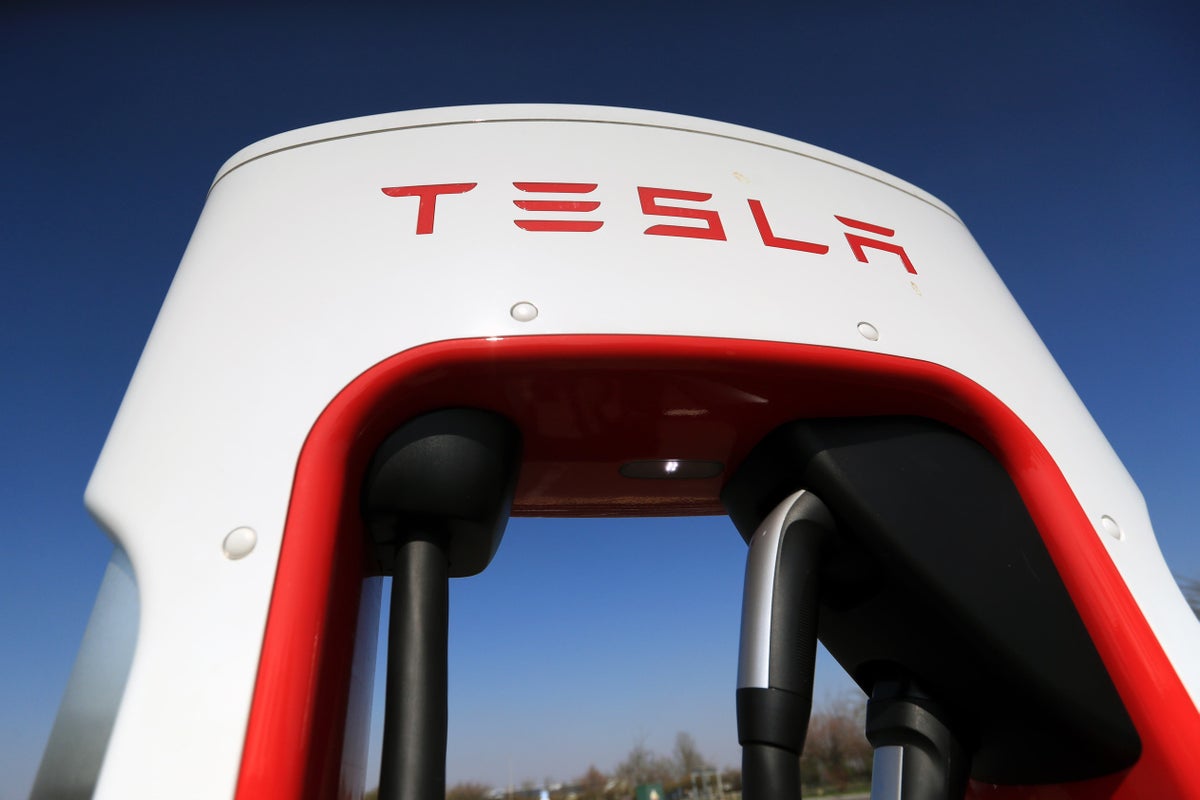
Elon Musk’s Tesla has been given the green light to start supplying electricity to households and businesses in Britain.
The company’s subsidiary, Tesla Energy Ventures, has been granted a licence by energy watchdog Ofgem to provide electricity to domestic and non-domestic consumers in England, Wales and Scotland.
It took effect on Wednesday following a seven-month review that considered whether the company could safely and reliably run an energy business.
Mr Musk, who is the world’s richest man, runs the electric car manufacturer and also has a solar energy and battery storage business.
Tesla has been involved in the UK energy market since 2020, when it was granted a licence to be an electricity generator.
In the US, the group is already an electricity supplier in Texas.
The company faced a backlash to its application last year, with campaign group Best for Britain saying thousands of people had used its online tool to lodge objections with Ofgem.
The criticism was rooted in Mr Musk’s political activity, including his support for Donald Trump and far-right activist Tommy Robinson, real name Stephen Yaxley-Lennon, and the changes made to social media platform X, formerly Twitter, since taking ownership.
Furthermore, Energy Secretary Ed Miliband branded the billionaire boss as a “dangerous person” and said that he had called for the overthrow of the Government and incited violence on the streets.
Tesla lost its title as the world’s best-selling electric vehicle (EV) maker in January after reporting declining sales for the second year in a row.
The car maker delivered 1.64 million vehicles in 2025, down 9% from a year earlier. Chinese rival BYD, which sold 2.26 million vehicles last year, is now the biggest EV maker.
Tesla Energy’s licence means it must now comply with Ofgem’s rules, including treating customers fairly and maintaining consumer protections and financial responsibility, or it faces potential penalties or the licence being revoked.
Ofgem stressed that it does not assess or grant licences to individuals.
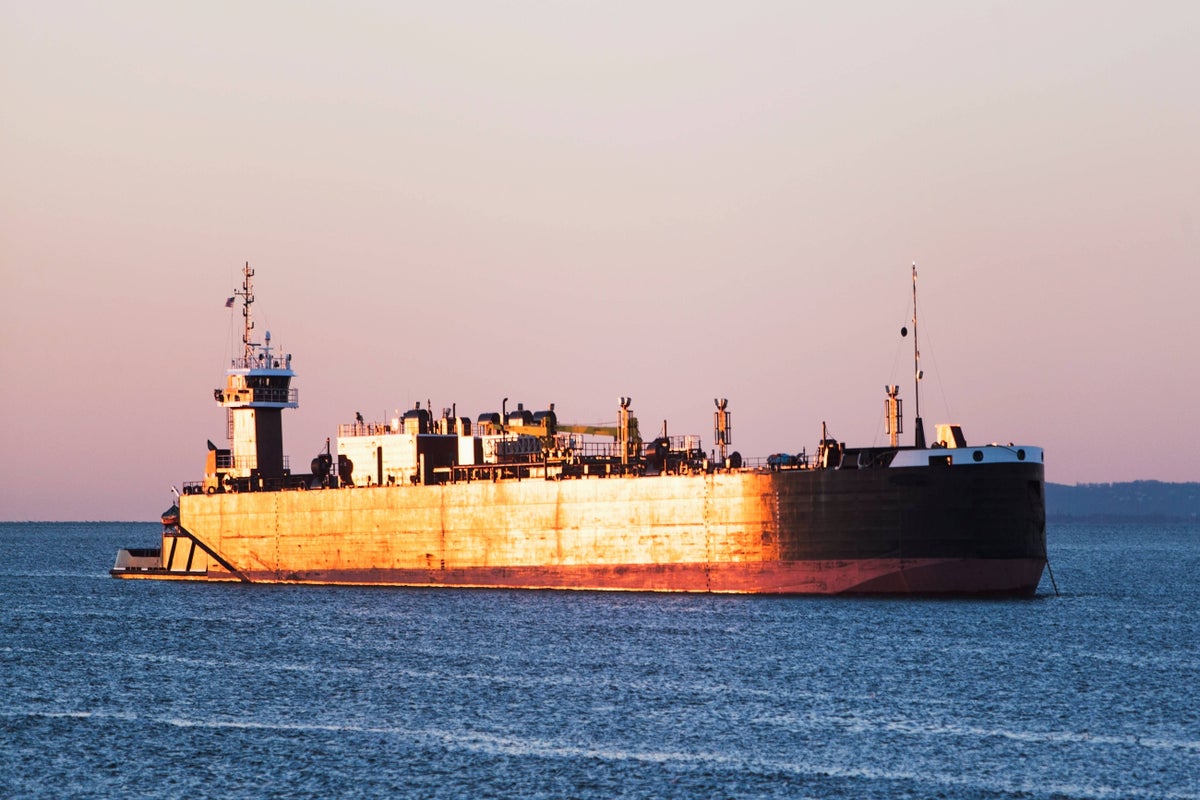
The International Energy Agency (IEA) says it has agreed to release a record 400 million barrels of oil from its strategic reserves to help stabilise markets.
The UK government said it will contribute 13.5 million barrels from its own stockpile for the release.
The conflict in Iran has halted shipments through the Strait of Hormuz and pushed the price of oil and gas sharply higher.
The IEA, which includes the UK, said the release – the largest in the 50-year history of the 32-nation alliance – will account for around a third of its 1.2 billion barrel stockpile held for emergencies.
Members hold a further 600 million barrels of industry stocks under government obligations.
Energy secretary Ed Miliband said: “With this action, the UK is playing our part in working with our international allies to address the disruption in oil markets.
“The UK has strong and diverse energy supplies, and the price cap plays an important role in protecting energy bills until July.
“The way to protect families and businesses in the long run is to get off our dependency on global fossil fuel markets, and on to clean, homegrown power which we control.”
The government stressed that the resumption of tankers using the Strait of Hormuz is critical and said it will “continue to work closely with partners to achieve this”.
Brent crude oil prices were up 3.5 per cent on Wednesday afternoon at 90.87 US dollars a barrel, although this remains significantly down from the peak hit on Monday amid concerns over an intensification in the Iran conflict.
Rachel Winter, partner at Killik & Co, said: “The IEA’s decision to release strategic oil reserves on an unprecedented scale is a significant intervention, and markets will take note.
“Whether it succeeds will depend on how long the conflict continues and whether other producers move to fill any supply gap.
“In the short term, we may see some relief at the pump, and oil majors such as BP and Shell, which have benefited from the recent price spike, could give back some of those gains.”
Last Updated:
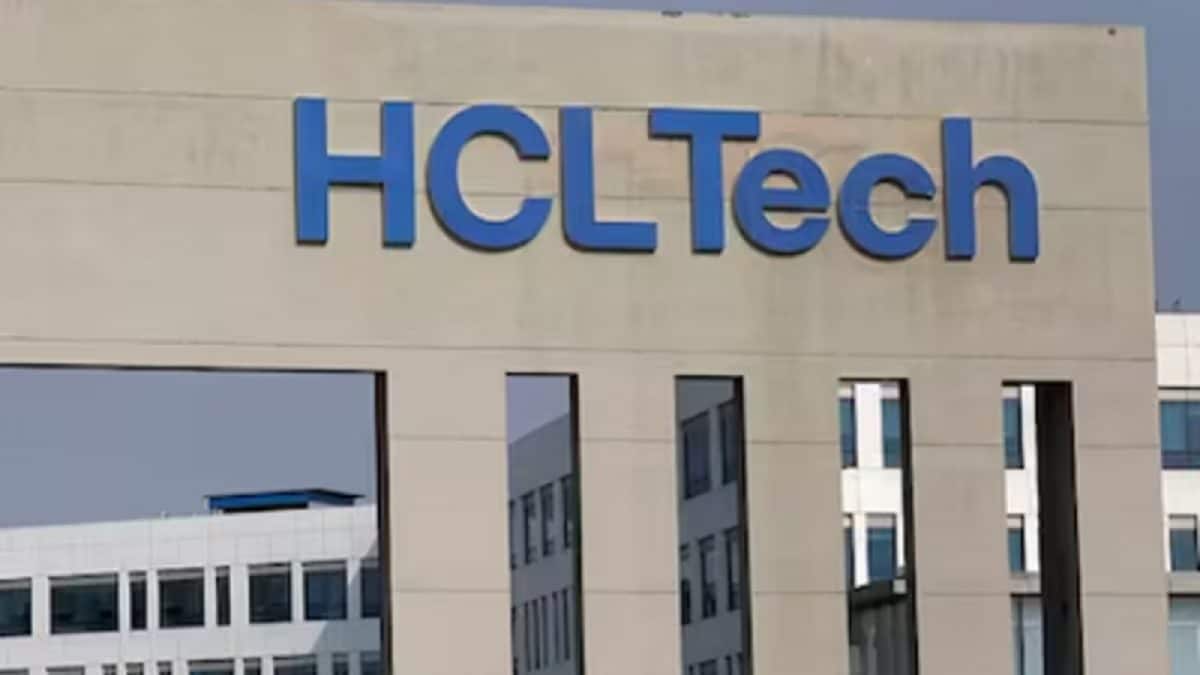
HCLTech allows employees at its Chennai office to work from home on March 12 and 13 after cafeteria operations were hit by the LPG crunch.




Several Indian companies with employees in the region have mapped staff locations, advised safety protocols and set up internal war rooms to monitor developments.
A shortage of cooking gas has begun to disrupt corporate offices in India, with HCLTech allowing employees at its Chennai office to work from home on March 12 and 13 after cafeteria operations were hit by the LPG crunch, according to a report by Mint.
The move came after several cafeteria vendors were unable to operate due to the shortage of commercial LPG cylinders, prompting the company to offer employees the option of remote work for two days, Mint reported citing two senior executives aware of the development.
The disruption highlights the spillover impact of the ongoing LPG supply constraints, which have already forced many restaurants in several cities to temporarily shut operations as commercial cylinders become scarce.
According to the report, the issue is also beginning to affect corporate campuses that rely heavily on commercial LPG for large-scale food preparation.
Queries sent to HCLTech seeking confirmation on the development had not received a response at the time of publishing, the report added.
The shortage comes amid a broader geopolitical backdrop as tensions in West Asia, following the conflict involving the US, Israel and Iran, begin to create ripple effects across supply chains and energy markets.
India Inc is also starting to feel the wider impact of the regional tensions. Global search firms have said companies with planned or existing exposure to the region are putting senior-level hiring on hold due to rising uncertainty.
Consulting firms have also warned that bonuses could come under pressure in companies exposed to the region, particularly in sectors such as energy, real estate, construction and logistics, where the conflict could disrupt business activity.
The conflict has drawn in several countries in the region and forced governments to take sides. For India, the stakes are high as more than nine million Indians live and work in the Gulf Cooperation Council (GCC) countries, including Saudi Arabia, the UAE, Qatar, Kuwait, Oman and Bahrain.
According to the Mint report, several Indian companies with employees in the region have mapped staff locations, advised safety protocols and set up internal war rooms to monitor developments.
Meanwhile, food-related disruptions linked to the LPG shortage have also prompted Infosys to issue advisories at some of its campuses.
The company informed employees at its Bengaluru offices that cafeterias would function with limited menu options due to an “impending situation regarding availability of commercial LPG”. Live food counters have been suspended and staff have been advised to bring home-cooked meals.
Chennai offices have also seen similar advisories, according to the report.
HCLTech and Infosys together employ a large workforce in India. At the end of last year, Infosys had 337,034 employees, while HCLTech had 226,379 employees, with roughly three-fourths of their workforce based in India.
The LPG shortage has also pushed up prices. The price of a 14.2 kg domestic LPG cylinder was recently increased by Rs 60, while commercial 19 kg cylinders have become costlier by Rs 144 across major cities.
Industry observers say that if supply disruptions persist, the shortage could begin affecting more corporate campuses and food service providers in the coming weeks.
March 12, 2026, 14:48 IST
Read More


Iran’s new Supreme Leader pledges revenge for martyrs, vows Strait closure.

Footballer Raphinha fronts Calvin Klein Spring 2026 underwear campaign

USTR begins trade probes into 16 economies including India, China, EU

-
 Politics5 days ago
India let Iran warship dock the day US sank another off Sri Lanka, say officials
-

 Sports6 days ago
Pakistan set for FIH Pro League debut | The Express Tribune
-
 Business5 days ago
Restaurant group changes name after bid to buys pubs across the UK
-

 Entertainment5 days ago
Harry Styles kicks off new era with ‘One Night Only’ comeback show
-
 Business6 days ago
Home heating oil: ‘Most of my pension has gone on home heating oil’
-

 Sports6 days ago
Winners and losers of the 2026 NHL trade deadline
-

 Entertainment6 days ago
Kanye ‘Ye’ West trips during trial: ‘Is he asleep?’
-

 Tech1 week ago
Google’s Pixel 10a May Not Be Exciting, but It’s Still an Unbeatable Value