Business
Why Are Gold Prices Swinging? Nirmala Sitharaman Breaks It Down

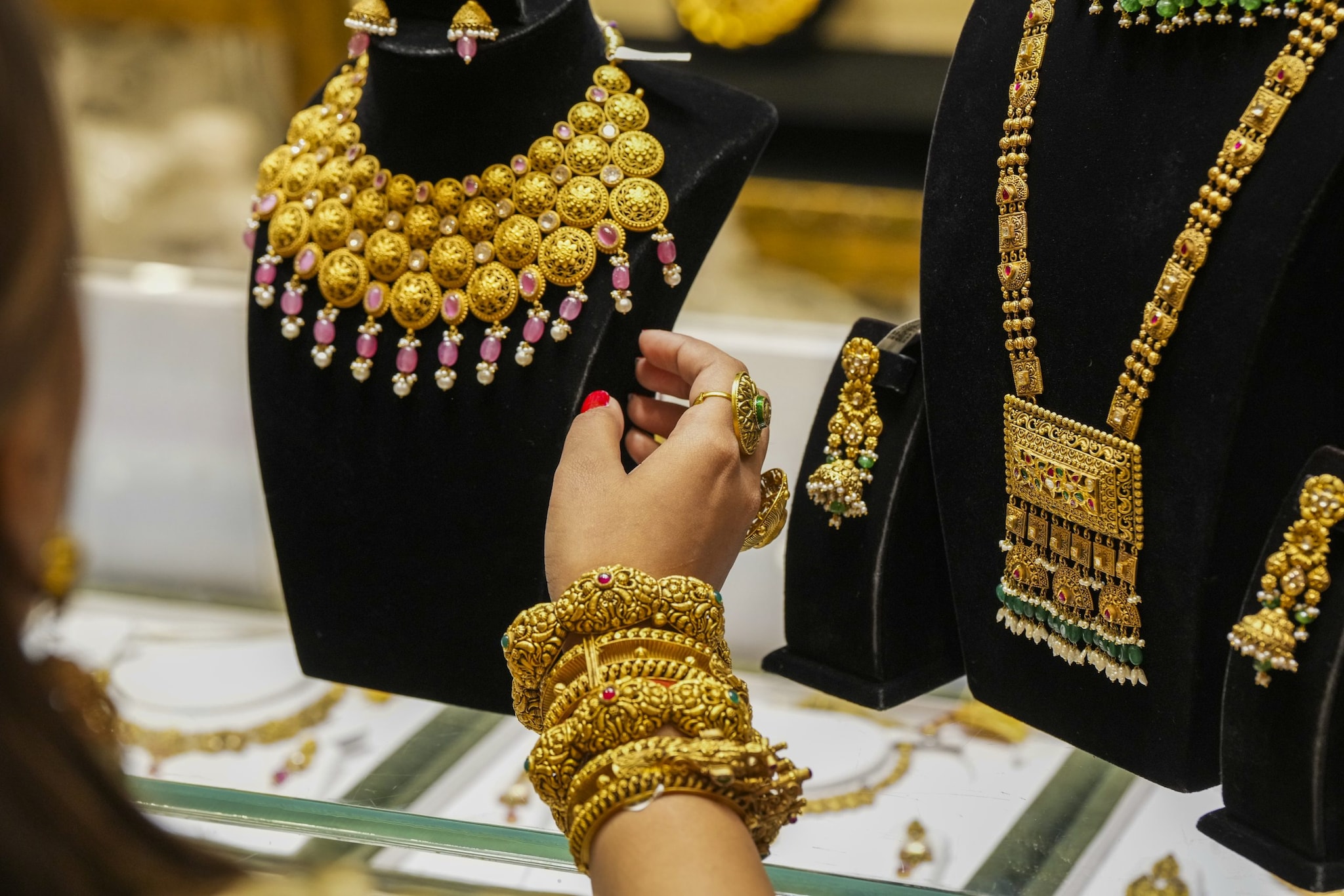
Gold prices are no longer being watched only at home but across global markets, as sudden and unexpected swings keep investors on edge. Addressing the volatility, Finance Minister Nirmala Sitharaman stated that a deepening uncertainty in international markets is driving the fluctuations. Speaking to reporters on Monday, she pointed to rising anxiety among investors in global commodity trade, explaining that unstable conditions worldwide have eroded confidence in individual currencies. As a result, many investors are turning to gold as a haven, a shift she said is naturally fuelling the sharp ups and downs in gold prices.


According to data from the Multi-Commodity Exchange (MCX), gold prices slipped slightly on Monday evening. Compared to the previous session’s closing rate, the price of ten grams of gold declined by around Rs 280, marking a fall of less than 1%. Market experts note that daily price movements are largely driven by international trends. Due to this volatility, many buyers are adopting a wait-and-watch approach.

Over the past five days, gold prices in India’s spot market have fallen sharply. On January 29, the price of ten grams of gold stood above Rs 1.7 lakh, but it has now dropped to nearly Rs 1.4 lakh. This represents a decline of over 13% in just five days, a shift that has caught regular buyers by surprise. For investors hoping for substantial gains, the sudden drop has served as a cautionary signal.

Responding to questions on the Union Budget, the Finance Minister said that investment remains the primary driver of sustained economic growth. She noted that the government is prioritising sectors that generate employment and is strengthening the economy through reforms aimed at long-term outcomes. While increasing public investment, she said, the government continues to follow disciplined fiscal policies. The overarching goal, she added, is to ensure that growth is inclusive and that every citizen becomes a stakeholder in the nation’s development.

Nirmala Sitharaman expressed confidence that India is steadily progressing towards becoming a developed nation. She stated that as a growing economy, India must play a significant role in global trade and is actively working to boost exports by integrating with international markets. She also clarified that efforts are underway to make domestic markets resilient enough to compete globally.

She further explained the decision to raise the Securities Transaction Tax (STT) in the Futures and Options segment. According to her, the move is aimed at discouraging uninformed, gambling-like participation in derivative trading. The government, she said, has taken these steps to protect small and retail investors from potential losses and to maintain overall market stability.


The Finance Minister also revealed that the disinvestment process of public sector enterprises is progressing swiftly. She said this would encourage greater public participation in government-owned companies and allow more efficient use of financial resources to fund development projects. Through transparent policies, the central government aims to maximise the value of public assets, a move she believes will yield long-term financial benefits for the country.

She concluded by stating that global economic conditions are clearly influencing domestic markets, and while price fluctuations are inevitable, the government’s reforms will help bring stability. She advised investors to avoid hasty decisions and to carefully assess market conditions before acting, adding that every reform undertaken to strengthen the economy is a step towards a developed India.