

Fashion
Will incentivising subcontractors boost Bangladesh’s RMG growth?

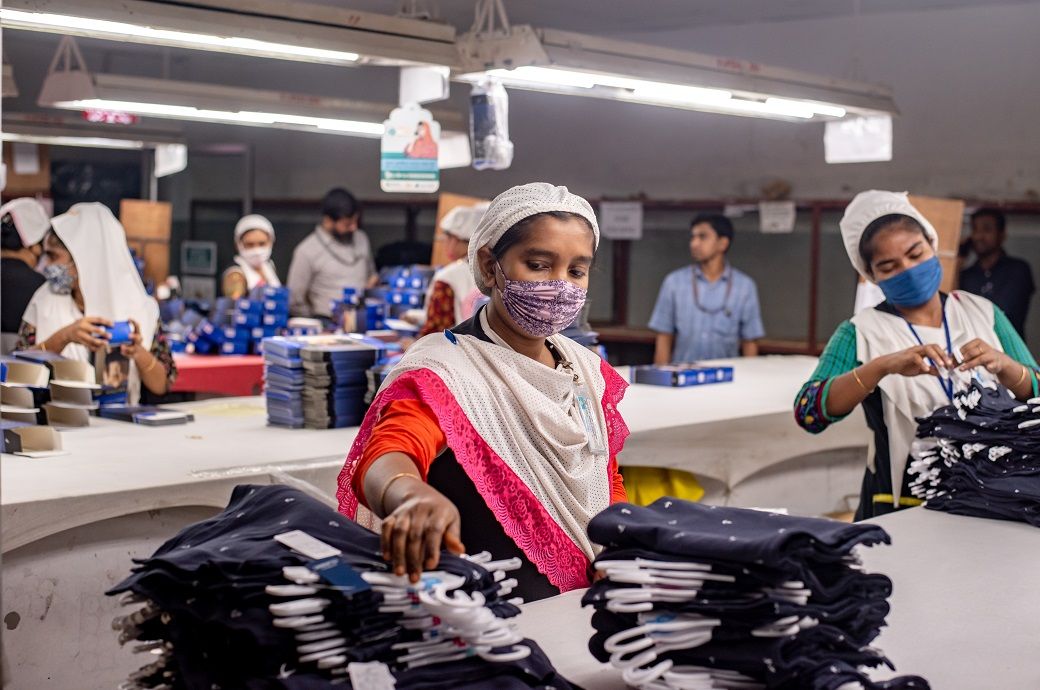
Many believe subcontracting units are vital to Bangladesh’s apparel growth.
Bangladesh Bank has recently authorised export incentives for garments and textile products manufactured and exported through sub-contracting arrangements.
The government earlier announced to extend cash incentives to subcontract factories.
Previously, only exporters operating in their own factories received such benefits.
Source link













RegioGreenTex was one of the first projects funded under the Interregional Innovation Investments (I3) Instrument programme that focused on process, service and business model innovation, developing advanced textile recycling technologies, regional recycling hubs, and a digital ecosystem for matchmaking and capacity building.
Five regional hubs mapped SME needs and developed services and value chains as well as tools that keep helping SMEs, an official release said.
The RegioGreenTex Digital Tool keeps matchmaking, sharing trainings and hosting the participants’ knowledge base.
The Waste Wizard shows how artificial intelligence-enhanced matchmaking can link leftover textiles with the right reuse or recycling routes.
From recycled-content yarn processes (Tintex) to Recycrom low-impact dyeing (Officina39), ultrasonic quilting for full recyclability (Rovitex) and hybrid recycled-fibre yarns (Hilaturas Mar), the pilots showed concrete, repeatable ways to cut impact without losing performance.
The hubs are now open for collaboration, the digital tools are live and the pilot portfolio is primed for investors and adopters.
Fibre2Fashion News Desk (DS)
While trends in high frequency indicators for January-February 2026 appear favourable, the heightened uncertainty around the duration of the Middle East conflict casts a shadow on the near-term macroeconomic outlook for India amid high import dependency for items like crude oil, natural gas and fertilisers, it noted.
India’s FY27 GDP growth is likely to slow to 6.5 per cent from the projected 7.5 per cent in FY26 owing to the impact of higher energy prices and concerns around energy availability, ICRA Ratings said.
The heightened uncertainty around the duration of the Iran war casts a shadow on the near-term macroeconomic outlook for India.
If the conflict lasts longer, the adverse effects could widen across sectors.
If the conflict lasts for an extended period, the adverse implications of the same could widen across sectors, amid an uptick in input costs and the consequent impact on profitability of the India corporate sector.
Amid the projected uptrend in the consumer price index-based inflation in FY27 with risks tilted to the upside, ICRA Ratings expects an extended pause on the policy rates by the central bank’s monetary policy committee in the fiscal despite the anticipated softening in the GDP growth. However, it expects the Reserve Bank of India to continue to intervene on the liquidity front during FY27.
The available data for January–February FY2026 indicate a positive trend across most non-agricultural indicators, with the year-on-year performance of 12 out of 18 indicators improving compared to the third quarter of FY26, while the remaining six deteriorated.
Fibre2Fashion News Desk (DS)
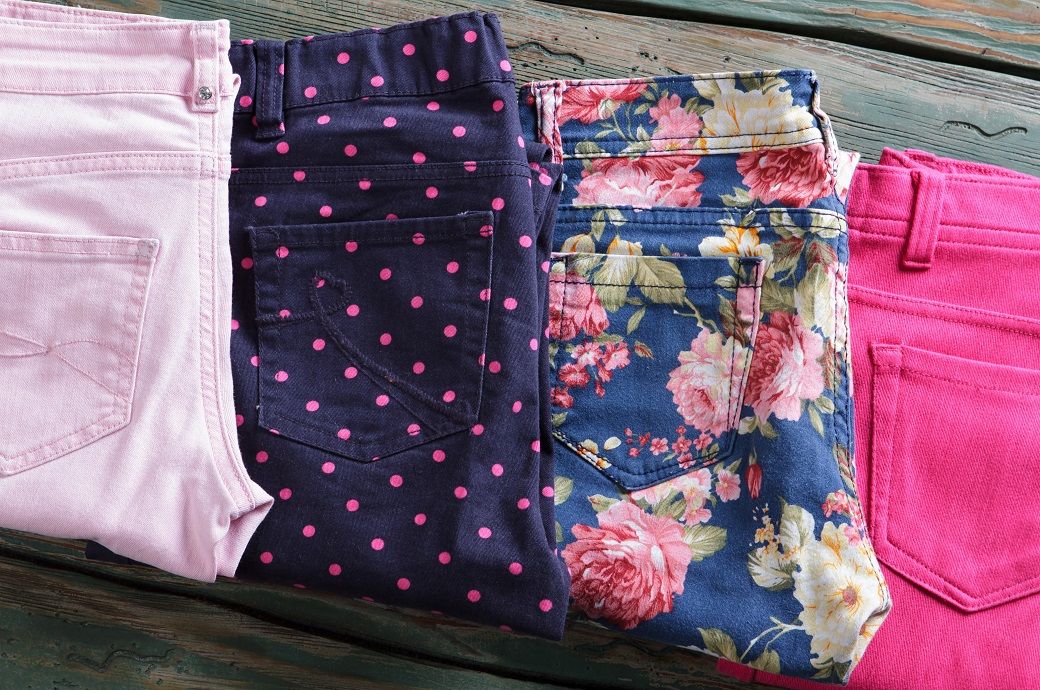
Indonesia’s apparel exports rose modestly to $8.705 billion in 2025 from $8.316 billion in 2024, reflecting gradual recovery.
The US remained dominant, accounting for over 56 per cent of shipments, highlighting growing market dependence.
While Japan, South Korea and Europe offered stability, exports stayed concentrated in key products and segments.
Source link


Iran war worries fail to dampen business sentiment in Japan

EU-funded RegioGreenTex pushes 25 SME pilots to commercialisation

Sean ‘Diddy’ Combs’ prison time gets cut down again

Afghanistan announces release of detained US citizen

Broadcast industry CEO says consolidation is ‘essential’ to compete for NFL soaring media rights prices

Property Play: Home flippers see smallest profits since the Great Recession, real estate data firm says

-
 Politics1 week ago
Afghanistan announces release of detained US citizen
-
 Sports1 week ago
Broadcast industry CEO says consolidation is ‘essential’ to compete for NFL soaring media rights prices
-

 Tech1 week ago
Can a Home Appliance Fix the Problem of Soft-Plastic Waste?
-
Business1 week ago
Property Play: Home flippers see smallest profits since the Great Recession, real estate data firm says
-

 Entertainment1 week ago
UN warns migratory freshwater fish numbers are spiralling
-
 Business1 week ago
Gold prices soar in Pakistan – SUCH TV
-

 Fashion1 week ago
ICE cotton slips on weaker crude, profit booking
-
 Business1 week ago
More women are entering wealth management, but few are in advisory roles, study finds