

Fashion
6-9% revenue dip for Indian RMG exporters, US market share to drop


Margins in the sector are likely to contract by 200-300 basis points (bps) due to discounts or inability to fully pass on tariffs.
US market share in Indian apparel exports is set to shrink following US tariff hike, with apparel exporters seeing a 6-9 per cent dip in revenues in FY26, ICRA recently projected.
Margins in the sector are likely to contract by 200-300 bps due to discounts or inability to fully pass on tariffs.
Moderation in credit metrics is envisaged for apparel and home textile exporters.
Moderation in credit metrics is envisaged for apparel and home textile exporters, ICRA said in a note.
The United States and European markets continue to be the major markets for Indian apparel exporters, accounting for 33-34 per cent and 31-32 per cent share respectively in FY25 and Q1 FY26.
Asian countries, namely Vietnam, China, Bangladesh, India, Indonesia, Cambodia and Pakistan, collectively represent 70 per cent of apparel imports by the United States.
The United States has been the topmost destination for apparel exports for India, accounting for a third of the share of total exports in 2024. In the home textiles segment as well, the country is a key market, accounting for 59 per cent share in 2024. In the cotton yarn segment, the US share in India’s exports is less than 1 per cent and will have a negligible impact.
While India was at a competitive position initially as the tariff actions were much steeper in other key competing nations like China, Bangladesh and Cambodia. But after the United States imposed a 50-per cent tariff on Indian apparel imports, Indian garments became significantly more expensive compared to those from other key competing nations, which face lesser tariffs.
While the recently concluded trade deal between India and the United Kingdom could lead to a shift in trade volumes to the UK market, ICRA expects a larger impact over the longer term as the validation process from customers usually consumes time.
At a broader level, entities have not yet experienced significant disruption, as orders are typically placed three to four months in advance and most exports are conducted on free-on-board (FOB) basis.
While a large portion of shipments was expedited before imposition of the additional tariffs, the impact is expected to be more pronounced in the second half (H2) of this fiscal as the tariff burden renders India less competitive.
Entities were largely able to pass on the initial 25 per cent tariff increase to customers, offering only minor discounts. However, full clarity on pricing implications following the additional 25 per cent penalty tariff is still awaited. ICRA anticipates margin contraction for textile manufacturers in H2 FY26.
Entities with diversified manufacturing facilities across other geographies (like Sri Lanka, Bangladesh, Vietnam, Africa, etc) are expected to redirect orders to these locations, thereby mitigating the impact.
Players in the sector also expect supportive measures from the government to help navigate the current challenges.
Fibre2Fashion News Desk (DS)










While trends in high frequency indicators for January-February 2026 appear favourable, the heightened uncertainty around the duration of the Middle East conflict casts a shadow on the near-term macroeconomic outlook for India amid high import dependency for items like crude oil, natural gas and fertilisers, it noted.
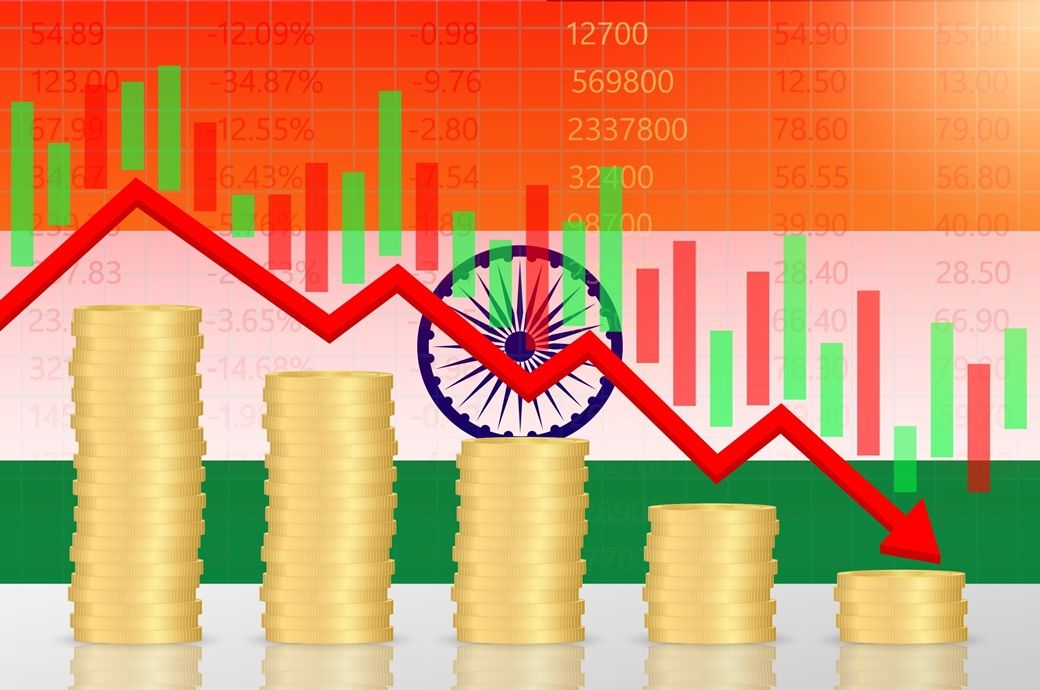
India’s FY27 GDP growth is likely to slow to 6.5 per cent from the projected 7.5 per cent in FY26 owing to the impact of higher energy prices and concerns around energy availability, ICRA Ratings said.
The heightened uncertainty around the duration of the Iran war casts a shadow on the near-term macroeconomic outlook for India.
If the conflict lasts longer, the adverse effects could widen across sectors.
If the conflict lasts for an extended period, the adverse implications of the same could widen across sectors, amid an uptick in input costs and the consequent impact on profitability of the India corporate sector.
Amid the projected uptrend in the consumer price index-based inflation in FY27 with risks tilted to the upside, ICRA Ratings expects an extended pause on the policy rates by the central bank’s monetary policy committee in the fiscal despite the anticipated softening in the GDP growth. However, it expects the Reserve Bank of India to continue to intervene on the liquidity front during FY27.
The available data for January–February FY2026 indicate a positive trend across most non-agricultural indicators, with the year-on-year performance of 12 out of 18 indicators improving compared to the third quarter of FY26, while the remaining six deteriorated.
Fibre2Fashion News Desk (DS)
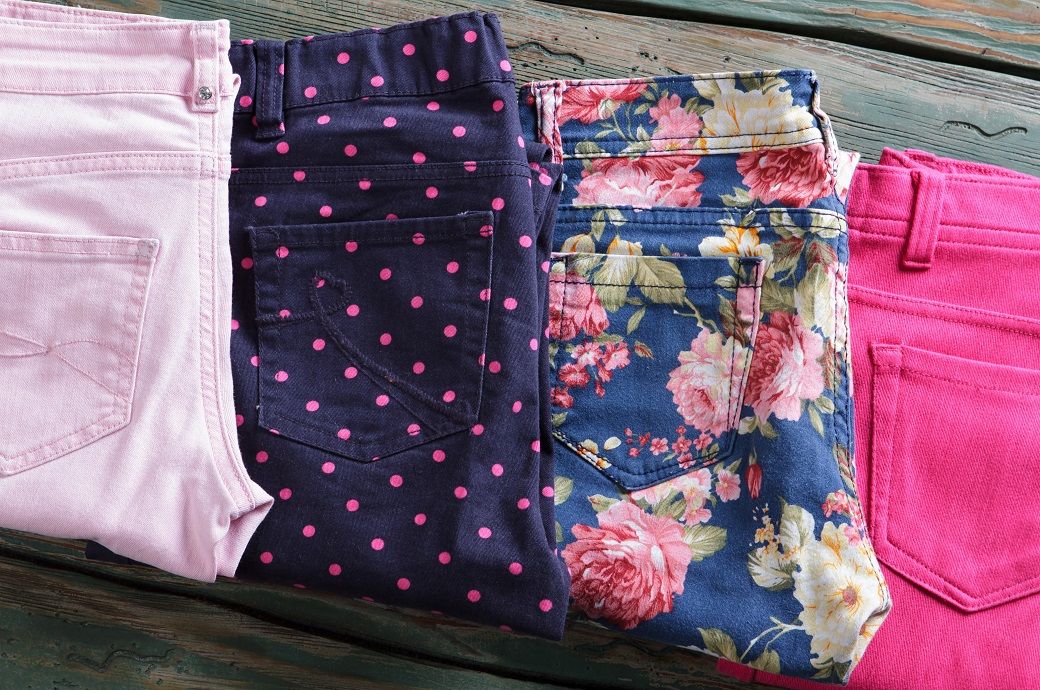
Indonesia’s apparel exports rose modestly to $8.705 billion in 2025 from $8.316 billion in 2024, reflecting gradual recovery.
The US remained dominant, accounting for over 56 per cent of shipments, highlighting growing market dependence.
While Japan, South Korea and Europe offered stability, exports stayed concentrated in key products and segments.
Source link

Methanol prices in India have surged nearly 150 per cent from pre-Iran–US tension levels, tracking a sharp rise in crude oil and tightening global energy markets.
Hormuz disruption risks, limited rerouting capacity, rising freight and insurance costs, and constrained imports are fuelling volatility, with prices seen approaching ₹90 per kg.
Source link


Charleston hires Akron’s John Groce as men’s basketball coach
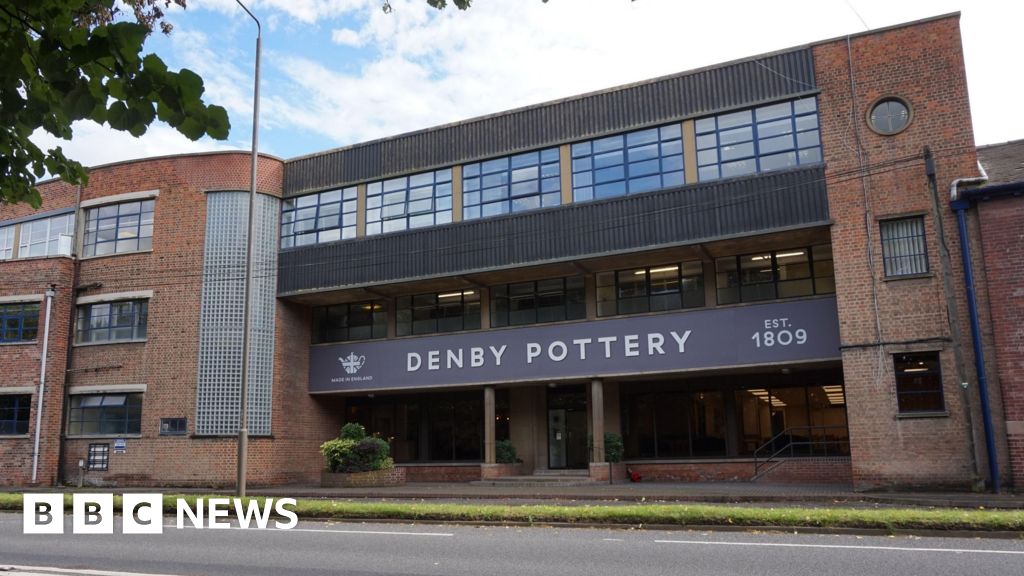
Pottery firm Denby appoints administrators in ‘necessary step’

In a Big Reversal, Zohran Mamdani Tells NYC Agencies to Use TikTok

-

 Politics1 week ago
Afghanistan announces release of detained US citizen
-

 Sports1 week ago
Broadcast industry CEO says consolidation is ‘essential’ to compete for NFL soaring media rights prices
-

 Entertainment1 week ago
UN warns migratory freshwater fish numbers are spiralling
-
 Business1 week ago
Property Play: Home flippers see smallest profits since the Great Recession, real estate data firm says
-

 Tech1 week ago
Can a Home Appliance Fix the Problem of Soft-Plastic Waste?
-
 Business1 week ago
Gold prices soar in Pakistan – SUCH TV
-

 Fashion1 week ago
ICE cotton slips on weaker crude, profit booking
-
 Business1 week ago
More women are entering wealth management, but few are in advisory roles, study finds