

Business
78-day Bonus A ‘Big Diwali Gift’ From Government: Railway Staff


New Delhi: After the Cabinet approved the Productivity Linked Bonus (PLB) for railway employees on Wednesday, a wave of happiness spread among the staff. Many said the government’s decision is nothing less than a big Diwali gift for them and their families.
Train Manager Amit Kumar told IANS that the announcement has brought immense joy among railway employees. He added that the decision is not only beneficial for the staff but also for their families during the festive season.
“For this, I express my gratitude to Indian Railways and the Government of India,” he said. Train Manager Naresh Kumar said the country is developing rapidly and the government has transformed the railways. He noted, “The decision to give a 78-day bonus is highly commendable. The number of Vande Bharat trains is increasing across the country. Overall, India is moving on the path of progress. We are happy that the central government has given us such a big gift ahead of Diwali.”
Counsellor-cum-Train Manager Om Prakash Shukla said railway employees receive bonuses every year, but the pandemic had put some pressure on them. “This announcement has doubled our happiness. It will also boost our festive shopping, and we’ll be able to buy new things for our homes. We are grateful to the government,” he added.
Rajesh Kumar, a retiring in-charge, welcomed the decision. “With this bonus, I will take my children out for a trip. We are very happy and excited,” he said. Station Master Ankita Yadav in New Delhi said, “We are thankful to the government for taking such a decision. This bonus is like a festival gift for us.”
Station Superintendent Narendra Kumar Rawat also expressed his joy over the decision. “The announcement of 78 days’ wages as bonus makes me very happy. The government is working for the all-round development of the country, and now we employees will be able to celebrate our festival in a better way,” he said.
Railway Operating Assistant Krishna echoed similar sentiments, calling the bonus announcement “a Diwali gift from the government.”

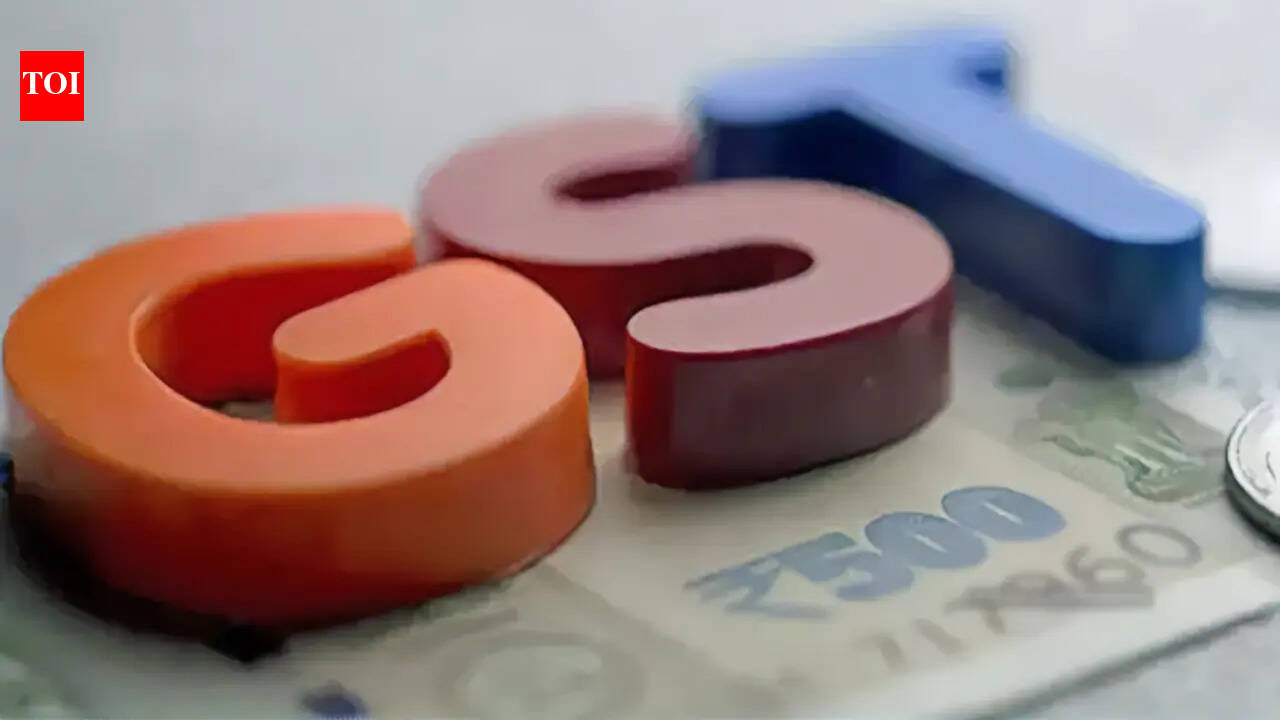
GST collections: India’s net Goods and Services Tax (GST) collections increased to Rs 1.78 lakh crore in March 2026, marking a rise of 8.2% compared to the previous month, according to official figures released on Wednesday.Gross GST revenue for March stood at Rs 2 lakh crore, which is an 8.8% increase over the same month last year.Abhishek Jain, Indirect Tax Head & Partner, KPMG says, “GST collections continue to show steady 9% annual growth, supported by strong import activity this month and consistent compliance. While export refunds have eased this month but remain healthy overall for the year”Refunds during the month totalled Rs 0.22 lakh crore, up 13.8% on a year-on-year basis, which resulted in net GST collections of Rs 1.78 lakh crore.Domestic GST revenue reached Rs 1.46 lakh crore, registering a growth of 5.9%, while revenue from imports was recorded at Rs 0.54 lakh crore, rising sharply by 17.8% during the period.Post-settlement GST figures across states presented a varied trend. While industrially advanced states recorded strong growth, several others reported a decline.Maharashtra contributed the highest amount to the overall collections at Rs 0.13 lakh crore on a pre-settlement basis, followed by Karnataka and Gujarat.Among states showing an increase in post-settlement SGST collections were Himachal Pradesh, Punjab, Uttarakhand, Haryana, Rajasthan, Uttar Pradesh, Bihar, Gujarat, Maharashtra, Karnataka, Kerala, Tamil Nadu, Telangana and Andhra Pradesh, among others.On the other hand, states such as Jammu and Kashmir, Chandigarh, Delhi, Arunachal Pradesh, Meghalaya, Assam, West Bengal, Jharkhand, Odisha, Chhattisgarh and Madhya Pradesh, among others, registered a decline in post-settlement SGST revenues.
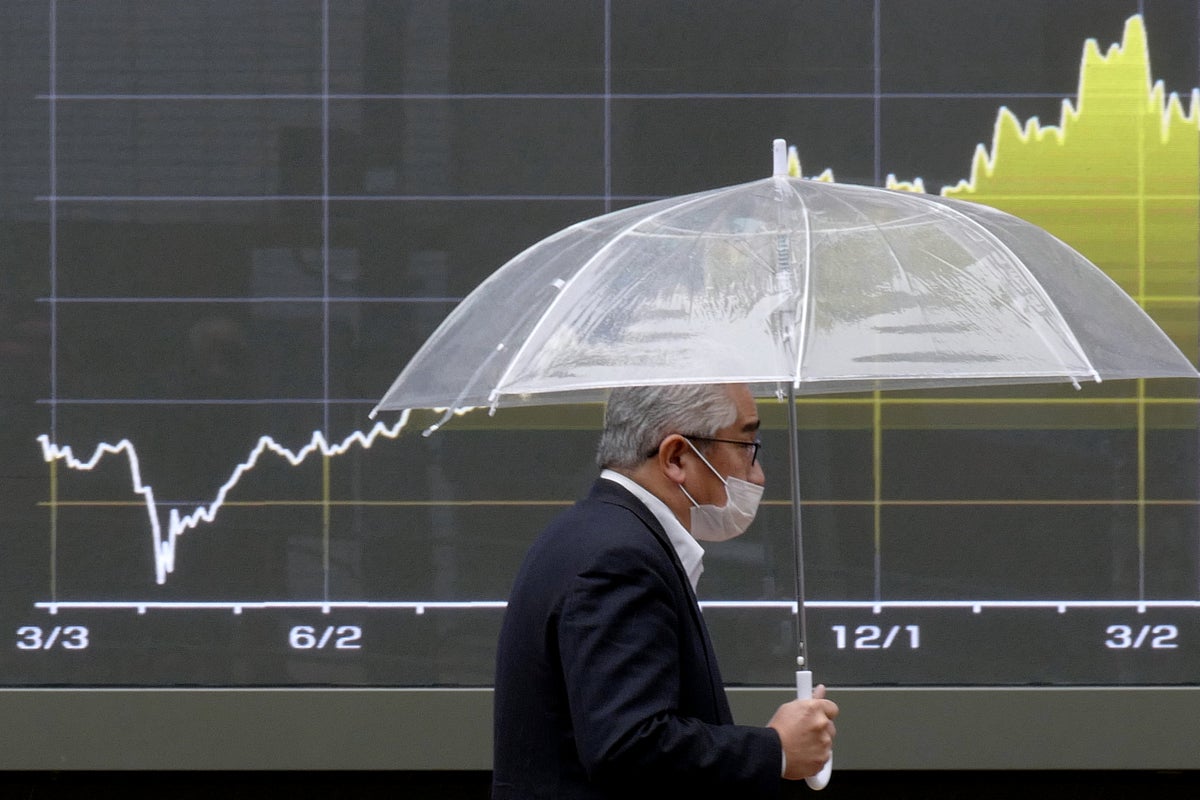
Business sentiment among major Japanese manufacturers rose from 16 to 17 in March, according to the Bank of Japan’s quarterly survey released on Wednesday.
The improvement in the so-called diffusion index in the closely watched “tankan” report, recorded for the fourth quarter straight, comes even as worries grow about Japan’s economic growth and oil supplies because of the US-Israeli war on Iran.
The survey is an indicator of companies foreseeing good conditions minus those feeling pessimistic.
The index for large non-manufacturers, such as the service sector, stood unchanged from the last tankan at 36.
Japan’s inflation has so far remained relatively moderate, but worries are growing about prices at the gas stands and other products. Investors and consumers alike are filled with uncertainty about how much longer the war may last and what US president Donald Trump might say next. Japan’s benchmark Nikkei 225 has gyrated wildly in recent weeks.
Analysts say the Bank of Japan may start to raise interest rates because of concerns about inflation, given the soaring energy costs and declining yen, two elements that greatly affect living costs for the average Japanese consumer.
Historically, Japan has benefited from a weak yen because of its giant exports, exemplified in autos and electronics. A weak yen raises the value of exports’ earnings when converted into yen.
But in recent years, a weak yen is working as a negative, as resource-poor Japan imports much of its energy, as well as other key products such as food and manufacturing components.
The US dollar has been soaring against the yen lately.
Japan’s central bank had a negative interest rate policy for years to fight deflation until it normalised policy in 2024. It kept the rate unchanged at 0.75 per cent in March. The next Bank of Japan monetary policy board meeting is set for April 27 and 28.

The price of Brent crude oil to be delivered in May rose by a record 64% in March as the conflict disrupted energy supplies.
Source link


Rupee at 95/$: What it means for India’s textile sector

China’s Anta Sports posts record $11.62 bn revenue in 2025
GST collections rise 8.2% in March 2026 to hit Rs 1.78 lakh crore – The Times of India

Afghanistan announces release of detained US citizen

Property Play: Home flippers see smallest profits since the Great Recession, real estate data firm says

Broadcast industry CEO says consolidation is ‘essential’ to compete for NFL soaring media rights prices

-
 Politics1 week ago
Afghanistan announces release of detained US citizen
-
Business1 week ago
Property Play: Home flippers see smallest profits since the Great Recession, real estate data firm says
-
 Sports1 week ago
Broadcast industry CEO says consolidation is ‘essential’ to compete for NFL soaring media rights prices
-

 Entertainment1 week ago
UN warns migratory freshwater fish numbers are spiralling
-

 Tech1 week ago
Can a Home Appliance Fix the Problem of Soft-Plastic Waste?
-
 Business1 week ago
Gold prices soar in Pakistan – SUCH TV
-

 Fashion1 week ago
ICE cotton slips on weaker crude, profit booking
-
 Business1 week ago
More women are entering wealth management, but few are in advisory roles, study finds