

Business
8th Pay Commission: Railways Trims Costs To Manage Wage And Pension Burden As Likely Effective Date Nears

Last Updated:
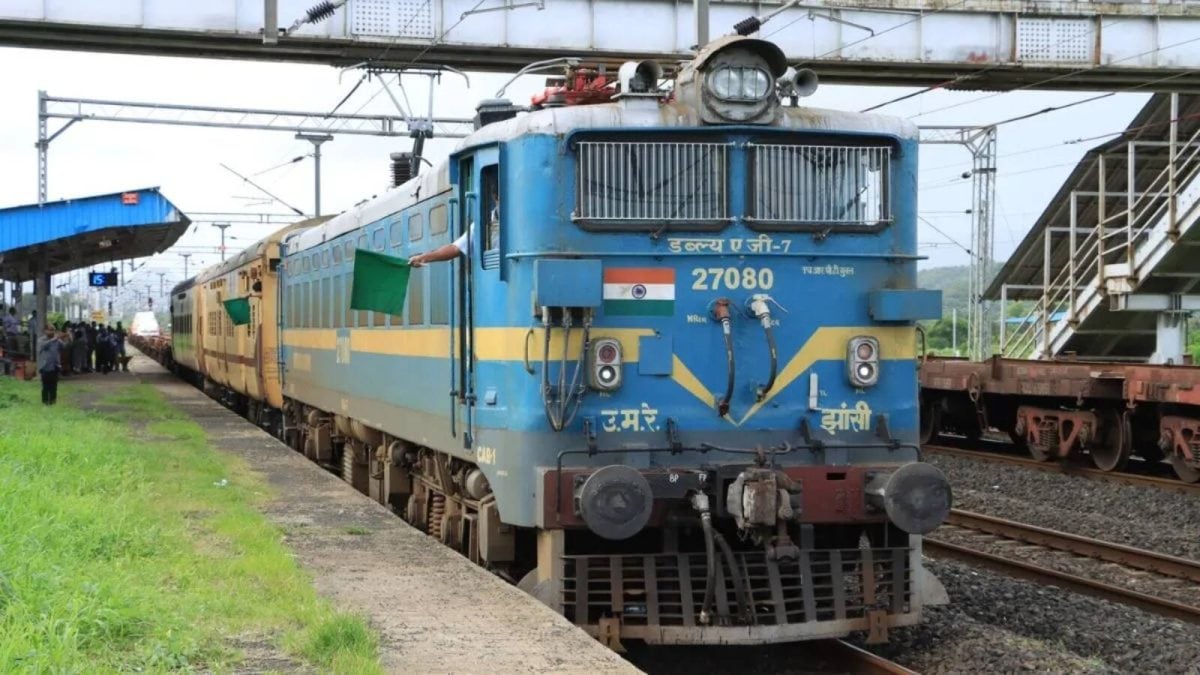
Indian Railways starts cost-cutting ahead of 8th Pay Commission, set for retrospective implementation from January 01, 2026, to manage higher wage and pension expenses.

8th Pay Commission impact: Railways tightens spending before Jan 1, 2026
8th Pay Commission: Even though the 8th Pay Commission is expected to submit its report within 18 months of its formation, the implementation of recommendations will be likely effected retrospectively from January 01, 2026.
With the likely date of implementation nears, Indian Railways has reportedly begun cost-cutting across maintenance, procurement and energy use to avoid a big financial burden in the form of higher wages and pensions to current and ex-employees once the 8th Pay Commission takes effect, according to Times of India report.
After delays, the 8th Pay Central Pay Commission has been finally constituted by the Central government in October this year with the notification of Terms of Reference (ToR) to review the wages and allowances of its staff and pensioners.
The pay panel is constituted every 10 years to review the wages and allowances of its workforce. The 7th Pay Commission’s recommendations were implemented from January 01, 2016, with arrears paid within the 2016-17 financial year.
According to a TOI report, Indian Railways recorded an operating ratio (OR) of 98.90 per cent in 2024–25, leaving a net revenue of Rs 1,341.31 crore.
For 2025–26, the Railways has set a target OR of 98.42 per cent, with net revenue estimated at Rs 3,041.31 crore, highlighting continued pressure on margins despite higher revenues.
As per TOI report quoting officials, the railway will reduce its reliance on borrowing as Indian Railway Finance Corporation (IRFC) annual payments are expected to decline from 2027-28 on the back of recent capital expenditures funding through gross budgetary support (GBS).
8th Pay Commission Implementation Timeline
In the latest update, Minister of State for Finance Pankaj Chaudhary has said the timing and funding of the 8th Pay Commission will be decided later.
“The 8th Central Pay Commission (CPC) has already been constituted. The Terms of Reference (ToR) of the 8th Central Pay Commission have been notified vide Ministry of Finance’ Resolution dated 03.11.2025. The number of Central Government employees is 50.14lakh and the number of pensioners is 69 lakh approximately. The date of implementation of the 8th Central Pay Commission shall be decided by the government. Government will make appropriate provision of funds for implementing the accepted recommendations of 8th CPC,” Chaudhary said in response to a query in the Lok Sabha on December 8, 2025. The question was about whether the government proposes to implement the 8th Pay Commission with effect from January 1, 2026.
He added that the 8th Central Pay Commission will devise the methodology and procedure for formulating its recommendations.
“As specified in the Resolution notified on November 3, 2025, the 8th Central Pay Commission will make its recommendations within 18 months from the date of its constitution,” the MoS Finance added.
 Click here to add News18 as your preferred news source on Google.
 December 15, 2025, 13:44 IST
Read More
Business
Oil rises slightly while stock show mixed performance amid conflicting signals on talks – SUCH TV
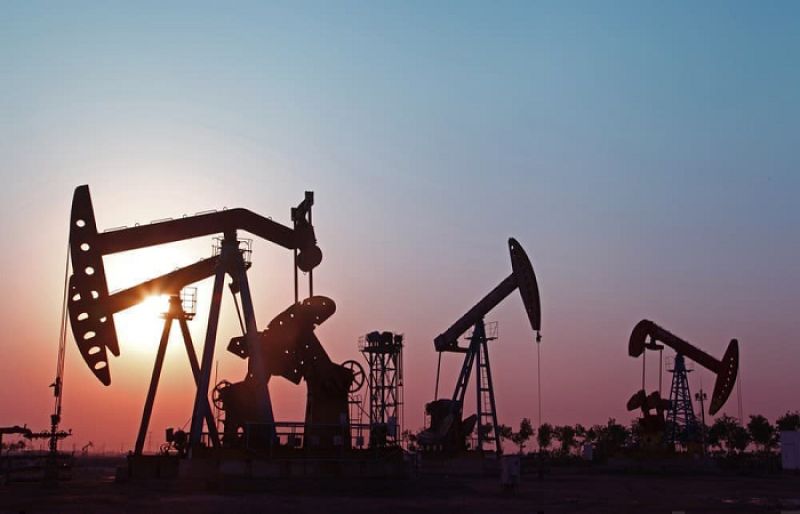
Oil prices rose and equities were mixed on Thursday as investors tracked developments in the Middle East war after Iranian officials were said to have replied to US demands to end a conflict that has sparked warnings of an unprecedented energy crisis.
Markets have been buoyed since late Monday after US President Donald Trump backed down on a threat to destroy the Islamic republic’s energy infrastructure and said the two sides were in peace talks.
But while crude prices are down from last week and the mood on trading floors has been less dour than most of March, uncertainty and the virtual closure of the Strait of Hormuz — through which around 20% of oil and gas passes — continues to cast a dark shadow.
Washington presented a 15-point plan to end the war, including Iran giving up its enriched uranium and opening up the waterway, while Tehran’s state-run TV reported officials had put forward their own five conditions for hostilities to end.
Trump on Wednesday threatened to “unleash hell” if Iran did not strike a deal, but Foreign Minister Abbas Araghchi said his country does not intend to negotiate.
However, the US president also said Iran was taking part in peace talks, and the denials were because negotiators feared being killed by their own side.
“Pressure on energy prices, shipping flows and broader financial conditions remains one of the few meaningful sources of leverage (Iran) retains,” said Saxo Markets’ Charu Chanana.
“There is therefore little incentive to relinquish that leverage prematurely, particularly if market stress strengthens its negotiating position.
However, she added: “It would be imprudent to assume diplomacy is absent simply because it is not visible. In conflicts of this nature, public rhetoric and private negotiation often diverge materially.
“Markets understand this dynamic, and they also tend to inflect before the political endgame is formally in place.”
With investors holding on to hope that a deal can be struck, oil prices have stabilised this week, with Brent sitting just above $100 and WTI around $90.
Equities were also less volatile.
After gains on Wall Street and Europe, Asian markets fluctuated after a two-day rally.
Tokyo, Hong Kong, Shanghai, Seoul, Manila and Jakarta fell.
Singapore, Wellington and Taipei rose, while Sydney was flat.
But City´s Index’s Fiona Cincotta said: “For the recovery to gain more meaningful traction, investors will want to see clearer signs of de-escalation, including the reopening of the Strait of Hormuz.”
Her remarks come after the head of the International Chamber of Commerce, John Denton, warned the conflict could cause the “worst industrial crisis” in decades.
“The head of the International Energy Agency has warned that the world is facing an energy crisis more severe than the oil shocks of the 1970s,” he added.
“From a business perspective, we believe this could yet become the worst industrial crisis in living memory.”
Meanwhile, the World Trade Organisation said disruptions to fertiliser supplies posed a double threat to global food security through scarcity and high prices, with a third of the global fertiliser supply normally transiting the Strait of Hormuz.
Business
‘Friendly nations’ only: Iran allows India, Pakistan, 3 other countries to use Strait of Hormuz amid war – The Times of India
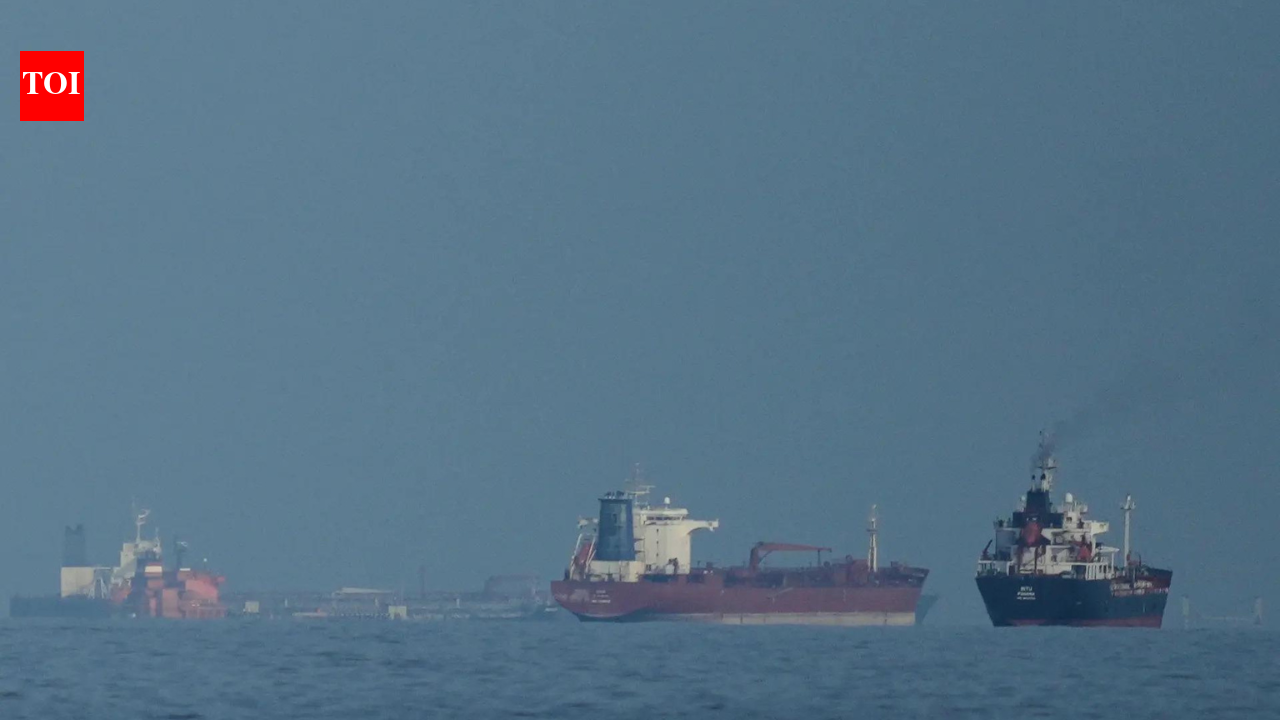
Iran on Thursday said that, despite ongoing military escalation in the Middle East, it has allowed transit through the Strait of Hormuz for “friendly nations,” including India.The consulate general of Iran in Mumbai shared a statement from Iran’s foreign minister Abbas Araghchi, saying: “We have permitted passage through the Strait of #Hormuz for friendly nations, including China, Russia, India, Iraq, and Pakistan.”Araghchi’s remarks came after UN secretary-general Antonio Guterres called for the Strait of Hormuz to remain open.In a post on X, Guterres said, “The prolonged closure of the Strait of Hormuz is choking the movement of oil, gas, and fertilizer at a critical moment in the global planting season. Across the region and beyond, civilians are enduring serious harm and living under profound insecurity. The UN is working to minimise the consequences of the war. And the best way to minimise those consequences is clear: end the war immediately.”
The UN chief also urged US-Israel and Iran to end the ongoing military escalation.“My message to the US & Israel is that it’s high time to end the war – as human suffering deepens, civilian casualties mount & the global economic impact is increasingly devastating. My message to Iran is to stop attacking their neighbours that are not parties to the conflict,” he said.“My message to the US and Israel is that it is high time to end the war, as human suffering deepens, civilian casualties mount, and the global economic impact becomes increasingly devastating. My message to Iran is to stop attacking neighbours that are not parties to the conflict,” he said.However, for Western powers, the key oil lifeline remains the Strait of Hormuz, a critical chokepoint now increasingly volatile amid the US-Israel offensive on Iran. The strong retaliatory action by Tehran regime included the choking of key waterway in the Gulf, with fears that any disruption could effectively choke global energy flows.
Business
Strait of Hormuz disruptions: India buys first LPG cargo from Iran in years; tanker was initially bound for China – The Times of India
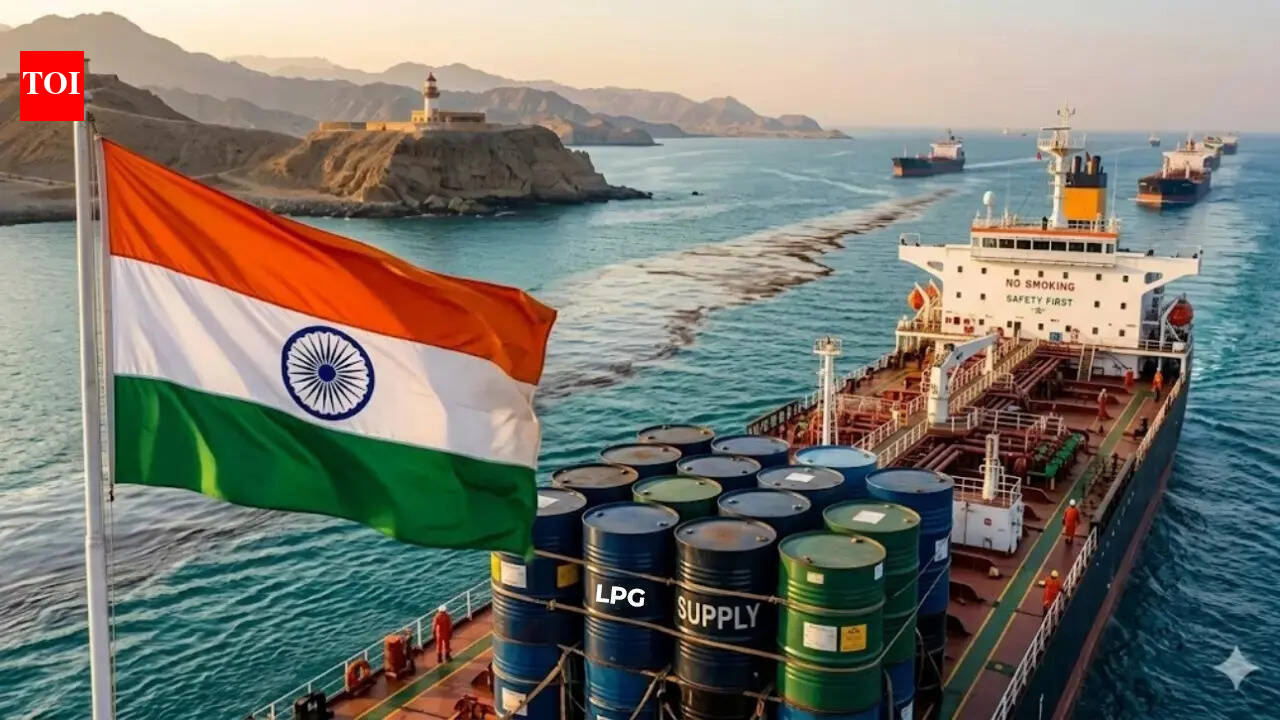
For the first time in several years, India has reportedly purchased liquified petroleum gas (LPG) from Iran after the Donald Trump administration granted a 30-day sanctions waiver to keep oil and gas prices in check. India had stopped energy imports from Iran in 2019 amid Western sanctions. Data from LSEG indicated that the tanker carrying the cargo was originally headed for China.India has faced significant disruption to energy supplies routed through the Strait of Hormuz due to the ongoing US-Israeli conflict with Iran.
Iran LPG headed to India
The sanctioned vessel Aurora, transporting Iranian LPG, is expected to arrive today at the west coast port of Mangalore, sources told Reuters. Sources said the cargo was procured through a trader, with payment to be made in rupees. They added that India is also considering additional purchases of Iranian LPG cargoes.
Also Read | US-Iran war: Why India is facing an LPG crisis — explained in chartsThe LPG shipment will be distributed among three state-run fuel retailers: Indian Oil Corporation, Bharat Petroleum Corporation Limited and Hindustan Petroleum Corporation Limited.However, an official said he was not aware of any purchases of Iranian cargoes. “(There are) no loaded cargoes from Iran, we have not heard of that,” Rajesh Kumar Sinha, Special Secretary in the federal shipping ministry, said at a press conference on Wednesday.India, the world’s second-largest importer of LPG, is grappling with its most severe gas supply crunch in decades, prompting the government to cut allocations to industries in order to safeguard household cooking fuel needs.The country consumed 33.15 million metric tonnes of LPG last year, with imports meeting roughly 60% of the demand. A significant majority of these imports originated from the Middle East.India is also working to clear LPG cargoes stranded in the Strait of Hormuz, with four tankers — Shivalik, Nanda Devi, Pine Gas and Jag Vasant — already moved. In addition, the country has begun loading LPG onto empty vessels that had been stuck in the Persian Gulf.


High logistics costs burden several Indian regions: Report

PSX slips as doubts grow over Middle East peace

Iran says ‘No talks with US’, and wants end to war on its terms

-

 Fashion1 week ago
Sales at US apparel, clothing accessories stores up 4% YoY in Jan 2026
-
 Tech1 week ago
Justice Department Says Anthropic Can’t Be Trusted With Warfighting Systems
-

 Entertainment1 week ago
Val Kilmer revived 1 year after death through AI
-
 Business1 week ago
Stocks and pound rise as US rate call approaches
-

 Sports1 week ago
March Madness 2026 – How to watch in SA, start time, schedule, TV channel for NCAA championship basketball tournament
-

 Politics1 week ago
Iran strikes Tel Aviv with cluster-warhead missiles in retaliation of Larijani’s martyrdom
-
 Business1 week ago
Brits cashing in jewellery as gold price hits record high
-

 Fashion5 days ago
China’s textile & apparel exports surge 17% to $50 bn in Jan-Feb 2026