

Business
IMF Ups Indias GDP Growth Forecast For 2025-26 Despite US Tariff Hike


New Delhi: The International Monetary Fund (IMF) on Tuesday raised India’s GDP growth forecast to 6.6 per cent for 2025-26 from 6.4 per cent earlier despite the punitive tariffs slapped by the US on the country’s exports. The upward revision was on “carryover from a strong first quarter, more than offsetting the increase in the US effective tariff rate on imports from India since July”, the IMF said in its World Economic Outlook.
In the April-June quarter of 2025-26, India grew at its fastest pace in at least a year, clocking a GDP growth rate of 7.8 per cent on the back of strong private consumption. With the government rolling out sweeping GST reforms with tax rates reduced on consumer goods and services across the board, the domestic demand is expected to gain further momentum ahead. This is expected to offset the negative impact on external demand for Indian goods due to the US tariff hike.
The IMF’s projection of a higher economic growth comes close on the heels of the World Bank raising its India growth forecast for FY26 to 6.5 per cent from 6.3 per cent. The IMF has also projected that the growth of emerging market and developing economies will moderate from 4.3 per cent in 2024 to 4.2 per cent in 2025 and 4 per cent in 2026.
“Beyond China, emerging market and developing economies more broadly showed strength, sometimes because of particular domestic reasons, but recent signals point to a fragile outlook there as well,” the report states. Higher US tariffs are curtailing external demand, and rising trade policy uncertainty is weighing on investment in major export-led economies, the report added.
Last week, IMF Managing Director Kristalina Georgieva lauded India as a key growth engine of the world economy amid changing global growth patterns. “Global growth is forecast at roughly 3 per cent over the medium term—down from 3.7 per cent pre-pandemic. Global growth patterns have been changing over the years, notably with China decelerating steadily while India develops into a key growth engine,” she said.
Georgieva said that countries have put in place decisive economic policies, the private sector has adapted, and the US tariff turmoil has proved less severe than initially feared. However, she said it was too early to heave a big sigh of relief, because “global resilience has not yet been fully tested. And there are worrying signs the test may come”.



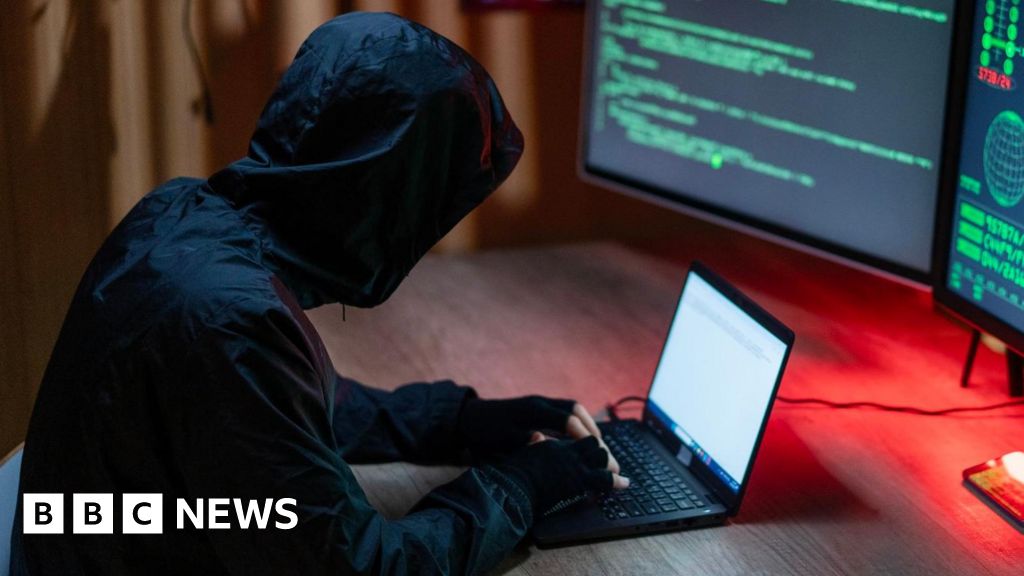
While hackers used to sneak into computer systems, intimidation of staff is now more common.
Source link
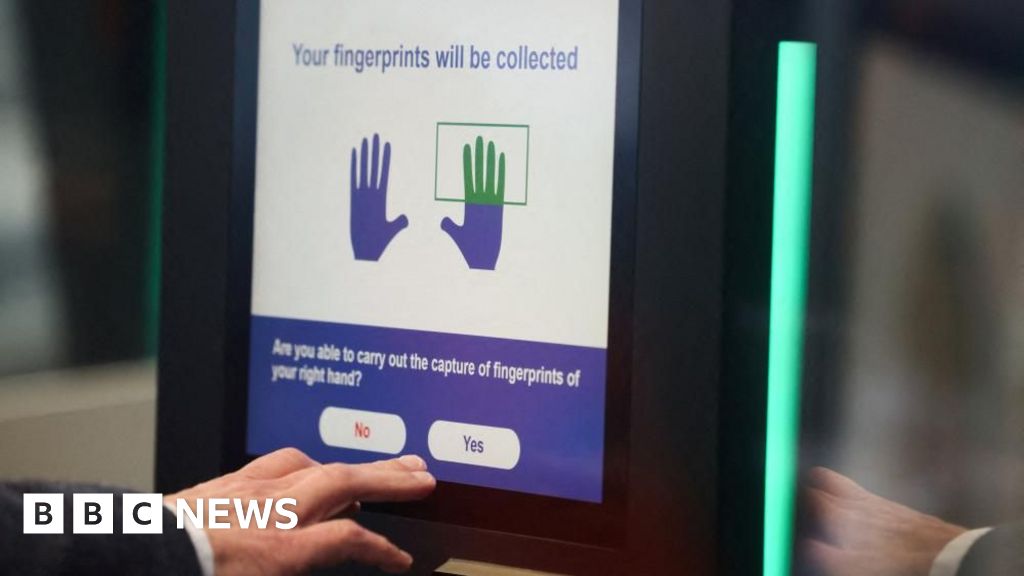
Olga Kefalogianni says the Greek government doesn’t want visitors to be “burdened” by biometric checks.
Source link
Business
Noel Tata part of 3-1 vote against Srinivasan, Singh at Tata edu trust – The Times of India
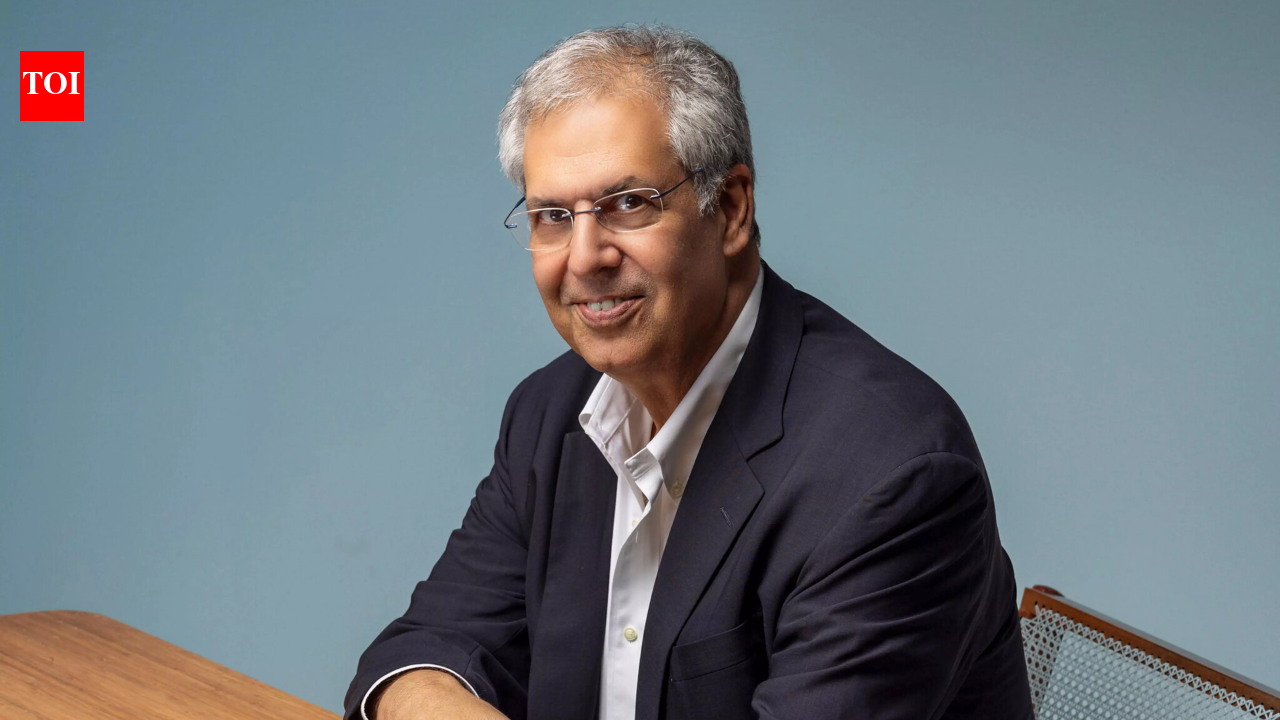
MUMBAI: Noel Tata has voted against the reappointment of Venu Srinivasan and Vijay Singh as trustees of Tata Education and Development Trust (TEDT), the largest corpus trust within Tata Trusts, in a move that widens fault lines within one of India’s most powerful philanthropic structures. It marks the first time Noel has made his opposition to the duo unequivocal.The vote, the last of four cast on the matter, added to a verdict that had already been sealed when Mehli Mistry became the first to oppose the duo’s extension, shortly after the trusteeship renewal circular was issued.Under TEDT’s governance rules, reappointments require unanimous consent among trustees – a threshold that had already been foreclosed by Mehli’s vote. Jehangir Mistry subsequently voted against both men as well. Srinivasan and Singh had each voted for the other. The tally stood at 3-1 against each of them.
Noel’s vote signals widening of Tata Trusts rift since ’25
Their tenures in an influential Tata trust that supports projects in India and abroad, formally expired on Sunday, May 10. Noel Tata voting against Srinivasan and Singh significantly curtails influence of both men within wider Tata Trusts ecosystem, even as they remain vice-chairmen of the Sir Dorabji Tata Trust (SDTT) and Sir Ratan Tata Trust (SRTT) — the two apex trusts that together hold controlling stake in Tata Sons.The rift between Noel and the duo deepened after Srinivasan and Singh publicly backed a listing of Tata Sons, a move Noel opposed. In an email to Tata Trusts CEO, Mehli said “My affidavit in response to the board composition change report for SDTT explains the reasons why I chose to take such a decision.” According to the affidavit, Noel, Srinivasan and Singh had wrongly voted against him at SDTT. He also said that Srinivasan had taken part in the vote even though his term had already ended at SDTT. TEDT, with a corpus of Rs 5,600 crore, has been among the most prominent Indian donors to Ivy League institutions, including Harvard Business School and Cornell University, and owns and operates two cancer hospitals in India while supporting 17 others through grants.Following the board changes, Noel remains chairman and perpetual trustee of TEDT. Mehli continues in his role as perpetual trustee, while Jehangir holds a fixed-term trusteeship. With Srinivasan and Singh’s departure, TEDT now sits at the minimum threshold of three trustees permitted under its deed. An email sent to Noel did not elicit a response. The vote is the latest and most visible expression of a fracture within Tata Trusts that has been widening since late 2025. Established by former Tata Trusts chairman Ratan Tata in 2008, TEDT is perhaps the only trust within Tata Trusts that can support social projects in India and abroad.


Mother’s Day was a chance to get close for Cardi B, Stefon Diggs
Cyber-crime increasingly coming with threats of physical violence
No border delays for Brits heading to Greece over summer, tourism minister says

-

 Politics1 week ago
Iran weighs US reply delivered via Pakistan as Trump signals opposition to deal terms
-

 Fashion1 week ago
AAFA pushes for swift US House passage of key anti-counterfeiting law
-

 Fashion1 week ago
US’ J.Jill, Inc. appoints Kimberly Wallengren as CMO
-

 Fashion1 week ago
US cotton export sales show strong recovery, Upland rise 36%
-

 Sports1 week ago
Sajid Ali Sadpara summits world’s fifth-highest peak
-

 Tech6 days ago
DHS Demanded Google Surrender Data on Canadian’s Activity, Location Over Anti-ICE Posts
-

 Fashion1 week ago
ICE cotton witnesses sharp rise on weaker dollar, strong exports
-
 Business1 week ago
Heineken to invest £44.5m in hundreds of pubs creating 850 jobs