

Business
Lights, camera, investment: From buying movies to co-owning it – Hollywood pushes into Indian cinema – The Times of India


Foreign studios are stepping up their game in India’s entertainment market as cinema revenues recover and streaming platforms grow. According to industry insiders, this marks Hollywood’s “second wave” in the country, with global players now moving beyond just distributing films to actively producing and co-owning Indian-language projects.Amazon MGM Studios has announced plans to release three to four Indian films in theatres each year from 2026, before they appear on Prime Video.
“While our core business is streaming, we believe in the theatrical window and the magic of theatres,” said Nikhil Madhok, head of originals at Prime Video India and Amazon MGM Studios. “Depending on the kind of film that we are producing, we take a joint call with our creators in terms of which project can go to theatres first,” he further told ET.Warner Bros. Pictures is teaming up with Bhanushali Studios and JOAT Films in a five film deal, to develop Indian adaptations of classic Warner titles. Under the agreement, Warner will provide intellectual property and global distribution support, while the Indian studios will lead creative and production decisions.Meanwhile, Universal Studios, part of Comcast, is reportedly planning an indoor theme park near Delhi. The studio has also held early discussions with Excel Entertainment, founded by Farhan Akhtar and Ritesh Sidhwani, about a potential partnership, though nothing has been finalised.“Global studios are renewing their focus on Indian cinema, moving from distribution to local production,” Nitin Menon, managing partner at NV Capital told ET. “Amazon MGM’s Superboys of Malegaon, Nishaanchi and Mirzapur mark a shift toward theatrical storytelling. Warner Bros.’ partnership, coinciding with Paramount’s potential acquisition, could unlock capital for deeper expansion. Universal may follow with co-productions as Hollywood recalibrates its India playbook. Theatres are back in focus, though Netflix remains committed to digital-only releases.”According to Ormax, India’s box office collections for 2025 have reached ₹9,409 crore as of September, up 18% from last year. The country also has 601 million OTT users, including 148 million paying subscribers.After pandemic lows, multiplex attendance and ticket sales are rising across languages. Streaming continues to grow, creating a twofold revenue model for films: theatrical runs plus digital licensing. For studios, local productions also allow them to create intellectual property that can generate music, merchandising, and streaming revenue globally.“Hollywood’s second wave in India is about reducing risk, not planting flags,” said Adi Tiwary, a Sydney-based producer. Tiwary further told ET, “The trend is to build with Indian partners, use library IP to de-risk, and let theatrical and streaming work in tandem. Hollywood has learned that India rewards local muscle and disciplined windowing.”Neeraj Vyas, CEO of Bhanushali Studios, added, “They’re re-entering cautiously, focusing on mid-budget, locally rooted films rather than big productions. With cost rationalisation underway in the US, it’s about testing the waters and understanding audience shifts.”10 years ago, Hollywood studios largely operated in India through distribution deals, buying completed films for high guarantees. However, today global players are co-developing stories and co-owning intellectual property, aiming to build franchises that can be marketed worldwide.“The foreign studio model has matured from buying content to co-owning it,” said Suniel Wadhwa, co-founder of Karmic Films.
Heineken has announced a substantial investment exceeding £44 million into hundreds of its pubs across the UK, a move expected to create approximately 850 jobs.
The Dutch brewing giant’s Star Pubs operation, which manages 2,350 sites nationwide, is undertaking this significant financial commitment despite a challenging period for the pub sector.
The industry has faced considerable pressure over the past year, grappling with escalating labour costs and increases in national insurance contributions.
Concurrently, consumer spending has been constrained by concerns over inflation and rising unemployment, further impacting pub revenues. However, pubs did receive additional business rates support from the government last month, aimed at alleviating some of these financial burdens.
Lawson Mountstevens, managing director of Star Pubs, indicated that the investment strategy is partly designed to bolster revenues and help the group navigate the recent “sustained increases in running costs”.
This year, £44.5 million will be allocated to upgrades for 647 pubs. A notable 108 of these venues are earmarked for particularly significant cash injections, with each transformation costing at least £145,000.
Heineken clarified that while the majority of its pubs are group-owned, they are independently operated by local licensees. A key focus for this investment, particularly in the lead-up to the 2026 football World Cup, will be on sports-focused venues.
The pub firm and brewer has a history of significant investment in British pubs, having pumped £328 million into the sector since 2018. Work has already commenced at 52 locations, including eight projects dedicated to reopening boarded-up pubs that have endured lengthy closures.
Mr Mountstevens also urged the government to reduce the tax burden on pubs, arguing it would ease cost pressures and foster further job creation within the industry.
He stated: “We can only do so much; the root-and-branch reform of business rates that the industry has been calling for over many years is urgently required, as well as a lowering of the burden of taxation on pubs, including VAT and beer duty.”
He concluded with a direct appeal: “We are calling on the Government to support us in bringing out the best in the Great British pub.”
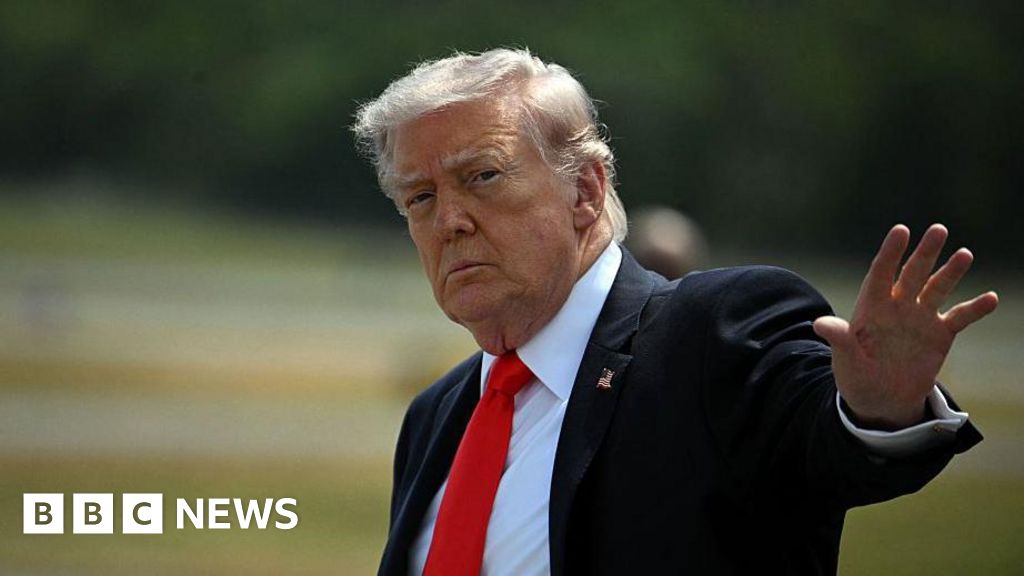
It comes as the US said on Monday it will begin to help “guide” vessels out of the Strait of Hormuz.
Source link
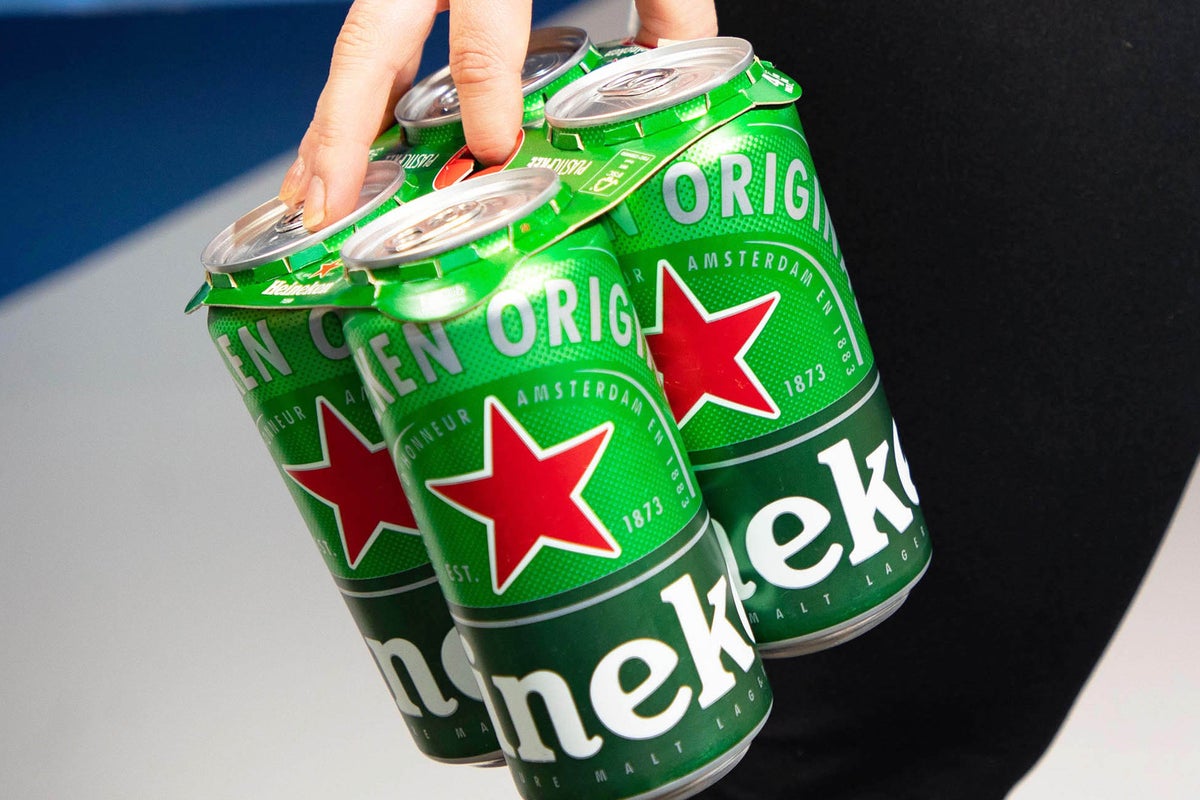
Heineken has revealed plans to invest more than £44 million into improvements for hundreds of its UK pubs.
The Dutch brewing giant said the cash injection into its Star Pubs operation, which runs 2,350 sites across the UK, will create around 850 jobs.
The major investment plan comes despite a challenging backdrop for the pub sector.
Pubs have come under pressure from rising labour costs and increases to national insurance contributions over the past year, while consumer spending has also come under pressure with concerns over inflation and rising unemployment.
However, pubs received additional business rates support from the Government from last month to help ease their cost pressures.
Lawson Mountstevens, Star Pubs’ managing director, said the company’s investment plan is partly aimed at boosting revenues to help the group cope with the recent “sustained increases in running costs”.
The plans will see the business invest £44.5 million this year into upgrades for 647 of its pubs.
It said 108 of its venues will see particularly significant cash injections, with these all set for transformations costing at least £145,000.
Heineken said the majority of pubs are owned by the group but independently operated by locals, with sports-focused venues an emphasis for investment in the run-up to the 2026 football World Cup.
The pub firm and brewer said it has pumped £328 million into British pubs since 2018.
It has already started work in 52 locations, including eight projects where it is reopening boarded-up pubs which have suffered from lengthy closures.
Mr Mountstevens urged the Government to reduce the tax burden on pubs to help ease the cost burden and support more job creation in the industry.
He said: “We can only do so much; the root-and-branch reform of business rates that the industry has been calling for over many years is urgently required, as well as a lowering of the burden of taxation on pubs, including VAT and beer duty.
“We are calling on the Government to support us in bringing out the best in the Great British pub.”

Heineken to boost British pubs with £44 million investment before World Cup

India aligns RoDTEP schedules with amended customs tariff

Emily Blunt celebrates as ‘Devil Wears Prada 2’ dominates box office

-

 Tech7 days ago
A Brain Implant for Depression Is About to Be Tested in Humans
-

 Tech1 week ago
Almost 90% of women leave tech industry within 10 years | Computer Weekly
-
 Business1 week ago
Pakistan’s oil market is fuelling the crisis | The Express Tribune
-
 Business7 days ago
‘I had £20,000 stolen and had to fight a 13-month fraud reporting rule to get it back’
-

 Sports6 days ago
Pro wrestling star Steph De Lander reveals how colleague’s advice helped lead her to title triumph at ACW
-

 Entertainment7 days ago
Norway joins Type 26 Frigate Programme to boost NATO naval power
-

 Entertainment7 days ago
Melania Trump says ABC should ‘take a stand’ on late-night host Kimmel
-

 Tech6 days ago
This Ambitious Laptop Doesn’t Leave Much Room for Your Hands