

Fashion
Section 301 tariffs to tackle China’s practices ineffective: US AAFA

In a letter to Philip Butler, chair of the Section 301 Committee of the Office of the US Trade Representative, Beth Hughes, AAFA vice president for trade and customs policy, said the association
US trade body AAFA recently said it does not believe the application of the Section 301 tariffs to remedy China’s ‘harmful’ trade practices and policies has been an effective tool.
It recommended the US administration to determine if any of the exclusions listed should qualify for permanent or more-longer term exclusion periods to give US companies more predictability.
strongly supports the extension of the current China 301 exclusions, which are set to expire on November 29 this year, and recommended the US administration to determine if any of the exclusions listed should qualify for permanent or more-longer term exclusion periods to give US companies more predictability.
Close to 97 per cent of apparel, footwear and related goods sold in the United States today
are imported. Yet the United States maintains high duties on these products—some of the highest levied on any product—adversely affecting US consumers who ultimately pay those duties in the form of higher prices, the letter noted.
“Although the average trade weighted tariff rate imposed on all products was approximately 2.35 per cent in 2024, the average trade weighted tariff rate in 2024 on knit apparel was 14.90 per cent, woven apparel 14.29 per cent, footwear 12.25 per cent, home textiles 8.70 per cent, and 13.85 per cent on travel goods.1 Moreover, the amount of tariffs collected on imports of US apparel, footwear, textiles, and travel goods in 2024 exceed $18.3 billion,” the letter said.
This burden falls disproportionately on products imported by the sector, even though many of these products are no longer made in commercial quantities in the United States, AAFA observed.
Fibre2Fashion News Desk (DS)









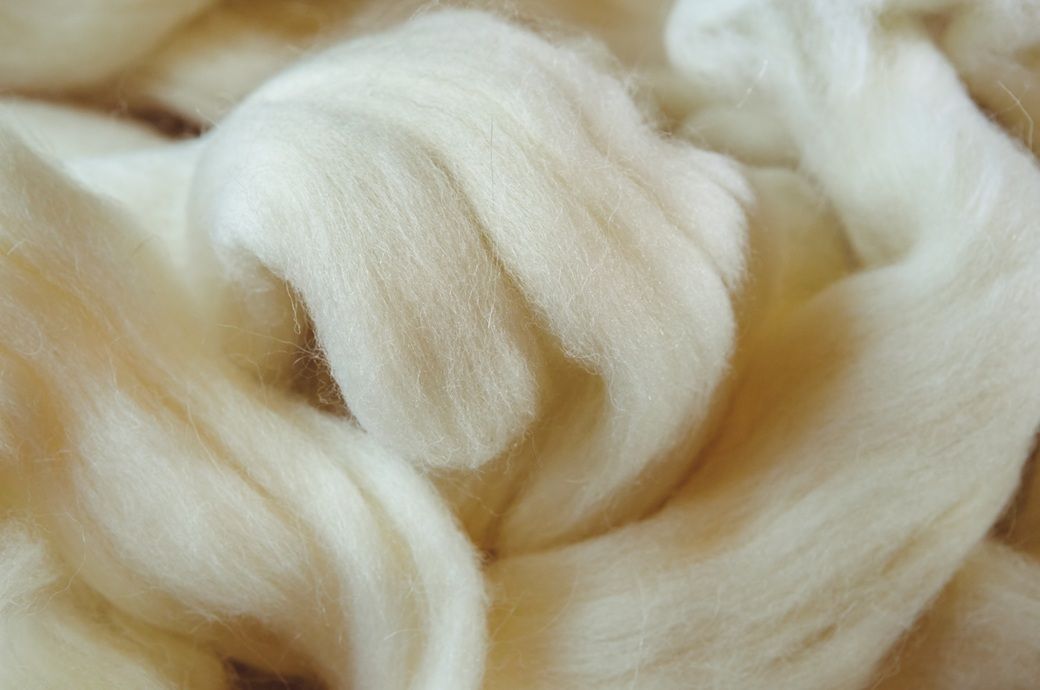
“The price weakness was most evident in the 18.5–21 micron Merino fleece range, particularly in Southern and Western regions, where declines of 40–60 cents were recorded. Crossbred wool prices also eased, while the Northern market showed some firmness in 20–21 microns,” said Australian Wool Innovation (AWI) in its week 39 commentary.
Australian wool prices declined this week, with the Eastern Market Indicator (EMI) falling 27 cents to 1,724 c/kg amid buyer caution and rising logistics costs.
Weakness was led by Merino fleece, while crossbreds also eased.
Strong auction volumes and increased supply reduced competition, signalling a pause after sustained price gains.
Market sentiment was impacted by increased supply, with offerings nearing 40,000 bales. Pass-in rates stood at 9 per cent nationally and over 13 per cent in the West, signalling growing seller resistance. Despite lower annual production, supply levels remain elevated, partly supported by broker and farm-held stocks, the AWI commentary noted.
Rising freight costs linked to Middle East tensions and sustained supply are expected to test market stability. Around 37,815 bales are scheduled for sale next week, the AWI commentary added.
Fibre2Fashion News Desk (CG)
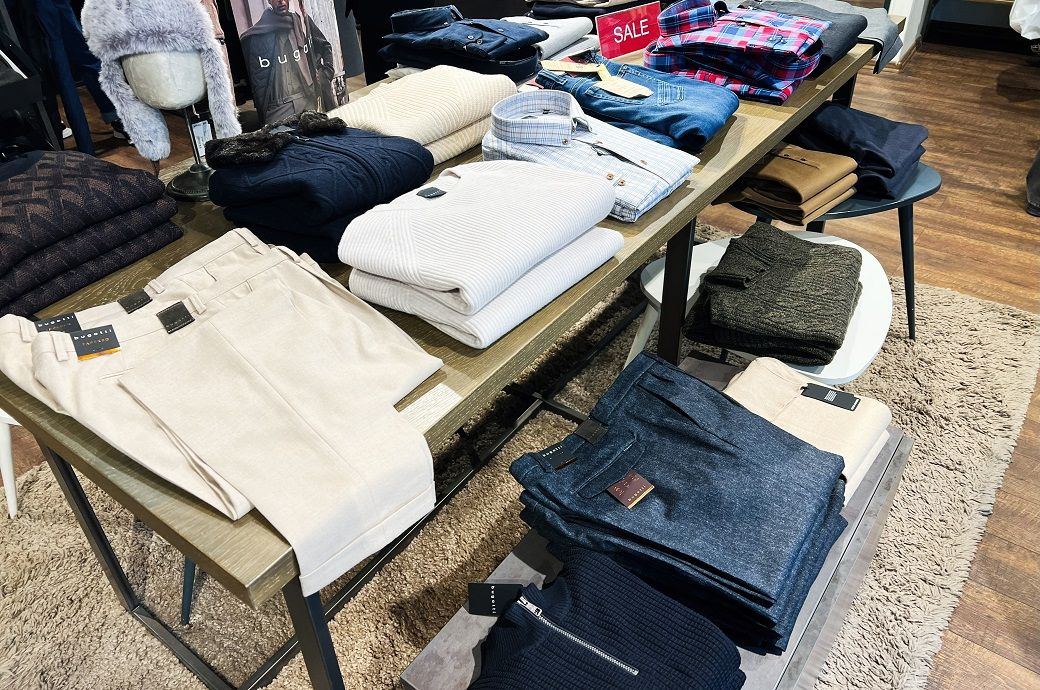
Ukraine’s apparel imports increased from $***.*** million in **** and $***.*** million in ****, reflecting a steady recovery in demand. However, Turkiye’s exports dropped to $***.*** million in ****, reducing its share to **.** per cent from **.** per cent in **** and a dominant **.** per cent in ****, when it was the leading supplier, according to *fashion.com/market-intelligence/texpro-textile-and-apparel/” target=”_blank”>sourcing intelligence tool TexPro.
China emerged as the top supplier in ****, with shipments valued at $***.*** million, accounting for **.** per cent of total imports, only marginally higher than **.** per cent in ****. Bangladesh continued its strong growth trajectory, supplying $***.*** million and capturing a **.** per cent share, up significantly from **.** per cent in ****.



MLB faces a historic shift as potential lockout, media rights and other league changes loom

Amazon’s Spring Sale Is So-So, but Cadence Capsules Are a Bright Spot

Lahore Qalandars crush Hyderabad Kingsmen in PSL 11 opener – SUCH TV

-
 Fashion1 week ago
Sales at US apparel, clothing accessories stores up 4% YoY in Jan 2026
-

 Tech1 week ago
Justice Department Says Anthropic Can’t Be Trusted With Warfighting Systems
-
 Fashion1 week ago
Spain’s Inditex FY25 sales rise 3.2% to $46.28 bn amid strong demand
-

 Sports1 week ago
March Madness 2026 – How to watch in SA, start time, schedule, TV channel for NCAA championship basketball tournament
-

 Politics1 week ago
Iran strikes Tel Aviv with cluster-warhead missiles in retaliation of Larijani’s martyrdom
-

 Entertainment1 week ago
With few new leads 45 days after Nancy Guthrie’s disappearance, investigation “becomes much harder,” expert says
-

 Entertainment1 week ago
Val Kilmer revived 1 year after death through AI
-
 Business1 week ago
Brits cashing in jewellery as gold price hits record high