

Sports
Alleged mob ties in NBA scandal recall La Cosa Nostra’s long shadow over sports

NEWYou can now listen to Fox News articles!
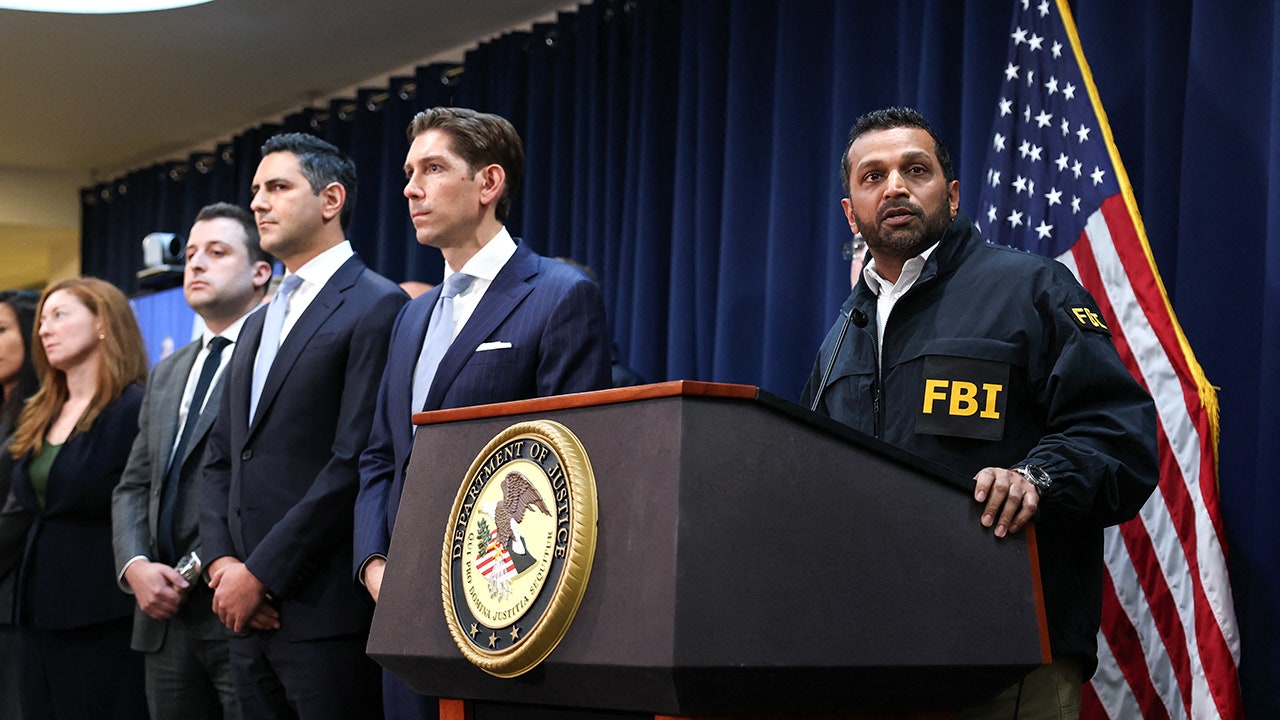
The Federal Bureau of Investigation (FBI) announced the arrest of 34 individuals, including Portland Trail Blazers head coach Chauncey Billups, Miami Heat guard Terry Rozier and former NBA guard and coach Damon Jones, as part of a widespread investigation into an illegal gambling scheme.
FBI Director Kash Patel confirmed at a news conference in New York on Thursday that the investigation was tied to a probe involving members of the La Cosa Nostra crime families focused on an illegal gambling operation and sports-rigging operations that “spanned the course of years.”
“Not only did we crack into the fraud that these perpetrators committed on the grand stage of the NBA, but we also entered and executed a system of justice against La Cosa Nostra to include the Bonanno, Gambino, Genovese, and Lucchese crime families.”
CLICK HERE FOR MORE SPORTS COVERAGE ON FOXNEWS.COM
“It takes courageous prosecutors to stand before you and say, we will not allow this kind of illicit activity to happen, not only at the national sporting level, but also where it hides in La Cosa Nostra,” Patel added. “And when these two collided together, they perpetrated a fraud that is historic in terms of not just money, but the scheme and the deceit that they utilize to steal and swindle people from money to include crypto fraud.”
NBA coach Chauncey Billups of the Portland Trail Blazers and Miami Heat guard Terry Rozier were arrested on Thursday for alleged involvement in illegal gambling. Billups, a former Detroit Pistons star and member of the NBA Hall of Fame, was arrested in connection with rigged illegal poker games tied to the Mafia, FBI Director Kash Patel said. Rozier and a former NBA player, Damon Jones, were arrested in a sports betting case, Patel said at a press conference in New York. (ANGELA WEISS/AFP via Getty Images)
U.S. Attorney for the Eastern District of New York Joseph Nocella clarified that two indictments were announced Thursday, both involving fraud. The first focused on sports betting, and the second involved illegal gambling connected to “rigged poker games.”
“These defendants, which include former professional athletes, used high-tech cheating technology to steal millions of dollars from victims in underground poker games that were secretly fixed,” Nocella said. “The games in the New York area were backed by the Bonanno, Gambino, and Genovese crime families of La Cosa Nostra.”
The games were alleged to have taken place in the Hamptons, Las Vegas, Miami, and Manhattan. Nocella alleged that Billups and Jones were used as “face cards” to draw in targeted victims, known as “fish,” looking to play alongside former professional athletes.
NBA PLAYER TERRY ROZIER’S LAWYER SLAMS FBI AFTER ARREST
“What the victims, the fish, didn’t know is that everybody else at the poker game, from the dealer to the players, including the face cards, were in on the scam.”
Nocella said the crime families became involved as a result of having “preexisting control over non-rigged illegal poker games” in New York. Of the 34 defendants, 13 are alleged members and associates of the Bonanno, Gambino and Genovese crime families, including high-ranking “capos and soldiers from these families.”
La Cosa Nostra
According to the FBI, the La Cosa Nostra (LCN) crime families evolved from the Sicilian Mafia and are a New York-based network consisting of five “families”: Bonanno, Colombo, Gambino, Genovese and Lucchese. Its prevalence in the United States dates back to the 1920s.
Other cities with active LCN ties include Philadelphia, Detroit, and Chicago, and the New England area.
Among the alleged crimes these organizations are said to be involved in, several notable cases have involved major sports scandals. In the United States, there is a long history of sports betting and match-fixing crimes that have been tied to organized crime, both directly and indirectly.
Boxing 1950s-1960s
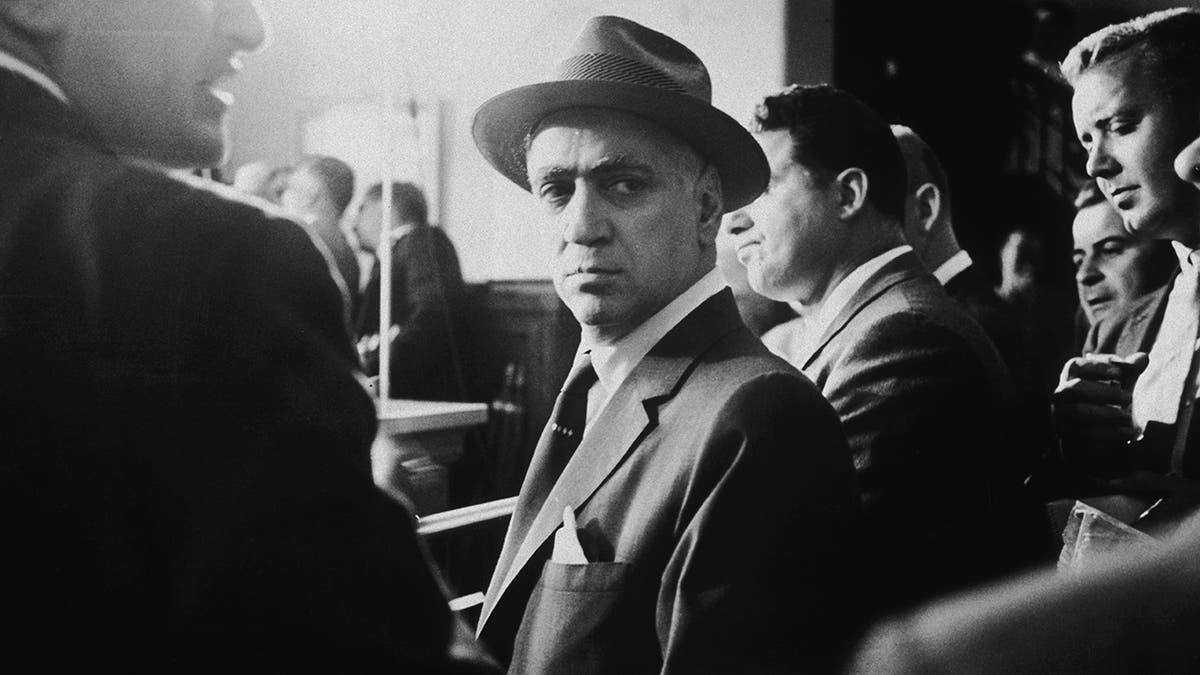
American gangster and boxing manager Frank Carbo leaving the Beach Street police station in New York after receiving a 10-point indictment over irregularities in his professional boxing affairs on Aug. 7, 1959. (Neal Boenzi/New York Times Co./Hulton Archive/Getty Images)
Frank “Frankie” Carbo, a known Lucchese soldier, and his longtime partner Frank “Blinky” Palermo were convicted in 1961 of extortion and conspiracy after using threats and intimidation to control world welterweight champion Don Jordan. The case exposed the mob’s control over the sport at the time, highlighted by Carbo and Palermo’s influence over fighters and promotions. The convictions were later upheld, and the case exposed deep corruption that, decades later, helped spur reform movements culminating in the Professional Boxing Safety Act of 1996 and the Muhammad Ali Boxing Reform Act of 2000.
HEAT’S TERRY ROZIER ARRESTED AS PART OF FBI SPORTS BETTING PROBE
1951 college basketball point-shaving scandal
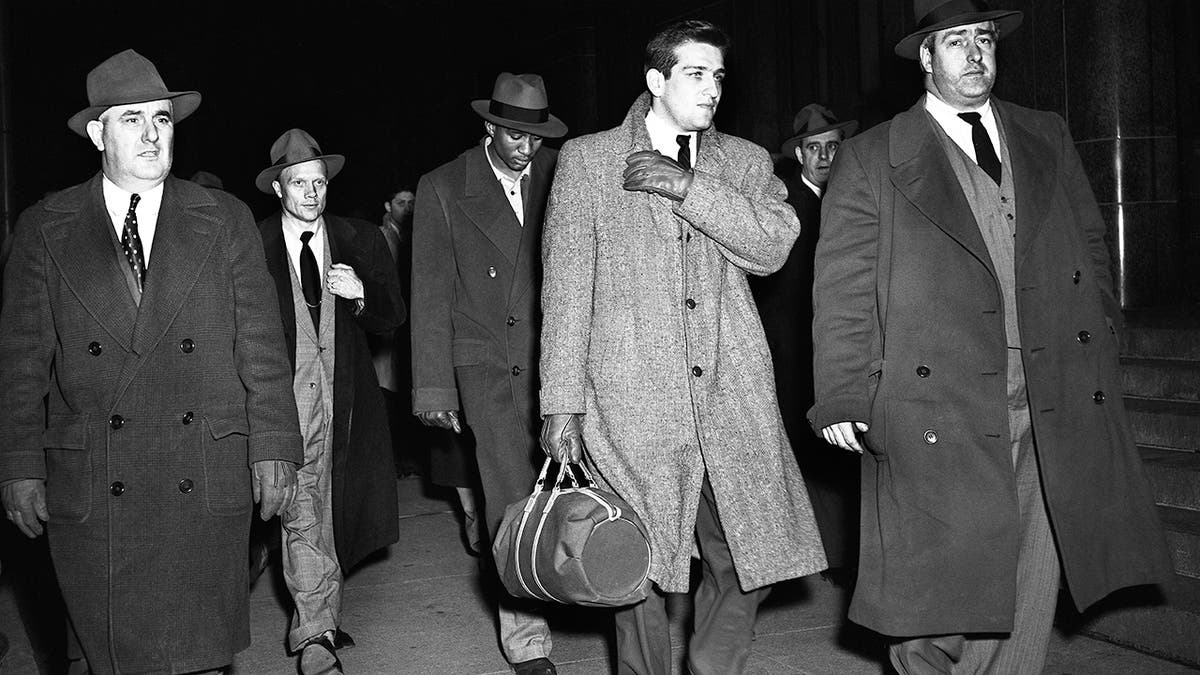
Two city college basketball stars, Al Roth (foreground) and Ed Warner (with hat) are escorted by detectives into the Elizabeth Street Station House for booking on charges of bribery. Police said that the two Beaver stars, along with teammate Ed Roman and three other men, had confessed their parts in a new basketball fix scandal, involving the “throwing” of several city games this season. (Bettmann Archive/Getty Images)
The Manhattan District Attorney’s Office in New York uncovered a widespread point-shaving scheme involving players from several major programs, including City College of New York (CCNY) and Long Island University (LIU), who accepted bribes connected to organized crime gambling syndicates in New York. The investigation resulted in more than 30 indictments and led to prison time for key figures and lifetime bans from the NBA for players involved. No specific crime family was ever formally charged in the case, but one of the main fixers, Salvatore T. Sollazzo, was reported to have known ties to New York’s underworld gambling network.
Boston College men’s basketball point-shaving scandal
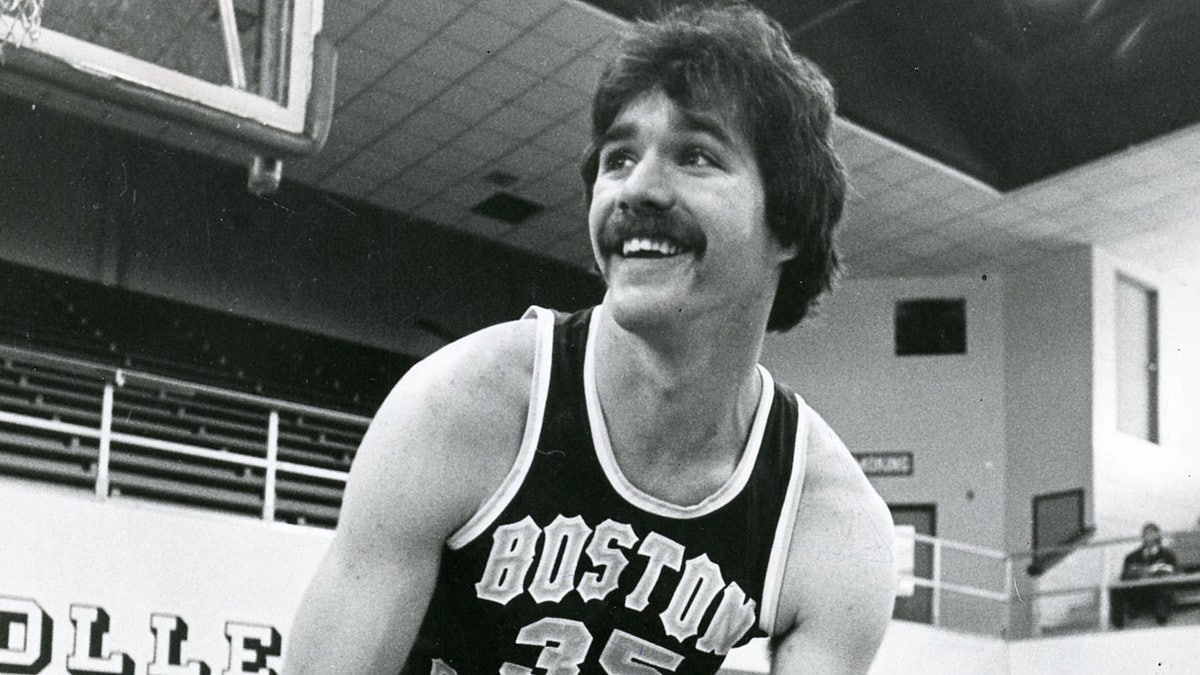
Rick Kuhn (#35) during Boston College men’s basketball’s 1978-1979 season. (Joe Dennehy/The Boston Globe via Getty Images)
One of the clearest examples of La Cosa Nostra’s reach in sports was the 1978-79 scandal involving Boston College and two associates of the Lucchese crime family. The two associates, Henry Hill and James “Jimmy the Gent” Burke, paid players thousands of dollars to manipulate game scores for betting profits during that season with the help of Pittsburgh bookmaker Paul Mazzei. The FBI’s investigation and federal prosecution led to multiple convictions, including Boston College player Rick Kuhn, who was sentenced to 10 years in prison. Burke was sentenced to 12 years, but Hill avoided direct prosecution for the scandal in exchange for his cooperation with authorities.
CLICK HERE TO DOWNLOAD THE FOX NEWS APP
Several other illegal sports betting and gambling operations linked to crime families in New York have been prosecuted over the years. This year, five members and associates of the Lucchese crime family pleaded guilty to running an illegal online betting operation that collected an estimated $1 million annually over several years of operation. In 2024, 17 individuals tied to the Gambino family were indicted for a sports gambling operation that handled over $22 million in illegal bets, the Office of the New York State Attorney General announced at the time.
Follow Fox News Digital’s sports coverage on X, and subscribe to the Fox News Sports Huddle newsletter.









The playing control teams for the April 28 qualifier, April 29 eliminator 1 and May 1 eliminator 2 of the HBL Pakistan Super League 11 have been appointed, the Pakistan Cricket Board announced on Tuesday.
Member of ICC Elite Panel of Match Referees Sir Richard Richardson will lead the playing control team for the qualifier between Peshawar Zalmi and Islamabad United at the National Bank Stadium, Karachi.
Earlier, he made his HBL PSL debut as the match official on April 15 and will bow out for this season, having officiated 10 games.
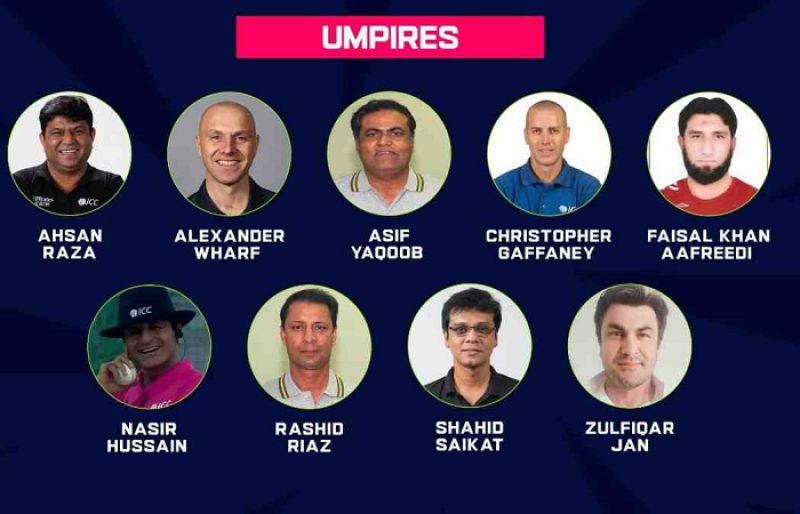
Christopher Gaffaney of New Zealand will be joined by Alexander Wharf of England as an on-field umpire for the qualifier. Both are part of the ICC Elite Panel of Umpires.
Faisal Khan Aafreedi, ICC International Panel Umpire, will serve as the third Umpire, while PCB’s National Elite Panel Umpire Zulfiqar Jan will be the fourth umpire for the all-important 41st HBL PSL 11 match.
Roshan Mahanama of Sri Lanka will lead the playing control team in both eliminators.
He has the honour of officiating in all 11 HBL PSL seasons, and his tally of games as match referee in the league currently stands at 127.
In the Hyderabad Kingsmen v Multan Sultans eliminator 1 in Lahore, ICC Elite Panel Umpire Shahid Saikat from Bangladesh will join ICC Emerging Panel Umpire Asif Yaqoob as on-field Umpire, while Rashid Riaz Waqar of ICC Emerging Panel of Umpires will be the third Umpire.
Nasir Hussain of ICC International Panel of Umpires will perform duties as the fourth Umpire.
The eliminator 2 on May 1 between the winner of eliminator 1 and the losing team of qualifier will be officiated on-field by ICC Elite Panel Umpires Ahsan Raza and Shahid Saikat, while Asif Yaqoob and Rashid Riaz will carry out the duties of third and fourth Umpire, respectively.
The match officials for the highly anticipated May 3 final will be announced in due course.
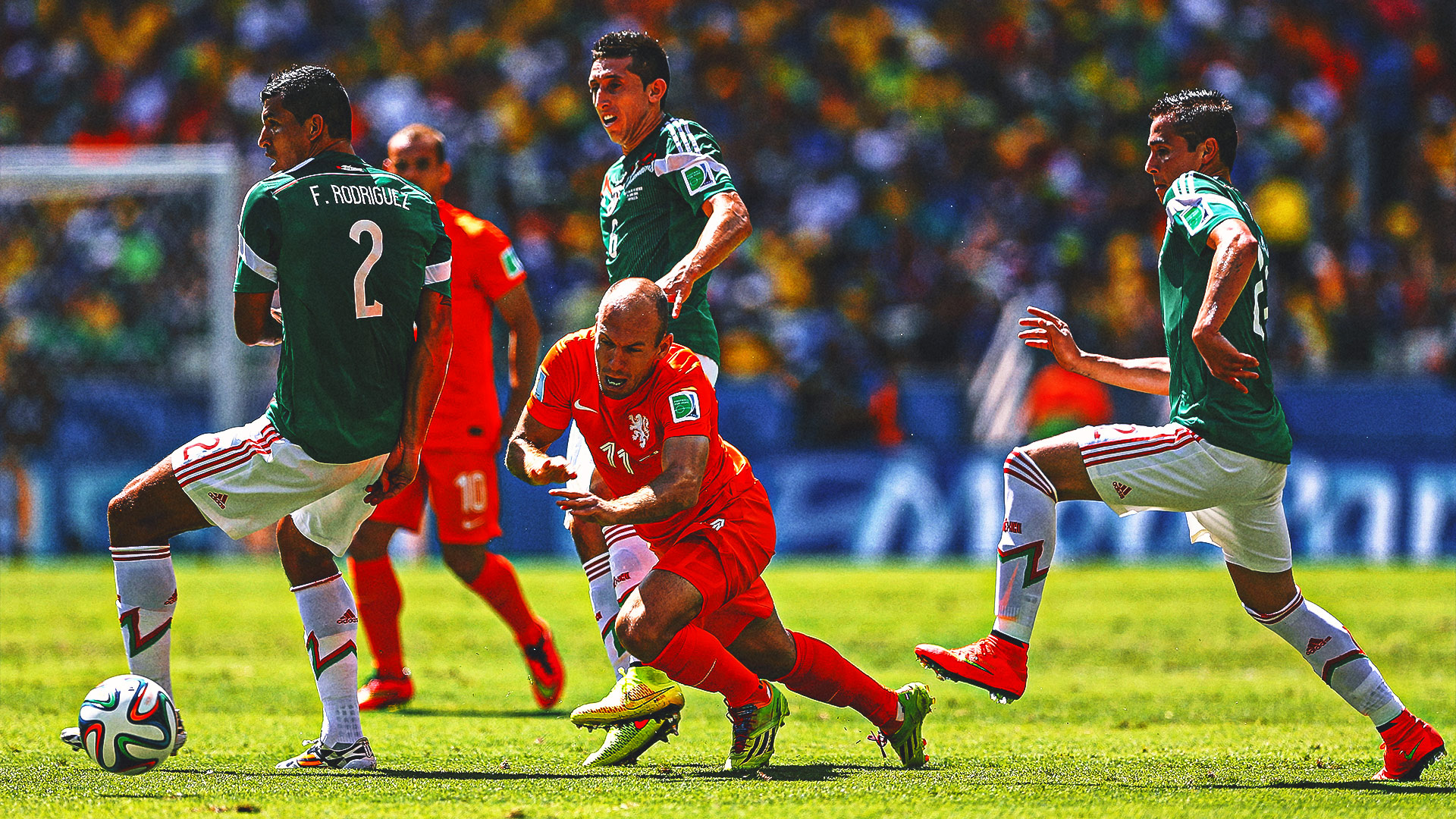
NEWYou can now listen to Fox News articles!
The most pressure-packed scoring opportunity in soccer might be the one where no one is defending: the penalty kick.
A goal is almost certain, so long as you keep a cool head and beat the goalkeeper. Simple enough, right?
But what exactly is a penalty kick, and how is it awarded? Here’s everything you need to know about the penalty kick ahead of the 2026 FIFA World Cup:
What Is A Penalty Kick?
A penalty kick — or “PK” — is a one-on-one duel between a field player and a goalkeeper in which the field player tries to score a direct kick from the penalty spot.
How Is A Penalty Kick Awarded?
A penalty kick is awarded when a player commits a foul — tripping, pushing or a handball — inside the penalty area, which is a large 18-yard box that extends from the goal line into the field of play. The total width of the box is 44 yards.
A penalty can be awarded in the run of play or during a Video Assistant Referee check.
Who Takes The Penalty Kick?
The designated penalty taker is usually predetermined based on a player’s proven ability to score, from the penalty spot or otherwise. For example, Harry Kane, the active leading goalscorer for England, is the designated penalty taker for the Three Lions.
How Far Is The Penalty Spot?
The penalty is 12 yards from the center of the goal line, meaning that there are just 12 yards that separate the penalty taker and the goalkeeper at the time of a penalty kick.
What Are The Rules For The Penalty Taker?
The penalty taker is given freedom to confuse the goalkeeper during their run-up to the kick so long as:
- The penalty taker doesn’t attempt a fake kick or a “feint” while attempting to strike the ball AND
- The penalty doesn’t make contact with the ball more than once during their attempt.
If a penalty taker participates in illegal feinting, they will be cautioned and an indirect free kick will be awarded to the opposing team.
If a penalty taker makes contact with the ball more than once during their attempt and the attempt is successful, the penalty kick will be retaken. If it isn’t, it will be recorded as a miss and play will resume.
What Are The Rules For The Goalkeeper?
The goalkeeper must follow three key rules during a penalty kick: face the kicker, stay between the goalposts and keep at least one foot on or over the goal line until the kick.
If a goalkeeper leaves their line during a penalty attempt and the attempt is unsuccessful, it will be retaken. If the attempt is successful, it will result in a goal.
Additionally, goalkeepers may not touch the goalposts, crossbar or netting as an intimidation tactic. Trash-talking is also not permitted.
How Often Are Penalty Kicks Awarded?
There were 23 penalty kicks awarded at the 2022 FIFA World Cup in Qatar, which was six fewer than in 2018. Argentina led all countries in penalty attempts with five, and its designated penalty taker, Lionel Messi, converted all five attempts.
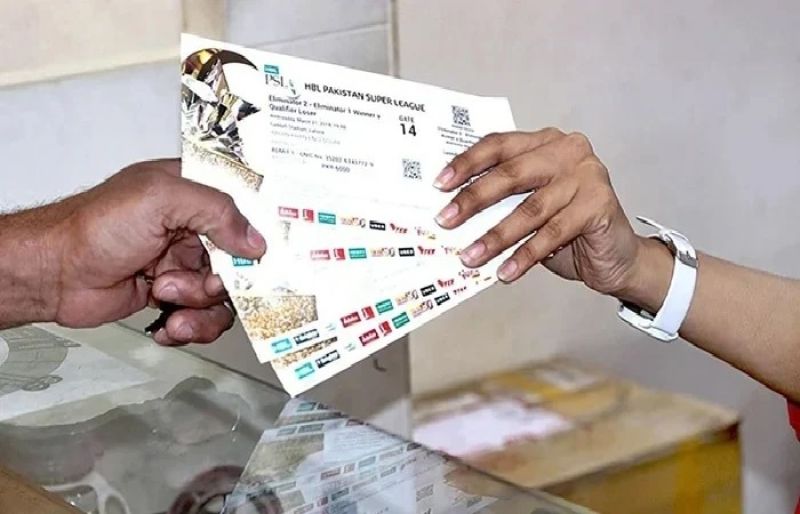
The Pakistan Cricket Board (PCB) has unveiled ticketing information for the Pakistan Super League (PSL) 11 Qualifier between Peshawar Zalmi and Islamabad United, set to take place at Karachi’s National Bank Stadium on Tuesday.
According to the cricket board, E-Tickets for the high-stakes fixture can be purchased from tonight, with prices for all enclosures of the aforementioned venue set at Rs500.
Furthermore, the physical tickets will be available for sale from Tuesday morning and can be bought at the TCS Express Centre at the China Ground situated opposite the venue.
The PCB further advised fans with tickets to reach the stadium “well before the start of play” to avoid any inconvenience. Notably, the coin toss for the Qualifier will take place at 6:30pm as per the Pakistan Standard Time (PST), with the first ball to be bowled at 7pm.
Meanwhile, the ticket details for the remaining two playoffs, set to be played in Lahore, will be announced in due course.
The cricket board announced the ticketing details hours after Prime Minister Shehbaz Sharif granted approval for public attendance in all three playoffs of the ongoing PSL 11.
Taking to X, PCB Chief Mohsin Naqvi said he had a meeting with the premier, during which the cricket board secured his approval for allowing fans in the stadia for the upcoming playoffs of the eight-team tournament.
“Just had a meeting with Prime Minister Shehbaz Sharif, and I’m pleased to share that we have secured his approval for public attendance in all three PSL playoff matches as well,” Naqvi wrote on the microblogging website.


Match officials announced for HBL PSL 11 qualifier – SUCH TV
BP profits more than double as oil trading booms amid Iran war

Buckingham Palace issues ‘disappointing’ update on King Charles amid threat

-

 Sports1 week ago
NCAA men’s gymnastics championship: All-time winners list
-

 Sports1 week ago
WWE WrestleMania 42 Night 2: Live match results and analysis
-

 Fashion1 week ago
UK’s Sosandar returns to profitability amid robust FY26 performance
-

 Politics7 days ago
UK’s Starmer seeks to deflect blame over Mandelson appointment
-
 Business1 week ago
No fuel shortage: Govt assures 100% domestic LPG, PNG, CNG supply amid Hormuz energy crunch – The Times of India
-

 Entertainment1 week ago
Lee Anderson, Zarah Sultana kicked out of UK Parliament for calling PM ‘liar’
-
 Business1 week ago
How Trump’s psychedelics executive order could unlock stalled cannabis reform
-
 Business7 days ago
Us-India Trade Talks: US–India trade deal: Where do talks stand & what to expect – explained – The Times of India