

Entertainment
Diplomatic peak

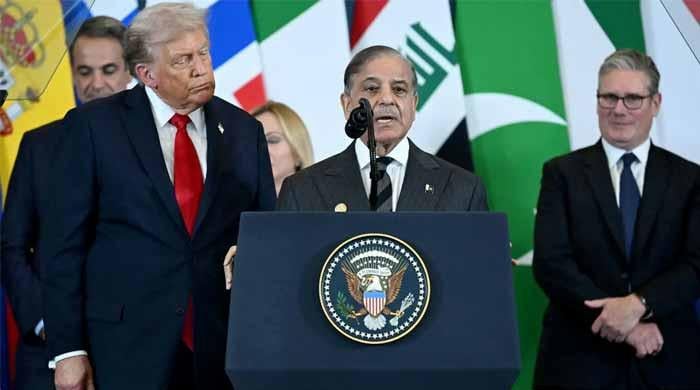
Pakistan is reaching diplomatic heights unseen in its 78-year history. From Riyadh to Baku, from Beijing to Moscow, Pakistan’s handshake now spans continents and commands attention. From Jeddah to Doha, from Astana to Tashkent, Pakistan is anchoring a new arc of trust across the Muslim world. From London to Brussels, from Washington to Beijing, Pakistan is no longer on the margins; it’s back in the conversation.
From isolation to strategic embrace: a US reset unlocks access to multi-billion dollar programmes — EXIM, IMF, World Bank, DFC, IFC. A US reset means cheaper capital, longer tenors and revived investor confidence. A US reset brings technology transfers in energy, digital finance and renewables.
A US reset means $2.5 billion AIM-120 Advanced Medium-Range Air-to-Air Missile (AMRAAM) missiles. A US reset is not just a foreign-policy shift but an economic lifeline wrapped in diplomacy.
There’s $3.5 billion in limited recourse project financing for Reko Diq by the International Finance Corporation (IFC), Asian Development Bank (ADB), US International Development Finance Corporation (DFC), Export-Import Bank (US EXIM), Export Development Canada (EDC), Germany’s KfW IPEX-Bank, Sweden’s EKN and Finland’s Finnvera Oyj.
A landmark Saudi Defence Pact marks Pakistan’s deepest Gulf tie in 78 years. Alongside the pact comes a $3 billion deposit extension, $2 billion worth of investment MoUs and a $1 billion oil facility. A $8 billion manpower-export deal and a China-Pakistan export of diesel-electric ‘Hangor class’ submarine deal (China-Pakistan deal is worth $5 billion).
The year (2025) saw $4.6 billion in JF-17 sales to Azerbaijan (June). 2025 saw a $230 million Sudan pact (May). The year saw $7 billion ML-1 rail confirmation. It saw a $2 billion Karachi-Rohri upgrade. It saw Pakistan-Kazakhstan transit-trade and logistics linkages. The year brought Pakistan-UAE trade escalation target of $20 billion.
Yes, Pakistan is all set to play a central role in shaping the emerging Middle East Security Architecture. Imagine, Pakistan is transitioning from ‘observer’ to ‘architect’.
For a common Pakistani, the $3.5 billion Reko Diq financing and $7 billion ML-1 rail upgrade, alongside $2 billion Karachi-Rohri upgrades, will create 100,000–200,000 jobs in mining, construction and logistics. For a common Pakistani, the $8 billion Saudi manpower-export deal and $20 billion UAE trade target could employ 300,000+ workers abroad. Yes, the $4.6 billion JF-17 sale to Azerbaijan, $230 million Sudan pact and a $2.5 billion AMRAAM deal signal a robust defence sector.
For the first time, Pakistan’s foreign policy, defence exports and economic outreach are moving in sync. For the first time, Pakistan is building alliances, not dependencies.
Imagine, Pakistan now has the ‘protector of the Ummah’ status. Imagine, Riyadh now sees Islamabad not just as a ‘partner in security’, but as a ‘co-architect of regional stability’. Imagine, Pakistan is moving from an ‘aid recipient’ to a ‘security guarantor’. Just imagine, from a ‘security recipient’ to a ‘security partner’.
The dividends of Pakistan’s diplomacy will be visible where it matters most — in employment, energy stability and public morale.
The writer is a columnist based in Islamabad. He tweets/posts @saleemfarrukh and can be reached at: [email protected]
Disclaimer: The viewpoints expressed in this piece are the writer’s own and don’t necessarily reflect Geo.tv’s editorial policy.
Originally published in The News
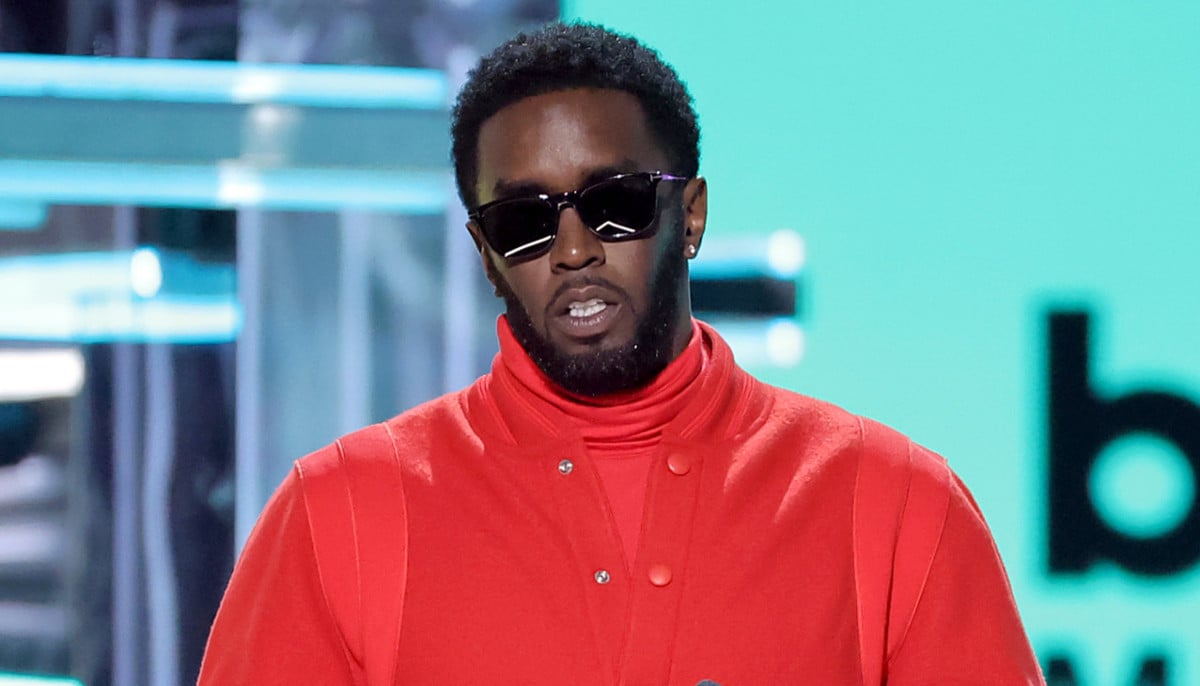
Sean Diddy Combs filed a new appeal in the court for his immediate release with a new argument against his allegedly unfair trial.
The 56-year-old disgraced music mogul presented the argument through his legal team Alexandra Shapiro and Nicole Westmoreland in New York on Thursday, April 9.
They claimed that the Bad Boy Records founder ought to be freed under the First Amendment, according to the details obtained by Page Six.
Shapiro and Westmoreland argued that Diddy was wrongfully convicted under the Mann Act, while he was involved in the creation of independent adult tapes, which is legal under US laws for freedom of speech.
The Last Night rapper’s legal team claimed that the Judge Arun Subramanian who was in-charge of the case, used the wrong allegations against Combs to sentence him strongly.
“We made it abundantly clear. The District Court should not consider the acquitted conduct,” Shapiro said, adding that Combs’ sentence is the “highest sentence ever imposed on a Mann Act defendant under the same-based defence level.”
The attorneys demanded immediate acquittal and release of the music mogul or at least his freedom and resentencing to lesser time.
However, Assistant US Attorney Christy Slavik called the whole argument “meritless” marking the distinction between Diddy and adult filmmakers.
He also doubled down on Judge Subramanian’s “correctly applied” ruling given the “aggravated manner in which [Combs] committed his Mann Act offenses.”
Combs was was convicted of transportation for prostitution in July 2025 after his arrest in September 2024.
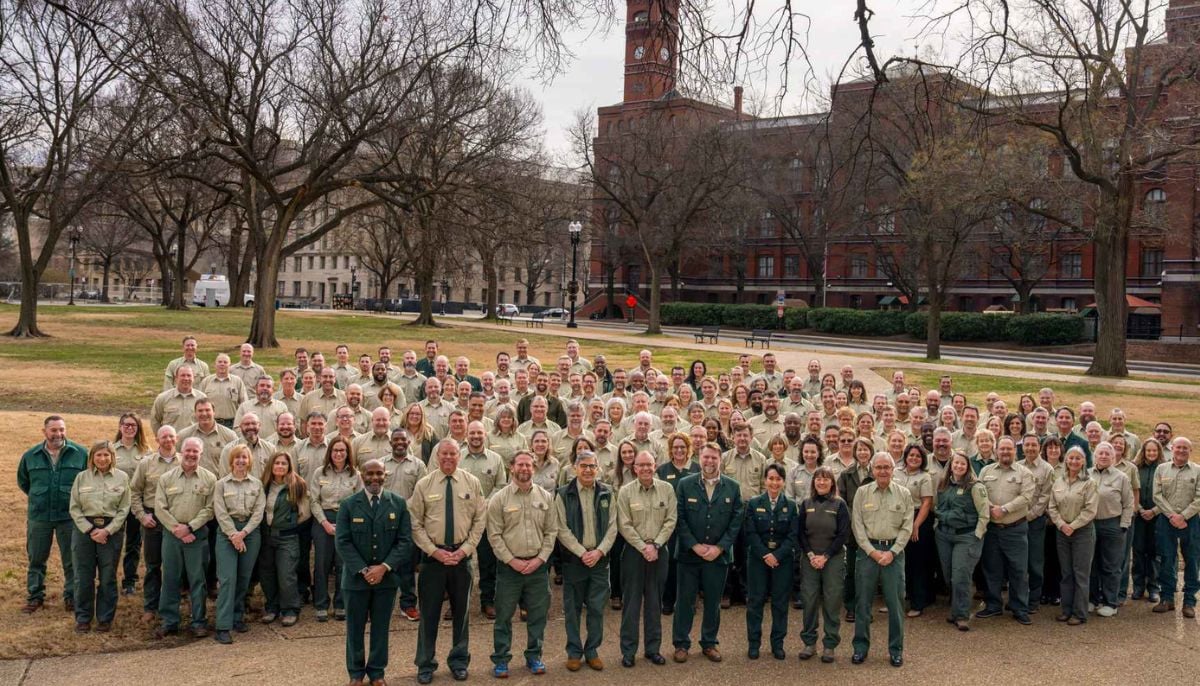
The Trump administration has made a sweeping reorganisation of the U.S. Forest Service.
Critics referred to this as the most catastrophic attack on the 121-year-old agency in its history.
In a major dismantling, the headquarters are shifted to Utah, and all ten regional offices have been shut down.
The restructuring was announced on Tuesday, April 7, via a press release announcing that the Agency’s headquarters are shifting from Washington, DC, to Salt Lake City.
Ten regional centers will be shut down to make way for fifteen political appointees referred to as “state directors.”
Additionally, more than fifty scientific centers located in thirty-one different states will also be abolished. It is important to note that according to scientists, any attempt to relocate the decades’ worth of long-term ecological research will result in its death.
It is believed that there is a systematic effort to demolish. Already, the current government has reduced by over 25% of the number of staff members within the land management agencies. A reduction in the budget for the Forest Service by one-third has been proposed.

Just days before Easter, Meghan Markle was spotted doing something most parents can relate to.
The Duchess was seen scouring the toy aisles for perfect little surprises.
On April 1, the 44‑year‑old quietly slipped into a local children’s shop in Montecito, California, emerging moments later with two bulging brown paper bags.
Inside one bag, eagle‑eyed onlookers spotted a bright box of Magic Castle Sea‑Monkeys, the instant‑life critters that have delighted kids since the ’60s.
And a deck of Magic Rabbit playing cards for filling Easter baskets ahead of the weekend festivities.
HELLO! asked child and adolescent therapist Laura Gwilt of Swift Psychology what Meghan’s toy picks might suggest about her approach to parenting.
Gwilt points out that nostalgic items like Sea‑Monkeys or classic card sets aren’t just fun throwbacks, they’re developmental gold.
“Open‑ended toys like these encourage kids to invent play scenarios rather than follow instructions,” she explains.
That kind of imaginative freedom is strongly linked to creativity, and emotional regulation.
On Easter weekend Meghan shared clips of Archie and Lilibet hunting eggs, decorating them and frolicking in the garden of their Montecito home.

[CinePlex360] Please moderate: “Lindsey Vonn cr

Diddy fights against ‘unfair’ trial with twisted arguments
[CinePlex360] Please moderate: “US fleet is mov

-
 Business1 week ago
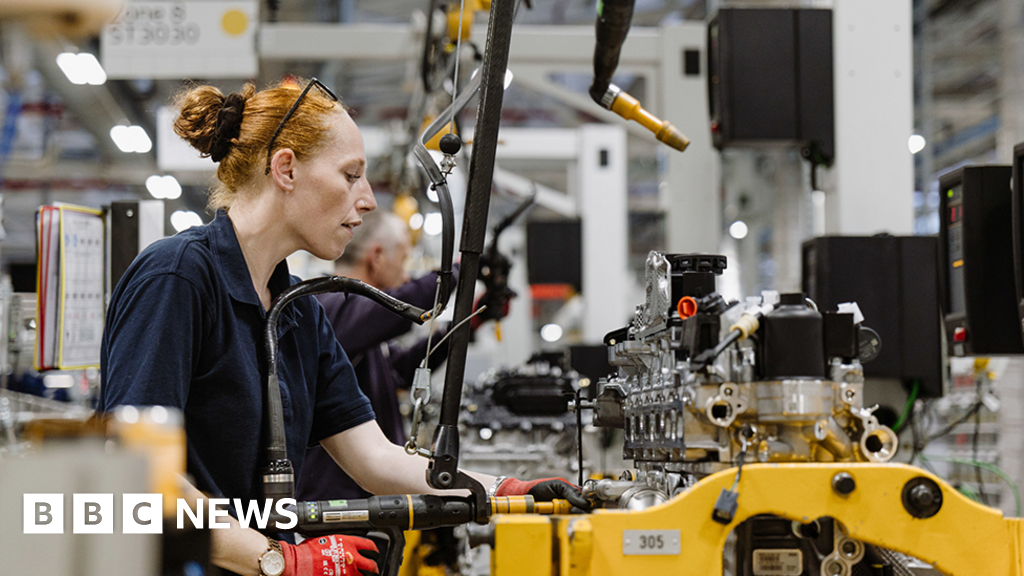
Jaguar Land Rover sees sales recover after cyber attack
-
Uncategorized1 week ago
[CinePlex360] Please moderate: “Trump signals p
-

 Entertainment6 days ago
Joe Jonas shares candid glimpse into parenthood with Sophie Turner
-

 Tech6 days ago
Our Favorite iPad Is $50 Off
-

 Sports6 days ago
UConn Final Four run could trigger a $50M furniture giveaway for Massachusetts-based Jordan’s Furniture
-

 Entertainment6 days ago
Blake Lively reacts to harassment claims dismissal against Justin Baldoni
-

 Fashion1 week ago
China’s Anta Sports posts record $11.62 bn revenue in 2025
-
 Business6 days ago
Video: Why Is the Labor Market Stuck?