

Fashion
Standard Chartered raised Vietnam’s GDP forecast to 7.5% in 2025

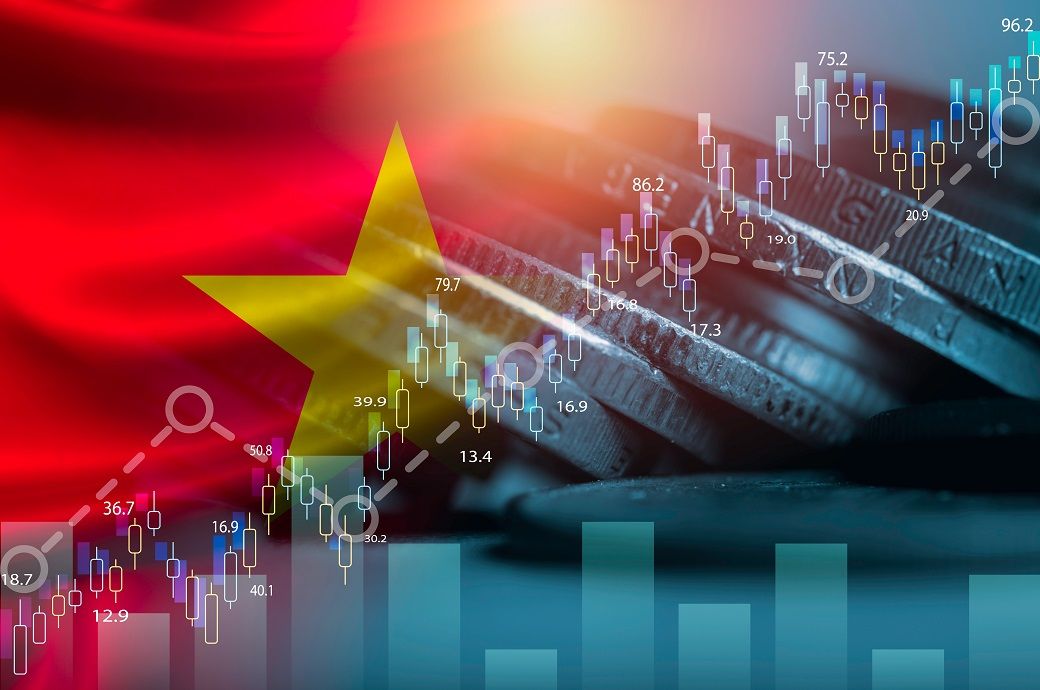
In September 2025, exports totalled $42.7 billion, up 24.7 per cent year-on-year (YoY), while imports increased 24.9 per cent to $39.8 billion. Vietnam continues to strengthen its position in global supply chains, driven by strong trade activity and participation in multiple free trade agreements (FTAs), said Vietnamese media reports citing Standard Chartered Bank’s latest macroeconomic update on Vietnam.
Credit growth surged beyond 15 per cent YoY. Meanwhile, disbursed Foreign direct investment (FDI) climbed 8.5 per cent YoY to $18.8 billion and pledged FDI rising 15.2 per cent to $28.5 billion during the first nine months of 2025.
Standard Chartered has lifted Vietnam’s 2025 GDP growth forecast to 7.5 per cent (from 6.1 per cent) and 2026 to 7.2 per cent (from 6.2 per cent), citing strong momentum and easing inflation.
Exports surged 24.7 per cent YoY in September 2025, while FDI and credit growth also strengthened.
The bank highlighted Vietnam’s growing role in global supply chains and resilient economic performance.
“Vietnam’s resilience and adaptability are evidenced by its successful attraction of strong FDI and robust export growth, solidifying its strategic role in global supply chain diversification and pointing to strong prospects for continued economic expansion,” said Tim Leelahaphan, senior economist for Vietnam and Thailand at Standard Chartered Bank.
Fibre2Fashion News Desk (SG)







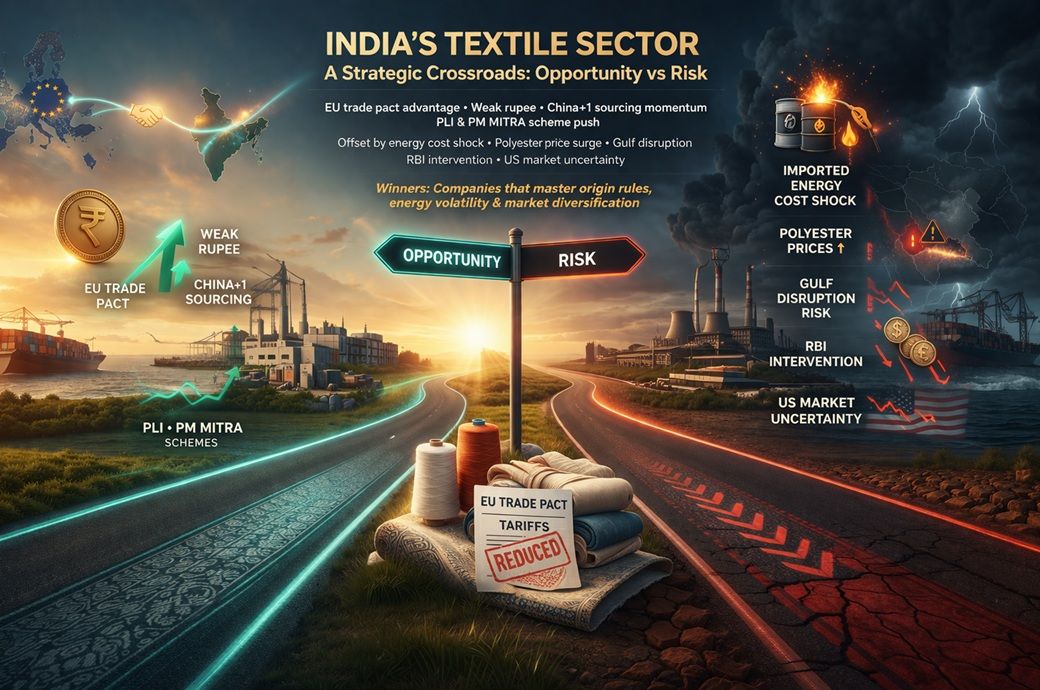
India’s textile outlook is turning structurally complex.
The EU pact targets ~99.5 per cent trade coverage with phased duty relief, while rupee weakness supports exports.
However, crude volatility, >80 per cent import energy dependence, polyester cost inflation and US market softness (≈28 per cent share) are fragmenting performance, reinforcing a shift towards cotton-led, EU-focused exporters.
Source link
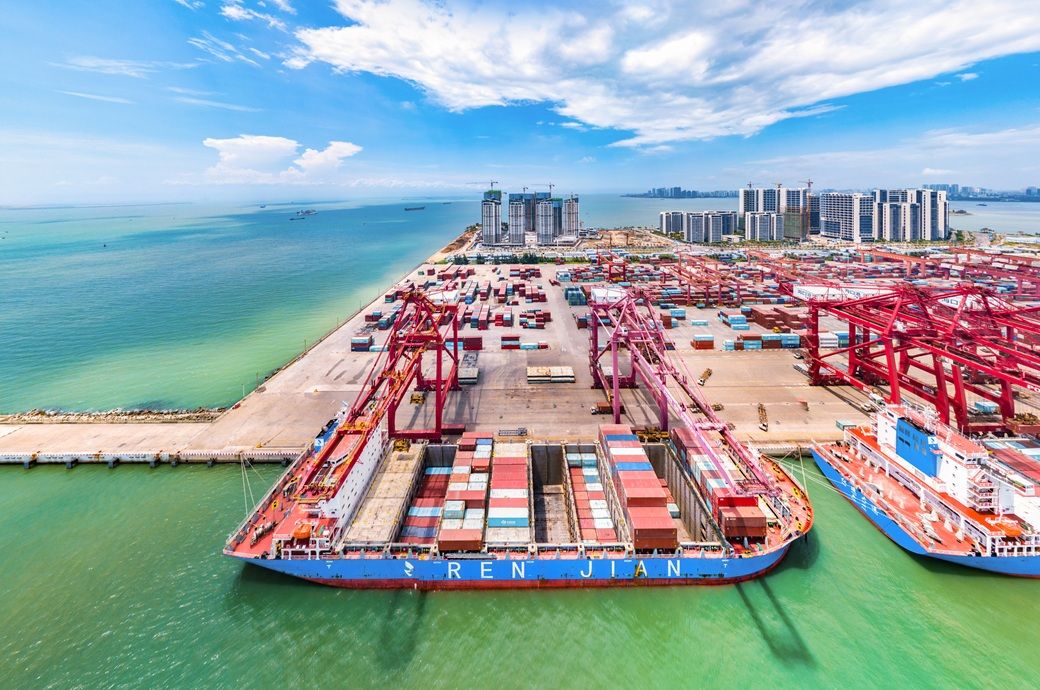
Official data showed that 186 transactions were completed under the zero-tariff policy, covering goods worth nearly ¥1.7 billion (~$236 million), reflecting a 1.46-fold rise compared to the previous year. The policy also resulted in duty exemptions totalling ¥271 million (~$37.6 million).
The figures were released at a press conference held ahead of the 100-day milestone of the policy’s implementation.
Hainan Free Trade Port recorded trade exceeding ¥80 billion (~$11.6 billion) in its first 100 days of special customs operations, up 32.9 per cent YoY.
A total of 186 zero-tariff transactions were completed, covering goods worth ¥1.7 billion (~$236 million), while duties worth ¥271 million (~$37.6 million) were exempted, reflecting strong early momentum.
Launched on December 18, the island-wide special customs operations aim to facilitate smoother entry of overseas goods, expand the scope of zero-tariff items, and create a more business-friendly trade environment.
Positioned as the world’s largest free trade port by area, Hainan FTP is expected to play a strategic role in advancing China’s trade liberalisation and economic openness.
Fibre2Fashion News Desk (JP)
The measure implements tariff reduction commitments made under the ‘Early Harvest Arrangement of the Agreement on Economic Partnership for Shared Development’ between the two countries.
China will implement preferential tariff rates on selected imports from the Republic of the Congo starting April 1 under the Early Harvest Arrangement of their economic partnership agreement.
The move announced by the Customs Tariff Commission, is aimed at fulfilling tariff reduction commitments, enhancing bilateral trade cooperation and advancing long-term economic ties between the two countries.
The commission said the move is in line with China’s tariff law and reflects the country’s continued efforts to expand opening-up and strengthen trade ties with African partners.
Officials stated that the preferential tariff treatment will help deepen bilateral economic and trade cooperation and support the development of a higher-level community with a shared future between China and the Republic of the Congo.
The Early Harvest Arrangement, signed in November 2025, marked the first such agreement of its kind between China and an African country, paving the way for broader market access and phased tariff reductions.
Fibre2Fashion News Desk (JP)


EU gains meet a harsh reality in India: War, rupee, energy shock

Hainan free trade port crosses $11.6 bn trade in 100 days

Antonio Banderas opens up on ethnic stereotyping in Hollywood

-
 Business1 week ago
Flipkart group CFO to leave co amid IPO plans – The Times of India
-
 Business1 week ago
Video: The Effects of High Oil Prices
-

 Fashion7 days ago
China’s textile & apparel exports surge 17% to $50 bn in Jan-Feb 2026
-

 Sports1 week ago
Rating Adidas’ 2026 World Cup away shirts: Argentina, Spain, Mexico and more
-
 Fashion1 week ago
The hidden $1.62 war tax now embedded in every garment you source
-

 Sports1 week ago
American Conference Commissioner Tim Pernetti thanks Trump for Army-Navy game executive order
-
Tech1 week ago
The Corsair 4000D RS PC Case Keeps Your System Cool
-

 Tech1 week ago
‘Uncanny Valley’: Nvidia’s ‘Super Bowl of AI,’ Tesla Disappoints, and Meta’s VR Metaverse ‘Shutdown’