

Fashion
AllSaints names new CFO, reports rising US revenue


Published
November 12, 2025
Expanding British fashion retailer AllSaints has a new CFO with the appointment of Sean Trend to the key finance role. The company has also filed its accounts for its US subsidiary.
First the CFO appointment. Trend will join the group in February 2026, and will replace Elaine Deste who’s retiring after nearly six years in the role.
He’ll join from ASOS where he’s held a variety of senior executive roles since joining the business in 2017, including director of finance, SVP strategy & insights, SVP North America, and MD of the UK & US.
CEO Peter Woods said he “has a fantastic mix of hugely relevant financial, operational and management experience, much of it in the fashion sector and also across the key regions in which we operate. I am confident that he will fit in brilliantly in our group and play an integral role in helping us to achieve our exciting long-term growth plans”.
He added that Deste “has made an enormous contribution since she joined us in early 2020, and her rigour, professionalism and dedication will all be missed. I would like to thank her sincerely on behalf of everyone here, and to wish her every happiness for her retirement”.
As for those US results filed at the UK’s Companies House, the year to 1 February 2025 at AllSaints USA Limited saw it with a “strong trading performance against a challenging global economic background”.
It can be hard to get a true picture of how an international subsidiary is performing given that separating figures for the business from its parent isn’t always straightforward.
But with that always in mind, the company said the wholesale business in particular saw continued growth while retail store sales were impacted by the annualisation of closures in both 2023 and 2024 (although it also opened a number of stores in the year).
Revenue for the US business in the period grew to $207.5 million from $165.3 million. The latest year comprised 52 weeks while the previous year was 53 weeks and the company said the revenue increase was primarily driven by sales to wholesale partners.
Post-operating exceptional EBITDA covers the trading performance of the company adjusted for operating cost arrangements that it has in place with other entities within the parent group. On this basis it increased to $18.22 million from $17.59 million.
The company also said that following the year end, consumer spending has remained subdued and tariff announcements in the US have created uncertainty. But the group has “reacted with agility, by replanning product ranges and supply chains in order to protect both US revenues and gross margin performance while also remaining competitive”.
The US has also seen the company opening a new store in Atlanta for its headline brand as well as a Miami one for Jon Varvatos, although it closed its existing Miami store. It also opened a new flagship in Soho, New York in September. In San Francisco and San Diego, there have been store moves to improved locations.
Copyright © 2025 FashionNetwork.com All rights reserved.












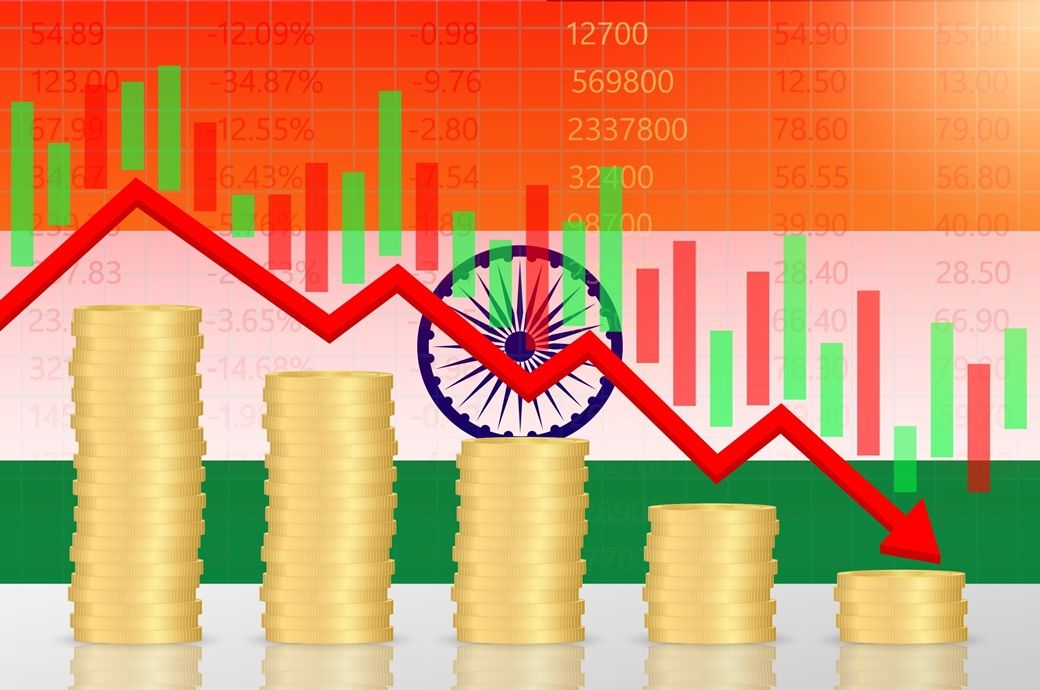
While trends in high frequency indicators for January-February 2026 appear favourable, the heightened uncertainty around the duration of the Middle East conflict casts a shadow on the near-term macroeconomic outlook for India amid high import dependency for items like crude oil, natural gas and fertilisers, it noted.
India’s FY27 GDP growth is likely to slow to 6.5 per cent from the projected 7.5 per cent in FY26 owing to the impact of higher energy prices and concerns around energy availability, ICRA Ratings said.
The heightened uncertainty around the duration of the Iran war casts a shadow on the near-term macroeconomic outlook for India.
If the conflict lasts longer, the adverse effects could widen across sectors.
If the conflict lasts for an extended period, the adverse implications of the same could widen across sectors, amid an uptick in input costs and the consequent impact on profitability of the India corporate sector.
Amid the projected uptrend in the consumer price index-based inflation in FY27 with risks tilted to the upside, ICRA Ratings expects an extended pause on the policy rates by the central bank’s monetary policy committee in the fiscal despite the anticipated softening in the GDP growth. However, it expects the Reserve Bank of India to continue to intervene on the liquidity front during FY27.
The available data for January–February FY2026 indicate a positive trend across most non-agricultural indicators, with the year-on-year performance of 12 out of 18 indicators improving compared to the third quarter of FY26, while the remaining six deteriorated.
Fibre2Fashion News Desk (DS)
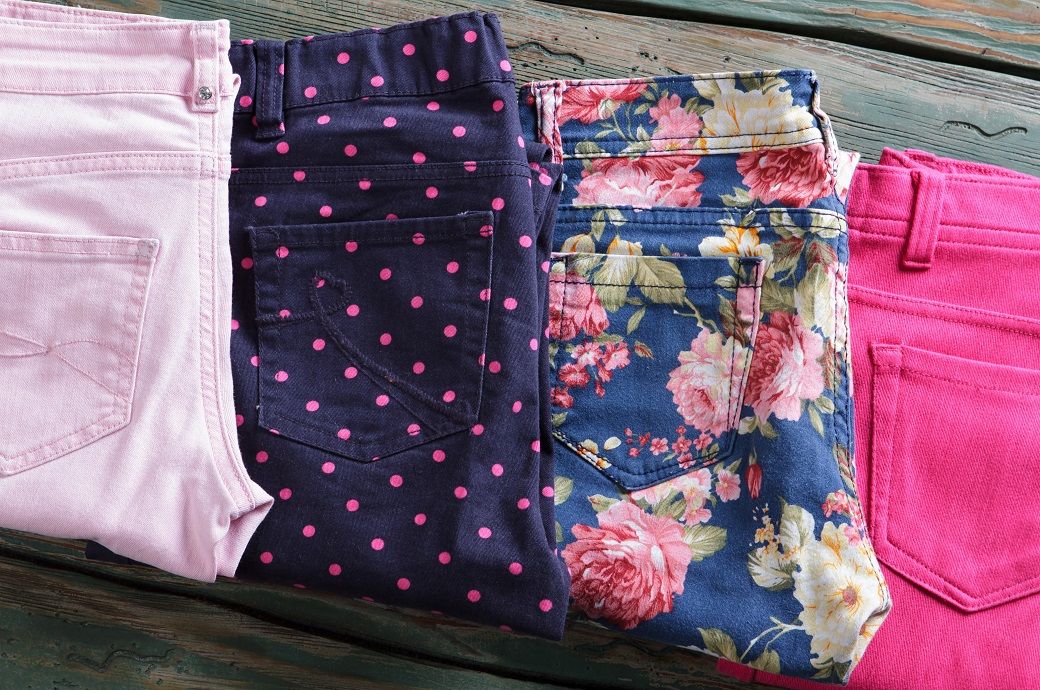
Indonesia’s apparel exports rose modestly to $8.705 billion in 2025 from $8.316 billion in 2024, reflecting gradual recovery.
The US remained dominant, accounting for over 56 per cent of shipments, highlighting growing market dependence.
While Japan, South Korea and Europe offered stability, exports stayed concentrated in key products and segments.
Source link

Methanol prices in India have surged nearly 150 per cent from pre-Iran–US tension levels, tracking a sharp rise in crude oil and tightening global energy markets.
Hormuz disruption risks, limited rerouting capacity, rising freight and insurance costs, and constrained imports are fuelling volatility, with prices seen approaching ₹90 per kg.
Source link


Italy miss out on third straight WC in shootout loss to Bosnia

Household energy bill drop ‘short-lived respite’ amid fears of July hike

Robotaxi Outage in China Leaves Passengers Stranded on Highways

-

 Politics1 week ago
Afghanistan announces release of detained US citizen
-

 Sports1 week ago
Broadcast industry CEO says consolidation is ‘essential’ to compete for NFL soaring media rights prices
-

 Tech1 week ago
Can a Home Appliance Fix the Problem of Soft-Plastic Waste?
-
 Business1 week ago
Property Play: Home flippers see smallest profits since the Great Recession, real estate data firm says
-

 Entertainment1 week ago
UN warns migratory freshwater fish numbers are spiralling
-
 Business1 week ago
Gold prices soar in Pakistan – SUCH TV
-

 Fashion1 week ago
ICE cotton slips on weaker crude, profit booking
-
 Business1 week ago
More women are entering wealth management, but few are in advisory roles, study finds