

Sports
How the USMNT combats jet lag: Fly kits, supplements, sleep masks

Talk to anyone who has taken a transcontinental flight, and they’ll tell you what a toll it takes on the body. The inactivity of sitting on a plane for hours can leave one feeling stiff. Sleep is disrupted, and a person’s body clock is off-kilter thanks to traveling across multiple time zones. The impact can last for days.
Now imagine having to play a competitive soccer match later that week, where performance is still expected to be at or near a player’s peak. It makes for a massive task in terms of keeping players ready.
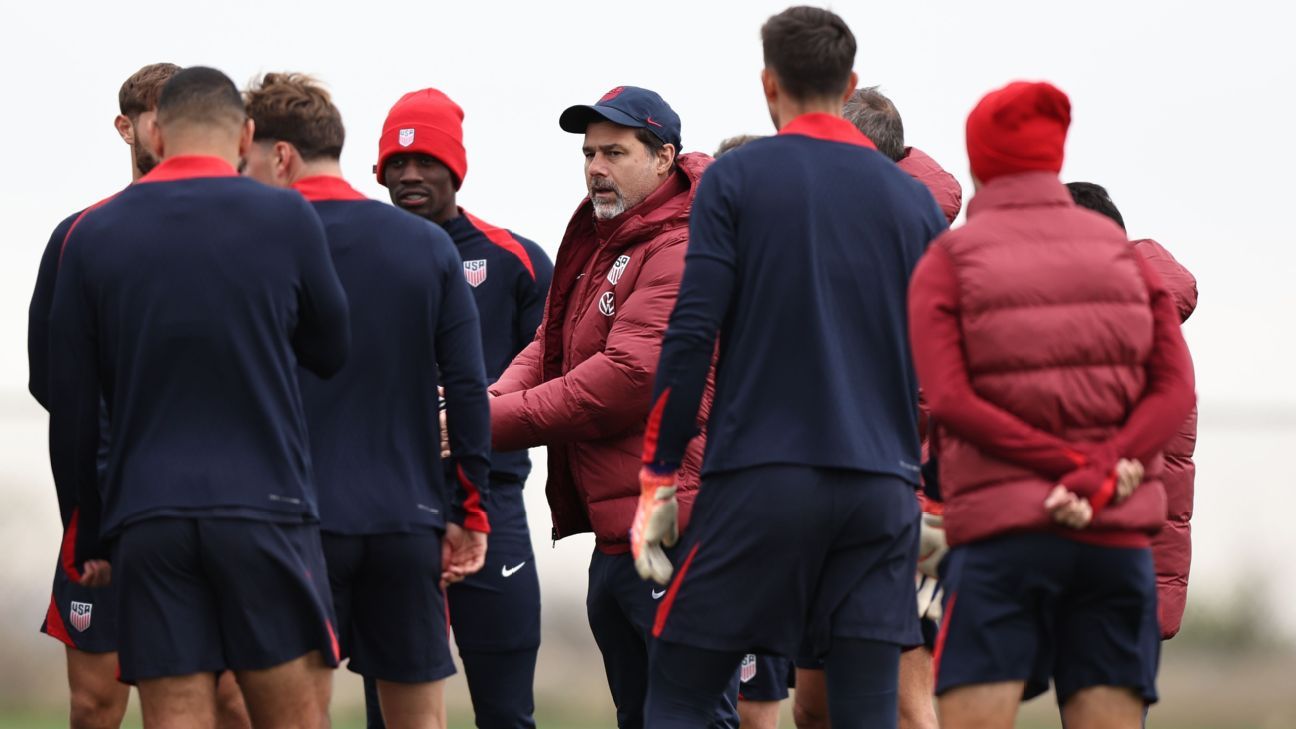
That challenge falls under the banner of recovery, and it’s one that clubs and national teams all over the world face — including the staff for the U.S. men’s national team, who will have 13 of its 24-man roster for this month’s friendlies flying in from Europe. Under the direction of manager Mauricio Pochettino, the USMNT employs a holistic approach involving fitness coaches, physical therapists, massage therapists, dietitians, as well as the technical staff, to ensure that players are physically close to their maximum both before and after a match.
– Reyna returns, but can the USMNT impress in final tests of the year?
– Pochettino the player: How his playing days shaped USMNT coach
– Tudor exit means McKennie must prove himself all over again
“We try to put every single technology in the market, every single expertise in the market in order to help the players,” U.S. first assistant coach Jesús Pérez said. “And there are plenty of protocols assessing and monitoring and taking actions in the recovery lab that we already have.”
The five USMNT team staff members ESPN spoke to for this piece described an operation that is extensive and detailed, with reams of data produced, but that they have four major areas of focus. Jordan Webb, U.S. Soccer’s head of performance, refers to these as the “big rocks” of recovery — sleep quality, stress management, nutrition, and hydration. And as much as the field has advanced in recent years in terms of both science and technology, those pillars remain critical. The information collected is then shared with clubs.
“We are extremely transparent, so anything that we collect from recovery modality usage to our training load data to basically … if we collect a piece of data, it’s available in our club platform and we communicate deeply with the clubs,” Webb said.
Webb added that this emphasis and transparency started during the last World Cup cycle and has continued under Pochettino.
“With Mauricio coming in, we’ve doubled down on that strategy and continued to put the player at the center, and be as transparent with the clubs as we possibly could,” Webb said. “That’s across the whole high-performance department.”
‘They are not right to complain’
The issue of recovery and treatment of international players has been in the news this season, with AC Milan‘s Christian Pulisic and Bayer Leverkusen‘s Malik Tillman suffering muscle injuries during the last international window. For the second time in two months, Barcelona and Spain are at odds over the handling of Lamine Yamal and his persistent groin issue, illustrating that this is far from an issue unique to the USMNT.
Milan were reportedly frustrated at Pulisic being played against Australia, and Crystal Palace manager Oliver Glasner voiced criticisms of the USMNT program in terms of load management, stating that Chris Richards had been dealing with a calf issue and was “disappointed” that the defender played in both October friendlies.
Pochettino hit back at Glasner during a recent news conference, stating, “I think in all these situations, I think Milan or Palace, they are not right to complain because I think if [there is] a coaching staff that cares about the player, we are the first that care, and we never made to play a player with some [injury] doubt.”
Pérez addressed the situation regarding Pulisic. “Christian got a knock in a one-versus-one situation turning to his left, he lost the balance, he tried to stand up on the sprint and then he pulled the hamstring. So the mechanism of the injury is nothing related with fatigue or his previous injuries. It’s like an unfortunate situation that if he stays down, it is a foul and finishes the action,” Pérez said.
He added, “If a club coach doesn’t want to rest his player and pretends to dictate what the national team has to do, it’s completely different. And in fact, this is nothing related with intake, evaluation, fatigue or strategies. That’s the way we work. So that’s why we have our own intake protocol that is very exhaustive; very, very deep in order to make sure the players start on training Monday [or] Tuesday, are ready to play a game on Saturday. Otherwise, we send the player back or we don’t call the player, as some examples during this final roster.”
There have been instances in the past where a player arrived in camp and was then sent home after going through the intake protocol. Both Folarin Balogun and Sergiño Dest were removed from the roster for last summer’s Gold Cup when it was judged that they weren’t fit enough to play, even though they had recently logged minutes for their club. For this November camp, in which the U.S. face off against Paraguay and Uruguay (who will be facing the same issues of travel and recovery), Pulisic, Tim Weah, and Alejandro Zendejas were among those left off the roster due to not being fully fit.
‘Getting the junk out of your legs’
While recovery is a process that goes on throughout a season, adding in international travel complicates this approach by an order of magnitude. Player recovery usually starts right after a match, but that is interrupted when travel is involved. To combat this, players are often given “fly kits” that include a customized sleep schedule, as well as dietary supplements that can contain melatonin, magnesium, vitamin B and vitamin D.
Granted, falling asleep in an airplane seat can be easier said than done, even when flying in business or first class, but U.S. defender Tim Ream is a big believer in the fly kits, which he used extensively during his 12 years playing in England.
“They basically put you on a time to shift your circadian rhythm,” Ream said in reference to the fly kits. “I used that a lot, and there were guys who didn’t, and it would take them three, four, five days sometimes to get onto the new time zone.”
Technology plays a part as well. Players can be given Normatec boots that go from the hip down to the foot, providing compression therapy to increase circulation, aid muscle recovery and, as Ream put it, “Get the junk out of your legs after a game.”
The travel impacts don’t end with the flight, nor does the staff’s attention to detail. When players arrive, the intake process begins, where they are given blood and saliva tests to measure fatigue and hydration levels, the better to inform the staff of how much of a training load a player can withstand.
The data from each camp builds on previous interactions with a player. Players can also use an eye mask, blue-light-blocking glasses, and earplugs to help improve the quality of sleep once they arrive. Avoiding big meals before going to sleep and staying hydrated can also help get over jet lag.
This leads to a personalized recovery plan that takes into account a player’s routines and recent activity with their clubs. Players such as Tyler Adams, Mark McKenzie, Tanner Tessmann and Auston Trusty are also new dads, adding a wrinkle to how much — or how little — they might be sleeping.
“We try to keep their preferences and their habits when they are here and try to set a goal for each of them in a recovery area so then they have something to add in their own routines or something to work on it to feel better or to try to integrate that in their routines,” said USMNT fitness coach Sylvia Tuyà. “And then when they come back, they have this new thing that we can keep going with.”
In terms of jet lag, U.S. fitness coach and sports scientist Sebastiano Pochettino, Mauricio’s son, said light exposure is the best way to accelerate the acclimatization process and ensure quality sleep. Players coming from the west need more light exposure when they wake up, while those coming from the east need less.
“What you want to do is delay those patterns, make sure that you don’t feel too sleepy too early and then you’re trying to get as many hours of sleep as you can, but as late as possible,” said Pochettino. “So you’re not waking at 4 a.m. and I’m thinking, ‘Oh, I need to be alert until 7 p.m. because that’s when I’m going to be playing a game.’ That would be a massive challenge for any human being.”
Nutrition plays a big role in recovery as well. Ream recalled how he can feel the effects of how well — or how poorly — he’s eaten. This is usually more of a concern when a player is with his club. The U.S. provides multiple meals a day for players, but with players at times left on their own to determine where they will eat dinner, it can be easy to go off script.
In recalling some situations at home, Ream said, “OK, lunch, I didn’t eat great. It was a Sunday, day off. Everyone’s tired from the Saturday running around, and I had a late game and I was up late because I couldn’t fall asleep. So all right, we’re going to be lazy today. Let’s order in for lunch and order in for dinner.
“And you find on the Monday you’re like, wow, I feel like I had terrible, terrible food; low energy, irritable in a way. And you start to realize, yes, sleep was important. You didn’t get as much sleep as you wanted, but the food you put into your body plays a really big part.”
Sleep can be difficult after a match as well, given the adrenaline boost that accompanies a performance. Ream will often do a crossword puzzle or Sudoku to take his mind off things. He’s even played with his kids’ Legos to help him relax.
Hydration seems like a no-brainer, something that is drilled into players from the time they were kids, but the staff tests not only saliva but the level of salinity in a player’s sweat through a patch to make sure players are properly hydrated. In some cases, a player might need more electrolytes than they’re getting previously. At altitude, which the U.S. experienced during the previous window when it played a game in Commerce City, Colorado, hydration takes on even more importance, with supplements such as antioxidants, nitrates and iron also added to the dietary mix.
As much as there is a focus on how players are feeling physically, there is a psychological aspect to recovery as well. Donnie Fuller, the USMNT’s head athletic trainer, noted that the massage table is one place where there is a mixture of both physical and mental benefits.
“Obviously, when you’re manipulating tissue with your hands and things, people feel better when they have stiff areas, stiff quadriceps or hamstrings or something like that or they’ve had some soreness in there and just to kind of flush that out and get things moving after a long international flight is beneficial,” Fuller said. “But then also too is just having them relax on the table and talking to them. Catching up from the last month or two, whenever they were in the last camp was, I think is a big psychological component that guys benefit from.”
‘They don’t want to be bad’
So, how much buy-in is there from players? Mauricio Pochettino has made it clear to them that they need to adhere to the staff’s protocols, but there is some flexibility. Webb noted that there is the ideal where they want players’ habits to be, and there is reality. It’s more about continually nudging them in the right direction.
“We start with understanding who are they, what’s important to them, what window is actually open for us to maybe upgrade their habits,” Webb said. “We take a look at all the players’ recovery habits and one of the things that we try to do is we try to find one habit per camp that’s an upgrade. It might be, ‘Hey, if sleep’s a priority for you and you’re interested in that, how do we help you get to bed an extra 30 minutes earlier?'”
But Mireia Porta, the USMNT nutritionist, notes that the competition for spots means most players are highly motivated to extract every advantage they can. That means following the recommendations of the performance staff.
“Always, it’s really funny, because they do [the tests] like a competition because they don’t want to be bad,” she said. Porta added that sometimes players are so eager to get information from the sports science staff on how they can improve that “it’s like a traffic jam for us” in the room the staff occupies.
Ream has long been a believer, although he admits he’s not perfect, engaging in the occasional cheat meal of pizza or a “dirty burger.” The intense play-recover-play rhythm during his time in the English Championship demanded a steady emphasis on recovery starting in his mid-20s. He admits there was some trial and error in terms of what worked and what didn’t, but he’s convinced of the results.
“I mean for sure it’s extended [my career],” he said about the impact of good recovery habits. “Can I quantify it? No, probably not, but it is definitely one of the factors in still being able to run around and play at 38 years old for sure.”
Pochettino and his staff don’t need to be convinced. The combination of big rocks, technology and data means recovery will remain at the forefront of how they operate.
NEWYou can now listen to Fox News articles!
Tarik Skubal, the Detroit Tigers’ ace and two-time defending AL Cy Young Award winner, is set to undergo arthroscopic surgery on his left elbow that will keep him sidelined for months, manager A.J. Hinch said on Monday.
Skubal isn’t done for the season, but he is expected to be out two to three months following the surgery to remove loose bodies in his left elbow, ESPN reported.
Hinch called it an “easy process and procedure” while delivering the news, but it’s certainly a blow to the Tigers’ staff and Skubal personally that he is sidelined for months.
CLICK HERE FOR MORE SPORTS COVERAGE ON FOXNEWS.COM
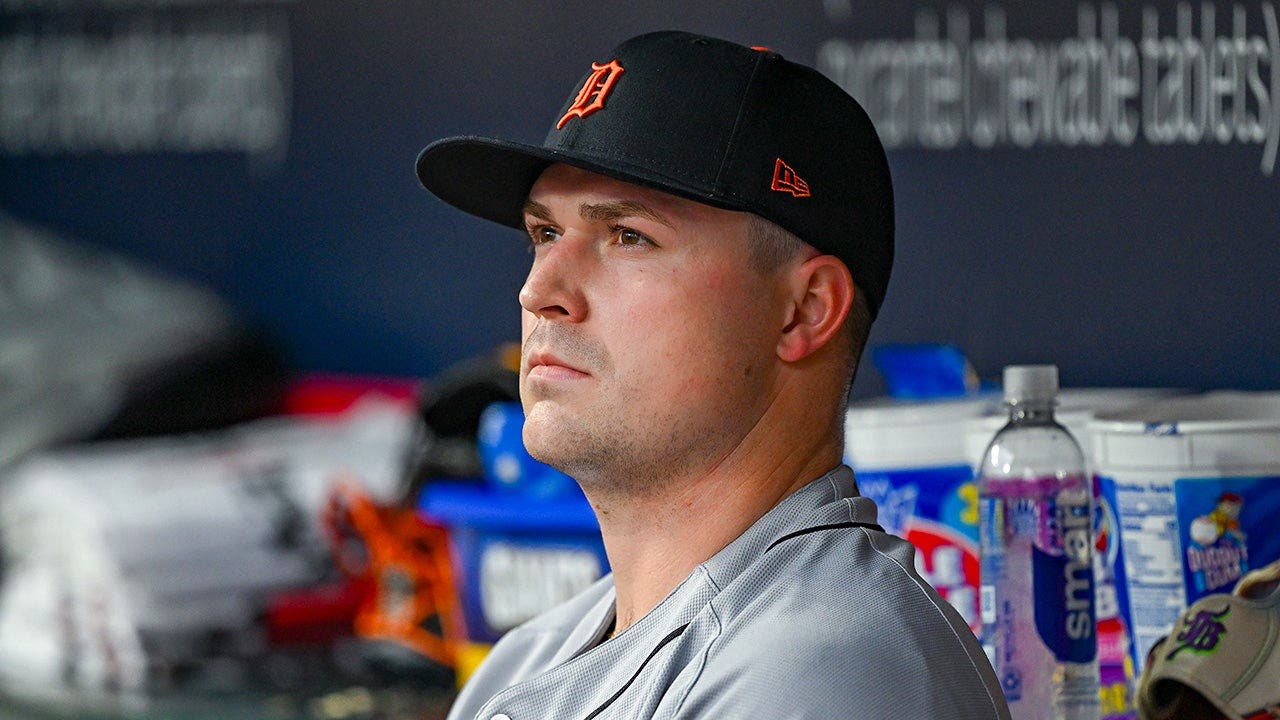
Detroit pitcher Tarik Skubal watches during the Atlanta Braves game on April 29, 2026, at Truist Park in Atlanta, Ga. (Rich Von Biberstein/Icon Sportswire)
Skubal’s arm locked up during a bullpen session on Sunday ahead of his scheduled start against the Boston Red Sox on Monday night. Now, he will undergo the surgery, with Hinch providing no specific timeline for his return.
Skubal’s last start came in a 4-3 win over the league-leading Atlanta Braves this past Wednesday, where he allowed two runs on five hits across seven innings of work. He struck out seven Braves hitters during his outing.
TIGERS ACE TARIK SKUBAL WINS RECORD-BREAKING $32M IN ARBITRATION: REPORTS
However, in that game, Skubal was spotted rubbing his left arm, leading to Hinch and a Tigers trainer going to the mound to check on the pitcher. Skubal, though, remained in the game after tossing a warm-up pitch, and he went on to pitch seven strong innings.
As a result of Skubal being out, the Tigers recalled Ty Madden to the big leagues. Tyler Holton will also be making the spot start on Monday night, serving as the Tigers’ opener before Hinch needs to get creative with his bullpen.
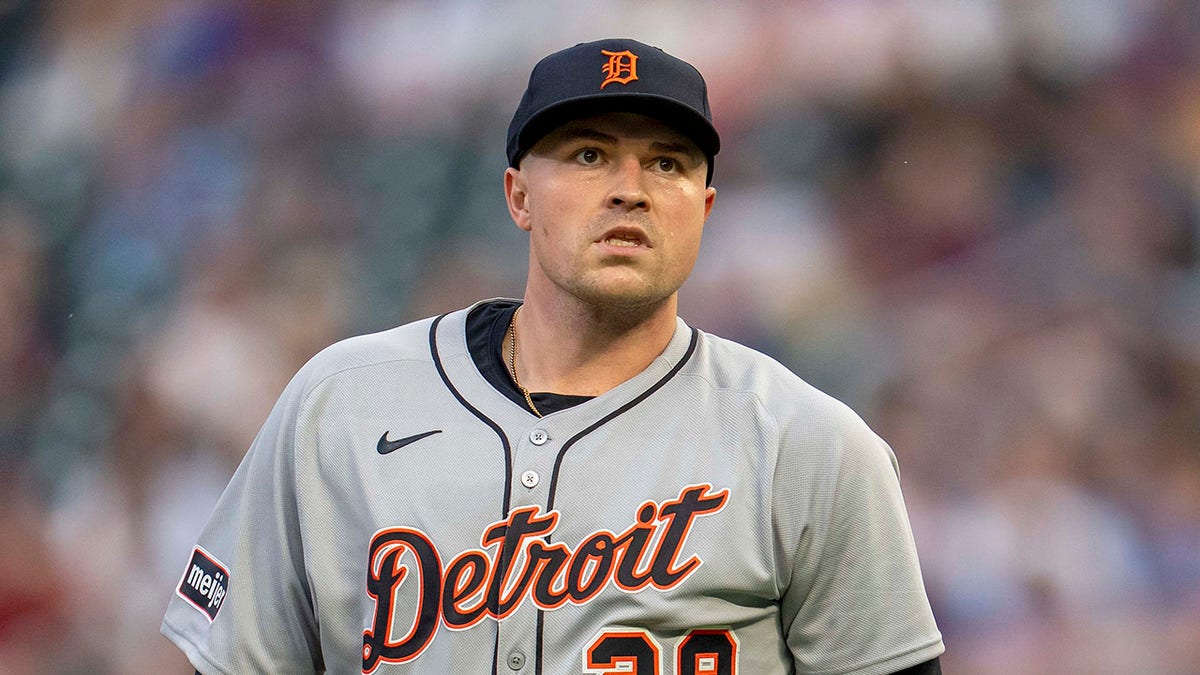
Detroit Tigers starting pitcher Tarik Skubal reacts after giving up a hit against the Minnesota Twins at Target Field in Minneapolis, Minn., on Aug. 14, 2025. (Jesse Johnson/Imagn Images)
Skubal is the latest Tigers starter to be placed on the injured list, joining Casey Mize and Justin Verlander. That leaves Framber Valdez and Jack Flaherty as the only healthy starters at the moment.
For Skubal, the timing isn’t great, especially with impending free agency looming.
Skubal won a record-breaking arbitration case this offseason, where the Tigers were told to pay the left-handed ace $32 million for the 2026 campaign after they proposed a $19 million salary. The victory beat Juan Soto’s arbitration pay by the New York Yankees in 2024 by $1 million.
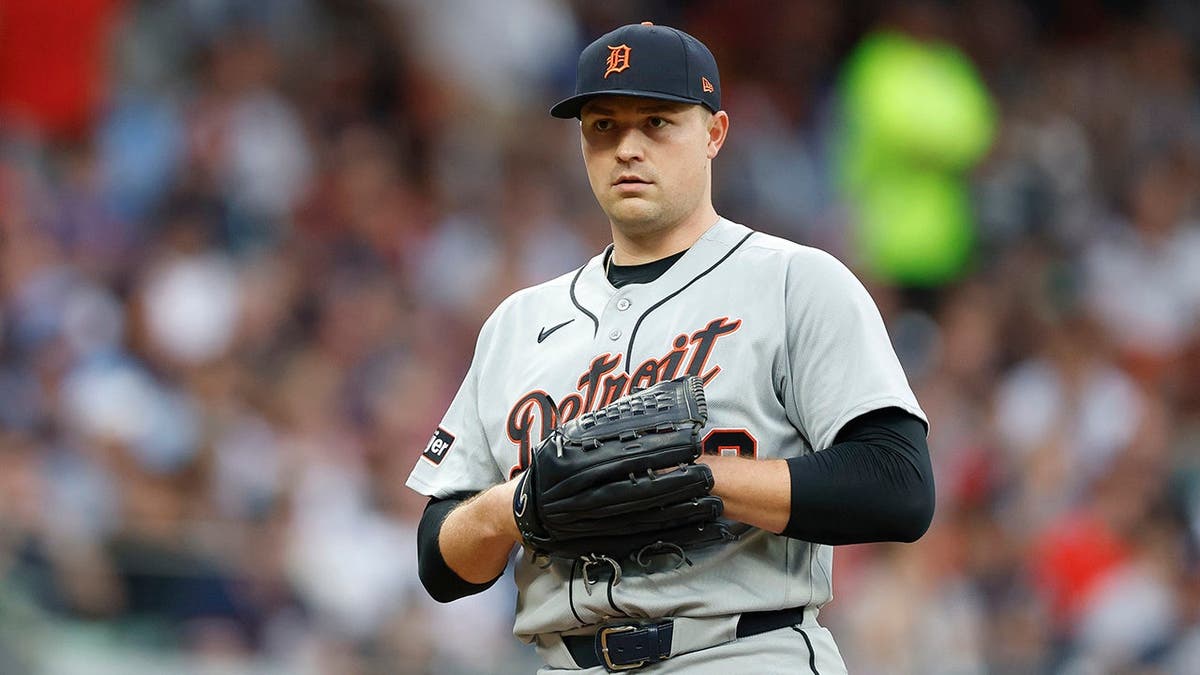
Tarik Skubal of the Detroit Tigers between pitches during the Braves game at Truist Park in Atlanta on April 29, 2026. (Brandon Sloter/Getty Images)
CLICK HERE TO DOWNLOAD THE FOX NEWS APP
But, with no long-term deal in place for Skubal, the electric starter is set to be one of the top free agents after the season, unless he and the Tigers don’t figure something out before then. It seems unlikely that will happen at this point.
All teams interested in Skubal will be watching his recovery and eventual return closely. Until then, Hinch and the Tigers will need others to step up in the meantime for the starting rotation.
Follow Fox News Digital’s sports coverage on X and subscribe to the Fox News Sports Huddle newsletter.
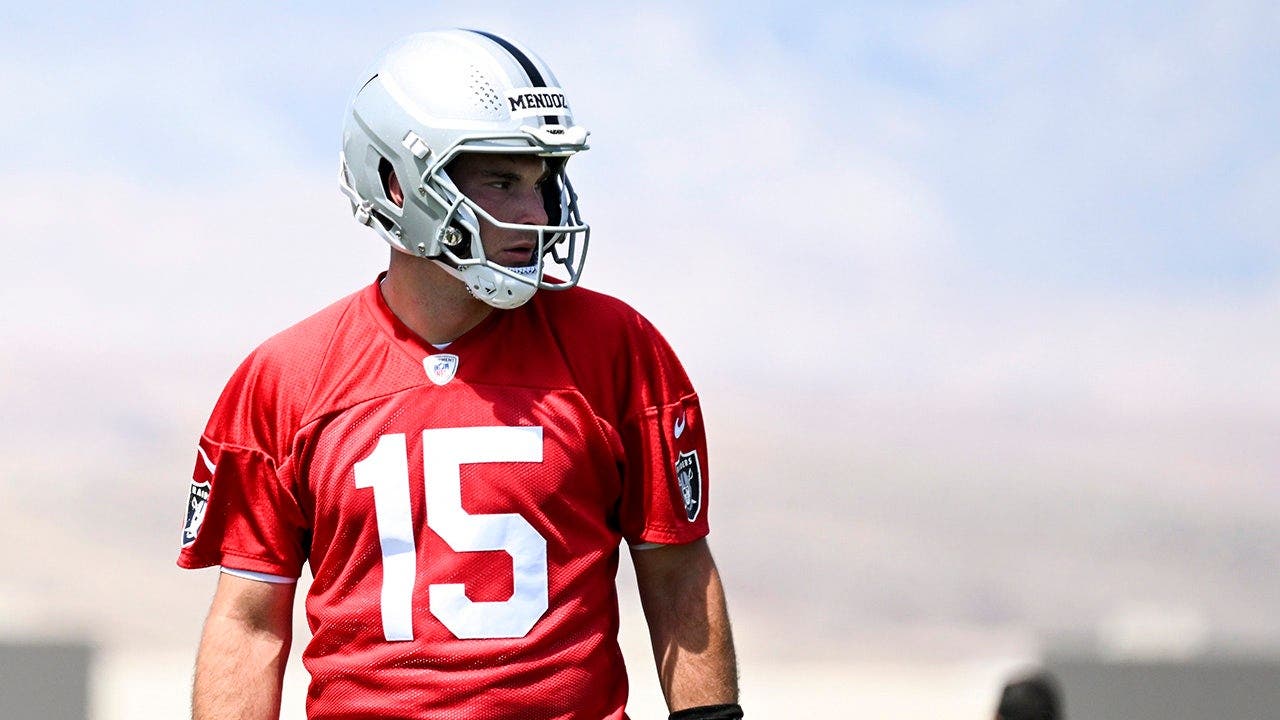
NEWYou can now listen to Fox News articles!
Fernando Mendoza skyrocketed to the top of every NFL pundit’s draft board during the 2025 college football season as the Indiana Hoosiers standout won the Heisman Trophy and led the school to a national championship.
Mendoza’s status stayed clean as the Las Vegas Raiders selected him with the No. 1 overall pick in this year’s draft. He will be tasked with returning the franchise back to glory under head coach Klint Kubiak and veteran quarterback Kirk Cousins, who is set to serve as Mendoza’s mentor.
ZERO BS. JUST DAKICH. TAKE THE DON’T @ ME PODCAST ON THE ROAD. DOWNLOAD NOW!
Las Vegas Raiders quarterback Fernando Mendoza runs through a drill during a rookie minicamp at Intermountain Health Performance Center in Henderson, Nev., on May 2, 2026. (Candice Ward/Imagn Images)
A detractor came out of the woodwork on Monday as an anonymous ACC coach told ESPN that he didn’t believe Mendoza had the “NFL traits.” The coach competed against Mendoza when the quarterback was tossing the pigskin around for the Cal Golden Bears.
“He’s a good decision-maker, but I don’t think he’s got the NFL traits,” the coach told ESPN. “They’re all back-shoulder (throws). That’s not working in the NFL. His receivers made plays to make him look better than he is. In the NFL, those throws are getting picked off.”
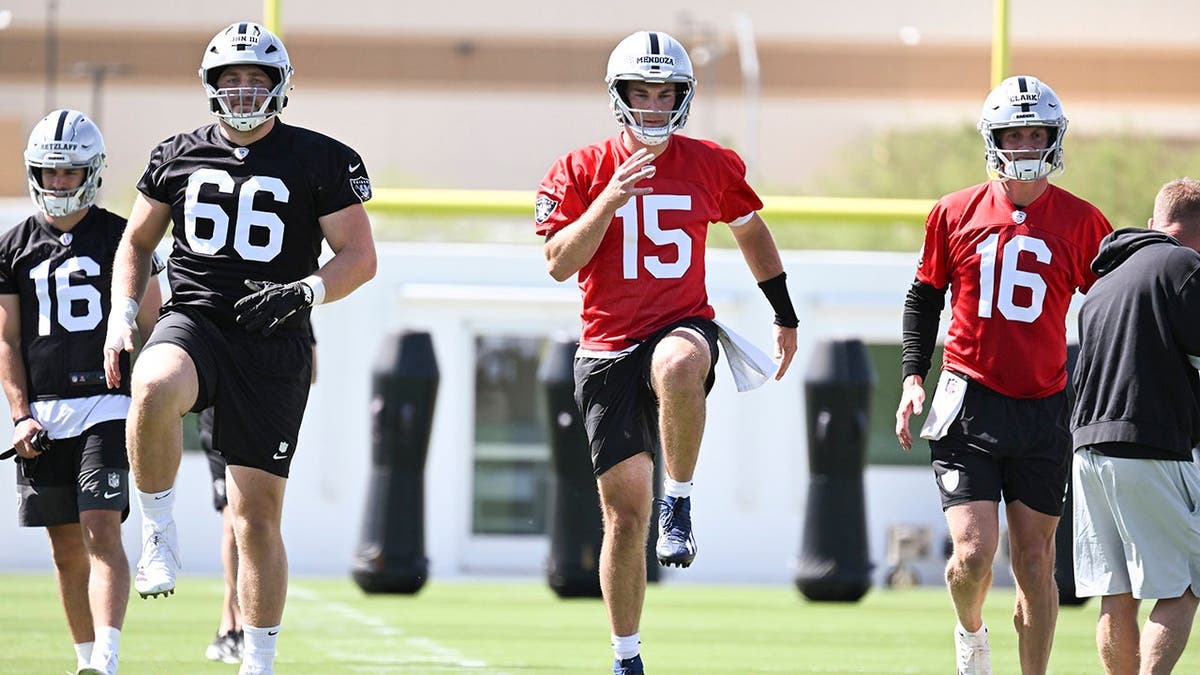
Las Vegas Raiders quarterback Fernando Mendoza warms up during a rookie minicamp at Intermountain Health Performance Center in Henderson, Nev., on May 2, 2026. (Candice Ward/Imagn Images)
Mendoza showed grit and determination with some of the throws he made at Indiana. One that comes to mind is the game-winning touchdown pass to Omar Cooper Jr. against Penn State.
Cooper made the catch and an incredible toe-tap for the touchdown with 36 seconds left in the game, which kept Indiana’s dream season alive.
Raiders general manager John Spytek said last month he nixed any talk of trading the No. 1 pick because he was sure Mendoza would be their guy.
“I think any coach is excited to work with a big, athletic, talented thrower that is extremely smart and a very driven worker, and that’s been our experience with Fernando,” Spytek said. “That’s a great starting spot for any quarterback.”
It’s the heart that Mendoza showed throughout the season, including in the national title game against the Miami Hurricanes, that made him an attractive prospect for NFL teams.
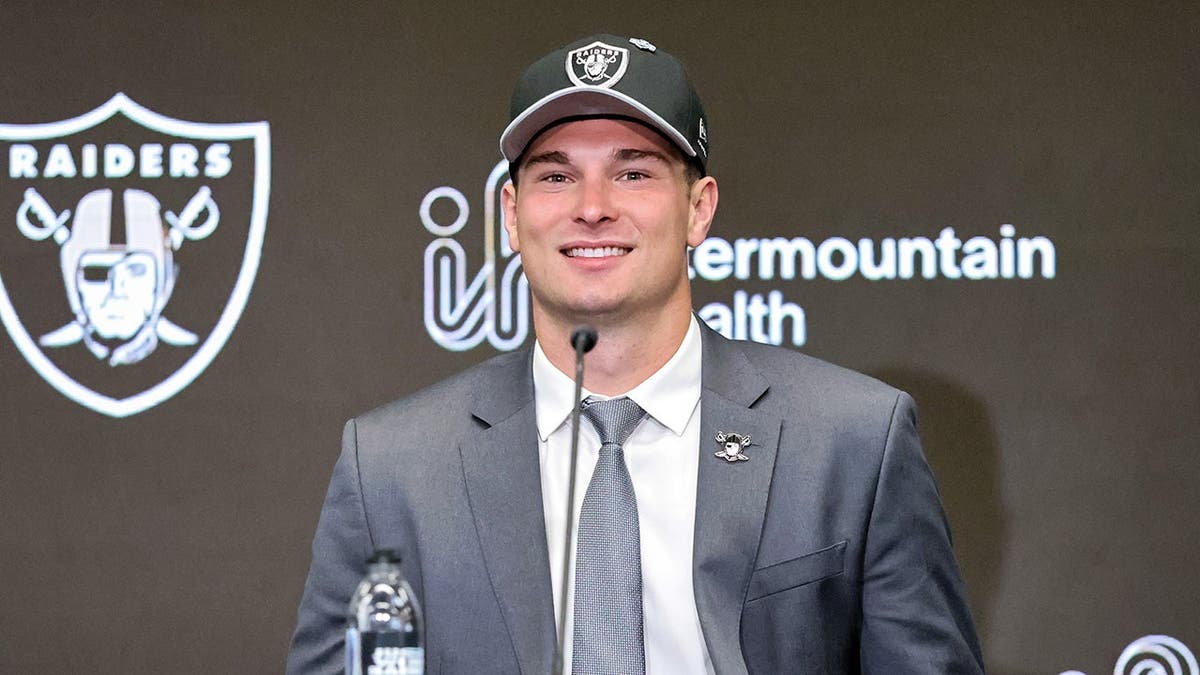
Quarterback Fernando Mendoza, selected as the No. 1 overall pick in the 2026 NFL draft, attends a news conference at the Raiders Headquarters in Henderson, Nev., on April 24, 2026. (Ethan Miller/Getty Images)
CLICK HERE TO DOWNLOAD THE FOX NEWS APP
He had 3,535 passing yards and 41 touchdown passes in his lone season at Indiana.
The Associated Press contributed to this report.
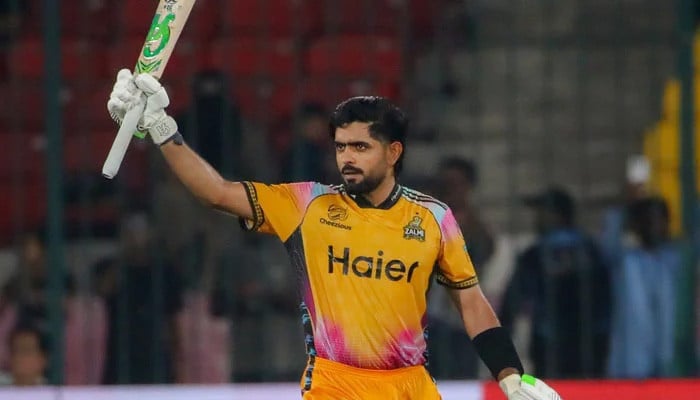
The Pakistan Cricket Board (PCB) on Monday announced the Pakistan Super League (PSL) 11 Team of the Tournament, naming Babar Azam skipper after a title-winning campaign.
The Team of the Tournament comprises three players each from Peshawar Zalmi and Hyderabad Kingsmen, two apiece from Lahore Qalandars and Islamabad United, and one player each from Multan Sultans and Quetta Gladiators.
The selection was made by a five-member panel drawn from the commentary team. The jury also finalised the Emerging Team of the Tournament, recognising the standout young performers of the season.
A total of 44 matches were played from March 26 to May 3 across Lahore and Karachi.
Babar Azam, who lifted his third PSL title as a player and first as captain, finished as the leading run-scorer with 588 runs.
Opening the innings, he also claimed the Hanif Mohammad Cap and equalled the record for most runs in a single PSL season, matching Fakhar Zaman’s tally from 2022.
His campaign featured two centuries in four matches against Quetta Gladiators and Islamabad United.
Peshawar Zalmi are further represented by Kusal Mendis and Sufyan Moqim. Mendis scored 550 runs, including four half-centuries and a century, while also contributing eight dismissals behind the stumps.
His century came against Karachi Kings at the National Bank Stadium on April 9. Left-arm wrist-spinner Sufyan Moqim took 22 wickets at an average of 14.40 and an economy rate of 7.20, earning both Player of the Tournament and Best Bowler honours.
Hyderabad Kingsmen have three representatives in Usman Khan, Hassan Khan and Hunain Shah. Usman finished fourth among the top run-scorers with 389 runs, including a century and three half-centuries.
Hassan contributed 139 runs at a strike rate of 195 alongside six wickets and strong fielding performances. Hunain Shah impressed with 17 wickets in 10 matches, emerging as a key bowler in the latter stages of the competition.
Lahore Qalandars’ Fakhar Zaman and Shaheen Shah Afridi also feature in the XI. Fakhar scored 401 runs to finish third overall, while Shaheen claimed 16 wickets at an economy rate of 7.86.
Multan Sultans’ Shan Masood is included after scoring 367 runs at an average of 45.87 and a strike rate of 158.18. Islamabad United captain Shadab Khan also makes the side after a strong all-round season, scoring 173 runs and taking 17 wickets, earning the Best All-Rounder of the Tournament award.
Teammate Richard Gleeson is selected for his impactful new-ball performances, finishing with 12 wickets at an economy rate of 7.13.
Quetta Gladiators’ Hasan Nawaz has been named as the 12th player after scoring 291 runs.
PSL 11 Team of the Tournament
Babar Azam (Peshawar Zalmi) (c), Fakhar Zaman (Lahore Qalandars), Kusal Mendis (Peshawar Zalmi) (wk), Shan Masood (Multan Sultans), Usman Khan (Hyderabad Kingsmen), Shadab Khan (Islamabad United), Hassan Khan (Hyderabad Kingsmen), Shaheen Shah Afridi (Lahore Qalandars), Hunain Shah (Hyderabad Kingsmen), Sufyan Moqim (Peshawar Zalmi), Richard Gleeson (Islamabad United) and Hasan Nawaz (Quetta Gladiators) (12th player).


Greg Brockman Defends $30B OpenAI Stake: ‘Blood, Sweat, and Tears’

Met Gala 2026 “Costume Art” red carpet pictures from New York City

Jack Brooksbank opts for intimate celebration as new baby brings fresh focus

-

 Tech1 week ago
A Brain Implant for Depression Is About to Be Tested in Humans
-
 Business1 week ago
Pakistan’s oil market is fuelling the crisis | The Express Tribune
-

 Tech1 week ago
Almost 90% of women leave tech industry within 10 years | Computer Weekly
-
 Business1 week ago
‘I had £20,000 stolen and had to fight a 13-month fraud reporting rule to get it back’
-

 Sports7 days ago
Pro wrestling star Steph De Lander reveals how colleague’s advice helped lead her to title triumph at ACW
-

 Entertainment1 week ago
Norway joins Type 26 Frigate Programme to boost NATO naval power
-

 Entertainment1 week ago
Melania Trump says ABC should ‘take a stand’ on late-night host Kimmel
-

 Tech7 days ago
This Ambitious Laptop Doesn’t Leave Much Room for Your Hands